Der letzte Spieltag
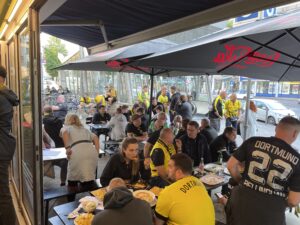
Aus unserem „Europasong“ versuche ich immer noch ein Haiku zu machen – schwierig! Es ist wohl eine alte Tradition, in der Hafenkneipe meines Vertrauens alte BBC-Kassetten aufzulegen (an Tagen, an denen der BVB Grosses und Kleines zu feiern hat), in denen der grandiose Bandleader von The Clash eigene Lieblingsplatten erzählend und auflegend Revue passieren lässt, und dann ziehen die Stimmen von Nina Simone, Bob Dylan, und Jacques Brel seltsam zeitlos ihre Kreise, wie heute, als der der BVB nach einer lange Zeit grottigen Saison in einem furiosen Endspurt unter dem neuen Publkumsliebling Niko Kovac noch auf den lukrativen Platz 4 sprang. Wo läuft denn gerade Rod Stewarts „Hymne“? Eine ausgelassene Stimmung herrschte zwischen Kreuz- und Hafenviertel nach 17.30 Uhr, und so tauchte ich im „Sub Rosa“ mitten in eine Geprächsrunde ein, in der Ronald Rengs wunderbares Fussballbuch „Spieltage“ verhandelt wurde: Fussball und gute Musik, das passt hier zusammen, Sprünge über Generationen, glücklich erschöpfte Gesichter. (m.e.)„Thursday Afternoon in Paris“
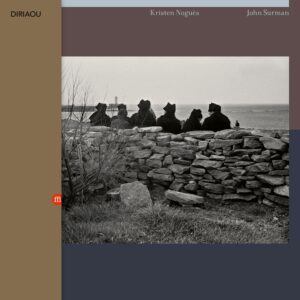
A dream story with an album you’ve never heard of. Once again you are there, in your beloved little park called „Le Jardin du Luxembourg“, not far away from that old time jazz club, „Le Chat Noir“, Robert Wyatt once sang about, a smoky club with wooden walls that is long gone, with all its long stories, told and told again. Or never told. You still have a Sony walkman from the past that works fine, except for some stutter in winter. You put in that cassette a friend gave you as a gift and a sweet reminder of hot love and the best galettes in town. You never knew about this album to exist. Pretend, it is 1998. For reasons hard to explain you keep playing this one track again and again on a warm afternoon in Paris. A sentimental journey, and this piece HERE calls you by your name.Hawk Dreams
Zehn Jahre ist das Label International Anthem nun alt, es hat uns einige wunderbare Werke beschert, und nun bringt auch Blue Note ein Album heraus, das mit Carlo Niño, einen Perkussionisten und Geräuschemacher im Rahmen des „Openness Trio“ präsentiert, der wie wenige andere für die Welt von International Anthem steht. Selbst das Cover könnte von IAR sein. Aber lauschen wir einfach mal diesem langen Stück, um herauszufinden, ob wir Andy Cowan zustimmen, wenn er in Mojo schreibt: „… And while there are traces of Jon Hassell, Pat Metheny and Sun Ra, the next-level meditiations of „Openness Trio“ navigate unexplored frontiers, where inner and outer space is the place.“
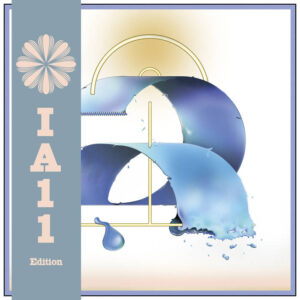
Sollte das Album nur annähernd Andys Worten gerecht werden – auf Strecke – wäre es eine Idee, die Klanghorizonte Ende Juli damit enden zu lassen, und sie mit „Chicago Waves“ zu beginnen, einer International Anthem-Produktion von 2020, dunklen Zeiten also (die Zeiten sind dunkel geblieben, aber Covid sorgte damals noch mal für einen besonderen Schrecken), dem Mitschnitt eines vielgerühmten Duo-Auftritts von Miguel Atwood-Ferguson und Carlos Niño, der in Kürze als LP neu aufgelegt wird.
Die Stunde der wahren Empfindung
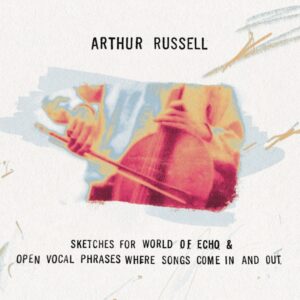
Es ist kein Problem, hier mal einen Titel von Peter Handke zu klauen. Wir haben viel zu wenig über Arthur Russell gesprochen. Rasch werden da die einschlägigen Fakten abgegriffen, die unterschlage ich einfach, oder lass sie nebenbei einfliessen. Sein Nachlass wird akribisch aufbereitet von Audika Records, und die Musik dieses „outsiders“ teilt die Lager. A love it or leave it (or love it sometimes)-affair. „Worlds Of Echo“, „Another Thought“ und das frühe Opus „Instrumentals“ sind meine gern genannten Favoriten. Sein Werk so facettenreich – als allererstes springt sein seltsam verletzlicher, weltoffener wie intimer Gesang vors innere Ohr, umgeben von Echos und seltsam brüchigen Celloklängen. Zuletzt erschienen, neu gebündelt, diese zwei Liveaufnahmen aus den Jahren 1984 und 1985, ein verwegenes Doppelalbum. Wie bei Thelonious Monk kommen immer wieder die gleiche Titel ins Spiel, und wie bei Monk ist das ganz egal und sowiesoso immer anders. Beth Gibbons, die Tindersticks und Lambchop lassen Arthur gerne stückweise vor ihren Konzerten laufen, ich hörte ohn da stets heraus. Er hat also ein paar verdammt gute Fürsprecher. Seit ich irgendwann einen Text von David Toop im Wire über Arthur Russell las, lang ist es her, komme ich auf ihn zurück, wieder und wieder, und nicht aus Chronistenpflicht. Manche bleiben dabei, dass da einer hilflos im Nebel stochere, ich spreche lieber von der Stunde der wahren Empfindung. Und dieses Doppelalbum aus alter Zeit ist zweierlei: eine ideale Einführung in seine Musik, und Stoff zum Versinken. Nicht nur die zwei Alben von Beatie und Brian bieten „space music“ und „dream music“. Er würde auch, anders als ich hier, keine grosse Welle machen, und einfach aus dem Stegreif „Go Swimming“ vortragen, mit einem Cello, das die halbe Welt für beschädigt hält. It‘s a miracle! A dream from the dance floor!
Jonas Engelmann: Gesellschaftstanz

Sein Interesse gilt den Außenseitern des Musikgeschäfts. Denen widmet sich Jonas Engelmann mit viel Kenntnis und Sympathie. Dabei geht es ihm nie nur um Musik, sondern immer auch um ihre Einordnung in soziale, politische und wirtschaftliche Hintergründe.
Ein Beispiel gefällig? Ich habe bislang immer geglaubt, in einem Musikstück ein Sample einer anderen Platte unterzubringen, sei eine Art Statement: Das Sample soll wiedererkannt werden und dient so dazu, dass der Künstler X seine Verehrung für den Künstler Y zum Ausdruck bringt, oder — die spannendere Variante — sich ein Statement Ys zu eigen macht, im Sinne von: Ich, X, teile das, wofür Y steht.
So war das wohl auch mal. Aber wussten Sie, dass Sampling mittlerweile zu einem blühenden Geschäftszweig geworden ist? Dass es sich für Plattenfirmen mittlerweile lohnt, Leute speziell fürs „Clearing“ von Samples zu beschäftigen, um ihren Einsatz rechtlich und kaufmännisch korrekt abzuwickeln? Dass für ein Sample berühmter Künstler, etwa James Brown, Marvin Gaye, Otis Redding oder auch Barry White (richtig, dem „Walrus of Love“) fünf- bis sechsstellige Dollarbeträge über den Tisch gereicht werden?
So krass war mir das nicht bekannt. Mir scheint mit dem Sample-Handel inzwischen eine Form der Zweitauswertung entstanden zu sein, die oft schon mehr Umsatz generieren dürfte als der Verkauf der ursprünglichen Platte (wobei das Sampling natürlich auch zur Vermarktung des Originals beiträgt).
Was tut sich da für ein merkwürdiger Widerspruch auf zwischen einerseits einem sozialen oder politischen Anliegen der Künstler und andererseits ungebremstem Kapitalismus? Oder ist es gar kein Widerspruch? Man schätzt da vieles falsch ein. Denn war nicht der ungebremste Kapitalismus schon immer Teil der Szene? Sollte jemand gedacht haben, ein Grandmaster Flash sei mal aus irgendeinem armen New Yorker Schwarzenghetto hervorgegangen, so entspricht das sicherlich dem damals in den Medien vermittelten Image. Weiß man jedoch, dass der Grandmaster schon früh über einen Fairlight verfügte, stellt sich seine soziale Situation doch ein wenig anders dar. Offenkundig gab es einen Riss zwischen dem projizierten Image und der Wirklichkeit. Und was ist heute von gerappten Anklagen, Empörungstexten und der damit angestrebten Street Credibility zu halten, wenn der Rapper (oder sein Produzent) in der Lage ist, Summen wie die obengenannten für ein simples Sample zu zahlen? — Ein interessanter Aspekt übrigens auch im Hinblick auf aktuellste Entwicklungen der Black Music.
Die weltanschauliche Theorie ist offenkundig das eine, aber wichtig ist aufm Platz. Da sind wir mitten drin in Jonas Engelmanns Themen und Thesen. Seine Positionen sind eindeutig, nicht immer leicht zu schlucken, aber meist wohlbegründet. Er untersucht Felder wie Außenseiter-Jazz (Sun Ra Arkestra, Matana Roberts, June Tyson), HipHop, Avantgarde (John Zorn, Public Enemy u.a.), die politischen Lieder eines Woody Guthrie, ein Konzert (oder sollte man sagen: das Konzert) von Aretha Franklin.
Alles dies nimmt Engelmann als kulturelle Statements ernst. Er schreibt, wie der Untertitel des Buches verrät, über Klangverhältnisse und Außenseiter-Sounds. Auf 130 Seiten bietet das Bändchen eine Sammlung von insgesamt 19 Artikeln, die zwischen 2012 und 2024 erstveröffentlicht wurden. Ein Blick ins Verzeichnis ihrer Herkunft lässt Rückschlüsse auf ihre Perspektive zu: Neues Deutschland, Jungle World, Freitag, taz, Ventil-Verlag (dessen Co-Verleger Engelmann ist), außerdem ist er Mitherausgeber der testcard-Buchreihe.
Jonas Engelmann geht an die musikalischen Wurzeln, er benennt gesellschaftliche Entstehungshintergründe, er spricht über Rassismus, Queerfeindlichkeit, Praktiken der Musikindustrie, er checkt die Quellen musikalischer Phänomene. Sein Buch ist voller Anregungen, denen nachzugehen sich lohnt (man staunt manchmal, was man im Web mittlerweile alles finden kann, wenn man einmal über die einfache Googlesuche hinausgeht). Und weil er zu argumentieren versteht, macht es Spaß, sich mit seinen Schlüssen auseinanderzusetzen, auch wenn man nicht jeden einzelnen unterschreiben möchte.
Jonas Engelmann:
Gesellschaftstanz — Klangverhältnisse und Außenseiter-Sounds
Verlag Andreas Reiffer, edition kopfkiosk Bd. 12
Meine 2025
ISBN 978-3-910335-12-7Verstörende Tiefe – ein paar einführende Worte von Lucy Mangan zu „Adolescence“ (Netflix)
„In den späten 80er Jahren gab es eine Trilogie von Dramen von Malcolm McKay mit dem Titel „A Wanted Man“. In den Hauptrollen spielten Denis Quilley und Bill Paterson, und im Mittelpunkt stand die phänomenale Leistung von Michael Fitzgerald als Billy, einem wegen grober Unanständigkeit verhafteten Mann, der des Mordes an einem Kind verdächtigt wird. Der erste Teil verfolgte sein Verhör durch einen Detektiv (Quilley), der zweite seinen Prozess und der dritte die Folgen. Es war und bleibt die erschütterndste und makelloseste Serie, die ich je gesehen habe – so nah an der Perfektion des Fernsehens, wie man sie nur erreichen kann.
Im Laufe der Jahre gab es einige Anwärter auf diese Krone, aber keine kam ihr so nahe wie Jack Thornes und Stephen Grahams erstaunliche vierteilige Serie Adolescence, deren technische Leistungen – jede Folge wurde in einer einzigen Einstellung gedreht – von einer Reihe preiswürdiger Darsteller und einem Drehbuch übertroffen werden, das es schafft, gleichzeitig intensiv naturalistisch und enorm eindrucksvoll zu sein. Adolescence ist ein zutiefst bewegendes, erschütterndes Erlebnis.“
Ich kenne „A Wanted Man“ aus den 80er Jahren nicht, und ich würde mich von Superlativen dieser Art zurückhalten, aber dass die Serie „Adolescence“ in Form und Inhalt Fernsehgeschichte schreibt und verstörende Tiefe bereithält, darüber habe ich nicht den geringsten Zweifel. Also, statt Lucy Mangans Besprechung des Vierteilers im Guardian (und englischen Original) „sicherheitshalber“ weiterzulesen, empfehle ich, ohne diverse, Schockwerte abmildernde, „Vor-Erzählungen“ auf den Abend zu warten, das Handy auszuschalten, und „Adolescence“ am Stück zu sehen. (m.e.)
„Grosses Leeres Land“
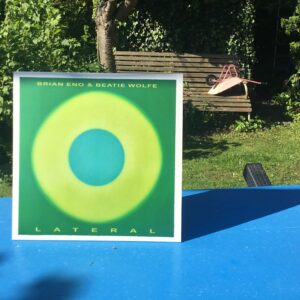
Parallel zu dem Songalbum „Luminal“ von Beatie Wolfe und Brian Eno erscheint am 6. Juni, als LP, CD, und DL, das Instrumentalalbum „Lateral“, mit der Komposition „Big Empty Country“: in der Vinyledituon heisst Seite A „Big Empty Country (Day), und Seite B „Big Empty Country (Night)“. Einmal mehr öffnet dieses Ambientwerk eine ganz eigene Atmosphäre, die zwar unverkennbar Enos Handschrift trägt, aber eben einen weiteren unerhörten Raum öffnet, insofern nur strukturell vergleichbar ist mit Grosskompositionen wie „Discreet Music“, „Thursday Afternoon“, „Lux“, oder „Reflection“. Der Titel „Big Empty Country“ ist mit Bedacht gewählt, und impliziert (mein ganz privater Höreindruck) sowohl das Unheimliche wie das Unberührte, das Pittorekse wie das Postapokalyptische. Der Klang der Gitarre, die hier und da ihre Spuren hinterlässt, ist pure Reminszenz ohne Nostalgie. Mehr wird nicht verraten. (m.e.)Once again, this ambient work opens up a completely unique atmosphere that bears Eno’s unmistakable signature, but opens up another unheard-of space that is only structurally comparable with major compositions such as “Discreet Music”, “Thursday Afternoon”, ‘Lux’ or “Reflection”. The title “Big Empty Country” was chosen with care, and implies (my very private impression) both the uncanny and the untouched, the pittoresque and the post-apocalyptic. The sound of the guitar, which leaves its mark here and there, is pure reminiscence without nostalgia. (m.e.)
What We Are
Written by Brian Eno and Beatie Wolfe
Backing Vocal: Brian Eno
Guitar: Brian Eno
Synths: Brian Eno
Keys: Brian Eno
Lead Vocal: Beatie Wolfe
Guitar: Beatie Wolfe
Synths: Beatie Wolfe
Keys: Beatie Wolfe
Backing Vocal: Melanie Pappenheim
Produced by Brian Eno & Beatie WolfeRe-viewed
(In English here)
Es ist ein eigenartiges Erlebnis, alte DVD-Boxen wiederzuentdecken: Rote Erde war 1983 ein Prestigeprojekt der ARD. Damals war ich von dieser Serie schwer begeistert. Gelingt ihr das auch noch heute, nach mehr als 40 Jahren?

Die Bergarbeiter-Saga aus dem Ruhrgebiet, wie sie im Untertitel hieß, besteht aus zwei Staffeln. Zeitlich umfasst die Staffel 1 (hergestellt 1983) den Zeitraum von 1887 bis 1919, Staffel 2 (hergestellt 1990) schließt direkt daran an, von 1920 bis zu den ersten Zechenschließungen 1949.
Ein genauer Spielort wird nie genannt, aber der Titel ist natürlich eindeutig. Die Serie ist irgendwo im Westfälischen anzusiedeln, zwischen Niederrhein und Weser. Dabei hat der Begriff „rote Erde“ weder mit Klassenkampf noch, wie man vielleicht vermuten könnte, mit blutgetränkten Schlachtfeldern zu tun, sondern leitet sich wohl von „gerodeter Erde“ ab. Dass man den Titel auch mit der Arbeiterbewegung des Ruhrgebietes in Verbindung bringen kann, liegt allerdings nahe und spielt in der Serie keine geringe Rolle.
Der Set war jedoch anderswo, nämlich auf dem Bavaria-Ateliergelände in München-Geiselgasteig. Dort hat man liebevoll eine Bergarbeitersiedlung nachgebaut — Häuser, Straßen, Wohnungen, Dachböden mit Taubenschlägen, und auch die Schachtanlage selbst, letztere zu ebener Erde. Damals fiel es mir nicht auf, heute beim zweiten Sehen scheint es mir aber doch, dass es immer dieselben drei Stollen sind, die man sieht. Die wurden allerdings mit Hilfe des Lichts und aller möglichen Kameraperspektiven ziemlich gekonnt ausgereizt.
Die erste Staffel lief damals konkurrenzfrei; es gab noch kein kommerzielles Fernsehen und keine Streamingdienste in Deutschland, Binge-Watching war noch kein Thema.

Rote Erde II folgte dann 1990, da musste die Serie bereits gegen etablierte Kommerzsender anfunken. Das merkte man nicht nur optisch, schon die Formate unterschieden sich: Während die erste Staffel in 9 x 60 Minuten präsentiert wurde, kam die zweite in vier spielfilmlangen Teilen. Die sieben Jahre zwischen den Drehdaten und die kommerzielle Konkurrenz machten sich bemerkbar; die Filmsprache der zweiten Staffel war knapper und schneller.
Aber auch das fällt auf: Geschrieben wurde das Ganze noch nicht von der Belegschaft eines „writer’s rooms“, sondern von dem versierten Hörspiel- und Drehbuchautor Peter Stripp (mit fachkundiger Beratung u.a. durch das Bochumer Bergbaumuseum), inszeniert hat die Rote Erde der TV- und Theaterregisseur Klaus Emmerich. Beide, Autor und Regisseur, waren damals schon länger im Geschäft. Nichts gegen die Idee des writer’s rooms, aber es ist ein Unterschied, ob (wie heute üblich) ein Headautor für die Produktion einer Serie etliche Storyliner einsetzt, die dann Dialoge etc. ausarbeiten (ich war selbst mal so einer), oder ob die Drehbücher von Anfang bis Ende in der Hand eines Autors liegen: Da merkt man deutlich dessen individuelle Handschrift. Für eine Serie wie diese scheint mir die dadurch gewährleistete stilistische Einheitlichkeit klar die bessere Lösung zu sein.
Es spielten prominente Namen: Ralf Richter, Dominic Raacke, Sunnyi Melles, Walter Renneisen, Klaus Wennemann, Jörg Hube, Klaus J. Behrendt, Dominique Horwitz, Nina Petri, der wunderbare alte Rudolf Schündler — das allein waren schon Empfehlungen. Und man sah eine interessante Neuentdeckung: Claude-Oliver Rudolph. Seltsam: Ich erinnerte noch, dass er mitspielte, hätte aber nicht mehr gewusst, dass er tatsächlich sogar die Hauptrolle spielte: den 17-jährigen polnischen Bauern Bruno Kruska. Von Werbern ins Ruhrgebiet gelockt will er auf der Zeche Siegfried anlegen, ohne eine Vorstellung davon zu haben, was das eigentlich heißt: Bergwerk. Bruno ist eine undurchschaubare Figur, aber er hat seine Grundsätze. Er lebt sich schnell ein, und ebenso schnell wird deutlich, dass er sich auch gegen Widerstand von niemandem vereinnahmen lassen will. Eine sehenswerte Kombination von Eigenschaften. Man lebt und altert vom Beginn der Serie bis zu seinem Tod in der zweiten Staffel mit Bruno mit; er ist Sympathieträger und gleichzeitig ein Typ, mit dem man sich nicht anlegen möchte. In einer bestimmten Situation lässt er sich sogar dazu hinreißen, aus einem Rachemotiv heraus einen Steiger in einen Blindschacht stürzen zu lassen, aus dem sich dieser nicht mehr befreien kann. Konsequenzen hat dieser Mord für Bruno nicht. — Der Regisseur Dieter Wedel besetzte Rudolph später mehrfach mit brandgefährlichen Schlägertypen, was einerseits authentisch wirkt, aber auch seine schauspielerische Bandbreite eingrenzt.
Und nicht nur mit Bruno Kruska geht es einem so: Man möchte die Protagonisten sympathisch finden, man folgt ihren oft krummen Lebenswegen und Schicksalen, und dennoch bleiben sie merkwürdig fern; man ist gespannt, was sie als nächstes tun, und doch: Man bleibt letztlich doch eher unbeteiligt.
Die Erzählweise der Serie würden wir heute als „horizontal“ bezeichnen, damals gab es diesen Begriff noch nicht. Die Folgen bauen aufeinander auf, ihre Reihenfolge ist zwingend. So verhindern die Kumpel etwa am Ende der ersten Staffel die Sprengung des Förderturms, indem sie das Werk besetzen und sich sogar den aufmarschierenden Soldaten entgegenstellen. Am Ende der zweiten Staffel, im Jahr 1949, wird er dann doch in die Luft gejagt: Sein Einsturz wird den Protagonisten geradezu wie die ungewisse Zukunft selbst vor die Füße geknallt.
Bemerkenswert ist auch der Dreh, die Nazizeit (an der die Serie natürlich nicht vorbeikommt) nicht als Abstraktum aufarbeiten zu wollen oder einfach nur die üblichen Flaggen wehen oder Naziuniformen durchs Bild laufen zu lassen. Stattdessen wird hier ein Ereignis unmittelbar an eine Person geknüpft: Brunos Sohn Max, der zunächst mit den Nazis sympathisiert, erlebt mit, wie ein wohl etwa 12-jähriger Junge ein Brot klaut, dabei von einem allen bekannten SS-Mann erwischt und vor versammelter Pütt-Belegschaft gehängt wird. Alle stehen da, alle sehen zu, auch Max. Etliche ballen die Fäuste, alle könnten eingreifen, keiner tut es. Dieses Erlebnis lässt Max nicht wieder los und bringt ihn am Ende zu einem Schuldeingeständnis, das ich hier nicht verraten will, das aber noch lange nachhallt.
Unterschiede zwischen damals und heute? Unser Sehverhalten hat sich verändert, und das hat Rückwirkungen auf die Filmgestaltung. Einiges, das mir damals, Anfang der 1980er, nicht mal aufgefallen ist, macht sich beim heutigen Wiederanschauen deutlich bemerkbar: Rote Erde hat erhebliche Längen, manche Szenen wurden endlos ausgewalzt, obwohl man längst begriffen hat, worum es geht. Geburten werden ebenso wie Vergewaltigungen in epischer Breite gezeigt. Viele Charaktere sind, wie schon erwähnt, arg holzschnittartig und müssen mit zwei Eigenschaften und ebensovielen Gesichtsausdrücken auskommen. Vor allem aber wird ständig gebrüllt. Das scheint eine Marotte deutscher Schauspieler und Regisseure seit je zu sein; schon Kurt Tucholsky in den 1920ern hat sich darüber amüsiert, dass deutsche Schauspieler ständig schreien. Auch in Rote Erde wird zu oft Hysterie als Stilprinzip eingesetzt, wird Aufgeregtheit mit Spannung verwechselt. Ebenso nervt es nach einer Weile, dass jeder Kneipenabend in einem sinnlosen Besäufnis mit anschließender Schlägerei endet. Natürlich sollen und müssen in einer Serie wie dieser das Elend der Arbeiter, die soziale Ungerechtigkeit, ihre erzwungene Bildungsferne, ihre meist elende Wohnsituation, die auf Befehl und Gehorsam beruhende Arbeitswelt gezeigt werden — aber muss man sie wirklich noch zusätzlich vergröbern, indem man die Farbgebung der gesamten Serie grau, bräunlich und trübsinnig gestaltet? Und weil das noch nicht reicht, muss es immer wieder in Strömen regnen.
Dass im übrigen die gesamte Serie ziemlich linksgedreht ist, wird schnell offensichtlich — typisch dafür ist die fast karikierende Darstellung des von Dominique Raacke gespielten Sozialdemokraten Karl Boetzkes — ein politisch im Wind schwankendes Fähnchen, keinem Kompromiss abgeneigt. Er wird von Autor und Regisseur bereits als Figur nicht ernstgenommen, während die Bergleute in ihrer politischen Ausrichtung stets ideologisch gefestigt zu sein scheinen. Es ist diese unhinterfragte Selbstverständlichkeit, die hier stört; heute würde man das nicht mehr so machen. Differenziertere Charaktere, wie etwa der Reviersteiger und spätere Stahlwerksbesitzer Rewandowski, sind selten, und auch er bleibt ein merkwürdig einseitiger Typ, der stets latent negativ dargestellt wird, obwohl er — wie sich bei einem Grubenbrand zeigt — sofort weiß, wo sein Platz ist: an der Spitze des ersten Rettungstrupps nämlich. Er ist kein angenehmer Typ, aber er bleibt seinen Überzeugungen treu, und als er merkt, dass seine Überzeugungen nicht mehr gefragt sind, zieht er die klassische Konsequenz. Auch der von den Arbeitern respektierte Kaplan (von Jörg Hube gespielt) wird irgendwann einfach versetzt und taucht dann nur noch einmal wieder kurz auf, ohne dass wir je den Grund für seine Versetzung erfahren. Da wäre mehr drin gewesen.
Über die historische Wahrheit all dieser Darstellungen kann man ohnehin streiten, Rote Erde ist keine Dokumentation und will auch keine sein. Die linke Perspektive der Serie jedenfalls galt damals als progressiv und war bei Produktionen des deutschen Buntfernsehens normal. Damals ist mir das nicht wirklich aufgefallen, heute schon. Wobei, damit das klar ist, gegen Parteinahme und Sympathie nichts einzuwenden ist, aber es wäre sicher auch ein wenig weniger aufdringlich gegangen.
Rote Erde war in gewisser Weise ein Vorläufer von Edgar Reitz‘ Meisterwerk, der Heimat-Trilogie, deren erste Staffel im Jahr 1984 ins Fernsehen kam.

Beide Projekte haben nicht voneinander abgekupfert; das konnten sie nicht, da sie zum Teil zeitgleich gedreht wurden. Der Vergleich beider Projekte (Heimat hat sich nicht als „Serie“ bezeichnet und ist auch keine) ist dennoch naheliegend und erhellend, denn er zeigt deutlich, wie unterschiedlich die Herangehensweisen waren. Während Stripp/Emmerich sehr auf ein „allgemeines Bild“ setzen, auf Atmosphären, die auf der gesamten Serie liegen (um nicht zu sagen: lasten), baut Reitz (der Regisseur und Drehbuchautor war) in seiner Heimat von Anfang an viel stärker auf die Charaktere. Längen gibt es auch in Heimat, aber Reitz hat einen anderen Blick als Emmerich. Und obwohl auch hier die Weltkriege und die Nazizeit nicht ausgelassen werden, gibt es kaum Klischees, keine „Typen“, fast alle Figuren sind individuell gedacht, haben ihren eigenen Kopf und eigene Lebensvorstellungen. Auch, wenn man diese nicht unbedingt immer teilt, entstehen doch Wege, Irrwege und sehr lebendige Beziehungen, mit denen man unmittelbar mitfühlt und mitlebt — ein Effekt, der in Rote Erde praktisch nicht zustandekommt.
Kein kommerzieller Sender würde Serien wie diese beiden je auch nur ins Auge gefasst haben, auch Netflix wohl nicht, obwohl dessen Serienangebot ja zeitweilig ein Ruf wie Donnerhall vorauseilte. (Heute wird man sagen dürfen, dass auch bei Netflix nur mit Wasser gekocht wurde, und inzwischen hat man schon manchmal das Gefühl, dass auch das mittlerweile bereits verdünnt wird.) In den 1980ern waren Projekte wie diese noch möglich. Aber schon die dritte Heimat-Staffel wurde von der ARD regelrecht verhunzt, weil die Verantwortlichen es wichtiger fanden, sie für das Programmschema passend zu machen, statt ihr den Raum zu geben, den sie braucht. So kam es zu dem Effekt, dass nur die DVD-Version die Intentionen des Regisseurs wiedergab, die TV-Ausstrahlung wurde zum Flop. Und das war leider irgendwie sehr typisch.

Zu guter Letzt: Was mich 1983 vor den Fernseher gelockt hat, in die Rote Erde hineinzuschauen, das war gar nicht der Film, sondern zunächst mal die Musik. Die nämlich war, so hatte ich gelesen, von Irmin Schmidt (den Lesern dieses Blogs muss ich sicher nicht erklären, wer das ist). Es war diese wunderbar melancholische Titelmusik, die mich sofort erwischt und zum Dranbleiben animiert hat. Sie hat nichts von ihrem Reiz eingebüßt.
Irmin Schmidt, behaupte ich mal, gehört zu den besten Filmkomponisten im deutschen Sprachraum; er arbeitete auch vor dieser Serie bereits an anderen Serien mit Klaus Emmerich zusammen. (Einen Kommentar von Emmerich findet man in dem Buch „All Gates Open — The Story of Can“ von Rob Young auf Seite 531.) Mit seiner Filmmusikarbeit hielt Schmidt nicht zuletzt auch seine Gruppe CAN über Wasser. An seiner Musik zu den Rote-Erde-Staffeln wirkten damals klingende Namen wie Michael Karoli, John Marshall, Max Lässer, Gerd Dudek, David Johnson und Manfred Schoof mit; es gab den Soundtrack damals, in der Prä-CD-Ära, als LP. Zum Glück habe ich die noch; der Score ist später weder als CD noch in den Streamingdiensten vollständig wiederveröffentlicht worden; lediglich Schmidts erste Filmmusik-Anthologie enthält ein paar Titel. Was sehr schade ist, denn einige der Musiken gehen auch ohne die dazugehörigen Bilder unter die Haut — etwa die „Trauermusik“ aus der ersten Staffel, oder „Es geht ein Schnitter“ aus der zweiten: Michael Karoli überlagert in letzterem ein sehr moll-lastiges E-Piano- und Geigenmotiv mit einer langen Gitarrenrückkopplung, die einem buchstäblich die Seele zerschneidet. Dabei gehört schon die Titelmusik zu jener Sorte von Musiken, mit denen man morgens aufwacht, ohne zu wissen, wo sie herkommt. Schmidt findet in seinen Musiken eine perfekte Balance zwischen dem zur fiktionalen Zeit des Films vorhandenen einfachen Instrumentarium und moderner heutiger Elektronik und Verfremdungseffekten. So wird die Musik glaubwürdig, ohne in falsche Volkstümlichkeit zu fallen.
Um die Eingangsfrage zu beantworten, ob es sich lohnt, sich die Serie heute noch anzuschauen: Ja, eindeutig ja, trotz aller Einwände und Relativierungen. Man muss übrigens die DVD-Boxen gar nicht kaufen — alle Rote-Erde-Folgen stehen hier auf Youtube.
Hans Ulrich Obrist: A Brief History of New Music

Hans Ulrich Obrist is a Swiss critic and curator, since 2026 at Serpentine Gallery, London. His first contact to the world of arts happened when he visited Swiss artists Fischli & Weiss at their studio when they were busy with their now famous video Der Lauf der Dinge. Later he met Gerhard Richter in his studio and traveled through Europe from interview to interview for around six years, in 1993 he started the arts association „museum in progress“. Since then there was probably no artist of relevance he didn’t talk to. Composers and musicians have always been part of it. He recorded nearly 2000 hours of interviews; he called this project „an endless conversation“.
This book, A Brief History of New Music from 2015, contains a sort of „best of“ from those interviews. Partitioned into sections „Avant-Garde Composers“, „The Birth of Electroacoustic Music“, „Minimalism & Fluxus“ and „Modern Masters“ there are 17 interviews, among them Karlheinz Stockhausen, Pierre Boulez, Iannis Xenakis, Robert Ashley, Pauline Oliveros, Terry Riley, Steve Reich, Yoko Ono, Brian Eno, Ralf Hütter and Caetano Veloso. Every single one of these interviews is carefully prepared; Obrist knows what the interviewees did, he knows about their background, and he knows what to ask them. But he also knows when it’s better to let them talk, which sometimes can lead to highly interesting statements nobody could have planned before.
Some of the interviews — especially the ones with Stockhausen and Reich — are extremely interesting and concentrated (I used a lot of the Stockhausen interview here), Brian Eno has some interesting things to say about songwriting, Steve Reich’s tape compositions and their influence on his own Music for Airports, some other interviews are a little bit so-so, sometimes — like with Arto Lindsey — one gets the impression that this guy is in a bad mood or not willing to talk much. Kraftwerk’s Ralf Hütter says exactly what he wants to say and not a syllable more, in the end he comes up for the umpteenth time with his fairytale of 168 weekly working hours at their studio. (But to be fair: What he’s talking about is in fact the phenomenon that a creative artist has always something going around in his head about projects, may it be in the foreground, may it be on the second track, but it never stops, it’s always there.) And as Obrist knows this phenomenon, his most-asked question is: „What project are you working on currently, and are there any projects you would like to do and couldn’t realize yet?“ The answers to this question are usually the most interesting ones.
Of course the interviews are edited, but anyways, reading „spoken word“ can sometimes be a bit stressful. But it’s worth the effort. My only complaint: The introductions to the interviews are printed in a nearly unreadable small face. As there is no lack of space, this is simply annoying.
Hans Ulrich Obrist:
A Brief History of New Music
JRP/Ringier Kunstverlag, Zürich 2015
ISBN 978-3-03764-190-3
Book in English language, 300 pages
