Brian Enos Songseminar – „Vorspiel mit offenen Karten“
VORSPIEL 1 – Hallo, liebe Leser, Freunde, Fremde, Unbekannte! Der Plan ist, zeitnah den Anfang des Seiminars zu begleiten am Ende des Webinars vielleicht sogar einen Song vorstellen (laugh out loud, it will be fun anyways!) Das Seminar wird von „school of songs“ in Amerika organisiert, und von sehr sympathischen Zeitgenossen initiiert und begleitet. Alles per Zoom und Vimeo. Wer will, kann immer noch dazukommen und den Anfang nachholen. Selbst wer nur meinen „Echos“ folgt, wird zumindest die eine oder andere musiknahe oder musikferne Anregung erhalten. Wobei ich mich entschlossen habe, nur die erste „lecture“, und die erste „Q & A“-Session hier auf dem Blog zu begleiten, und was den Rest angeht. I will have to participate and surrender from lecture two onwards.
VORSPIEL 2 -Die Vorlesungen kann man sich beliebig oft neu anschauen. Alle, die für ca. 160 Bucks ihre Teilnahmegebühr bezahlt haben (oder, wie ich, als „special guest“ kostenlos dabei sind) werden über Übungen, Vorträge, „Frage-und-Antwort-Sessions“ unterhalb der Woche zu kreativen Strategien von „songwriting“ ermuntert. Brian ist der Merlin unter den Storytellern der „Popkultur“ , und als jemand, der mit seinem Denken und Methoden sehr vertraut ist, bekomme ich nichtsdestotrotz bei jeder seiner „lectures“ neue Sichtweisen und Geschichten (und KONTEXTE) serviert. Das ist eine grosse Freude, und auch ein „Ding“ für alle Musikliebhaber und „Alltagskreativitätsforscher“, „a sophisticated school of thinking sideways“. Es lohnt sich, auch wenn man gar keine Lieder schreiben will.
VORSPIEL 3 – Als Einstimmung sollte jeder Interessierte ein paar Tage im blog diary „zurückblättern“ und zwei Texte gut durchlesen. Sozusagen als eine von zwei „homeworks“: „Songwriting with Brian Eno“ (1. 1. 2025), und „Creating a song in a lucid dream“ (2.1.2025). In dieser Woche gibt es dann „das erste Echo“ meinerseits, mit dem Untertitel „Spiel mit verdeckten Karten“. Wer sich auf den Hintersinn dieses „Kartenspiels“ vorbereiten will (zweite Hausaufgabe), der sollte sich den Song „Moss Garden“ aus David Bowies Album „Heroes“ gut anhören. Im übrigen werden diese „Echos“ aus vielen kleinen Echos bestehen, kurzen Einschüben, Sprüchen, Memos, Fragmenten. Es wird für manche eher verwirrend sein als hohe Erwartungen erfüllen. Aber sei‘s drum.
Michael‘s 25 Faves 2025
EINS Steve Tibbetts: Close
Close is like a dark Rothko painting on fire.
The love of life, the losses.
Honestly, this album breaks my heart.ZWEI Brian Eno & Beatie Wolfe: Liminal (The voice, close-miked, has an unexpected range of intimacies to offer, but is not really reliable, coming along like an uncanny entity, ghost-like, a figure from a dream, a meditation on human fragility, a delicate splash of colour. What a seamless balance between the moments on the brink, and the almost warm-hearted adventures with „oceanic“ vibes in between! Exit strategies for sheer amazement are hard to find on this visionary, wild and strangely relaxed ride!)
DREI Anouar Brahem: After The Last Sky („The album’s title is drawn from a question the Palestinian poet Mahmoud Darwish posed in one of his poems: ‘Where should we go after the last frontiers? Where should the birds fly after the last sky?’ This thought resonates deeply as I listen to this album’s often mournful soul-searching….“ (Michael Gates)

VIER Ambrose Akinmusire: Honey From A Winter Stone („These pieces achieve the kind of rhapsodic intensity that Miles Davis did on Sketches of Spain, feeling almost like something that has always been, field recordings of an older world that has existed just outside of view.“ – Dieses Album braucht Zeit. Geduld. Offenheit. Aber dann!)
FÜNF Brian Eno & Beatie Wolfe: Luminal (Das Gewicht der Welt, tief und schwebend, Lajla spielte es on high rotation auf Gomerrha.)
SECHS Bill Callahan My Days of 58 (When Bill started, it sounded for him like a new Merle Haggard album. Then he changed that. And it became another excellent Bill Callahan album. The privilege of a music journalist, to listen, from time to time, to timeless music from the future.)

SIEBEN Roger Eno: Without Wind, Without Air (The „Elderly Brothers“ on a late career high. Beunruhigende Ruhe, immenser Reichtum, Erschütterungen im melodischem Terrain, anders als Jan R. mag ich auch den einen Song, in dem Roger leicht verwittert in die Nacht hineinsingt. Eines seiner schönsten Alben… passt schon mit der Deutschen Grammofon Gesellschaft… das Stück „Massacre Of The Innocents, Pt. 1“ gedenkt der abertausenden Opfer der israelischen Kriegsverbrecher.)
ACHT Steve Gunn: Daylight Daylight (Song- und Soundgewebe der besonderen Art: in dieser Abmischung üben die Worte keinerlei Dominanz aus und zerfliessen im Raum. Aber hinhören darf man trotzdem: „Bevor der Film dir erklärt, was er bedeutet, ist die Geschichte völlig falsch und wird es vielleicht auch immer bleiben“, singt Steve G. an einer Stelle und weist damit diskret auf die Sinnlosigkeit hin, nach Anzeichen für einen großen Plan zu suchen, wenn doch die unmittelbare Gegenwart alles ist, was wir haben.)
NEUN Hilary Woods: Night Criû (Eimal taucht, aus dem Nichts, ein Kinderchor auf und singt zu einem schrägen, asynchronen Uhrwerk-Rhythmus. Es ist die Gegenüberstellung von Präzision und Zerfall, die dem Album seinen wahren Charme verleiht. Dream-Pop der besonderen Art. Thanks to Leah Kardos, and her brilliant portrait of Hilary in the January 2026 edition of „Wire“, I discovered this album five days ago.)
ZEHN Rich Dawson: End Of The Middle („Musikalisch ist End Of The Middle zurückgenommen, in seiner Sparsamkeit vom frühen Neil Young inspiriert, mit markanten Free-Jazz-Holzbläsern, die Dawsons romanhafte Erzählungen beleuchten.)

ELF Jon Balke: Skrifum (Let’s call this, like that underrated gem of Leonard Cohen, another „new skin for the old ceremony“. Jon Balke’s fourth solo piano album on ECM is a strangely organic affair, no matter how much science from the laboratory may be involved. Dear reader, imagine a long afternoon while listening to Skrifum and those other two magic piano solo hours, one after the other: Keith Jarrett‘s Vienna, and Amanda Claudine Myers‘ Solace Of The Mind.
ZWÖLF Alabaster DePlume: A Blade Because A Blade Is Whole (Der intime, bekenntnishafte Gesang von DePlume (ein Hauch von Donovan) und das vibrierende Saxofonspiel vermitteln alles von niedergeschlagener Zerbrechlichkeit bis zu entschlossener Stärke.)
DREIZEHN SML: How You Been (wie man diese Musik nennt oder in Worte fasst, wäre eine schöne Übung für einen „poetry workshop“. „Neo-maximalist-hypno-jazz“, for example. Seriously, it‘s a burner in my ears.)
VIERZEHN Jan Bang & Arve Henriksen: After The Wildfire (another deep cycle of modern day lamentations… listen to a piece from this work from our usual Norwegian suspects, as part of my recent „Klanghorizonte“ radio hour HERE!!!)
FÜNFZEHN Lucrecia Dalt: A Danger To Ourselves (Fear of music? Just asking. The noir album of the year. A study of passion, desire, love, lust, deep as deep can go. Highly adventurous! Dayid Sylvian is on board, too. You wouldn‘t normally associate Sylvian‘s „spiritual vibes“ with an artist with a knack for hard core horror movies.)
SECHZEHN Jeff Tweedy: Twilight Override (I was in for this ride, i was floating through the lyrics as my starting point, before listening, and then I did the gooseskin trip.)

SIEBZEHN Nate Mercerau / Josh Johnson / Carlos Niño: Openness Trio (well, it is a fantastic mix of sound searching Nordic spheres, music for meditation – and melodic free jazz)
ACHTZEHN Jeremiah Chiu & Marta Sofia Honer: Different Rooms (blog diary: I sat down in my electric cave with a small pile of new experimental music, and that afternoon I fell in love with „Different Rooms“. At first I was sceptical about the spherical and synthetic (Klingklang is what I call sounds that just dance pretty on the surface), but it didn’t take long for one „wow!“ after the other. Wondrous music. Safe Journey.)
NEUNZEHN The Necks: Disquiet (the trance work never stops. Einmal mehr herausragend. Und das gleich im Dreierpack! Seit 2003 spielte ich in den „Klanghorizonten“ jedes ihrer Alben, und dem Pianisten verdanke ich die Bekanntschaft mit dem Impulse-Album „Live At The East“ von Pharoah Sanders.)
ZWANZIG Cyrille – Frisell – Downes: Breaking The Shell (Red Hook Magic – ein eigenwilliger Produzent erkundet etliche Kirchenschiffe, bis er – endlich – den passenden Raumsound gefunden hat. Den Rest besorgen drei Magier. Ein Schelm, wer hier die Doors raushört!)
EINUNDZWANZIG Mulatu Astatke plays Mulatu Astatke (Wer irgendwann der Serie „Ethiopiques“ begegnet ist, findet hier alles andere als einen nostalgischen Abklatsch. Packt mich vom ersten bis zum letzten Ton. Richard Williams hatte das Glück, die Band live zu erleben und erzäht auf The Blue Moment davon.)
ZWEIUNDZWANZIG The Mountain Goats: Through This Fire Across From Peter Balkan (Vorsicht, Musical, Wenngleich ein dunkles! Wenn einer diesen Dreh hinkriegt zwischen Post-Existenzialismus und Broadway, dann der Herr der Bergziegen!)
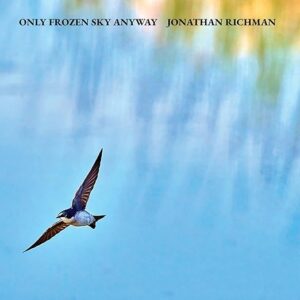
DREIUNDZWANZIG Jonathan Richman: Only Frozen Sky Anyway (Auszug aus dem Blog-Tagebuch, Spätsommer: „Manche halten ihn für einen Scharlatan, das ist auch schon Don Cherry passiert. Ich habe Jonathan Richman immer gemocht, aber seltsamerweise erst seit einigen Jahren intensiver gehört – sein neues Album spricht mir mit Liedern über den Tod, mit Witz und Wehmut, aus der Seele. Fehlt nur noch die Harfe von Harpo Marx. Ein Taking Head ist auch dabei.)
VIERUNDZWANZIG Benedicte Maurseth: Mirra ( „Fans of Robert Wyatt‘s Rock Bottom [one of the most heartbreakingly beautiful albums from the last 100 years; m.e.], mid-70s Bert Jansch [I saw Bert Bert Jansch solo in the summer of 1975 in the „Omnibus“, Würzburg; m.e.] and Popol Vuh‘s Aguirre soundtrack will get the idea. A thing of wild beauty.“ ((quote from a Mojo review that put a big smile on my face).
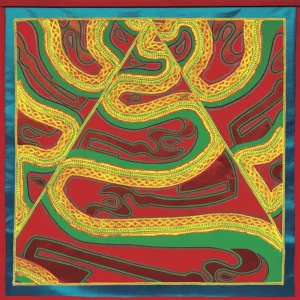
FÜNFUNDZWANZIG Natural Information Society: Perseverance Flow (siehe Coverabbildung in der Tradition von Moki Cherry) – (das drittbeste Album von Joshua Abrahms‘ NIS – hat mich gerade rechtzeitig vor Nikolaus erreicht, um noch auf meine Liste zu springen!(Pitchfork vergibt 8.0, ich 8.2.) Und bevor jemand nachfragt: die beiden Meilensteineder Truppe sind die beiden davor: „Since Time Is Gravity“ (9.1 meine Wertung), sowie, mit Evan Parker, live in London, „Descension – Out Of Out Constrictions“ (da sage ich 8.8, fantastischer Sound, by the way, alle drei!)
Buried Treasure (in memory of Zakir Hussain)
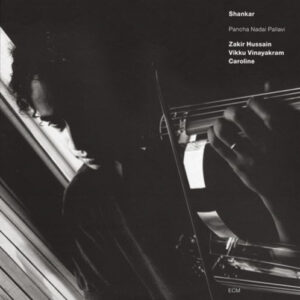
Bevor wir selber abtreten, treten unsere musikalischen Wegbegleiter von der Bühne. Die, die etwas oder viel älter waren als wir, oder auch um manches jünger, und manche von ihnen statten unseren living rooms über Jahrzehnte immer wieder Besuche ab, zu Tages- und Nachtzeiten. An was erinner ich mich, wenn ich an Zakir Hussain und sein Tablaspiel denke? Natürlich an die Alben, die für mich eine besondere Wucht entwickeln, wenn ich ihnen lausche. im Falle von Zakir Hussain googele ich nicht rum, da waren: Making Music, das Album mit John McLaughlin, Jan Garbarek, und Hariprasad Chaurasia! Who‘s To Know, das L Shankar Album, auf dem ein unbeschreiblicher Sog zwei klassische Ragas befeuert. Dann diese Platte mit Jan Garbarek, auf der ein drum computer manche Jazzkonservativen entsetzte. Und nicht zuletzt dieses Album da, dessen Coverbild ihr oben seht. Unvergessen. Mir kam es auf einem Umzug abhanden, leider. Zakirs Spiel war stets von frappierender Natürlichkeit. Showtime war ihm ein Fremdwort. (m.e.)Ein Ex-Walkabout kehrt zurück
„That is exactly how I work. I was explaining to someone the other day that it’s like catching a wind and riding it until it runs out and eventually you find yourself dropped back to the ground. While I am inside that process, more and more I have learned to trust first ideas – the stuff that arrives raw and unfiltered. Big chunks of these songs were written while playing the guitar and singing what first came into my head. Finishing them is another thing altogether but that original burst is crucial. It keeps overthinking at a comfortable distance.“ (Chris Eckman, Uncut, 2/2025)

Die Liste meiner Highlights der Neunziger wäre nicht komplett ohne ein Album mit der Hausband von Chris und Carla. Dieses fabelhafte Album eines „alten Bekannten“ ist eine rechtzeitige Erinnerung daran, dass Chris Eckman mindestens seit den frühen 90er Jahren manchmal spektakulär einzigartige Musik macht, als The Walkabouts, die 1984 von Eckman und der Sängerin Carla Torgerson gegründet wurden, bekanntlich die erste Nicht-Grunge-Band waren, die bei Sub Pop unterschrieb und von mir immer gerne nachts in den Klanghorizonte gespielt wurde. Ich interviewte das Duo, aber öfter traf ich Chris allein, ein unglaublich angenehmer Zeitgenosse, mit dem ich über Jahre ein Ritual teilte: wir verschenkten über Weihnachten die aufregendste CD der 90er Jahre, Laughing Stock, von Talk Talk, an unsere Freunde. Einmal gelang es mir, als mich meine amou fou jenes Jahrzehnts verlassen wollte, mit dem berühmtesten heartbreaker song der Walkabouts, ihr Herz vorübergehend zu erreichen und ihren Körper noch vorübergehender zurückzugewinnen. Sie liebte Nils Petter Molvaers Khmer, Laurie Anderson – und die Walkabouts. Aber zurück zu dem Label SubPop. Das Label war ansonsten überschwemmt mit Bands von unglaublich behaarten jungen Männern in kurzen Hosen, die alle wütend, frustriert und leicht verärgert klangen. Es gab viel gequältes Gejammer zu lauten, wulstigen Gitarren, viel monumentales Riffing. Verglichen mit den schweren musikalischen Fußabdrücken, die Grunge-Superstars wie Pearl Jam, Nirvana und Soundgarden hinterließen, schritten The Walkabouts auf ihrem Debütalbum Scavenger von 1990 leichter durch eine Musiklandschaft, die sie sich zunehmend zu eigen machten und die neben Punk auch Aspekte des Folk-Rock, Country und Blues enthielt. Man ahnte, dass sie im Studio mit Cowboy Jack Clement oder David Briggs glücklicher sein würden als mit Butch Vig oder Steve Albini, dass sie eher Kris Kristoffersen, Townes Van Zandt und Neil Young als Einflüsse anführen würden als Black Flag oder Black Sabbath. Unvergesslich meine Unterhaltungen über Musik im Kölner Chelsea zu dezenten Milchkaffeeorgien. Auf Chris Eckmans Solopfaden (er lebt mittlerweile in Slowenien) wurde es mit der Zeit immer ruhiger und intensiver, gut zu hören auf DIESEM Song seines im Februar rauskommenden Albums. Es erschein natürlich auf Glitterhouse, seinem Hauslabel, wo es stets was zu entdecken gibt, etwa auf dem Sublabel „glitter:beat“. (Alan Jones hat einen sehr lange Besprechung der LP / CD in der Februarausgabe von Uncut. „Former Walkabouts leader digs deep to create a career high delving into loss, forgiveness and rebuilding a life from ruin.“ So seine Unterzeilen zu Uncut‘s „album of the month“. Ich habe seine Eröffnung mit einigen Assoziationen und Erinnerungen meinerseits abgemischt.)
Creating a song in a lucid dream
It happened in Berlin, years and years ago. 2017, I think. It was one of my most thrilling lucid dreams ever. Because of its final minutes in which i heard a brand new Brian Eno song, sung by Brian himself. Vintage Eno. This is no sci-fi story. If you do your little exercises, you can learn to realize during a dream that you are dreaming. You have to be highly motivated, too, then it will happen, sooner or later. It is a creative tool with a broad field of possibilities. It is NOT dangerous. It is NOT a drug-related experience. It is a gift of the creative mind, the unconscious. I learned all this in 1982 when reading a book by Prof. Paul Tholey. He was the pionieer of lucid dreaming in Germany. I met this handsome guy some years later when I led a lucid dream group.
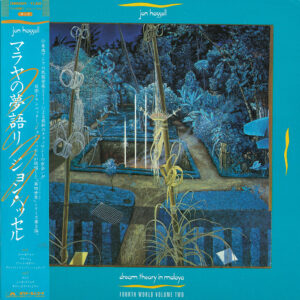
This is for Brian Eno‘s webinar on songs. Or just for the back of his mind. I never told him about this before. But he will very well remember we once sat in park near his London house quite early in the 90‘s („The Shutov Assembly“ was slowly growing), and I told him about the scientific research on lucid dreaming. The basics. His old friend Jon Hassell once opened a gate to this territory on his fantastic album „Dream Theory in Malaya“. Jon wrote some lines about special dream rituals of the Senoi, an old tribe. Lucid dreaming goes back, too, to ancient yoga traditions in which you can learn to go directly into the lucid dream state in the minutes you start sleeping. The scientific research began, no wonder, in Palo Alto, California, in the „wild 60‘s.“ Times of endless curiosity, that pervaded and inspired science, music, everything.
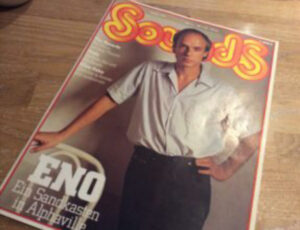
What happened on the day before this dream? I was at a concert of The Flaming Lips. I was in a second hand record store, too, and found an old copy from the German music magazine SOUNDS. With Brian Eno on the cover. I knew it from my days in Würzburg studying psychology and bought it with a nice rush of nostalgia. I remembered vividly on that day what he had told Lester Bangs. That, before the release of his song album „Bedore And After Science“, he had fragmented ideas for many, many songs. 80? 100? Keep that in mind, dear reader! And, by the way, I am not a musician at all and playing no instrument.The minutes before, I still felt my body in bed, then I was in the dream world. Conscious mind, sleeping brain. I was floating from the physical to the mental world. Old yoga style. I opened a door, closed my eyes and gave myself the impulse to float through the large glass window. The room looked like my living room. But I knew it was a simulation. I kept my eyes closed and wished I was flying into a warm summer’s day. I stretched my arms wide and rose into the air at a leisurely pace. When I opened my eyes, I was surprised because it felt like 22 degrees, but it was deep night on the edge of a forest.
I only flew for a short while, then I saw a suburban housing estate, which in retrospect reminded me of Weissdornweg in Dortmund, where I lived between the ages of five and ten. In my dream, I saw two or three lions (!) making their way towards me. I said to them: ‘Relax, lads. I’m on a peaceful mission.’ The lions slowed down and crouched down. (This part of the lucid dream, with the lions, is directly connected with the Senoi dream practice Jon Hassell once spoke about).
I entered a large house where a lot of young people were obviously gathered for a party. My dream self must have been around 18 and I thought it was time for an erotic adventure. So I called out to the crowd: ‘Where’s my old school sweetheart?’ Suddenly everyone present shouted in chorus: ‘Where’s my old school sweetheart? Where’s my old school sweetheart?’ The black-haired girl next to a music system was probably looking in my direction (I could only guess at her eyes because her fringes covered most of it), I went up to her and asked if I could kiss her. I could finally see her eyes, although they seemed a little asymmetrical. We hugged and kissed and I felt the beautiful beginning of a beautiful sensation.
I was absolutely delighted to realise that I was in a dream, held the girl’s hand and called out to the crowd: ‘There’s no music playing, I’d like to hear a new song by Brian Eno.’ I repeated the request inwardly to emphasise it, and suddenly Brian’s voice came out of the sound system, not particularly loud, but easy to hear. It was a melodic song with a gentle polyrhythm, stylistically from the Before and After Science period. An absolute feeling of happiness rushed through me, and I concentrated so much on the song that I forgot about my ‘old school sweetheart’, who didn’t look anything like my old school sweetheart, and concentrated fully on the music.
In the lucid dream, the critical consciousness is in full swing, and so I, the music journalist, was able to realise that the song is fantastic, that it is not a cover version of any other song, but ‘vintage Eno’ – except that Brian never recorded or composed this song. Maybe the song lasted three, four minutes. I was absolutely stunned. One of my favourite singers singing a new song in my lucid dream state! Afterwards, I had the feeling of being pulled back into my sleeping body. I really wanted to stay in the dream, but then, slowly, I woke up, the adventure was over. What a joy! And what a great song! It actually sounded, in regards to instrumental textures and the young voice, like a song from the era of „Before and After Science“! Imagine, we could record our dreams: how would royalties and copyrights have to be shared in this case?
Songwriting with Brian Eno
We are pleased to announce that Brian Eno will be leading School of Song’s January 2025 songwriting workshop for musicians, fans, and music lovers alike. A selection of topics we’ll cover:
- The Role of Surrender: Many of life’s peak experiences come in moments of surrender. We’ll explore surrender as a larger life practice to cultivate a more present, curious, and playful state of consciousness that is conducive to writing songs.
- Avant Gardening: What happens when we allow ourselves to experiment at the furthest reaches of our imagination? We’ll discuss how making time for discovery separate from our songwriting practice can yield a rich harvest.
- Creating a Compelling Sonic World: Male bowerbirds spend the majority of the day creating elaborate and beautiful nests, all with the singular hope that a female might feel compelled to fly through. In music, we can build a sonic ‘nest’ to capture ourselves and compel us to sing over it.
- Oblique Strategies: Creativity loves limitations. We’ll use constraints and games that put ourselves in unfamiliar situations that, in turn, stimulate our creative minds to seek new and radical solutions.
- Should Music Still Be Called Music: In an age of samplers, recording studios, and keeping up with the continual development of technology, is music still the same art form or is it something completely new?
Jellyfish
I am a jellyfish heading towards the sun
In the deepest clear ocean never to reach the surface
full motion
I am the pheasant's awareness
earthworm
breathing steered
I am your unlocked parts
our energy
Flying over
„Your breath is sweet, your eyes are like two jewels in the sky
Your back is straight, your hair is smooth on the pillow where you lie
But I don’t sense affection, no gratitude or love
Your loyalty is not to me but to the stars above“(Bob Dylan, One More Cup Of Coffee)
1998. Early morning hours. I’m walking on the pavement of Sachsenwaldstrasse in Dortmund in deep darkness and pouring rain. I suddenly realise that I’m dreaming. (Maybe I’ve done the reality check). I say to myself: ‘Right, I want to shoot through the clouds like a rocket and see blue sky.’ A bit unreal in reality, but that’s exactly what happens. I shoot through the rain at immense speed, through dark clouds, fully conscious, until the sky turns bright and blue in fast motion. A thrilling experience.I retain consciousness and make the announcement in a clear voice that I now want to fly over the Atlantic Ocean. Towards the east coast of the USA. Soon the sea is beneath me. It’s a little chilly and I wish the airflow would be warmer. It gets warmer, thanks!
I glide for about twenty minutes, fully aware that I am dreaming, about 300 metres above sea level. The sea is calm. In a lucid dream, there is hardly any time distortion because you are ‘present’ with full lucidity.
Suddenly I see the skyline of a large city on the east coast of the USA. I think about what I want to do and decide to fly into an open window of a tower block. Adventure! I slow down, discover a window and, to my surprise, end up in a negotiating session in which Central American countries are discussing coffee trade there is a mix of Spanish, American Engkish and African (?) sounding languges i cannot identify. How should I? I say to myself, this is absolutely crazy, laugh, and unfortunately I lose my conscious mind in the dream state…
Now this was an example of a lucid dream that clearly sticks to adventure and surprise! A few days ago I described a lucid dream from 2017 that surprised me in the final section with a never before heard Brian Eno song sung by Eno. HERE.
Now, again, this is no weird sci-fi story. In 2021 I was invited in Utrecht to „a lucid dream group“ for a teaching lesson (how to get a lucid dream within two weeks!), and quite at the end I was asked again and again about that „Eno song“ in the lucid dream state. Within the next weeks of Eno’s song webinar I will post the Q&A-part of the Utrecht session. For anyone who is interested.
Just imagne what a trained musician could do within a lucid dream state with a new song he wishes to come from a cd -player?! This is the territory of scientifically based dream research and no esoteric mind game stuff of people reviving their Acid memories! By the way, the Dylan quote is a little joke towards that coffee trade session in an American high rise. The photo above was taken in the days of meeting Eno and Hyde in 2014, in a coffee shop in Soho, Wardour Street. I divert. No other Bob Dylan album like this one („Desire“) ever had a more emotional and sustaning impact in my life.
Richard Dawsons „Endspiele“
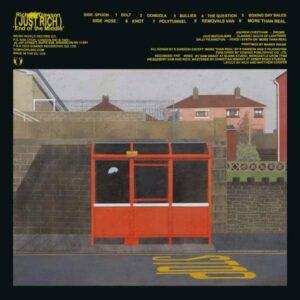
„Nach The Ruby Cord, einem 80-Minuten-Album, das in einer halluzinatorischen VR-Zukunft spielt, konzentriert sich Richard Dawson hier auf kleinere Dinge: nämlich auf das alltägliche Trauma von Familien am unteren Ende der Mittelschicht. Dennoch ist sein Songwriting so kraftvoll und bewegend wie eh und je, mit all den düster-komischen Anklängen, für die er bekannt ist. Auch musikalisch ist End Of The Middle zurückgenommen, in seiner Sparsamkeit vom frühen Neil Young inspiriert, mit markanten Free-Jazz-Holzbläsern, die Dawsons romanhafte Erzählungen beleuchten. „Gondola“, ‚Bullies‘ und ‚Removals Van‘ deuten ganze Welten an, bevor ‚More Than Real‘ in tränenreichem Technicolor schließt.“
So die kleine Besprechung von Tom Pinnock in der Februarausgabe von UNCUT. Einige von uns kennen diesen Song-Exzentriker seit Jahren, jetzt legt er einen Songzyklus vor, der in anderer Weise als Wim Wenders‘ „Perfect Days“ von dem japanischen Regisseur Ozu inspiriert ist. Ich wittere hier auch mehr als einen „touch of Beckett“ und erinnere mich, wie wir bei unserm Englischlehrer einst Becketts „Endspiel“ lasen und interpretierten!
Ich habe das Album bereits hören können – ein Songvideo („Polytunnel“) habe ich in meinem „Echo“ auf Enos Songseminar verlinkt. Dass die lyrics kleine Welten kreieren, in einer dem „normalen Alltag“ entnommenen Sprache, die durch ihre Kombination mit überraschenden Wendungen eine besondere Kraft entfaltet, ist ein wirklich gekungener Kunstgriff von „songwriting“. In comment 1 die lyrics des Liedes „Gondola“. Dieses Lied, in dem eine frei flottierendes Klarinette wundersam herumgeistert, endet mit folgender Strophe – und einer etwas anderen Venedig-Impression!
Meine Träume starben wie Delphine in einem Netz.
Ich konnte nie nach Venedig fahren
und wie viele Sommer habe ich noch vor mir?
Ich kann immer noch nicht glauben, dass ich eine Oma bin.
Jen hat gerade ihre Fahrprüfung bestanden.
Ich werde ein paar tausend Pfund
in ein Auto investieren
und mit ihr in den Urlaub fahren –
„making memories“, bevor es zu spät ist.
Da sind wir nun, unter der Rialto-Brücke,
zusammengekauert in einer Gondel.Ich möchte HIER noch einen weiteren Song aus „End Of The Middle“ vorstellen. Am besten nicht einfach kurz reinhören, und schnell entscheiden, sondern vielleicht erst mal die lyrics im Vorfeld lesen (das Original, und eine rasche Deepl Übersetzung folgt in Kürze in Comment 2), und dann den Song in Ruhe aufnehmen. Richard Dawson gehört zu den interessantesten „Leftfield“-Songschreibern Englands, ein sympathischer Coldplayfan wird rasch die Flucht ergreifen, und auch mit der Stimme müssen sich (man muss natürlich gar nichts) manche ggf. erstmal anfreunden. Dann aber könnte – ich sage „könnte“ Dauerhaftes entstehen.
Es ist schon toll, was Domino seit Jahr und Tag publiziert (zuletzt das editorische Mammutmeisterstück „G stands for Go-Betweens, Vol. 3“, ein Boxset, der schneller ausverkauft als besprochen wurde), auch Robert Wyatt (in manchem ein Seelenverwandter von Robert Wyatt) hatte da in seiner letzten Schaffensphase eine Hafen gefunden. Und von wem stammte das Album des Jahres 2024 in den Ohren von drei, vier Flowworkern?! Bingo! Und sonst, anno 24: John Cale, Julia Holter, Jon Hopkins, Hayden Thorpe, Bonny Prince Billie (bald eine neue Scheibe) und und und…. Nochmal zurück zu Richard Dawson am 14. Februar erscheinendem Album, das auch eine Brücke schlägt zu Michael Leighs Filmen, zu den alten Erzählungen von Alan Sillitoe – wer erinnert sich noch (auch eine Verfilmung gab es) an „The Lonliness of The Long-Distance Runner“. In den Worten von Richard: . “It zooms in quite close-up to try and explore a typical middle class English family home,” Dawson said in a statement. “We’re listening to the stories of people from three or four generations of perhaps the same family. But really, it’s about how we break certain cycles. I think the family is a useful metaphor to examine how things are passed on generationally.”Fisch auf Kartoffelbett (splendido!)
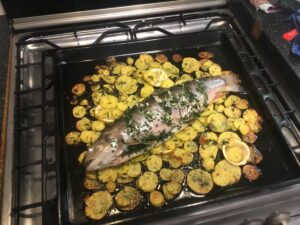
Es folgen hier noch einige Ergänzungen zum Rezept, das im comment 1 noch einmal nachzulesen ist. Die Musik hinterher im Wohnzimmer – zu Speis und Trank – „Dinner Music“ von Carla Bley, ein sehr gutes Album, bei dem man stets Hintergrund- und Hinhören changieren kann. Ambient Jazz vom Feinsten! Und der Extraklasse eines so köstlichen und so nie zu bereiteten Fischgerichts angemessen. Die Wahl fiel auf einem frischen Saibling von besten Fischhändler der Stadt.- Kartoffelscheiben lassen sich gut von Hand mit der Petersilie-Knoblauch-Mischung vermengen, bevor man sie auf dem Backblech (ohne Backpapier) ausbreitet (drei vier dünne Zitronenscheiben reichen locker)
- Den Fisch mit Haut salzen, natürlich von unten, wo er ausgenommen wurde vom Händler und an den parallelen Einschnitten.
- Ich kann mich nicht erinnern, je einen wohlschmeckenderen Fisch gegessen zu haben, der zugleich ungemein saftig ist.
- Wer eine Triggerwarnung braucht bei der Vorstellung, einen ganzen Fisch mit Augen und Schwanz serviert zu bekommen, nun, man kann es natürlich auch mit Filets machen (aber ob es dann soooo saftig wird, ist zu klären)
- Der Saibling (370 Gramm, mit Kopf) und das Drum und Dran reicht (gerade so) für zwei Personen, man kann gut einen zweiten Saibling aufs Kartofellbett legen!