Artistic development emerging/unfolding in vivid scenes
„In 1975, an iconic moment unfolded in the vibrant cultural tapestry of Greenwich Village, capturing the convergence of two legendary figures in music and poetry: Bob Dylan and Patti Smith. The photograph taken by Ken Regan in a stairwell during a party at Allen Ginsberg’s loft encapsulates the energy of an era defined by artistic rebellion and innovation. Dylan, with his enigmatic presence, had an undeniable impact on those around him, and his entrance into the room sparked a sense of empowerment in Smith. As she recalls in her memoir ‚Just Kids,‘ the knowledge of Dylan’s presence filled her with a sense of worth and connection, reinforcing her own identity as an artist alongside her band. This night was not just a casual gathering; it was a celebration of creative kinship that embodied the spirit of the times.“
„The meeting between Patti Smith and Bob Dylan at the Bitter End marked a significant milestone in her burgeoning career. Dylan, known for his elusive nature, rarely attended shows, making his presence a rare honor for Smith and her band. This encounter was pivotal, as she noted, ‚It was sort of a big deal, because Bob Dylan didn’t really go to see anyone.‘ Their subsequent walks and conversations allowed Smith to relate to Dylan on a deeper level. She recognised a shared artistic vision and a melding of poetry with performance that both artists embodied. This connection not only inspired Smith but also laid the groundwork for her own evolution as a musician and poet, affirming the power of collaboration within the artistic community.“
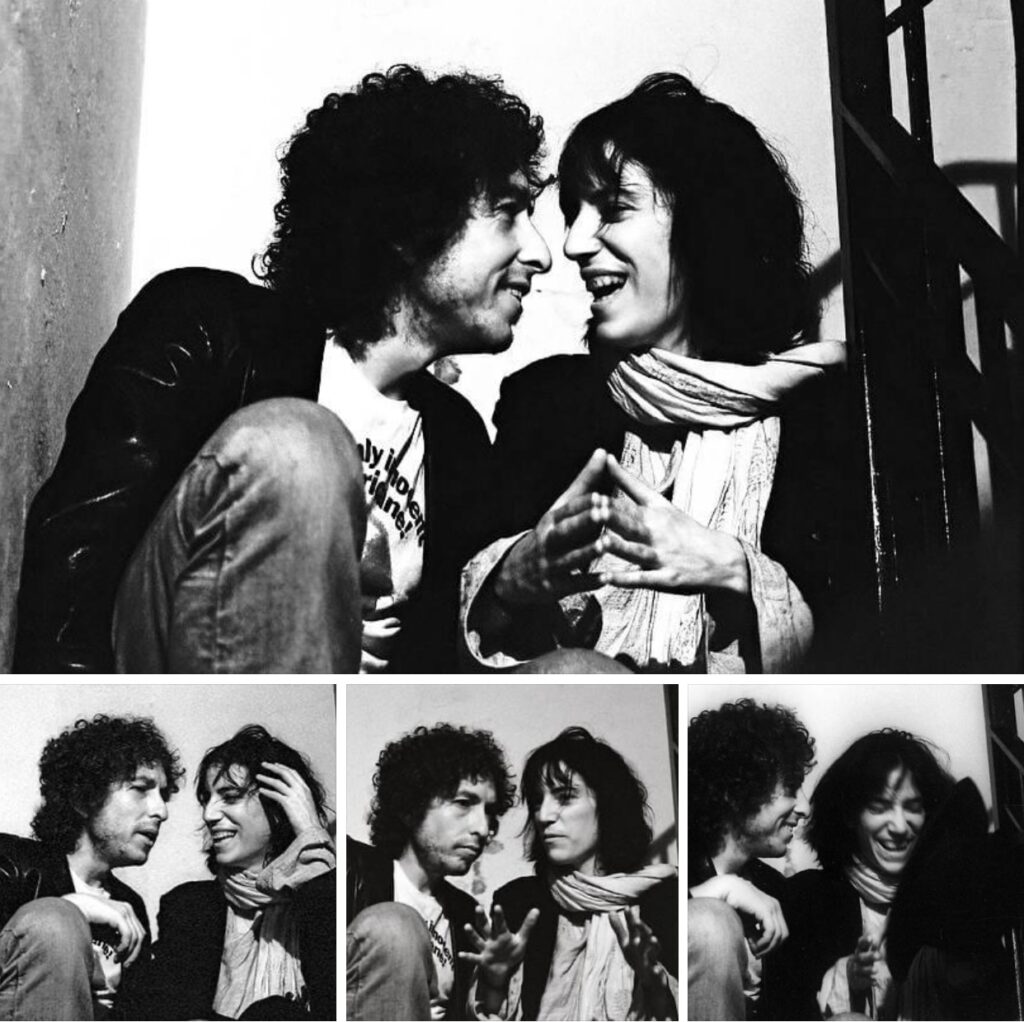
„Reflecting on their initial meeting, Smith vividly recalls the nerves and excitement of encountering a musical icon she had admired since her teenage years. ‚I mean, I loved Bob Dylan since I was 16 years old,‘ she stated, describing the moment he walked backstage. The encounter was both thrilling and intimidating, leading to a humorous exchange that revealed her playful personality. Her about disliking poetry was a defense mechanism, akin to a schoolyard crush, showcasing the mix of admiration and vulnerability she felt in Dylan’s presence. This light-hearted banter laid the foundation for a genuine friendship, emphasizing the human side of these cultural titans.“
„Bob Dylan’s support for Patti Smith and her band played a crucial role in propelling them into the limelight. His presence at their shows and subsequent endorsement brought significant attention, ultimately contributing to their eventual record deal. As Smith reminisced, his actions inspired others to take notice, proving that the endorsement of a respected figure like Dylan could open doors in the competitive music industry. This moment was emblematic of how relationships between artists can transcend mere admiration, leading to opportunities that alter the course of one’s career.“
„The friendship that blossomed between Smith and Dylan exemplifies the artistic camaraderie that characterized the vibrant scene of the 1970s. Their shared experiences in New York City’s creative crucible fostered a mutual respect for each other’s artistry. Smith’s acknowledgment of Dylan’s ‚arrogance‘ and ‚humor‘ reflects the complex nature of their bond, allowing her to embrace the idiosyncrasies of a man whose influence loomed large over contemporary music. As they navigated their individual journeys, their connection served as a reminder of the profound impact artists can have on one another, shaping their trajectories in unpredictable ways.“
„Today, as we look back on this pivotal encounter, it serves as a reminder of the interconnectedness of art and the powerful relationships that can emerge from shared passions. Patti Smith’s collaboration with Bob Dylan not only enriched her artistic vision but also highlighted the importance of community within the creative landscape. Their story continues to inspire aspiring musicians and poets, illustrating that even the most figures began their journeys through authentic connections, laughter, and a mutual appreciation for the transformative power of art.“
SOURCE: Historic Lens Stories
Podcast Update
Listen to the first verse of Try a Little Tenderness by Otis Redding. (… I)t starts hesitatingly, the rhythm isn’t quite settled, Otis doesn’t quite know where to come in exactly, you know? And then the first notes on the guitar and the bass are kind of off slightly. And then it kind of congeals and comes together so that by the start of the second verse, it’s just this magical thing. And the progress from A to B is just this journey that is so moving. And you can feel the humans.Nach dem Lesen von Ingos Reisebericht habe ich mir den Podcast von Marc Maron angeschaut und bin gleich bei dem Interview mit Joe Boyd kleben geblieben, aus dem das Zitat kommt. Genau so gerne habe ich vor kurzem dieses unterhaltsame Gespräch mit Michael Pollan gehört.
You can always come back, but you can’t come back all the way
Diese Zeilen aus Bob Dylans Song „Mississippi“ sind bezeichnend für seinen Auftritt gestern in Düsseldorf. Wie kann er seinen langweiligen Auftritt vor 7.500 Gästen legitimieren? Braucht er die Einnahmen von 7 Millionen? Für was? Es ist nicht interessant. Er kommt in seiner Cloud, hält sich am Piano fest und seine gute Band überspielt galant seine Notenpatzer. In dem Dimmer Wohnzimmerlicht erkennt man ihn eh nicht, ja, aber hallo, das ist doch Dylans voice, überall sind Mischpulte, wahrscheinlich auch an der Decke. Er singt unverkennbar, 1 Stunde 45 Minuten und nie kam mir ein Konzert langweiliger und never ending vor. Freiwillig wäre ich nicht hingegangen. Es war ein Geschenk. In Bad Ischl, der diesjährigen europäischen Kulturhauptstadt spielt Hubert von Goisern, der aus der Gegend kommt und den ich sehr verehre, unangesagt jeden Abend in irgendeinem Club. Man darf immer davon ausgehen, dass es ein sinnliches Musikerlebnis sein wird. Diese Garantie bringt Bob Dylan nicht bzw. nicht mehr. Von manchen Konzerten hört man schwärmerische Kritiken, weil er doch tatsächlich mal gelacht hat oder sich am Ende bedankte. Wow! Joni Mitchells Auftritt vor zwei Wochen war auch nicht das ganz große Musikerlebnis, immerhin singt sie noch ganz passabel Neues und freut sich zusammen mit ihren Fans. Große politische Statements hat sie nie gesungen, aber eben Bob Dylan. A hard rain oder Masters of war sind meiner Meinung nach ein Must Sing in dieser wackligen Weltlage. OK. Er war da, er kann nicht mehr den ganzen Weg gehen. Das konnte man sehen und hören.
Peace.
„Found In Transition“ (feat. Henning, Rosato, and me)
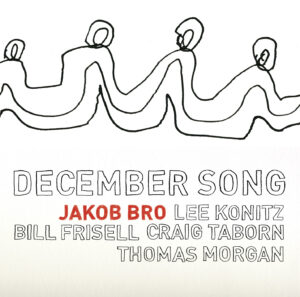
Ein kleiner Rückblick. Springen wir kurz ins Jahr 2013. In den Avatar Studios entsteht der dritte Teil einer Trilogie des dänischen Gitarristen Jakob Bro. HIER die Komposition „Vinterhymne“. Es findet sich auf seinem vorzüglichen Werk „December Song“. Diese drei Alben erschienen alle auf Bros eigenem Label, und „December Song“ wurde ein gefeiertes Album der Musikkritik – auch Henning schrieb Einfühlsames über „December Song“. Auf jedem dieser drei Alben kam es zu einer kleinen Veränderung des Personals, zu den konstant Anwesenden zählten Lee Konitz, Bill Frisell, sowieso Jakob Bro – und der „spirit“ von Paul Motian, der zu Beginn der Trilogie, auf „Balladeering“, noch physisch präsent war. Lee Konitz erlebte im Kreise dieser „Cracks und Legenden“ ein spätes Karriere-High, und Henning zitiert Konitz mit folgenden Worten:
„Ich habe mein ganzes Leben damit verbracht, von Lennie Tristano, Lester Young und all den großen Jazzspielern beeinflusst zu werden, und plötzlich spiele ich ganze Noten und halbe Noten und Akkordfolgen, und ich weiß nicht, warum. Es ist keine Volksmusik, kein Jazz, keine Popmusik, kein Funk, es ist einfach nur Balladenspiel oder was auch immer.“
Was auch immer…. Mit Blick auf eine grossartige Interpretation eines Carla Bley-Stücks schrieb Henning am Ende seiner Besprechung in „Allaboutjazz“: „‚December Song‘ is not just more of the same but opens up a still broader spectrum on a higher level.“Auf diesen drei Alben entwickelte sich eine enorme Empathie der Musiker untereinander, quasi telepathisches Verstehen, das Aufgreifen unausgesprochener Gedanken und ungespielter Klänge – und es war nur folgerichtig, im Jahr darauf einfach noch einmal ins Avatar Studio zu gehen: was die Besetzung anging, nahm Jason Moran die Stelle von Craig Taborn ein, und einen passenderen Schlagwerker als Andrew Cyrille konnte man sich für jene Session nicht erträumen Das Album wurde eingespielt, erschien aber nicht.
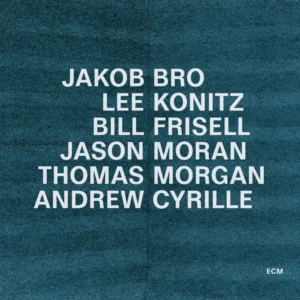
Manfred Eicher kannte wohl diese Aufnahme, wollte aber Jakob Bros Einstieg bei ECM mit einer ganz eigenen Produktion beginnen, und es erschien schliesslich „Gefion“ im Jahre 2015 (produziert noch vor den „Taking Turns“-Sessions im November 2013 in Oslo), mit ECM-Urdrummer Jon Christensen, und Thomas Morgan an der Seite des dänischen Gitarristen. Eine Reihe ganz und gar fesselnder Alben folgte, aber erst jetzt, im Herbst 2024, Ende November, erblickt jene alte Session unter dem Titel „Taking Turns“ das Licht der Welt.
Das Cover macht klar, wer da alles den Ton angibt, obwohl das wohl etwas zu forsch formuliert ist. Wer die alte Trilogie kennt, weiss, dass mitunter die tiefste Musik entsteht, wenn das Ego vollkommen zurückgenommen wird. „Taking Turns“ treibt solche Selbstlosigkeit alias Hingabe noch einmal auf die Spitze. Traumhafter Jazz, nichts weniger! In den JazzFacts Anfang Dezember stelle ich das Album im Deutschlandfunk vor, das als LP, CD und DL vorliegen wird. Und natürlich mit frischen O-Tönen von Jakob Bro. Soviel möchte ich ergänzen: „Taking Turns“ is not just more of the same, but opens up a still broader sprectrum on a higher level.“ Rosato spielte ich das Album vor, und er merkte an: “Was für eine melodische und klangfarbige Polyphonie – sowas bewegt mich!“
Shogun und die Recherche von Michael Zurl
(Diese kleine Erinnerung widme ich meinem alten Kameraden von der Brüder Grimm Volksschule Michael Zurl, der als Polizist in Dortmund, bis zur Rente, nie angeschossen oder zusammengeschlagen wurde, und der jetzt, als Privatdetektiv meines Vertrauens, bitte sehr alle Register ziehen soll, um Matthias S. alias B. ausfindig zu machen. Die besten Abenteuer finden nun mal im richtigen Leben statt. Also, hau rein, Michael, und komm mir bloss nicht damit, dass da wieder einer unserer alten Bande auf dem Friedhof liegt!)
E. versicherte mir nochmal, dass wir den Anfang der „Babyboomer“ bildeten, einer neuen Horde Heranwachsender, die sich Träume teilten, den Zauber von Räucherkerzen entdeckten, und die frühen britischen Magier der Popmusik unter der Bettdecke entdeckten. Natürlich waren wir offen für Helden, und einer meiner ersten war Robert Fuller aus der Westernserie „Am Fuss der Blauen Berge“. Wir hatten das Ölgemälde eines Niederländers im Wohnzimmer hängen, das mich mit seinem wundersam blauen Horizont zu allerlei Sehnsüchten von der Ferne animierte. Nachts erlebte ich mit meinem Traumbruder Okko die tollsten Abenteuer, und egal, wie bedrohlich die Gefahren waren, durch Schurken, Verbrecher, alte, einsam gelegene Häuser, er sorgte stets für ein Happy End. Als er mich nach Jahren entliess aus atemlos spannenden Serienträumen, musste ich die Welt allein erkunden, und natürlich spielte sich ein Teil der Sehnsüchte vor der eigenen Haustür ab.
Was gäbe ich dafür, die brutal gut kickende Beate in einer Zeitreise treffen zu dürfen, denn damals brachte ich vor Schüchternheit nur wenige Worte heraus. Und was war mit dem faszinierenden Wolfgang, der nie mit uns Kindern spielen durfte und uns ob von seinem Fensterplatz zuschaute? Mit seinem Karl May auf dem Fensterbrett. Den Begriff Rabeneltern kannte ich noch nicht. Dass die Kindheit ein anderes Land ist, ahnte ich einmal mehr vor Wochen, als die Suche nach meinem Blutsbruder im Sande verlief, und kein Protagonist von damals mehr auffindbar war oder willig, noch einmal aufzubrechen, um Pfeil und Bogen zu schnitzen auf den Kohlebergen.
Das Fernsehen, lange Jahre noch in Schwarzweiss, sorgte dann für weitere Fenster in die Ferne, die so nah schien, mit Fury und Lassie sowieso, aber auch mit Rin Tin Tin, Jimmy Nelson, dem Unterwassertaucher, und frühen Krimis zur Vorabendzeit. Als die Teenagerjahre kamen, vergrössere sich unser Serienhorizont mit den tollen Vierteilern, ob es nun mit Josef Meinrad a la Don Quichote durch die spanische Pampa ging, oder mit dem Schmökermeister Robert L. Stevenson auf die Schatzinsel. Es folgten vorher und nachher „Kobra, übernehmen Sie!“, „Mit Schirm, Charme und Melone“, „High Chaparall“ (wo die Bösen viel böser waren als auf der Ponderosa). Wir liessen uns sogar auf „Die Strassen von San Francisco“ entführen, obwohl das rückblickend viel „law and order“ war, und Hippies dort stets drogensüchtig oder schlecht gewaschen.
Sah man später die Wiederholungen, hatte der alte Zauber seinen Glanz verloren, und lieferte nur Nostalgie, oder Seninarstoff für TV-Historiker und Medienwissenschaftler. Als ich neulich eine alte Verfilmung aus England und dem Jahr 1959 sah, „Der Hund von Baskerville“, war das die „letzte Klamotte“, und um annähernd zu begreifen, wieso Arthur Conan Doyles Roman zu den grosseen Klassikern der Kriminalliteratur zählt, muss man das Buch lesen, oder lange nach einer gelungenen Verfilmung suchen.
Im Bücherschrank der Eltern eines guten Freundes, aber auch anderswo, tauchte 1975 vermehrt ein gewisser James Clavell auf, mir seinem „1000-Seiter“ „Shogun“. Zwei Kumpel war einen Zeitlang nicht mehr ansprechbar, und verschwanden zwischen den Buchdeckeln. Ich zuckte die Schultern, weil ich ja wohl kaum auf meine grosse Reise in die Bretagne mit Ulkrike U. so einen „Schinken“ dabei haben wollte, und legte das dritte Album von Soft Machine auf, und zog sowieso Bo Hanssons „Lord of the Rings“ dem dicken Erzählwerk vor – und so ganz langsam konnten auch Wildwestfilme langweilen. Es kamen dann Filme in die Kinos, die viel mit unseren wahren Horizonzten zu tun hatten, von „Easy Rider“ bis „Alice in den Städten“.
Ich erspare hier eine lange Liste, und komme zum Punkt. Über all die Jahrzehnte seit damals verschwand ich gelegentlich noch in opulenten Schmökern und versank darin so tief wie einst in die Reisen von Jules Verne zum Mittelpunkt der Erde oder sonstwohin. Und immer wieder mal lockte mich der Buchdeckel von „Shogun“. Als sollte ich etwas nachholen, und einem alten Zauber noch mal Gelegenheit geben für das grosse Abenteuer, das womöglich purer Eskapismus und Selbstfindung zugleich bereithielt. Oder war James Clavell nur ein grosspuriger Schwadronierer, mit billig-weit geöffneter Trickkiste?
Dann traf ich die Entscheidung und tauchte vor ein paar Wochen auf „Apple plus“ in alles zehn Folgen von „Shogun“ ein. Der tolle Spuk war nach drei Abenden vorbei, der Erzählstrom der Serie riss mich von Anfang an mit. Ganz grosses Kino entdeckte ich, und egal, ob das nun Michaels kleine Reisen in seine „SerienSchmökerJugend“ waren, und in ein Jahrhunderte altes Japan… nie dachte ich beim Schauen an Requisite und dramaturgische Tricks, mein kritischer Blick verlor sich im grossen Abenteuer, mit der gleichen Hingabe oder Liebe, mit der ich schon ein halbes Dutzend mal den „Spätwestern“ „Silverado“ sah.
Hier wie da, wie auch bei Enid Blyton und „Emil und die Detektive“ (wir waren in einem Klassenraum, als uns die dem Alkohol zugetane Religionslehrerin, in einem Anfall von Freigeistigkeit, Erich Kästners Erzählung vorlas, Kapitel auf Kapitel, über Wochen) – und wie auch bei unseren kleinen Abenteuern in Hombruch, ging und geht es um Freundschaft. Und wir waren beste Freunde, und sangen „Sunshine Superman“ zusammen, so weit unser Englisch reichte, wie schmetterten „Massachuseets“ von den Bee Gees, wir spielten Sonny Liston gegen Cassius Clay mit wilden Hieben, wie sahen im Wohnzimmer im Sommer 66 das „Tor von Wembley“, das keines war. Die Welt war noch schwarzweiss, und wir malten sie auf grossen Bildern bunt, das Rot war kamesinrot, auch das Blut, das aus der frischen Wunde spritzte, als ich Idiot vor deinen Augen einen Taschenspiegel zerbrach. Ich zeige dir demnächst die alte Narbe.
THE GESTURE of SOUND, THE GESTURE of COLOUR
CHIRONOMIC ORCHESTRA – THE GESTURE of SOUND, THE GESTURE of COLOUR –
an album

You can listen to the music, view the drawings and read the liner notes on
Parma connection : I met Roberto Bonati, a double bass player from Parma, a few years ago in Trond- heim, Norway. Since then continuous lively inspirational exchange came into being and lead into trustful cooperation. I wrote liner notes for the two albums “Il Suono Improvvise” and “Whirling Leaves”, of the Chironomic Orchestra, founded and led by Roberto, who not only is a teacher at Parma Conservatory but also Artistic Director of the annual Parma Frontière Festival. In 2022 – after the Corona pandemic – the festival invited me to participate as visual artist with projections of my live drawing in the concert of the Chironomic Orchestra in the old Valserena Abbey.
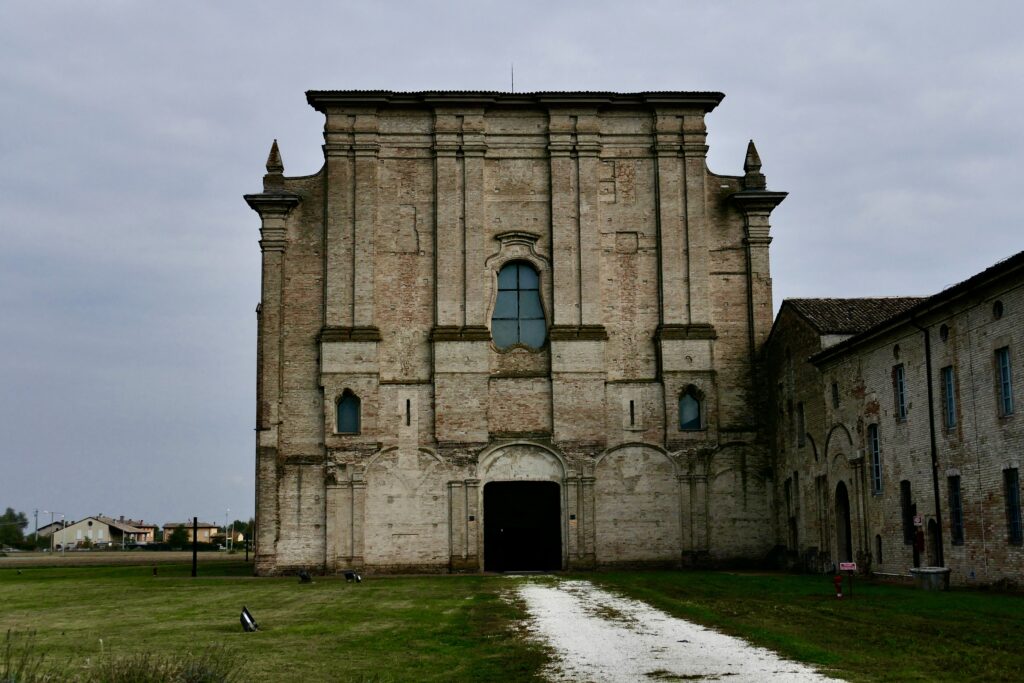
Scenery : this recorded concert took place at the old Valserena Abbey ante portas of Parma. The music was created by a nineteen piece orchestra only on the basis of hand signs and hinting body movements of Roberto Bonati standing in front of the half circle of the executing musicians. Bonati and his musicians built up and unfolded their dramaturgy of orchestrations from the interaction of the gestured signs and their mutual interpretation thereby giving it shape through their instruments in a rich and challenging actual field of interacting sources and forces.
Line-up : 3 vocals, 4 double basses, 3 violins, 1 guitar, 2 trumpets, 3 saxophones, 2 clarinets

Chironomic is derived from old Greek meaning: moving hands/arms in cadence. Roberto Bonati finding inspiration in the conduction practice of US-American musician Butch Morris (1947-2013), the sound painting approach of Walter Thompson (1952) and the hand sign practice in Gregorian Chants in Europe, developed his own approach and practice from it, working with dramaturgical building blocks that are freely, variably and communally given shape in real time creation.
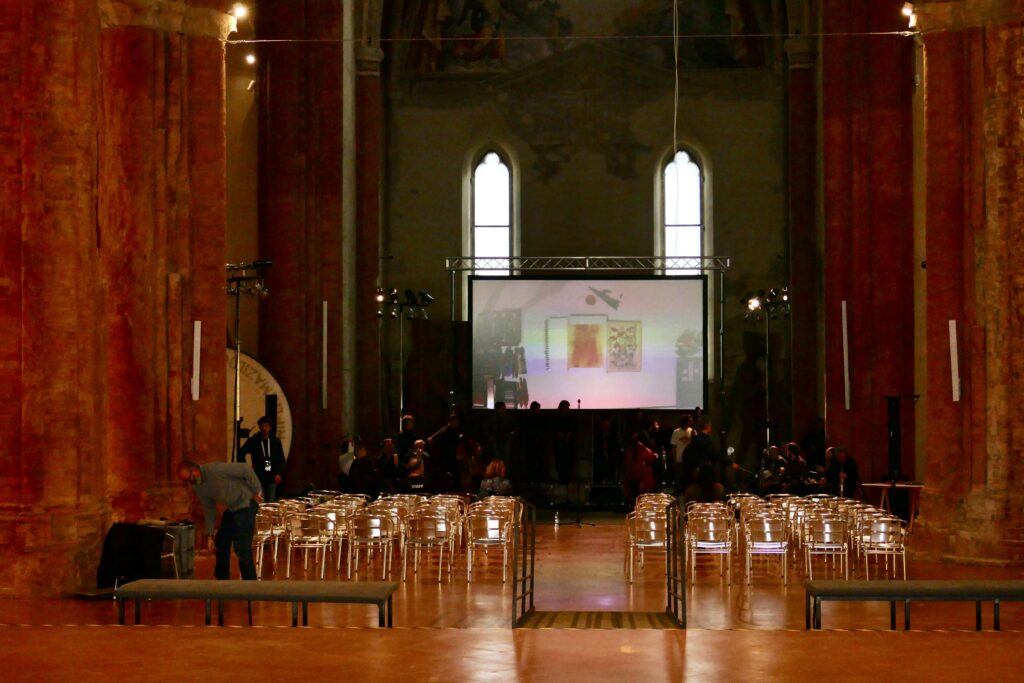
Listening visually projected simultaneously : in this concert visual artist Henning Bolte drew/painted his perception of the music in synch with the inner rhythm, texture, temperature, mood and overall dynamics of the musical real time creation. This live drawing/painting was projected on a large screen visible and followable for the audience.
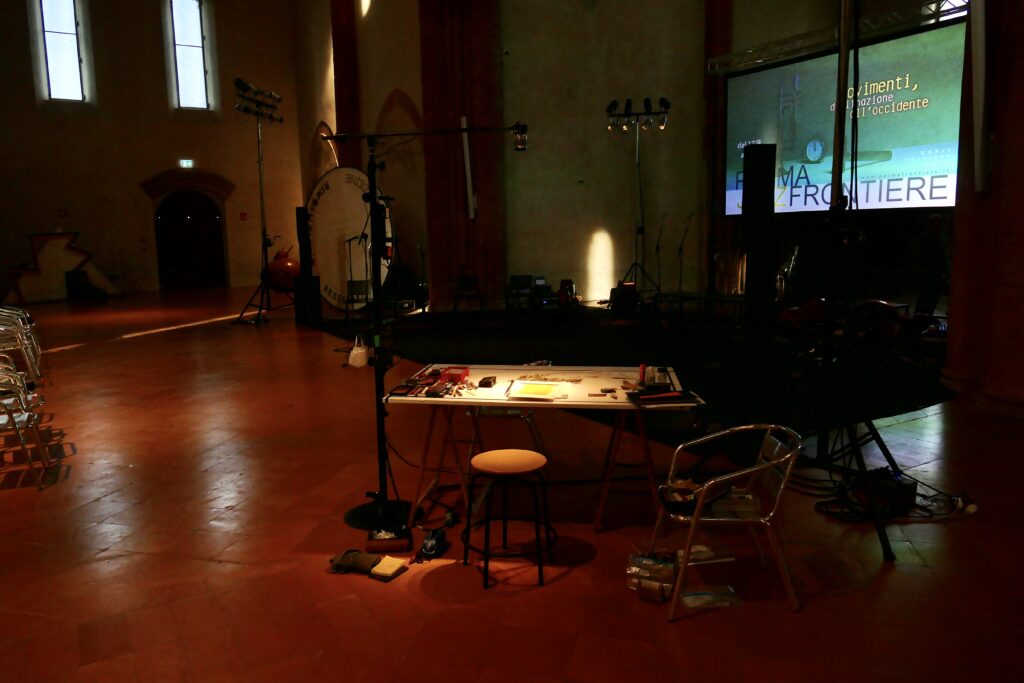
Documenting tableau : The booklet contains some of these live drawings/paintings that came into being synchronously with the creational performing process of the music by the musicians. They are part of a documenting tableau of that complex and vibrating process of creation in the Valserena Abbey.
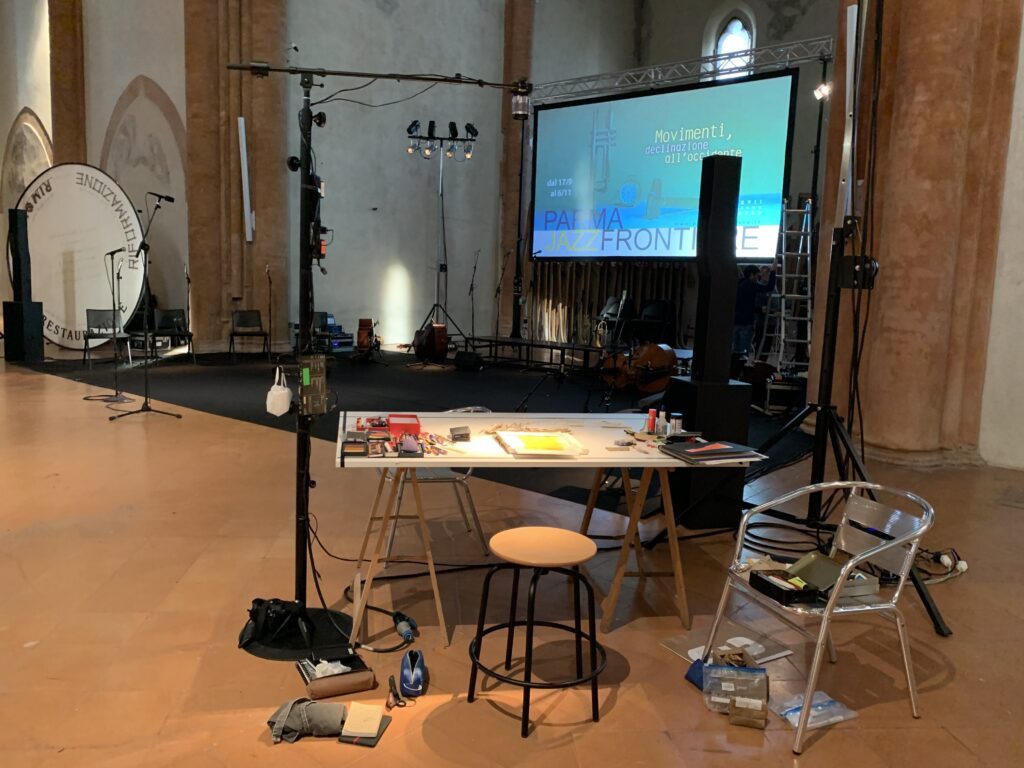
You can listen to the music, view the drawings and read the liner notes on
Road Trip with Music
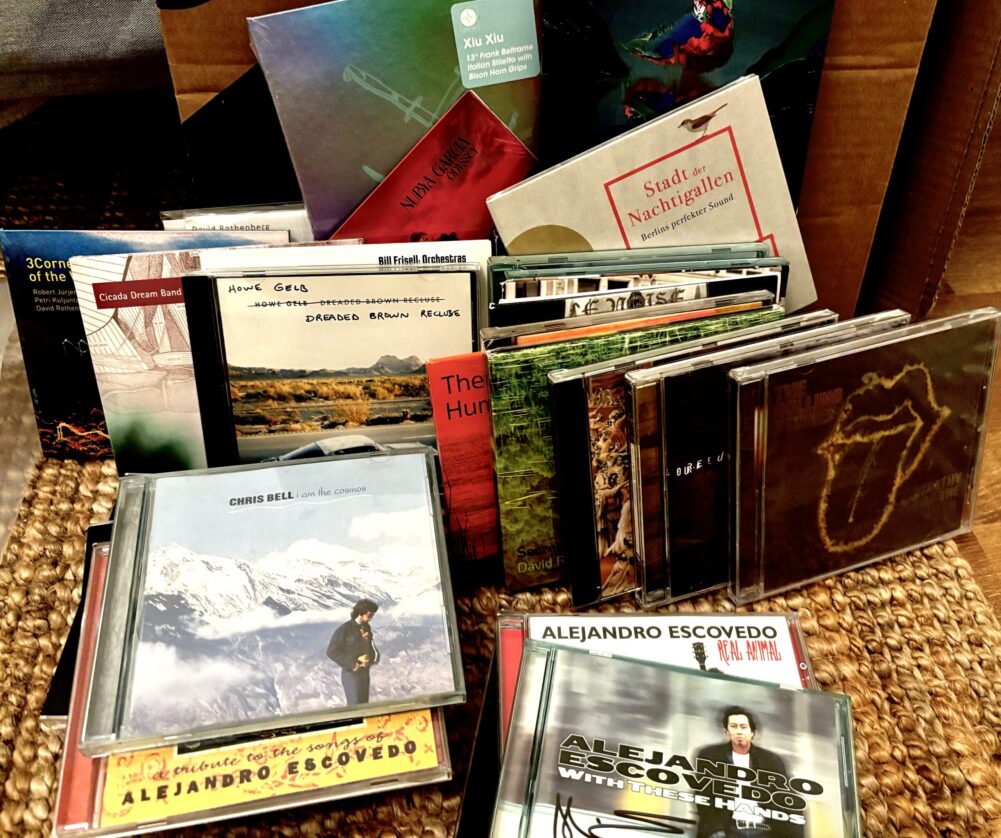
Als einen der Subplots meiner US-Reise zog sich die Beschäftigung mit Alejandro Escovedo durch. In Deutschland ist er leider nie so richtig bekannt geworden; dabei hat er doch in knapp 50 Jahren einige Projekte und zahlreiche Soloalben zu bieten. Sein jüngstes Album „Echo Dancing“ hat sich langsam aber sicher zu einem meiner 2024-Favoriten gemausert. Und als ich auf seiner Webseite sah, dass er während meiner US-Reise ein Konzert in einer kleinen Kneipe im texanischen Abseits geben würde, habe ich das zu einem der Eckdaten meiner Strecke auserkoren.
Fischer, Texas befindet sich zwischen Austin und San Antonio, und die dortige „Devil’s Backbone Tavern“ ist eine uramerikanische Cowboy-Spelunke, wo jeden Tag irgendwer, oft wohl ohne Eintritt, musiziert. Ich fand mich schon am Nachmittag dort ein, hing in der Umgebung ab und fragte Escovedo dann, als er mit seinen beiden Hunden herumspazierte, ob ich ihn mit den beiden fotografieren dürfe.

Das Konzert war dann, wie man so sagt, „große Klasse“, ein einmaliges Erlebnis, an das ich sicher noch bis an mein Lebensende zurückdenken werde. Escovedo rockte den Laden mit verzerrter Gitarre und auch mal verzerrter Stimme mit seinen beiden Mitmusikern, viele im vorwiegend nicht mehr ganz jungen Publikum tanzten, zwischendurch begaben sich die drei Musiker für ein paar Nummern (und Erzählungen) unverstärkt mit Folk-Instrumentierung an verschiedene Stellen im Raum, bevor die letzten Stücke ausufernd und mit passionierten Soli die geschätzt 150 Gäste begeisterten.
Später erzählte Alejandro, dass er leider derzeit kein Booking für Deutschland hätte, aber gerne mal wiederkäme. Auch kündigte er die Aufnahme eines Livealbums an (gerade an den letzten drei Abenden wurde es in Austin eingespielt, laut Setlist.fm mit einigen lokalen Gästen wie Britt Daniel von Spoon und Covers von Bowie, Neil Young und Velvet Underground).
Unterwegs hatte ich bereits Podcasts und Radiosendungen mit Alejandro Escovedo angehört (Ich empfehle bei dieser Gelegenheit Marc Marons leidenschaftliche Podcast-Episode mit Alejandro aus dem vergangenen April. Maron ist offensichtlich schon seit vielen Jahrzehnten Fan, und so macht das Gespräch viel Freude.) und in jedem lokalen Plattenladen nach älteren CDs und LPs von ihm gesucht, oftmals allerdings ratlose Gesichter als Antwort auf die Frage erhalten, ob man womöglich etwas von Escovedo im Geschäft habe. Letztlich konnte ich die meisten seiner Alben, die ich noch nicht kannte, in Austin und Denver finden und konnte sie so auch noch signieren lassen.
Überhaupt habe ich auf der Reise viel zu viele interessante Alben gefunden, musste mich aus Vernunftgründen (irgendwann ist auch der Platz im Gepäck über Gebühr ausgeschöpft, selbst wenn ich alte Kleidung zurücklasse) gegen weitere Einkäufe entscheiden.
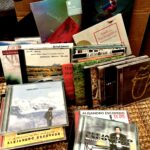
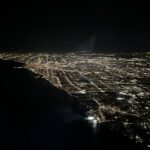
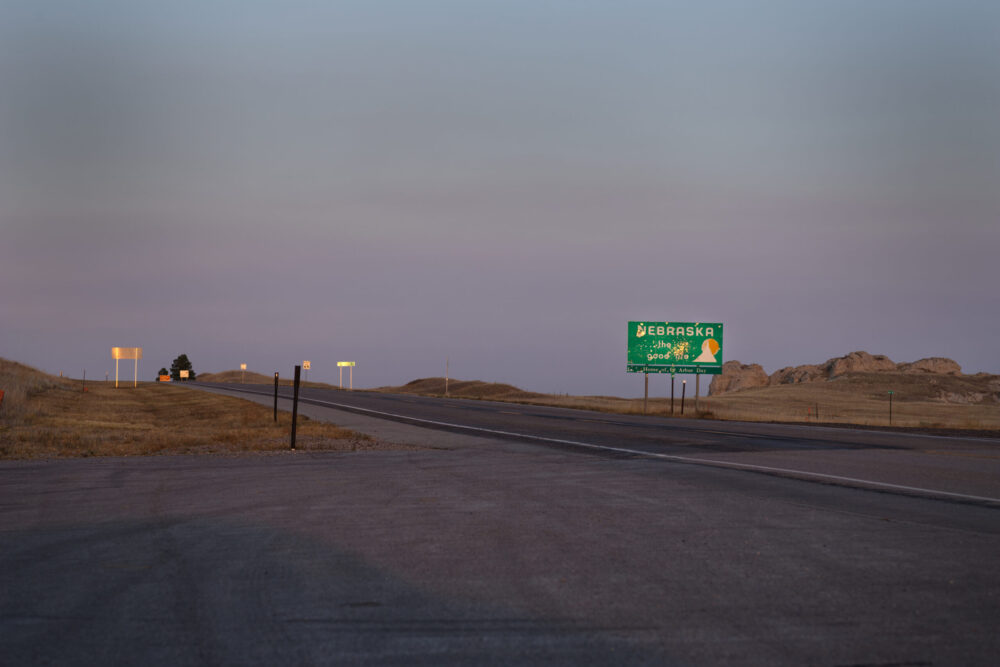
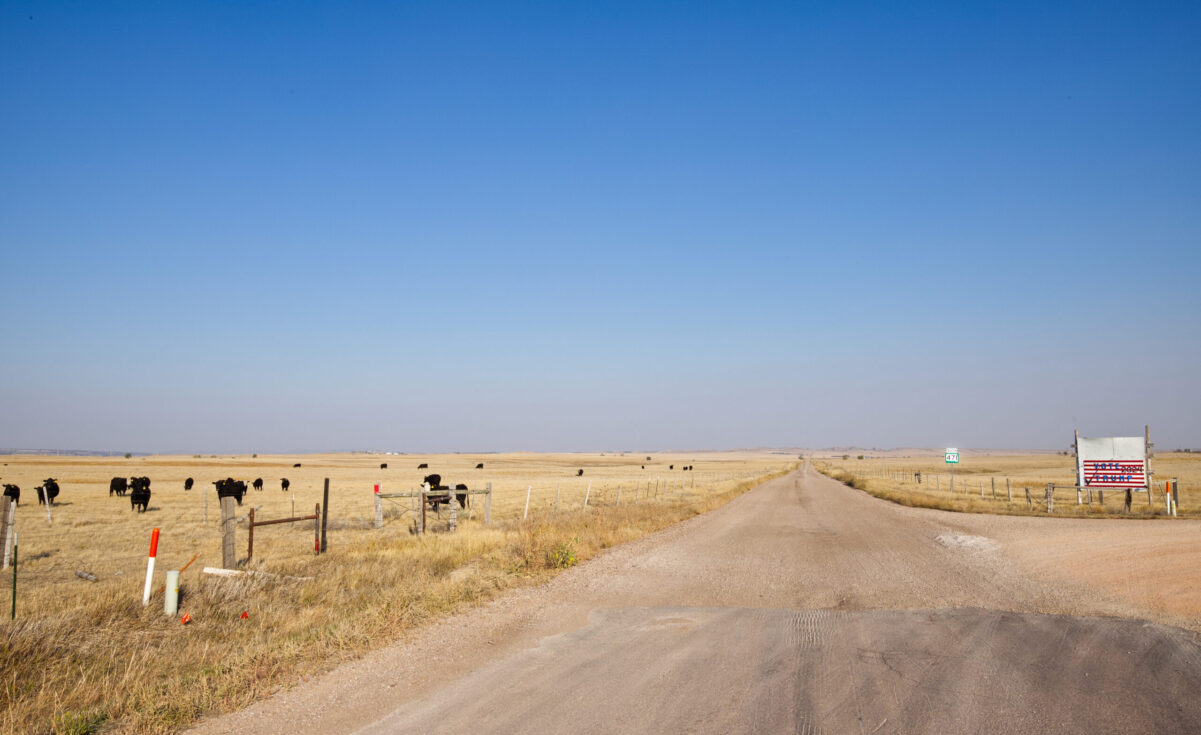
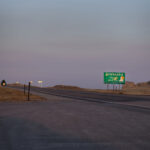
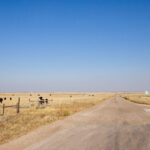
Weil die Frage aufkam, welche Musik ich auf diesen Fahrten (am Ende wurden es knapp 10.000 km) hörte: tatsächlich diesmal sehr wenig. Zumeist nutze ich die langen Strecken, die teilweise Stunden zwischen einzelnen Orten hin und her gehen, für Podcasts, teilweise drei Stunden lange, über politische Geschichten oder gesellschaftliche Fragen. Häufig sind es auch Gespräche, die zwischendurch auch mal nervig sein können. Zum Beispiel hörte ich lange Gespräche mit Taylor Sheridan, Birgit Minichmair und Jagoda Marinić, Joe Rogan mit Tucker Carlson, Peter Thiel, Russel Crowe, die WTF-Podcasts von Marc Maron mit Schauspieler/innen, Regisseur/innen, Musiker/innen; NPR Fresh Air hat auch immer viel Interessantes zu bieten. Die wenigen aktuellen Alben, die ich gehört habe, waren das neue Album von Suuns und von Xiu Xiu. Die habe ich mehrfach gehört, auch wenn sie eher in städtische Gegenden passen und nicht so sehr in die abgelegenen ländlichen Ecken. Ansonsten häufiger R.E.M. und Lucinda Williams, quer durchs Gesamtwerk, auch mal die letzte der Rolling Stones, die immer gute Laune macht, Steve Tibbetts, Stevie Nicks‘ frühe Soloalben, Werner Herzogs autobiografisches (Hör-)Buch, Naima Bock, Nilüfer Yanya, Ani DiFranco, Spoon (in Texas).
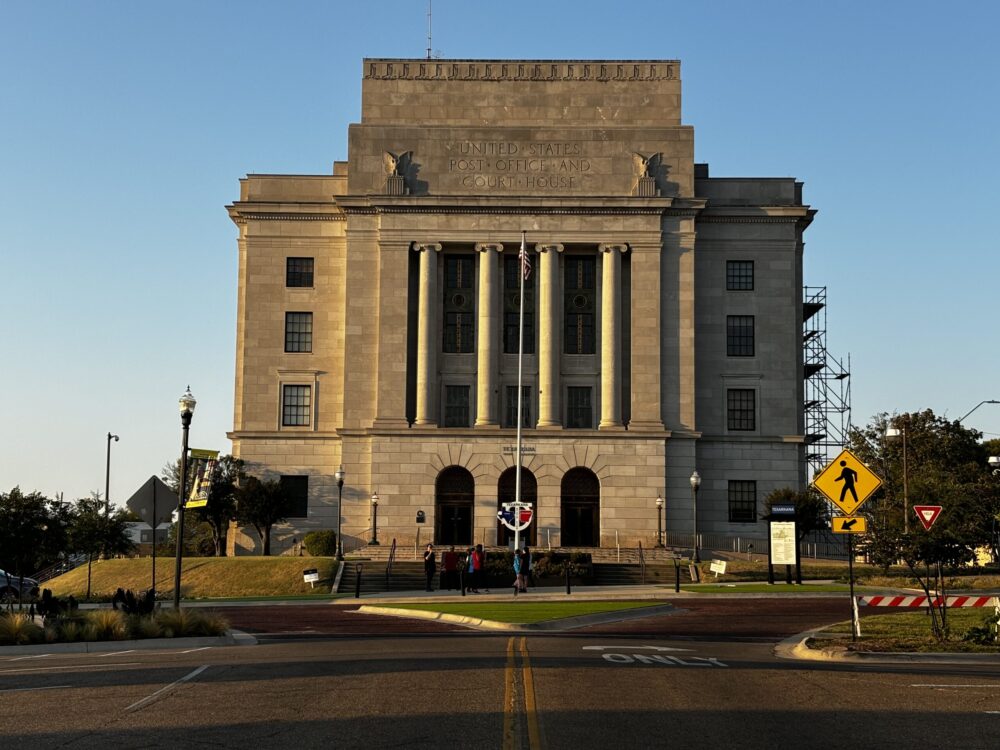
Fährt man auf diesen abgelegenen Straßen, finden sich immer wieder auch überraschende kleine Abwege oder Umwege, Landmarks. Zum Beispiel fand ich in South Dakota in Belle Fourche das „Geographic Center of the United States“ oder fuhr an der Ecke von South Dakota, Wyoming und Montana am „Devil Tower National Monument“ vorbei, traute mich aber nicht, den Umweg dort direkt vorbei zu fahren, weil mein Autocomputer (oder Computerauto) ansagte, dass ich am Ende mit „1%“ Ladung bei der nächsten verzeichneten Ladestation ankäme, und das Risiko war mir nicht ganz geheuer. Hervorragende Fotoausstellungen besuchte ich (wie jedes Mal) im Denver Art Museum und in der National Gallery of Art in Washington.



a simple matter of taste, or what?
the cure. in young years i had some good time with their first album with the lamp on the cover, its rough charms, similar to the go-betweens‘ debut album which sounded like recorded in an old garage with two, three songs that were a promise „before hollywood“ if you understand the joke. then one day i heard a song from the cure‘s second album, „seventeen seconds“, and it blew me away like most of the album, its floating atmospheres, two or three stand-out tracks, and ingeborg schober‘s words in zuendfunk & sueddeutsche zeitung were exactly what i felt.
but afterwards everything from the cure (at least what i heard) made me look for the quickest way out, in stark opposition to good aquaintancies, friends and lovers with their wows and smart words. years and years ago i looked, a gesture of good will, at what was regarded as one of their biggest achievements, „pornography“, and i gave it a listen, deeply relaxed at the beginning, the ears wide open, and i failed, i i couldn’t wait for the curtain to fall, words like pompous and pathetic crossed my mind (just idiosyncratic responses, no expertise) – the cure and i were done.
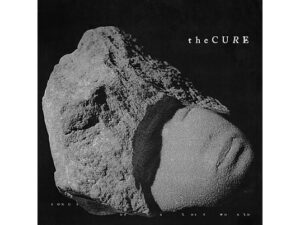
now amongst the flowworkers and some of our readers there are for sure real cure lovers with their wows and memories and returnings. and, well, well, there‘s a new cure album out now, and its praise is sung up to the skies, with wows and telling insights (the cover of „songs of a lost world“, i have to smile, reminds me a bit of nils petter molvaer‘s masterpiece khmer).
so sing your praise in prose, bold letters, uplifting one-liners, tell me about surrender, the magic of old red-haired robert, like smart alex petridis does in his, what else, 5-star-review („…their best album since disintegration…“), and i will bravely follow that ubiquitious enthusiasm with a sense of wonder, a quantum of empathy. a simple matter of taste, or what? any chances to enter this „lost world“ with an unexpected wow, a shiver or two running down my spine? (michael e.)
Pre-existing Commitments: Mark Wastell
Open letter to Mark Wastell:
„Just listened through your new cello recording and find it absolutely powerful, and quite unusual. I can only think of the piece «Battle of Armageddon» by Alice Coltrane as something that has this insisting powerful playing with the sparse use of only a few elements. In her case the organ and Rashid Ali’s drums. Similar with your cello overdubs which never seem overloaded in the 40 minutes of its duration. Well done.“ – J. Bang
monthly revelations – november
(album) erik honoré: triage (film) die fotografin (prose) thomas kraft: americana (talk) félicia atkinson (poetry) robert macfarlane & hayden thorpe: ness (binge) shogun (archive) byard lancaster: the complete palm recordings 1973 – 1974