Die Jazzfakten vom 4. April (revisited)
Es gibt keine Zeitbeschränkung bei diesem Link. Ich hatte bei der Produktion gute fünf Minuten zu kürzen, was mir selten passiert. Hier waren jedoch schmerzhafte Schnitte nötig: „Killing your sweetest darlings“ heisst hier der besinnliche Spruch dazu . Ein Oton von Fred Hersch fiel raus, und im Zentrum hatte der Tontechniker Martin Hoffmann den Ausschnitt von Alice Coltranes Darbietung von „Africa“ so weit zu kürzen, das man direkt im „finale furioso“ landet, und nicht jene Passage miterlebt, in dem sich das Ende aus einem herrlichen Groove der beteiligen Bassisten herausschälte. Ein anderes Stück Jazzgeschichte zapft Fred Hersch an, wenn er auf seinem Album „Softly as in a morning sunrise“ spielt und, im Gespräch, Sonny Rollins‘ Version aus dem Village Vanguard als Referenz angibt. Dieser Klassiker wird in Kürze neu aufgelegt, et voila, erst die JazzFacts, dann eine Zeitreise mit Mr. Rollins ins Jahr 1957…
Kahil El‘ Zabar‘s Ethnic Heritage Ensemble: Open Me, …
Fred Hersch: Silent, Listening
Beitrag 1 von Michael Rüsenberg („Destination Unknown“)
A. Kalma, J. Chiu, M.S. Honer: The Closest Thing To Silence
Live At Carnegie Hall (1971) – Impulse (A. Coltrane)
Shabaka: Perceive Its Beauty, Acknowledge Its Grace
Beitrag 2 von Karl Lippegaus (Jason Weiss: Listenings)
Fred Hersch: Silent, Listening
Charles Lloyd: The Sky Will Be There Tomorrow“A painted horizon“
„There‘s a real sense of being repeatedly slammed up against mortality by biology, especially on the salt-scoured „Oceans“. Gibbons sings of ovulation, and exhaustion, in an unusual porous, chalky register, the song ending with her sinking to the (rock) bottom of the sea, „not afraid any more“. If that all sounds bleak, it is. Yet „Lives Outgrown“ is also very beautiful not least when Gibbons quietly sings „it‘s not that i don‘t wanto to return“, on Floating On A Moment‘s contemplation of death.“ (Victoria Segal, Mojo, June)
From the start, all of her works have been collaborative. In the very early days when strolling through small venues and pubs, she often relied on a repertoire of classics, made famous by Nina Simone and Janis Joplin. Later on, in the Portishead years (that perfect trio with Barrow & Utley), the silences in between, and, after the fractured blow away zone of „Third“, out of another nowhere, „Out Of Season“, the album with Paul Webb aka Rustin Man. At last singing Gorecki – all teamwork: the intricacies of her voice, the surrounding sounds, the immaculate productions. Landscapes she‘s been moving through. The urban darkness. The dystopia, the hometown. The hinterland. Between „Dummy“ and „Out Of Season“ a archaic sort of melancholia took center stage, strangely uplifting, elevating. All the way through she led a reluctant life, never hurrying for fame. And now, after a career spanning three decades and more, her first proper solo album, and it comes a long as a sort of farewell.

It took her (and her fabulous companions, former Talk Talk drummer Lee Harris, producer and multi-instrumentalist James Ford, and a well-chosen crew, Raven Bush on cello and violin amongst them) ten years from first sketches to final mixes. Beth’s singing now reaching out so far and deep – not heard that vocal range before. Hypermelodic and far, far out at the same time. Restrainment and passion all over the place (clash of polarities). From a distance, vibes of „The Wicker Man“ and ancient incantations . „Lives Outgrown“ is a unique achievement of kindred spirits, the darkest campfire chamber music we may have heard in quite a while. The listener will soon realize that James Ford’s sophisticated, lush arrangements do not simply embellish the songs artistically, but rather add a second, third layer to them, the famous double bottom, counterpoints, subversive vibrations.
The old stuff laid bare: grief, growing old, losses (and what change is gonna come after sleepless nights for too long). The beyond of the everyday. „On the path / With my restless curiosity / Beyond life / Before me …“ The most „progressive“ instruments: a mellotron, an oscillator, and an electric guitar. Floating lines (on the verge of breaking apart). Passages close to catching fire (and catching fire). The glow, the gloom. Under that nearly controlled delivery of Gibbons‘ singing a high wire tension, most of the time. No involvement of cozy nostalgia, of things coming to rest – in spite of the last song, an invocation of nature and peace of mind, like a dream, at least traces of acceptance. What a terrific work. The most honest review: a painted horizon.Magisches Quartett
“Deine Jazzfakten haben uns viel Geld gekostet. Wir haben alle Platten bestellt, bis auf Ariel Kalma, die hatten wir schon. Und was du hier so über „Lives Outgrown“ schreibst, hat nun dazu geführt, acht Cds und zwei Schallplattenversionen zu bestellen. Wir machen es wie du, das wird unsere Geschenk für ganz bestimmte Freunde. Natürlich kennen wir die Portisheads…. Da können wir schon einschätzen, wer sich auf die Stimme einlassen kann. Du schriebst uns, du hättest ein Interview angefragt, mit Beth, mit dem Talk Talk-Trommler, mit James Ford. Das wird aber schwierig. (….) Solltest du nach England reisen, und Beth treffen, kämen wir gern mit, und ich wäre die stille Fotografin. Braucht man für England ein Visum? Ich könnte bei „Brigitte“ nachfragen, die hätten bestimmt Interesse. (…) “ (S.L.)

Liebe S, das wäre was! Leider wird Beth definitiv kein Interview geben, auch „Brigitte“ hätte keine Chance. In solchen Verwertungskategorien denkt sie, wie du vermuten kannst, überhaupt nicht. Und je mehr ich in die Musik eindringe, desto klarer wird mir, dass es hier mehr Gründe als bei früheren Alben gibt, keine Interviews zu geben. Die beiden anderen sind angefragt, aber Lukas, der als PR-Mann von Domino so hervorragend bei Julia vorgefühlt hat, ist auch hier aktiv, wies aber noch gestern daraufhin, dass der kleine Zirkel um Beth, Lee Harris vor allem, extrem zögerlich ist, was Öffentlichkeitsarbeit angeht. Und dann werden es höchstens Phoner werden, oder ein Zoom.
Es ist witzig, dass ihr euch jetzt, nach einem halben Jahr in der Bretagne, wieder meldet, ich hatte euch zuletzt, auch schon wieder länger her, den lange abgelaufenenen Link zu Michael Franks Milestones-Sendung geschickt, und ihr seid soooo begeistert gewesen von Julee Tippetts‘ „Sunset Glow“ von 1975. Nun sind 2023 und 2024 (bald!) zwei britische Milestones hinzugekommen, P.J. Harveys „I Inside The Old Year Dying“ und Beth Gibbons „Lives Outgrown“. Vor ein paar Tagen gab es dann die Lieferung – als Doppelalbum – von Julie Tippetts‘s 1999er Solo „Shadow Puppeteer“, das mir damals entgangen ist, sonst wäre es wieder und wieder in den Klanghorizonten gespielt worden. Betörend. Bis bald, M.
„Thinking Music“
Beth Gibbons‘ erstes richtiges Soloalbum ist das lange Warten wert gewesen. Es ist ein kühles, tiefgründiges Set verträumter Folk-Exotica-Beschwörungen, eine seltene Platte, die sich mit den Ängsten und Schmerzen des Erwachsenseins auseinandersetzt und verknotete Emotionen in einer flatterhaften, straffen Instrumentierung und rauchigen, samplebereiten Cinematics seziert. Atemberaubendes Material, produziert von Gibbons in Zusammenarbeit mit James Ford und Lee Harris von Talk Talk.
(So beginnt die zweite Besprechung, die man im Netz finden kann. Bei Boomkat gibt es oft „reviews“, und sie leisten bei diesem Plattenversand sehr gute Arbeit. Gäbe es nicht durch den Zoll massiv erhöhte Preise, und Verzögerungen bei der Lieferung, würde ich viel öfter bei den Briten Musik ordern. Ich kommentiere hier Absatz für Absatz, und ändere nichts an der Deepl-Übersetzung. Interessant, wie der Rezensent Beschreibungen koppelt, die widersprüchlich wirken können: flatterhaft vs. straff, Folk vs. Exotika. Dass die Lieder wie „Beschwörungen“ wirken, kann ich gut nachempfinden.)
Gibbons hat sich bis zum richtigen Moment zurückgehalten, um ihr formvollendetes Debüt zusammenzustellen. Ihr Songwriting kennen wir natürlich schon, nicht nur von der makellosen Portishead-Trilogie, sondern auch vom 2002er-Album „Out of Season“ und dessen Nachfolger „Acoustic Sunlight“, beides Kollaborationen mit Talk Talk-Bassist Paul Webb (alias Rustin Man).
(“Acoustic Sunlight“, davon habe ich noch nie gehört. „Formvollendet“, da stimme ich auf Anhieb zu, ohne lange über den Begriff nachzudenken.)
„Lives Outgrown“ erweitert ihre Technik ein wenig; ihre früheren Kollaborationen bleiben im Schatten, aber dieses Album ist unapologetisch intim und verpackt Geschichten über Liebe, Bedauern und Unruhe in gedämpfte, melancholische Extravaganz. Es ist nicht so vordergründig staubig wie das Portishead-Material oder so sehnig wie ihre Platten mit Webb, sondern eine zerschundene, nachdenkliche Sammlung verletzlicher Reflexionen, die von Musik untermalt wird, die sanften, archaischen Folk, frühen Jazz, Exotica aus den 70ern und düsteren Post-Rock anklingen lässt.
(Wenn ein Album wie dieses schubladenmässig schwer auf den Begriff zu bringen ist, werden gerne Genrenamen mit beiläufig daherkommenden Adjektiven aneinandergereiht, was nicht kritisch gemeint. Dabei entsteht eine angenehme Unschärfe, die unsere Wahrnehmung in bestimmte Richtungen lenkt, ohne die Fantasie einzuengen. Wo ist der „frühe Jazz“ zu hören? Aha, mein geliebtes unscharfes „archaisch“, hier mit „sanft“ gekoppelt. Und dann: „eine zerschundene, nachdenkliche Sammlung verletzlicher Reflexionen, die von Musik untermalt wird…“. „Untermalt“ würde ich hier nicht sagen. Das klingt mehr nach Hintergrundbegleitung. Die Musik um den Gesang herum ist viel mehr als ein „Geschmacksverstärker“, ich erlebe sie hier als „Erweiterung“, „zweite Ebene“, doppelter Boden“.)
Es ist die Art von Material, die Gibbons während ihrer gesamten Karriere angepriesen hat, und zwar so sehr, dass es vertraut erscheint; die Songs haben eine lebendige Qualität, nicht weil sie von anderem Material geklont wurden, sondern weil sie die vollständig realisierten Versionen von Gedanken sind, über die Gibbons seit Jahrzehnten nachgedacht hat.
(Das ist ein interessanter Gedanke. Wir erkennen die Handschrift, aber die Songs wirken auch deshalb so lebendig, weil diese ewig in ihrem Raum schwebenden Gedanken / Empfindungen noch nie so vollständig realisiert wurden. Das „Formvollendete“ wieder mal. Nach den dunklen Andeutungen von Beth Gibbons im offiziellen „presskit“ kommen übrigens einzelne HörerInnen des Albums zu dem Schluss, es könne sich hier um ein Abschiedswerk handeln.)
Die Vorab-Single des Albums „Floating on a Moment“ ist ein logischer Anfang. Gibbons‘ Stimme klingt exponierter als je zuvor; die brodelnde, von Nina Simone beeinflusste Traurigkeit, die Portishead zum Kultstatus verholfen hat, ist immer noch da, wird aber durch Erfahrung, Angst und Kummer verstärkt. Ihre Produktion ist ähnlich ausbalanciert: dicke jazzige Basslinien unterstützen federleichte, scheppernde Drums, während die versilberten Breitwandqualitäten, die ihr früheres Material beflügelten, sich zu subtilen Chorälen, klirrenden Streichern und leisen Xylophonen entwickelt haben – mehr Jean-Claude Vannier als Ennio Morricone.
(Ob es eine von Nina Simone beeinflusste Traurigkeit gibt, die Portishead zum Kult verholfen hat, bezweifel ich. Vielleicht ist da ein besondere Grundtraurigkeit in ihrem Gesang gemeint , ein spezielles „Soundfeld von Melancholie“, sofort erkennbar. Wem wurde je attestiert, die traurigste Stimme der Welt zu haben. Zu diesem raren Kreis wurde mal Robert Wyatt gezählt, und zwar nicht selten, auch Beth Gibbons. Und, by the eay, auf dem Album ist „Floating On A Moment“ übrigens das zweite Stück, und ich bin kein Pfennigfuchser. Das Album beginnt mit dem Song / der Beschwörung „Tell me who You Are Today“ (ein noch logischerer, psycho-logisch noch passenderer Anfang des Albums ist das). Und passend zu dem Titel und der Lyrikweberei dieses Songs: schau dir das Cover an: vier Portraits ihres Gesichts, mit geöffneten, geschlossenen Augen. Zunehmende Unschärfe. Ist überhaupt eins scharf, und wirkt das schärfste nicht seltsam maskenhaft?! Dunkler Hintergrund. Insichgekehrtheit. In weiteren Fotos (auf der Pressemappe) fällt auf, wie unscharf ihr Gesicht hier und da wirkt, gegenüber der extrem scharf eingefangenen Natur ringsum. Warum?)
Die Liebe verändert die Dinge“, versichert sie in „Lost Changes“, das zunächst einen raffinierten Alt-Country-Schimmer aufnimmt, bevor epische Orchesterstreicher das überwältigende Melodrama unterstreichen. Im Hintergrund ist mehr los, als man auf den ersten Blick sieht – langsame, hart geschwungene Drums werden durch clevere Avantgarde-Elemente wie quietschende Metallplatten und instabile Oszillator-Drones ergänzt. Oberflächlich betrachtet handelt es sich um Popmusik, aber wenn man den Mutterboden aufreißt, kommen Gibbons‘ tiefere Einflüsse und Inspirationen zum Vorschein wie eine Masse verschlungener Wurzeln.
(Den Absatz kann man gerne zweimal, dreimal lesen. Und da deckt sich etwas mit meinem Hören. Diese zuweilen explodierenden kurzen Passagen des Melodramatischen. So einen Satz mit aufreissendem Mutterboden muss einem erstmal in den Sinn kommen! Welche tieferen Inspirationen meint der Rezensent wohl?)
Reaching Out“ ist sogar noch zerknitterter; Gibbons‘ obere Stimmlage erinnert zunächst an Thom Yorke, aber sie verdoppelt das Tempo und weint schmerzhaft über Northern-Soul-Bass-’n‘-Drum-Drums und blecherne Fanfaren. „I need your love, to silence all my shame“, echot sie, während im Hintergrund geisterhafte Spuren keuchen, wimmern und sich drehen.
(Hier wird es schonungslos intim. Rollenspiel ist das nicht. In einem Werk, in dem das Ich als zweifelhafte Grösse erscheint, kommen, zahlreich, zerknittert, aus Träumen geborgen, die Schatten ins Spiel, als dunkler Reigen.)
Während das frühe Portishead-Material auf den Sample-Bombast von Public Enemy in ihrer Blütezeit zurückgeht, ist „Lives Outgrown“ eher dem unheimlichen Minimalismus von RZA geschuldet, mit seinen schwingenden Streichern und kryptischen, schrägen Sprüchen. Schauen Sie sich nur „Reaching Out“ an, ein gespenstischer Folk-Nieselregen, der mit knochentrockenen fernöstlichen Schlagzeugklängen, Gesangsschleifen und wirbelnden Streicherphrasen unterbrochen wird. Auf „Beyond the Sun“ und „Rewind“ streift Gibbons Nordafrika und Ostasien, wobei sie ihren zerbrechlichen Gesang in ein lokales Gewirr aus Rohrblattklängen, blechernen Saitenzupfern und kantigen Streichern mischt.
(Jetzt gehts aber rund: Nordafrika, Asien. Keiner aber wird hier „weltmusikalische“ Versöhnungen wittern… und doch ist es das Mysterium dieses Albums, dass es, bei allen Abgründen, Trost bereithält, und ganz sicher nicht, weil an den passenden Knöpfen gedreht wurde.)
Auf dem pastoralen Schlussstück des Albums, „Whispering Love“, ist sie zu Hause: „Blätter unseres Lebensbaums, wo die Sommersonne immer durch die Bäume der Weisheit scheint“, gurrt sie, während Vögel singen und akustische Gitarren neben beruhigenden Flöten vibrieren. Es ist ein moosiger Abschluss eines Albums, das drei Jahrzehnte musikalischer Wanderschaft zusammenfasst und einige der ernüchternden Weisheiten, die sie gelernt hat, auf höchst einprägsame Weise vermittelt.
(Wohl nahezu jeder, der den Auftrag gehabt hätte, wäre mit diesem Lied, dieser Anrufung, als Abschluss dahergekommen, der ideale „closer“. Als ich das Album zum ersten Mal gehört habe, von Anfang bis Ende, war ich mir sicher, dass „Lives Outgrown“ fortan an meiner Seite ist, company for life.)
Warnung vor dem Buch

Ich sollte auf meine eigenen Ratschläge hören, aber aus Vorfreude auf ungetrübte Lesetage und -nächte, and from love for the oldfashioned book form, bestellte ich mir Joe Boyds Wälzer dann doch in Buchform. Ich werde auf das e-book ausweichen, das auch nur die Hälfte kostet und mehr als das erste sehr lange Kapitel als kostenlose Leseprobe anbietet. Als Strandlektüre, als Frühstückslektüre, geht der Riesenschmöker gar nicht. Und das allein wegen seiner Unhandlichkeit. Der ansonsten geschätzte Faber Verlag hätte es in drei überschaubaren Büchern in einem handlicheren Format herausbringen sollen, und nicht in der Version eines „Riesenbrockens“ für die Bibliothek von Alexandria. Ich hoffe, der Verlag, der sich in die deutsche Übersetzung kümmert, ist da etwas einfallsreicher. Das Teil ist schwerer und fetter als damals Der Butt von Günter Grass, aber hundert mal spannender!Haruki, Paul, und andere Abenteuersucher
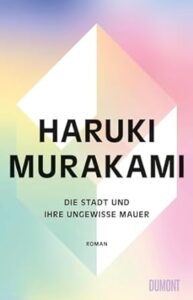
Ich dachte, Haruki Murakami könnte mich nicht mehr überraschen, und ich hätte seinen Sound dechiffriert. Mein erstes Buch von dem japanischen Meister kam noch beim Suhrkamp Verlag heraus, und es hiess „Wilde Schafsjagd“. Später dann mein Lieblingsroman: „Mister Aufziehvogel“, da hatte ich „nur“ die alte Übersetzung. Ein Buch, in dem ich vollkommen verschwand. Mit einem Schmunzeln verrate ich, dass da manche Dinge auftauchten, für die der Autor bekannt ist (mysteriöse Frauen, verschwundene Katzen, Telefonsex, Spaghetti). „Der beste Weg, über die Realität nachzudenken“, erklärt Murakami, „ist, sich so weit wie möglich von ihr zu entfernen.“ Teils Detektivgeschichte, teils alptraumhafte Version von Alice im Wunderland. Und nun, vor Wochen, hat er mich wieder eingefangen, und der Zauber wirkt immer noch nach: „Die Stadt und ihre ungewisse Mauer“. Einmal mehr übersetzt von der grossartigen Übersetzerin Ursula Gräfe.
Bleiben wir bei der Magie und ihren bizarren Zugängen zu unserem scheinbar so realen Leben. „Die Seele aller Zufälle“ von Fabio Stassi. Das neue Abenteuer von Vince Corso, Detektiv und Bibliotherapeut, in einem labyrinthischen Rom. Mehr wird nicht verraten ausser: wer einen Deal mit Haruki hat, gerät auch hier leicht in einen Leserausch. An einer Stelle verrät Vince: „Jedes Buch ist ein Resonanzkörper. Und ich bin sicher, dass es Musikalität ausbilden kann, eben weil es Musik ist. in nicht allzu ferner Zukunft wird Patty Smith den Nobelpreis für Literatur bekommen.“

Lange, bevor Herr Gregor auf Sylt Jukeboxen installierte, und in Leinfelden-Echterdingen den ersten deutschen Paul Murray Fanclub gründete, habe ich ihn auf den Burner „An Evening of Long Goodbyes“ aufmerksam gemacht, der mit dem gleichen Titel als deutsche Übersetzung herauskam. Unendlich witzig und traurig, wie auch der Nachfolger „Skippy stirbt“. Ich bin ganz heiss auf sein jüngstes Buch, „Der Stich der Biene“, aber meine bessere Hälfte hat es sich heimlich hergenommen, und versteckt es tagsüber an den unmöglichsten Orten. Keine Chance vorerst, an den 700 Seiten starken Schmöker heranzukommen. So geht „Familienroman“.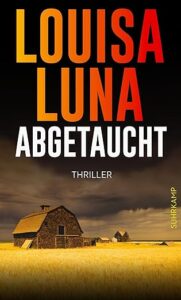
Bis dahin werde ich mich in Ilona, Oregon, umtun. „Vor Dekaden ist Footballstar Zeb aus dem Stadion weggerannt. Jetzt soll Alice Vega den Abgetauchten in Ilona suchen, stößt auf den Kleinstadtking, seinen Sheriffkumpel und ein Rassistennest. Legt sich mit ihnen und den Hintermännern an, schützt die Schwachen und säubert die Stadt. Hardboiled feministisch.“ Louisa Lunas „Abgetaucht“ ist im April an Nummer 1 der Krimizeit-Bestenliste gesetzt. Der Suhrkamp Verlag hat in diesem Jahrhundert schon so etliche verdammt gute Kriminalromane verlegt (Andreas Pflüger, Don Winslow et al), und meine Leseprobe (Kapitel 1) lässt mich vermuten, dass auch dieses Buch ein Kracher sein könnte. Hardboiled halt. Die frauliche Variante. Alte Dashiell Hammett-Schule mit einem Twist.
„Immerwährende Verwandlung“
„Wir waren noch nie eine wirklich emotionale Band“, stellte Lloyd Swanton nach dem ersten Set des letzten der vier Abende der Necks im Cafe Oto in London in dieser Woche trocken fest, „aber es scheint sich einzuschleichen“.
Ich hatte versucht, ihm etwas zusammenhanglos zu sagen, wie sehr mich das, was sie gerade gespielt hatten, bewegt hatte, und vor allem, dass es etwas über den aktuellen Zustand der Welt auszudrücken schien. Seine reflexartige Antwort deutete darauf hin, dass es bei dem, was er und seine Kollegen im australischen Trio tun, in erster Linie um die Noten geht, um den Prozess des gemeinsamen Improvisierens von drei Musikern ohne vorgegebenes Material und schon gar nicht mit einem programmatischen Inhalt im Kopf. Was nicht heißen soll, dass es keine emotionale Erfahrung ist, ihnen zuzuhören. Das ist es fast immer, aber die Emotionen, die sie hervorrufen, sind meist unspezifisch.
Zumindest mir schien es, dass das erste Set am Donnerstag etwas anders war. Es begann ganz normal, nachdem sie und das Publikum sich niedergelassen hatten, wobei ein Mitglied – diesmal Swanton – die Stille brach. Während er eine einzelne Note auf seinem Kontrabass zupfte, sie wiederholte und eine Oktave tiefer wiederholte, manchmal zu seinem Bogen wechselte, und anfangs mit langen Pausen, stimmte Tony Buck ein, indem er die Schlägel sanft um seine Tom-Toms und Becken kreisen ließ, gefolgt von Chris Abrahams, der nachdenkliche maurische Figuren in den mittleren und oberen Oktaven des Klaviers auswählte.
Eine Zeit lang schien nicht viel zu passieren. Das war nicht unbedingt eine Überraschung. Später sagte Buck, er habe sich Sorgen gemacht, dass es „ein bisschen verwaschen“ angefangen habe. Aber in den 20 Jahren, in denen ich ihre Auftritte besuche, habe ich gelernt, zu warten, als Zuhörer die gleiche Geduld aufzubringen wie sie als Spieler, in dem Wissen, dass die Überraschung kommen wird. In der Tat sind sie der Beweis dafür, dass der Klang der Überraschung langsam entstehen kann, durch allmähliche Anhäufung.
Dieses Mal führte der Prozess der Anhäufung zu etwas Außergewöhnlichem. Als das Spiel aller drei immer hektischer wurde, die Texturen sich verdichteten, die Räume sich schlossen und die Lautstärke zunahm, all das geschah fast unmerklich, hatte man das Gefühl, Dinge zu hören: Glocken, Schreie, Schüsse. Es war eine Illusion. Sie waren nicht da, und es gab auch niemanden, der versuchte, sie zu erzeugen. Aber irgendwie waren sie präsent – jedenfalls für mich – in den Obertönen, die vom Klavierdeckel reflektiert wurden, im Kratzen und Keifen des Basses und im harten Knacken der großen Trommel gegen die sich überlagernden Spritzer des Beckens.
Schließlich erreichte das Stück eine Intensität, die etwa 15 Minuten lang anhielt, bevor es durch ein kollektives Diminuendo allmählich wieder in die Stille zurückgeführt wurde. Und in diesen 15 Minuten konnte ich nicht umhin, die Bilder wiederzugeben, die wir seit Monaten jeden Abend in den Fernsehnachrichten sehen – Bilder von Gebäuden, Straßen, ganzen Städten, die in Trümmern liegen, von der Zählung der Toten und der Flucht der Lebenden, die Art von totalem Krieg, von dem wir dummerweise geglaubt haben, er gehöre der fernen Vergangenheit an.
Ich bin mir sicher, dass die Mitglieder der Necks nicht daran gedacht haben, als sie die Musik ins Leben riefen. Es ist eher das, was der Pianist Vijay Iyer im Sinn hatte, als er mit der Bassistin Linda May Han Oh und dem Schlagzeuger Tyshawn Sorey ein neues Trio-Album aufnahm, dessen Titel Compassion ausdrücklich auf das Thema hinweist. „In der Musik geht es immer um die Welt um uns herum, sie wird von ihr belebt und verleiht ihr Ausdruck: Menschen, Beziehungen, Umstände, Offenbarungen“, schreibt Iyer im Booklet und beschreibt damit die Verantwortung, die er darin sieht, in einer Zeit des Leidens Kunst zu machen.
Ich habe die Necks schon früher Musik spielen hören, die keine Angst vor Hässlichkeit hat (ein haarsträubendes Triple-Forte-Set im Café Oto im Jahr 2013 ist mir in Erinnerung geblieben), aber noch nie etwas, bei dem die Art von Reaktionen, die sie normalerweise hervorrufen – einschließlich, aber nicht beschränkt auf Euphorie und Erhabenheit -, so eindrucksvoll durch diese ganz andere Art von Transzendenz ersetzt wurden, ein anhaltendes Geheul, das etwas ausdrückt, das jenseits von Worten liegt und doch irgendwie sehr spezifisch ist.
Das war also das fünfte der sechs Sets, die ich in dieser Woche gehört habe, und das sechste war, wie üblich, ganz anders. Abrahams eröffnete es mit einem Rückgriff auf die Art von Dingen, die den Gebrauch von Adjektiven wie „leuchtend“ und „züngelnd“ provozieren. Aber auch hier gab es eine Überraschung, als sich das Stück zu einem Essay über die Verwendung asynchroner Rhythmen entwickelte, ein Feld, das sie in den letzten Jahren erschlossen haben, in dem jeder seinen eigenen Puls oder sein eigenes Metrum festlegt und es im Verlauf des Stücks beibehält, ohne die Nähe zum Hören der anderen aufzugeben. Im besten Fall führt dies zu einer Art höherem Zusammenspiel – und das war die Praxis in ihrer besten Form, die einen rhythmischen Sog erzeugte, der beim Publikum eine ganz andere Reaktion auslöste.
All das ist weit entfernt von der Art passiver Musik für Zen-Meditation, mit der sie manchmal fälschlicherweise in Verbindung gebracht werden, und ein unwiderlegbarer Beweis für ihr Engagement, das sich nun schon weit in das vierte Jahrzehnt erstreckt, für eine ständige Selbstregeneration, von der wir die glücklichen Nutznießer sind.
(übersetzt von Deepl – das Original findet sich auf Richard Williams‘ Blog „The Blue Moment“. Ich wünsche mir, eine Woche der Necks, ob im Cafe Oto in London oder sonstwo, würde mit einer 10 Lps (6 Cds) umfassenden Vinylbox dokumentiert, ähnlich wie einst Keith Jarretts „Sun Bear Concerte“. m.e.)
“Abandoned Cathedral“
The new TV series with Colin Farrell features the track «Abandoned Cathedral» composed by Bang/Henriksen. Taken from the Arve Henriksen „Places of Worship“ album, produced by Bang/Honoré. „John Sugar“ ist seit Freitag auf „apple plus“ zu sehen. Die Serie wagt den Blick hinter die Kulissen einer Hollywood-Story, die beides enthält, Verklärung und Desillusionierung. Was Scheinwelten betrifft, ist die Kernszene jene mit Gena Rowlands aus John Cassavetes’ „Minnie and Moskowitz“; darin beklagt sie, natürlich angeheitert und tottraurig, den Film als Verblendung, die einem die Existenz von Romantik und Liebe und guten Menschen nur vorgaukelt, während man in der echten Welt vergebens danach Ausschau hält. Nun ja. Aber auch die Macher von „John Sugar“ sind begnadete Gaukler, die ihre Genre-Versatzstücke über acht Episoden hinweg als Köder für eine facettenreiche Betrachtung der menschlichen Verfassung auslegen – und dabei die Magie des Kinos immer wieder spürbar machen. Man lasse sich nicht von den vielen Verrissen dieser Serie täuschen: „True Detective“, Staffel 2, wurde nur zu gerne niedergemacht – welch ein Irrtum! „John Sugar“ verströmt einen spziellen Zauber, wenn man sich auf das Spiel von Original und Fälschung einlässt. Und hier einmal die Musik von Arve und Jan zu hören, während „Sugar“ mit seinen Essstäbchen Fliegen fängt und wie Marlowes Geist über das Leben sinniert, das hat doch etwas! Wer nach den 8 Folgen nachlegen möchte, dem empfehle ich „Tote tragen keine Karos“ mit Steve Martin, die Neuübersetzung von Dashiell Hammetts „Der dünne Mann“, und die beste britische Kriminalserie der letzten sechs Monate, „Criminal Record“, auch auf Apple +.„Kind instruction for falling in love“
Percussionist and drummer and former Talk Talk-member Lee Harris is credited as co-composer of some songs of Beth Gibbons’ forthcoming „Lives Outgrown“. The fact Lee calls the album „a psychedelic, pastoral, wild explosion“, first listenings, and a photo from Beth with a dog in an open landscape made me think of distant relationships with Van Morrison‘s „Veedon Fleece“. Both works seem too unique to be compared with one another, except for the always ungraspable „flow“. Or is there more? Let us think twice and listen to both albums one after the other, perhaps some time in summer. On a long afternoon.
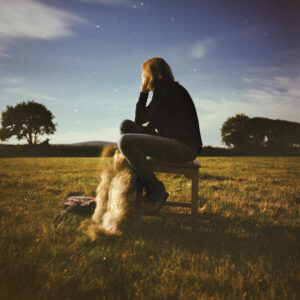
Start with Van‘s album that is much lighter, moodwise (a first and second impression only, i can tell you that) and more sparse in instrumentation – in the end both create their own peculiar air and atmosphere, and depth. A „woody“ feel. Beth‘s work will (i bet on it) make some critics throw in „The Wicker Man“ (a playful, hypermelodic soundtrack for an otherwise noir folk story), while Van‘s songs shy away away from such ghosts creating another green world of flamboyant dreams (a troubadour‘s modus operandi, on the surface, dear reader). Finally they might meet on some middle ground, take their places, and exchange stories about Thomas Hardy‘s „Tess“. Or what the heaven do I know! Whatever draws you in somebody else‘s world! These albums surely do. And about lives outgrown, they both have a whole lot to tell.

So much darkness hidden in the uplifting flow, even dangerous words turn to sounds, at first, on „Veedon Fleece“. Thus „shattering“, and „devastating“ – another common ground between these longplayers from 1974 and 2024. Ben Chasny is „Six Organs of Admittance“, and he writes: „There are so many devastating moments on Van Morrison‘s „Veedon Fleece“ that to list only a few would be total injustice to the rest. But fuck it, what the fuck is just in this world? Well at least we can experience hope in one man’s search for light. Right? So let’s talk about the way Van ends “Linden Arden Stole The Highlights” with the line, „now he’s living with a gun“ and then starts up the very next song by throwing his voice way up on top of his vocal chords and letting it settle down to a calmer note while singing, „oh well it’s lonely, when you’re living with a gun.“ Ah, I’m not a good enough writer to explain how magical it is. You’ll just have to trust me. Or we could talk about how it’s a whiskey drinking record, an alchemical rumination, a journal of his post-divorce drive through the Irish countryside, or his most thoroughly William Blake influenced work ever (just look at his hair on the cover, for Christ’s sake!).“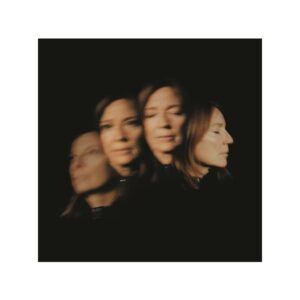
In the first longer text about Beth’s album (Mojo, April) , James Ford reveals that that this first single, „Floating On A Moment“ „is probably one of the cheerier songs. It kind of goes bleaker from there. It’s related to real stuff and it’s from a real place, to the point where it’s almost painful to listen to sometimes. But there’s a beauty in the sadness.” And in a rare statement, Beth adds: “My fifties have brought for ward a new, yet older, horizon. It has been a time of farewells to family, friends and even to who I was before, the lyrics mirroring my anxieties and sleepless nighttime ruminations… I wanted to draw away from breakbeats and snares, focusing on the woody fabric of timbres, away from the sugary addiction of high frequencies.” In strange ways, with their dreamlike voyages, ambivalent textures, and power to transcend the everyday „Veedon Fleece“ and „Lives Outgrown“ deliver some unexpected closeness, so to speak. Beyond being from two redhairs with red-haired dogs. Don‘t wait for summer.
Tell me who you are today
1. Tell Me Who You Are TodayWritten by Beth Gibbons and Lee Harris / Beth Gibbons: Vocals, Acoustic Guitar, Backing vocals / Lee Harris: Drums, Daff, Percussion, Mellotron / James Ford: Backing vocals, Harmonium, Mellotron, Vibraphone, Piano spoons, Double bass / Strings, Woodwind and Brass performed by Orchestrate / Strings, Woodwind and Brass written by Lee Harris, arranged by James Ford, Lee Harris and Bridget Samuels
SAG MIR, WER DU HEUTE BIST
Wenn ich ändern könnte, wie ich mich fühle / Wenn ich meinen Körper heilen könnte / Frei von allem, was ich im Inneren höre / Alles von meiner Hand vorgetragen / Ein heidnischer Kummer mein Befehl / Hier bin ich eine einsame Liebe / Ich falle jetzt / Ich falle ein / Komm herbei / Hör mir zu / Sag mir alles, was du sagen willst / Sag mir, wer du heute bist / Frei von allem, was ich im Inneren höre / Komm hier rüber / Hör mir zu / Komm hier rüber / Hör mir zu / Komm hierher… zu mir
Es folgt, in den kommenden Tagen, ein Text über diese lyrics, die Instrumentierung, und diesen Song, mit dem Beth Gibbons‘ Album, das am 17. Juni erscheinen wird, beginnt. Die Übersetzung ist von Deepl.