“Abandoned Cathedral“
The new TV series with Colin Farrell features the track «Abandoned Cathedral» composed by Bang/Henriksen. Taken from the Arve Henriksen „Places of Worship“ album, produced by Bang/Honoré. „John Sugar“ ist seit Freitag auf „apple plus“ zu sehen. Die Serie wagt den Blick hinter die Kulissen einer Hollywood-Story, die beides enthält, Verklärung und Desillusionierung. Was Scheinwelten betrifft, ist die Kernszene jene mit Gena Rowlands aus John Cassavetes’ „Minnie and Moskowitz“; darin beklagt sie, natürlich angeheitert und tottraurig, den Film als Verblendung, die einem die Existenz von Romantik und Liebe und guten Menschen nur vorgaukelt, während man in der echten Welt vergebens danach Ausschau hält. Nun ja. Aber auch die Macher von „John Sugar“ sind begnadete Gaukler, die ihre Genre-Versatzstücke über acht Episoden hinweg als Köder für eine facettenreiche Betrachtung der menschlichen Verfassung auslegen – und dabei die Magie des Kinos immer wieder spürbar machen. Man lasse sich nicht von den vielen Verrissen dieser Serie täuschen: „True Detective“, Staffel 2, wurde nur zu gerne niedergemacht – welch ein Irrtum! „John Sugar“ verströmt einen spziellen Zauber, wenn man sich auf das Spiel von Original und Fälschung einlässt. Und hier einmal die Musik von Arve und Jan zu hören, während „Sugar“ mit seinen Essstäbchen Fliegen fängt und wie Marlowes Geist über das Leben sinniert, das hat doch etwas! Wer nach den 8 Folgen nachlegen möchte, dem empfehle ich „Tote tragen keine Karos“ mit Steve Martin, die Neuübersetzung von Dashiell Hammetts „Der dünne Mann“, und die beste britische Kriminalserie der letzten sechs Monate, „Criminal Record“, auch auf Apple +.„Kind instruction for falling in love“
Percussionist and drummer and former Talk Talk-member Lee Harris is credited as co-composer of some songs of Beth Gibbons’ forthcoming „Lives Outgrown“. The fact Lee calls the album „a psychedelic, pastoral, wild explosion“, first listenings, and a photo from Beth with a dog in an open landscape made me think of distant relationships with Van Morrison‘s „Veedon Fleece“. Both works seem too unique to be compared with one another, except for the always ungraspable „flow“. Or is there more? Let us think twice and listen to both albums one after the other, perhaps some time in summer. On a long afternoon.
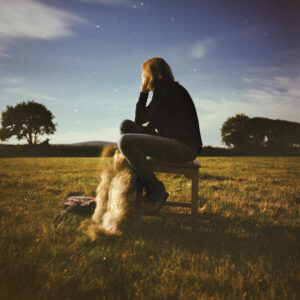
Start with Van‘s album that is much lighter, moodwise (a first and second impression only, i can tell you that) and more sparse in instrumentation – in the end both create their own peculiar air and atmosphere, and depth. A „woody“ feel. Beth‘s work will (i bet on it) make some critics throw in „The Wicker Man“ (a playful, hypermelodic soundtrack for an otherwise noir folk story), while Van‘s songs shy away away from such ghosts creating another green world of flamboyant dreams (a troubadour‘s modus operandi, on the surface, dear reader). Finally they might meet on some middle ground, take their places, and exchange stories about Thomas Hardy‘s „Tess“. Or what the heaven do I know! Whatever draws you in somebody else‘s world! These albums surely do. And about lives outgrown, they both have a whole lot to tell.

So much darkness hidden in the uplifting flow, even dangerous words turn to sounds, at first, on „Veedon Fleece“. Thus „shattering“, and „devastating“ – another common ground between these longplayers from 1974 and 2024. Ben Chasny is „Six Organs of Admittance“, and he writes: „There are so many devastating moments on Van Morrison‘s „Veedon Fleece“ that to list only a few would be total injustice to the rest. But fuck it, what the fuck is just in this world? Well at least we can experience hope in one man’s search for light. Right? So let’s talk about the way Van ends “Linden Arden Stole The Highlights” with the line, „now he’s living with a gun“ and then starts up the very next song by throwing his voice way up on top of his vocal chords and letting it settle down to a calmer note while singing, „oh well it’s lonely, when you’re living with a gun.“ Ah, I’m not a good enough writer to explain how magical it is. You’ll just have to trust me. Or we could talk about how it’s a whiskey drinking record, an alchemical rumination, a journal of his post-divorce drive through the Irish countryside, or his most thoroughly William Blake influenced work ever (just look at his hair on the cover, for Christ’s sake!).“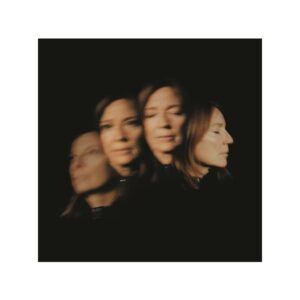
In the first longer text about Beth’s album (Mojo, April) , James Ford reveals that that this first single, „Floating On A Moment“ „is probably one of the cheerier songs. It kind of goes bleaker from there. It’s related to real stuff and it’s from a real place, to the point where it’s almost painful to listen to sometimes. But there’s a beauty in the sadness.” And in a rare statement, Beth adds: “My fifties have brought for ward a new, yet older, horizon. It has been a time of farewells to family, friends and even to who I was before, the lyrics mirroring my anxieties and sleepless nighttime ruminations… I wanted to draw away from breakbeats and snares, focusing on the woody fabric of timbres, away from the sugary addiction of high frequencies.” In strange ways, with their dreamlike voyages, ambivalent textures, and power to transcend the everyday „Veedon Fleece“ and „Lives Outgrown“ deliver some unexpected closeness, so to speak. Beyond being from two redhairs with red-haired dogs. Don‘t wait for summer.
Tell me who you are today
1. Tell Me Who You Are TodayWritten by Beth Gibbons and Lee Harris / Beth Gibbons: Vocals, Acoustic Guitar, Backing vocals / Lee Harris: Drums, Daff, Percussion, Mellotron / James Ford: Backing vocals, Harmonium, Mellotron, Vibraphone, Piano spoons, Double bass / Strings, Woodwind and Brass performed by Orchestrate / Strings, Woodwind and Brass written by Lee Harris, arranged by James Ford, Lee Harris and Bridget Samuels
SAG MIR, WER DU HEUTE BIST
Wenn ich ändern könnte, wie ich mich fühle / Wenn ich meinen Körper heilen könnte / Frei von allem, was ich im Inneren höre / Alles von meiner Hand vorgetragen / Ein heidnischer Kummer mein Befehl / Hier bin ich eine einsame Liebe / Ich falle jetzt / Ich falle ein / Komm herbei / Hör mir zu / Sag mir alles, was du sagen willst / Sag mir, wer du heute bist / Frei von allem, was ich im Inneren höre / Komm hier rüber / Hör mir zu / Komm hier rüber / Hör mir zu / Komm hierher… zu mir
Es folgt, in den kommenden Tagen, ein Text über diese lyrics, die Instrumentierung, und diesen Song, mit dem Beth Gibbons‘ Album, das am 17. Juni erscheinen wird, beginnt. Die Übersetzung ist von Deepl.
…diese Leben, aus denen man herauswächst…
Nein, damit hatte ich nicht gerechnet. Es traf mich so unmittelbar wie das erste Hören von Marianne Faithfulls „Negative Capability“. Und bei aller Zuneigung zu Beth Gibbons, und dem Zauber von Portisheads „Dummy“, von Portisheads nach wie vor betörend-verstörendem „Third“, von ihrer zurecht gerühmten Zusammenarbeit mit Rustin Man auf „Out Of Season“… ja, natürlich, alles braucht seine Zeit, aber was hier passiert ist (die Lieder sind über Jahre gewachsen, das Kernteam Beth und Lee Harris, der Trommler von Talk Talk, und da war, später, eine handverlesene Schar, sowie der Multiinstrumenalist und Produzent James Ford)… also, das war auch nach dem ersten Songvideo (das noch hellere Farben mit sich führte) so naheliegend nicht. Auch die Stimme reisst Räume auf, wie ich es noch nie von ihr gehört habe. In einem ziemlich unheimlichen Labor herrlich alter, versponnener Klänge. Ist „shattering“ das Wort? Oder „devastating“, wenn die dünne Linie zwischen Schmerz und Schönheit ins Spiel kommt. Deep as deep can go. Machen wir‘s kurz: she has painted her masterpiece. Es erscheint am 17. Mai. „Lives Outgrown“.Nachklang
Dieses Album von Beth Gibbons, das am 17. Mai erscheint, hat mich kalt erwischt. Dass ich so oft darüber schreibe, hängt damit zusammen, dass es mich nicht loslässt und seltsame Dinge mit mir anstellt. Manche Passagen erinnern mich an ganz alte Klänge, die ich immer noch nicht unterbringen kann. Im Auto lege ich die Cd ein ums andere Mal in den Player, und höre dann immer nur einen Song, etwa auf dem Weg zur Bäckerei. Beth Gibbons is channeling something. Vielleicht sind es Momente, Schwingungen, Atmosphären, aus frühen Alben von Dead Can Dance (das rituelle Element), oder der mythenumwobenen Platte „Les mystères des voix bulgares“. Aber da ist nichts abgekupfert. Ich werde mir verbieten, im Radio das Wort „archaisch“ zu benutzen, wenn ich über „Lives Outgrown“ spreche. Die lyrics sind auch speziell, weil sie erstmal so allerweltsmelancholisch daherkommen, an den Oberflächen, und ich dachte lange, Beth Gibbons kann halt auch ein Telefonbuch in einen Monolog von Sophokles verwandeln. Aber mit der Zeit dringt auch die Semantik zu mir, einzelne Verse ragen wie scharfe Kristalle aus den perkussiven Schleierwelten. Ich glaube auch, dass, so verrückt sich das anhört, sie jedes Lied mit einer subtil anderen Stimmlage vorträgt. So als wäre sie ganz bei sich angekommen, aber nicht im Sinne der Nachwirkungen eines tiefgründigen Wochenendworkshops. No message, no teacher, no easy way out. „Lives Outgrown“ is devastating in the best sense. Und sowas von archaisch.
Erschütterungen in Gaza
Zwar mehren sich die Stimmen der Mahnung an Israel, aber mit einer Verhaltenheit, die blossen Lippenbekenntnisse nahekommt. In propagandistischer Manier unterstützen Blätter wie „Bild“, aber auch als seriöser geltende Zeitungen, die Schwarzweissmalerei des Schulterschlusses mit Israel. Es ist keine Frage, dass, was die Hamas anrichtete, in ihrem Massaker, widerwärtig war, und dass es angemessen ist, jeden Beteiligten, jedem Drahtzieher zur Rechenschaft zu ziehen, aber nicht in einer Art und Weise, die die Tötung Unschuldiger zum Kollateralschaden erklärt.
Das, was die israelische Regierung in Gaza anrichtet, ist genauso schändlich und widerwärtig wie das Massaker der Hamas. Unendlich peinlich ist es, wenn Künstler zu „Israelhassern“ erklärt werden, wenn sie gegen die faktisch unzweifelhaften Kriegsverbrechen der israelischen Führung aufbegehren. Sinngemäss titelte der Kölner Stadtanzeiger, was denn davon zu halten sei, wenn einige unserer Lieblingskünstler, und viele Künstler überhaupt, sich als Israelhasser erweisen. Brian Eno, Julia Holter, Jonathan Glazer, Susan Sarandon und so viele andere haben eben überhaupt nichts Antisemitisches an sich, wenn sie die bestialischen Tötungen der Hamas und der Israelis auf eine Stufe stellen. Gaza ist am Rande einer Hungersnot, zurückhaltend ausgedrückt. Tausende und Tausende unschuldiger Kinder und Frauen (und sicher auch unschuldiger Männer) wurden liquidiert, mit dem Argument, die Verbrecher der Hamas ausfindig zu machen. Wer ist schuld an diesen Verbrechen. Die Hamas – und, in gleichem Masse, die israelische Regierung. Das sind keine Kollateralschäden, das sind Verbrechen, die von internationalen Strafverfolgungsbehörden genauso ernsthaft deklariert werden müssen, wie Putins Angriffskrieg.
Natürlich machen es Aktionen wie „Strike Germany“ der anderen Seite zu leicht, wenn einige historische Darstellungen in ihrer Grundsatzerklärung drastisch überzogen sind und in Teilen falsch. Ändert aber nichts an der angenesseneb Kritik an einer unseligen Unterstützung eines hasserfüllten Regimes – die Regierung Netanjahu und ihr Handeln lassen keine Zweifel daran, dass hier schändliche Rachepolitik betrieben wird. Die mahnendem Worte von Seiten der Grünen oder Joe Bidens, sind, so ernst gemeint sind, unglaubwürdig, solange keine Taten folgen. Natürlch wird es kompliziert, wenn nun eine anderes Unrechtsregime wie der Iran nun eingreift. Ich empfinde tiefe Verachtung für die Hamas und die israelische Kriegsführung. Als ich erstmals über Julia Holters Album schrieb, bekam ich zeitnah dden comment eines Verpeilten, der mich ernsthaft fragte, wieso ich so einer Künstlerin, die „Strike Germany“ unterstütze, eine Plattform biete. Lächerlich. Und natürlich anonym.
Ich weiss auch sehr gut, dass meine Worte hier nichts ausrichten. Aber ich schreibe sie trotzdem. Ich sitze in dem Bonner Café mit dem feinen Namen „Black Coffee Pharmacy“ und warte auf unsere Pflegetochter, die hier demnächst ihre Anhörung zur Aufenthaltsgenehmigumg hat, und hoffentlich asap uneingeschränktes Aufenthaltsrecht erhält.
Julia, the ocean, and strange lightness (4/5)
Looking back on the whole album, Theo G. writes: „Something in the Room She Moves, Julia Holter’s 6th record, thematically revolves around life and death. Written after the birth of her daughter and dedicated to the memory of her young nephew who recently passed away, it sonically incorporates these paradoxical forces seamlessly. There’s an almost unbearable lightness to her best work and Something in the Room She Moves has that in spades.“ Looking back on the album, that‘s what we will do, too, in the last part of our approach to the album, and i do thank Julia Holter very much following our thoughts and questions and thinking out loud… for now, let‘s start with the only purely instrumental piece, “Ocean“ …
Ocean
Michael: The ambient piece, the oceanic piece. Julia is smart: instead of delivering a purely peaceful landscape, she let‘s the uncanny in sideways, after a while. You never know, oceanwise… it ends on a tranquil note though.
Olaf: Nothing to add. „Ocean“ is another proof of Julia Holter‘s versatility; unique music, that fits perfectly at this moment. And it wouldn‘t feel out of place on any state of the art ambient album. This snapshot of the ocean was made in the evening, which brings us to the next song.Evening Mood
Olaf: A counterpart to „These Morning“. Being tired after a long day, its events appear like a mild vortex on the threshold of sleep. The voice binds the musial elements of this vortex into a song. Again: lovely singing, beautiful bass playing – and a dash of Harmonia towards the end.
Michael: Really, Harmonia? Have to listen again with your ears. The calmness, and the apparitions of the day receding… but after initial moments of letting loose and introspection , a lingering irresisitibe melody blows new life into the singer‘s voice and leads us through the evening‘s offerings between the wistful and the dreamlike. All in perfect union with heightened awareness. (From start on, listening to this album requires a very relaxed state of mind. My trick: darkness and a candle.)
30
01. Beth Gibbons: Lives Outgrown
02. Shabaka: Perceive Its Beauty, Acknowledge Its Grace
03. Fred Hersch: Silent. Listening
04. Nala Sinephro: Endlessness
05. Eric Chenaux: Delights Of My Life
06. Tindersticks: Soft Tissue
07. Alva Noto: Hybrid III
08. Laura Cannell: The Rituals of Hildegard Reimagined
09. Søren Skov Orbit: Adrift
10. Laurie Anderson: Amelia
11. Clevelode: Muntjac
12. Julia Holter: Something In The Room She Moves
13. Kalma / Chiu / Honer: The Closest Thing To Silence
14. The Necks: Bleed
15. Jessica Pratt: Here In The Pitch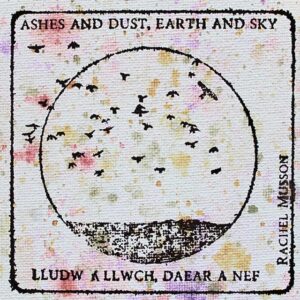
16. Anna Butterss: Mighty Vertebrate *
17. Sidsel Endresen: Punkt Live Remixes, Vol. 2
18. Warrington-Runcorn New Town Development Plan: Your Community Hub
19. Jakob Bro: Taking Turns
20. Hayden Thorpe: Ness
21. Erik Honoré: Triage
22. Danish String Quartet: Keel Road
23. Rachel Musson: Lludw A Llwch, Daear A Nef
24. Kit Downes / Bill Frisell / Andrew Cyrille: Breaking The Shell
25. Miguel Atwood Ferguson: Les jardins mystiques Vol. 1
26. Gillian Welch / David Rawlings: Woodland
27. Einstürzende Neubauten: Rampen
28. Wadada Leo Smith & Amina Claudine Myers:
29. Hommage to Sun Ra with Kronos Quartet, Laurie Anderson et al
30. Pan American: that beautiful ambient albumWaiting for Underworld and Father John Misty.
Putting together a year’s end list is
like playing solitaire by the window.Die finale Liste am Nikolaustag.
Vorstehende Bühnenkraft

Diese „vorstehende Bühnenkraft“ war ein gewisser John Lennon, eingestellt als „musician“ von einer „Manfred Weissleder KG“ in Hamburg-Altona. Später erfahren wir anhand des Bon-Buches, dass jener John gern mal einen Weinbrand zu sich nahm, während sein Mitstreiter Paul McCartney Fanta bevorzugte.
Es ist klar, hier geht es um den „Star-Club“. Es geht um die Frühzeit der Beatles in Hamburgs Rotlichtbezirk St. Pauli, wo sie, wie John zu sagen pflegte, „erwachsen geworden sind“.
Zunächst aber verrät das Buch des Musikjournalisten und Beatles-Kenners Nicola Bardola und dem langjährigen Betreiber des Rockmuseums im Münchner Olympiaturm, Herbert Hauke, wie sie in den Besitz zweier abgegriffener Leitz-Ordner gekommen sind: Ein anonym bleiben wollender Spender vertraute sie Hauke wie in einem Spionageroman nach vorsichtigen Vorgesprächen bei einem Treff an einer Autobahnraststätte an. Hauke wurde allerdings erst wirklich wach, als er beim oberflächlichen Durchblättern das Logo des Hamburger Star-Clubs entdeckte. Und dann ging es Schlag auf Schlag. Die Ordner enthielten unglaubliche Schätzchen, von Taxiquittungen bis zu Künstlerverträgen, von hingekritzelten Notizzetteln bis zu Briefen an die „Bravo“-Redaktion. Horst Fascher, damals sogenannter „Booker“ und „Manager“ im Star-Club, dem Hauke die Ordner vorlegte, sagte dazu nur: „Steck das mal wieder weg, Junge. Das ist sehr, sehr viel Geld wert.“
Recht hat er. Und weil dieses gesammelte Material wirklich einmalig ist, gibt es das jetzt als großformatiges Buch. Und es sind nicht nur die Namen, die hier auftauchen, es ist die Perspektive, die den Reiz ausmacht. Natürlich weiß man es im Hinterkopf, aber hier kann man Seite für Seite konkret sehen, wie eine Legende wie der Star-Club hinter den Kulissen funktionierte. Auf der einen Seite steht das oft entfesselte Publikum, auf der anderen Seite existiert für jeden Doppelkorn ein handgeschriebener Buchungsbeleg zuzüglich 10% Bedienungszuschlag und inklusive Steueranteil. Die Weinkarte zeigt Liebfrauenmilch und Kröver Nacktarsch (was sonst), und ich habe sie sofort wiedererkannt, die schmalen Schreibblöcke mit der „Niebuhr“-Reklame, auf denen die Kellner die Bestellungen aufnahmen — ich hatte als Kind wohl ein halbes Dutzend dieser Dinger, die vermutlich mein Vater mal aus seiner Stammkneipe mitgebracht hatte. Mit Stempel und Unterschrift wurden die Taxiquittungen für den Transport der englischen Musiker zum Check durch die Fremdenpolizei (ja, die gab es damals noch) ebenso wie die ausgezahlten Gagen abgerechnet — Bill Haley dürfte mit 17.000 Mark der Rekordhalter sein. Und er trat nicht allein auf: Nicht weniger als elf weitere Bands spielten an dem Abend.

Star-Club-Boss Manfred Weissleder war äußerst gewissenhaft, was die Buchführung anging, die Gagen, die er zahlte, waren meist fair, er wusste aber auch genau, wo Geld zu holen war. Die Kellner waren „angehalten, auf den Pfennig abzurechnen“ und „sofort zu kassieren“, der Hausfotograf Günter Zint hatte 60 Mark im Monat zu zahlen, weil er einen der Schaukästen im Eingangsbereich nutzte, um seine Fotos zum Kauf anzubieten, und selbst die Toiletten waren vermietet; Frau Andresen hatte dafür 650 Mark im Monat hinzublättern. Und als die Beatles auf dem Hamburger Fischmarkt aus Jux ein lebendiges Schwein gekauft hatten, das sie durch die Straßen St. Paulis jagten, musste schlussendlich Horst Fascher sie vom Polizeirevier abholen — die 750 Mark Strafe zog ihnen Weissleder von der Gage ab. Hätte man dies alles damals schon elektronisch gemacht, wir würden heute nichts mehr davon wissen.
Wir erfahren auch, was vorher war: Bilder aus dem Liverpooler Cavern Club sind dabei, die Geschichten Pete Bests und Stu Sutcliffs, und nach der Star-Club-Ära geht es weiter bis zur Ordensverleihung durch die Queen. Auch die Fotografin Astrid Kirchherr wird nicht vergessen. Was wir nicht erfahren, ist das nicht so ganz erfreuliche weitere Schicksal Manfred Weissleders, der hier irgendwie verschwindet. Er wurde nur 52. Aber gut, dies ist kein Buch speziell über den Star-Club, sondern über die Beatles. Es ist ein rundum pures Lesevergnügen; auch hält sich der Text angenehm zurück von allzu nostalgischer Anekdotenhaftigkeit. Einziger kleiner Haken: Etliche der gezeigten Faksimiles sind so weit verkleinert, dass man im Grunde eine Lupe braucht, um sie noch lesen zu können, aber die Fülle des präsentierten Materials lässt keine andere Lösung zu.

Nicola Bardola & Herbert Hauke:
Vom Bambi-Kino in den Buckingham-Palast
Unveröffentlichtes, Raritäten und Stories aus der frühen Beatles-Ära
Verlag Andreas Reiffer, ISBN 978-3-910335-60-8
240 Seiten, 40 EuroJulia, the surreal, and the icy (3/5)
Nun, mitten hinein in den Song „These Morning“, und was ihn inspirierte. Julia Holter erinnert sich an einzelne Momente, rote Fäden, die sich durch das Lied ziehen. Wenn von Verleugnung die Rede ist, sind wir fernab des Traumverlorenen. Im vierten Teil geht es um das Ozeanische, das gute alte Element Wasser in diesem Album, und Teil 5 heisst – wer kennt den Film nicht – „Julia und die Geister“… allerlei Geister schwirren hier auch umher, in Holters „Something In The Room She Moves“…
These morning get sunrise
Tall fjord, some time lost
Brush aside any words sinking to the abyss agoSeizing me, these morning (looking out now, looking out now)
Who knows who’s running (there’s nothing I can do)
Melting out
Scared of me
I don’t even do a thing to think about retrieving what drifted away from meJust lie to me
Just lie to me
Just lie to me
Just lie to me
Just lie to me
