Back To The Nineties
In den frühen Neunzigern waren Sonic Youth die vielleicht wichtigste Band für mich. Auch auf Anregung von Ingos Beitrag zu den 80ern habe ich das erste Mal seit bestimmt 20 Jahren mal wieder etwas intensiver deren Musik gehört und war sehr angetan. Da passt es ganz gut, dass Thurston Moore gerade ein Solo Album ankündigt, beim ersten Track ist Laetitia Sadier dabei, noch so eine Lieblingskünstlerin aus jenem Jahrzehnt: „Sans Limites“.
Johnny Trunk: Audio Erotica (Hi-Fi Brochures 1950s – 1980s)
Remember roller-skating while wearing your first Walkman? Or relaxing to easy listening in your pure white Philips lounge? Or playing chess on your JVC tabletop radio? All these scenarios can be found in the geeky and rarefied world of the vintage hi-fi brochure, where graphic design and acoustic apparatus make magical music together.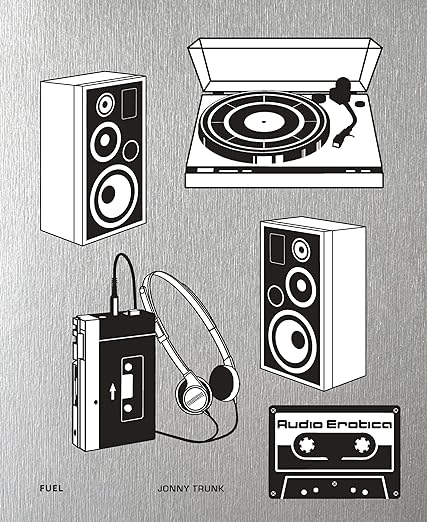
From austere postwar Britain to poppy pre-millennium Japan, Audio Erotica presents a nostalgic nirvana of the strangest and most significant period hi-fi brochures. The volume acts as a companion title to the delightful Jonny Trunk/FUEL publication, Auto Erotica: A Grand Tour through Classic Car Brochures of the 1960s to 1980s and is manufactured in the same format. Alphabetically listed, from Aiwa to Zenith, with Braun, JVC Nivico, Nakamichi, Sony and everything in between, this book will resonate with any music fan.
Setting the tempo are the pipe-smoking, high-end separates (amplifiers, speakers, turntables) of the 1950s, followed by the swinging Dansette record players of the 1960s, the prog-brushed-metal music centers of the 1970s and the sleek capitalist cabinet stack systems of the 1980s—not forgetting the aerobic stereo sound portability facilitated by the boombox, and that final high-fidelity, hardware hurrah: the compact disc.
The evocative brochures in Audio Erotica track the technological development of audio equipment before the digital download, while simultaneously revealing the way hi-fi was marketed to the listening public. With knobs on. A striking screen-printed graphic cover on „brushed aluminum“ paper echoes the hi-fi systems shown in the brochures.Dreams of an Ending
Thanks Michael!
Trying to finish this „album“ up, (what is an album, anyway?) but it gets longer and longer, more and more ideas. I will probably end up with a separate album of cast-offs and insane live cuts from ages ago when we were not afraid to lose our hearing, and the hearing of our audiences.
Nearly two years ago:
I’m still working on the next album. It’s a good one, so I’m taking my time. I have one year left in my studio before I get ejected, so I am in no hurry. (…) I am very happy you are still on the radio. I think your voice & selections are best for the magic hours between midnight and 4AM, but we’re all getting older, and sleep can be its own reward. (I loved working those weekend hours at Minnesota Public Radio in my 20s–radio stations are magical at that time, even though you know there are probably only 20 people listening.) (s.t.)

22.52 Uhr. Hyères. Der Gesang in der Luft. 25 Grad und sternenklar. Nicht nur an der Nordsee kann man von einer Radiostation am Meer träumen. Zu den Ritualen des Herumschweifens zählt auch das Mosaik einer Radionachtstunde – so sähe sie im Moment aus, lauter neue Produktionen des Jahres 2024 (aber wo bringe ich den Central Park unter, die Träumereien von Wadada Leo Smith und Amina Claudine Myers?)… 1 Alva Noto 2 Kali Malone 3 Julia Holter 4 Warrington Runcorn New Town Development Plan 5 David Boulter 6 Erik Honoré 7 Pan American & Kramer 8 Beth Gibbons 9 Bill Frisell. Das von mir gewählte Stück von „Orchestras“ hätte auch auf Beth Gibbons Mix-Tape „Mellow Beth“ in Brüssel laufen können in ihrem Vorabendprogramm. Neben diesem hier: “Evening Star“. Und natürlich völlig unmöglich, in diese Sequenz jenes wundersam verrückte Album aus den Achtzigern hier hereinzuschmuggeln, das ich mir zum Record Store Day besorgte: Suns of Arqa: Wadada Magic. (m.e.)
Rahaf Fadi Nasser
Heute ist das größte Fest des Islams. Wer kann, pilgert nach Mekka, um den Haddsch zu feiern.Dort wird hauptsächlich für die Menschen in Gaza gebetet. Es gibt zwei Frauen, die für die Palâstinenser singen. Die große Fairuz erhob bereits in den 60ern ihre markante Stimme. In dem Song for Palästina klagt sie das große Leid an, das Frauen und Kindern angetan wird. Lasst uns für sie beten. Heute singt eine junge Medizinstudentin auf den kaputten Straßen von Gaza für die Kinder, um sie froh zu machen. Sie singt Lieder von Fairuz, immer wieder Zahrat Al Mada‘ in. Das ist eine Anklage an die Menschheit. Wo warst du als das Ganze passierte, wir sterben hier und keiner verteidigt und,Alle sehen zu und keiner hilft. Rahaf Fadi Nasser sitzt mit ihrer Gitarre auf den Trümmern und singt für die Straßenkinder. Ich habe mir einige Videos angeschaut, nachdem ich sie in der SZ entdeckt hatte. Das ist Trostmusik, das ist ein tuned Schrei an die Welt.
Mahler 5
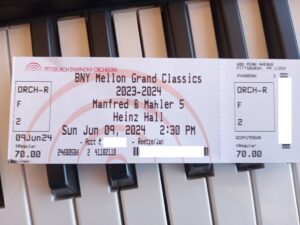
Jessie Montgomery: Coincident Dances
Michael Daugherty: Songs of the Open Road for Oboe, Horn and Orchestra (World Premiere)Gustav Mahler: Symphony No. 5
Pittsburgh Symphony Orchestra
Manfred Honeck, conductorCynthia Koledo DeAlmeida, oboe
William Caballero, hornPittsburgh, Heinz Hall, June 9, 2024

Manfred Honeck
Man kann sich natürlich fragen, weshalb eigentlich für Klassik-Konzerte immer wieder dieselben alten Schlachtrösser programmiert werden — Beethoven, Brahms, Mozart, Bruckner, und eben Mahler. So ähnlich habe ich neulich auch gesprächsweise gefragt, weshalb eigentlich immer neue Bücher zum Thema Krautrock erscheinen, einem Thema, das doch eigentlich längst abgedroschen sein müsste.
Lassen wir mal außen vor, dass gerade amerikanische Orchester zusehen müssen, woher sie ihr Geld bekommen, sie sind ja nicht staatlich subventioniert. Aber selbst, wenn sie subventioniert wären, wäre das falsch gedacht: Denn immer wieder sind neue Besucher da, die Mahlers Fünfte noch nie live im Konzertsaal gehört haben — wenn sie sie überhaupt je gehört haben. Und für sie kann so ein Konzert ein lebenslang prägendes Erlebnis werden. Und in vergleichbarer Weise kann auch die Beschäftigung mit frühen Krautrock-Bands (oder überhaupt Bands, deren Mitglieder eigentlich schon das Rentenalter überschritten haben) für so manchen ein neues Abenteuer sein. Wer mal erlebt hat, wie begeistert die Kids sein können, wenn Papa sie zum ersten Mal mit zu einem Kraftwerk-Konzert mitgenommen hat, weiß das.
Dass das Pittsburgh Symphony Orchestra (PSO) zu einem Klangkörper gereift ist, der in die Top-Liga der amerikanischen Orchester gehört, spricht sich allmählich herum, wenn auch noch nicht so, wie es wünschenswert wäre. Und wenn eine Mahler-Sinfonie so dargeboten wird wie hier, dann bitte gern mehr von solchen Schlachtrössern.
Das Orchester hat eine Fähigkeit, die ich bei anderen Orchestern selten so erlebt habe, und ich bin auch keineswegs mehr der Einzige, dem sie aufgefallen ist: Es kann extreme Lautstärken ebenso wie leisestes Flüstern bei größter Präzision präsentieren, und Maestro Honeck ist ein Dirigent, der diese Fähigkeit einzusetzen weiß. Und so flogen einem bei der Mahler-Sinfonie gelegentlich die Ohren weg. Man glaubt gar nicht, dass ein Orchester solche Lautstärken überhaupt erreichen kann. Aber Mahler ist ein Komponist, der immer wieder Momente bietet, in denen das gefordert ist. Und na gut, dass die Blechbläser dieses Orchesters tendenziell gern ein bisschen zu laut sind, ist nicht neu; das war mir schon vor 15 Jahren aufgefallen. Man kann damit leben. Vielleicht liegt es auch einfach an der Akustik der Halle.
Dass im übrigen auch Premieren ins Programm genommen werden, wie in diesem Fall Michael Daugherties Songs for the Open Road, ist zu begrüßen; dass die Solisten aus dem PSO stammen, desgleichen. Der Komponist war anwesend, die Besucher hatten vor dem Konzert die Möglichkeit, ein Gespräch mit ihm zu hören und Fragen zu stellen. — Ein schönes Werk, nebenbei. Fast wie ein Road Movie. Und wer heute noch glaubt, dass neue Musik zwangsläufig zwölftönig sein muss, irrt. Die Komponisten sind längst weiter.
(English translation see here)
Karte und Gebiet
Die Musik war traurig, aber nicht schwer. Alles in ihr war in Bewegung. Wenn ich wirklich hinhörte, wie ich es jetzt tat, war es, als fände sie den Weg zu dem hinein, was sich sonst nicht in mir regte, und was ich normalerweise nicht fühlte. Der Gedanke lag nahe, dass die Musik ein Art Karte über das Innere zeichnete, allen Anstiegen und Mulden, Höhen und Tälern, Ebenen und Wäldern folgte, die es dort gab, so dass man sich ihrer bewusst wurde, aber nun, als ich dort saß und in die stille, blasse Nacht hinaussah, schoss mir durch den Kopf, dass es vielleicht umgekehrt war, dass es vorher nichts gegeben hatte, wozu die Musik den Weg fand, sondern dass sie es war, die es erschuf.
(Aus: Karl Ove Knausgård. Die Wölfe aus dem Wald der Ewigkeit.)
Flanieren, mit einem besonderen Blick für Pfirsiche

Auf dem Weg zurück nach A., legte ich „Sushi. Roti. Reibekuchen.“ mit J. Peter Schwalm, Brian Eno und Holger Czukay in den Cd-Player meines Toyotas, brauste über die Autobahn, und fühlte mich an ein paar warme Augusttage des Jahres 1998 versetzt. Irgendwo schwirrt noch die Aufnahme meines damaligen „public talks“ mit Brian herum, der während seiner „future light-lounge proposal“-Multimedia-Installation stattfand, in der Bundeskunsthalle Bonn. Eine Passage des Gesprächs könnte ihren Weg finden in meine Klanghorzonte am 26. Juli. On va voir. Die hier auf der CD dokumentierten Sessions erhielten eine dezente Portion von leicht abstraktem Funk dank zweier Mitglieder von Schwalms damaliger Formation „Slop Shop“.„On a hill, under a raven sky / I have no idea exactly what I’ve drawn“ (Brian Eno, Spinning Away)
Es war, nach 25 Jahren, Enos erster Live-Auftritt, allerdings ohne grosses TamTam als Ambiente dargeboten zu erstklassigem Futter. Solch köstliche Roti bekam ich erst Jahre später wieder vorgesetzt, in Dishoom’s, 2, Upper St. Martin Street. Jan Bang kennt den „Inder“ auch. Bei diesen Jams mischten sich ausgehdehnte Suchaktionen, mal irrlichternd, mal leerlaufend, mit rundum erfüllten Passagen. Holger Czukay hatte seine Freude am Einstreuen obskurer Sprach-Samples, und all dem, was sein Weltempfänger aus dem Äther fischte. Und so nahm diese aussergewöhnliche „Dinner Music“ ihren Lauf, der erst nach Stunden von der Polizei der Stecker gezogen wurde. Das wird jetzt nicht unter meinen Top 25 von Brians Werke-Verzeichnis landen, ist aber, in der richtigen Stimmung, lustvolles Hörfutter, zum Beispiel bei langen Nachtfahrten („under the night sky of Arles“, oder sonstwo). Lesenswert die Liner Notes von Wyndham Wallace, der das Geschehen musikhistorisch klug einzuordnen weiss.
„To boldly go where no one has gone before“
(Captain Kirk, Raumschiff Enterprise)Solche Expeditionen ins Unbekannte wird man eher mit Brian Enos élan vital verbinden, als mit meinem morgigen Trip an die Côte d‘Azur, nahe Hyères. Ein wenig hat mir das Katja Eichingers Reisebüchlein „Das grosse Blau“ eingebrockt. Es ist schon speziell, wenn man diesen besonderen Erdwinkel zwischen Glamour, Reichtum und traumschönen Landschaften vorrangig aus Bildender Kunst, Erzählwerken und Filmen kennt. Ich habe mir ein ganz kleines Häuschen gemietet (die obere Hälfte), direkt am Meer (wahrscheinlich die Langzeitresonanz von Lajlas Finca auf Hiero), fernab von allem Rummel. Kein Nizza, kein Marseilles, kein Flowworker-Blog. Die Cds sind rasch zusammengestellt, neben Beth Gibbons und John Cale ist noch William Parker dabei. Enos „Thursday Afternoon“. Dies und das, handverlesen. Und, sowieso, en voyage a la France, Jacques Brels letztes Album (das mich schon mehr als ein halbes Leben begleitet) – so erhält mein eingerostetes Französisch etwas Schwung.
„Down at the beaches, just looking at all the peaches.“
(The Stranglers, Peaches)Das seltsame Ende einer Müdigkeit
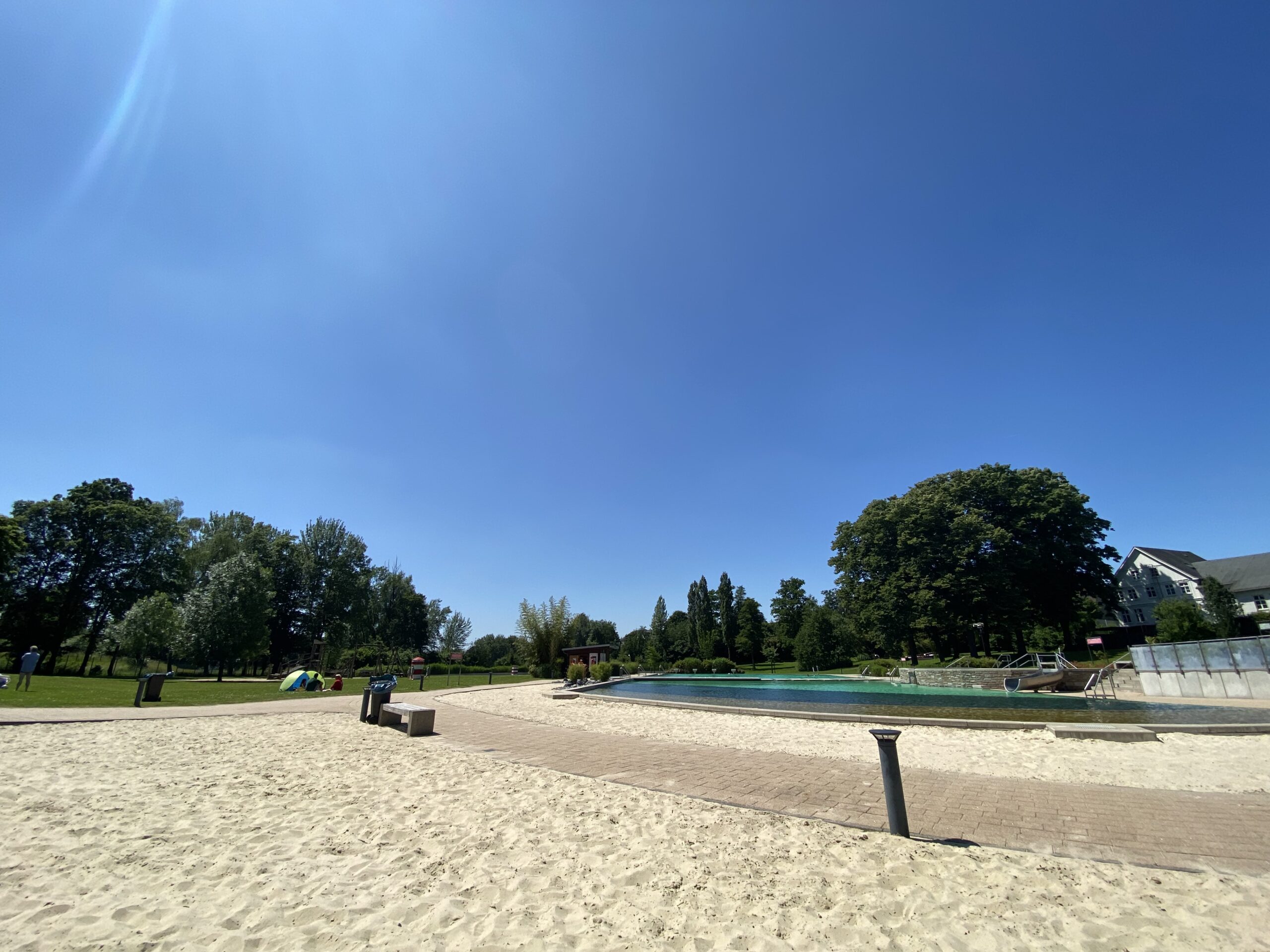
„It’s a lot like magic / It’s a lot like friendship …“ Auf der Autobahn in die alte Heimat legte ich die Cd „Poptical Illusion“ von John Cale ein, und freute mich über die Kraft, die seine Stimme und Songs immer noch verströmen. Satte Rhythmen umhüllen seine sonore Stimme, die ohne Verzagen einmal mehr alte Träume und Dämonen aufsucht. Ich war auch auf einer Mission, allerdings sehr viele Nummern kleiner gelegt, in Richtung der Räume der Kindheit.Ich betrat das Schwimmbad namens „Froschloch“, in dem ich früher manchmal mit meiner Mutter unbeschwerte Nachmittage verbrachte, mit flirrendem Kinderstimmensingsang. Solch ein akustisches Lufttheater höre ich heute nurmehr auf Platten von Boards Of Canada als schemenhafte Spuren uralter Zeiten. Das Schwimmbad, in dem ich zuletzt vielleicht 1966 war, war trotz 19 Grad Lufttemperatur und Sonnenschein überraschend leer – ich erkannte alles wieder, die feinsten Wellungen der hügeligen Wiesen, die Areale für die Spielplätze, der renovierte Bau seitlich, der heutzutage als Jugendherberge dient, wie ich beim Bademeister erfuhr. Das Wasser wurde nicht erwärmt, und brachte es nach diesem sonnenarmen Frühling auf gerade mal 18 Grad.
Die Strand- und Strandkorbanlage gab es damals, 1963, noch nicht, ich machte es mir bequem, und mir kamen 1001 Bilder und Tonspulen aus der Mitte der Sechziger Jahre in die Sinne, und wie oft ich in letzter Zeit an Matthes dachte, meinen Blutsbruder, mit dem ich meine vier ersten Schuljahre teilte, und mit dem ich an einer Bushaltestelle an der Harkortstrasse in Hombruch paralleles Nasen-An-Schaufensterscheiben-Drücken ausübte, auch, um noch näher an die aushängenden Singles heran zu kommen, es durften gerne Adamo sein und Manuela. Die zwei Stunden im Schwimmbad vergingen wie in einem Traum, wehmütig, surreal. Wo war das Portal, mit dem ich durch die Zeit springen könnte? Ich notierte die Namen, die mir einfielen, ich liess Erinnerungen schweifen, googelte Namen, glich sie ab.
Mattes kommt gleichsam durch eine Hintertür, als Verlustmeldung, sobald ich in den alten Strassen auftauche, die Mädels würden kaum unter ihrem ersten Namen firmieren, und dann stosse ich auf eine Spur: Michael Z. (ein seltener Name, und verortet heute unweit seines damaligen Kinderzimmers in der Grotenbachstrasse). Nun ist es nicht so, dass wir so dicke miteinander waren wie Mattes und ich, aber er war oft dabei, als wir die Siedlung am Weissdornweg in ein Terrain des Wilden Westens verwandelten, Spiele spielten, für die mir die Namen entfallen sind. Manchmal kauften wir an der Bude Fotopäckchen, und ich erinnere mich an eines, auf dem das Wrack des abgestürzten Flugzeugs der Mannschaft von Manchester United zu sehen war.
Ich wählte die Rufnummer von Michael Z., nannte meinen Namen, liess alle Kindheitsstoffe aussen vor, und bat um Rückruf. Die Müdigkeit, die ich seit der schlafosen Nacht in Brüssel immer wieder bleiern spürte, war wie weggeblasen, ein kleines Fenster hatte sich geöffnet auf der Suche nach meinem Blutsbruder von 1963. „Can I close another chapter / In the way we run our lives…“ (John Cale, How we see the light)
Vor und nach Beth (zweiter Teil – Nach Beth)

Es war noch ein wenig Licht am Himmel, als ich aus dem Zirkus kam. Ein heiteres Stimmengewirr von glücklichen Konzertbesuchern. Fast hätte ich mir noch ein „Lives Outgrown“-Tshirt geschnappt. In der benachbarten Kneipe trank ich ein grosses, mir viel zu saures Belgisches Bier, und kam ins Gespräch mit Christiane, Robert und Helène, und wir erzählten uns besondere Momente der vergangenen zwei Stunden, fast hätten wir Gänsehaut an Gänsehaut gereiht: „I cannot say how much I adore life“. Zurück im Hotel war der Schlaf nicht annähernd so erfüllt wie der Abend es vorgemacht hatte. Ich bedauerte es, keine Zopiclon dabei zu haben, und fragte mich, ob Vollmond sei. Ist die Nacht erst einmal aufgeholt, kommen die Schwebungen zurück. A soft spell: that rare bleakness that breaks the dark.
Vor und nach Beth (erster Teil – Vor Beth)

Der Taxifahrer stimmte mich schon mal auf das ganze Leben ein. „Ce qui has a good humour, toujours finds solutions“, radebrechte er zwischen Englisch und Französisch, auf dem Weg zum Motel One. Und unterwegs tischte er mir Erlebnisse mit berühmten Geistern auf, in einem solchen Affentempo, dass mir sicher manche Pointe entging, denn öfter besorgte er das Lachen allein. Aber immerhin, unvergessen, der Auftritt von James Brown, der kostenlos spielte, nachdem er erstmal von der Polizei wegen Drogenbesitz gekascht wurde. Und er war begeistert von Joe Jackson und den Harlem Globetrotters. Mit Handschlag verabschiedeten wir uns, und ich kundschaftete schon mal den Königlichen Zirkus aus. Hintereingang, Soundcheck. Presseausweis. Ein paar überzeugende Sätze, und ich war drin. (Was dann kam, der Stoff, aus dem Weihnachtsgeschichten sind.) Als ich abends meinen Platz einnahm in dem Rondell, bühnennah, war noch viel Zeit, bis die Ereignisse mit einem „acoustic showase“ von Bill Ryder-Jones loslegen sollten. Und was hörte ich da im weiten Rund erschallen, nahezu die komplette wundervolle erste Seite von Fripp & Enos „Evening Star“, „Wind On Water“ usw. Obwohl ich diese Seite 1 des alten Vinyls in- und auswendig kenne (und immer noch unheimlich gerne höre), dauerte es eine halbe Minute, bis ich diese Musik an diesem völlg fremden Ort „unterbrachte“. Ich ging zu den zwei Herren am Mischpult, die aber das Gerät eher bewachten als betreuten, und etwas stoffelig waren, als ich nach der Playlist fragte und ob ich mir mal den Computer näher anschauen könne. Denn ganz deutlich war auf dem Screen zu lesen „Mellow Beth“, und also hatte die Südengländerin ein sorgsames „Tape“ eingerichtet, um uns Besucher akustisch einzufangen, mit durchweg feiner Musik, etwas Tönzerisch-Luftig-Leichtem von Steve Reich (glaube ich), ein Instrumentalstück der herrlichen zweiten Seite von David Bowies „Heroes“, ein Stück, das ein so betörendes Spoken-Word-Ding war, dass es sofort in meinen nächsten Klanghorizonten landen würde, wenn ich es bloss erkannt hätte. Ich sprach dann mit den beiden Mädels, neben mir, die erklärte Bill Ryder-Jones Fans waren, und pünktlich um acht verdunkelte sich der riesiggrosse Raum.