Uncategorized
Tangerine Dream und Das Mädchen auf der Treppe
Es war damals einer dieser „Tatorte“, die ich nie vergessen habe und nie vergessen werde. Meine Heimat, das Ruhrgebiet kam darin vor, ungeschönt, und Hajo Gies und Götz George waren in ihren frühen Jahren ein grossartiges Gespann, zudem bildete der brilliant-spröde Eberhard Feik mit Schimanski ein perfektes Pendant. Neben allem, was „Das Mädchen auf der Treppe“ zu einem meiner Top 5-„Tatorte“ aller Zeiten machte, war es ganz besonders dieser eine Track von „Tangerine Dream“: herzzerreissend. Man hört ihn zum ersten Mal, wenn Schimi sich um das Mädchen kümmert, und man hört ihn in der nächsten Szene immer noch, wenn die Leiche der Mutter entdeckt wird. Als ich den Film in der ARD-Mediathek vor Wochen wiedersah, traten mir in dieser Szene Tränen in die Augen. Dieses Instrumentalstück ist alles andere als ein simpler Stimmungsverstärker, und bis heute kann ich mir seine Tiefenwirkung nicht ganz erklären. Tangerine Dream hatte das Stück „White Eagle“ übrigens extra neu arrangiert. Auf jeden Fall wirkte diese Musik innerhalb des Films auf mich ähnlich umwerfend wie „Vitamin C“ von Can in einem meiner anderen liebsten fünf Tatorte, „Tote Taube in der Beethovenstrasse“.
Chris Isaak‘s magic song
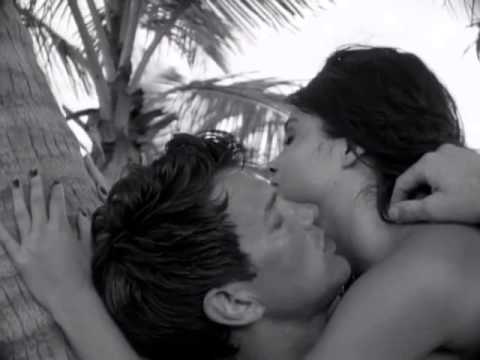
Es ist ein etwas altbackener Spruch, und wird fast schon als Aphorismus gehandelt, dass es bedauerlicherweise im Nirvana, so schön und gut es dort auch sein möge, keinen Kaffee und keine Jukeboxen gebe. Das ist natürlich Blödsinn. Natürlich gibt es da Kaffee, aber keinen Starbucks. Und Jukeboxen jede Menge, all die ausrangierten Exemplare. Fragen Sie mal David Lynch! Für alle Diesseitigen gilt: unbedingt den Neil Young-Film sehen, und an der richtigen Stelle den Refrain mitsingen, lauhals: „Love Earth!“ Passend dazu, ist das hier doch bitteschön ein cooler Song, und ein heisses Video – allein die rotlackierten Fingernägel sind over the top!Coastal arrives in cinemas tonight
In Aachen, Dortmund, Berlin, Hannover, Frankfurt, und vielleicht auch in El Hierro und nahe am Russian River. Tonight, for one night only, take a journey with maverick musician Neil Young in this personal, behind-the-scenes doc as he cruises the coast on his recent solo tour.
„Personally, the film has so many memorable images, so much humor, soul and imagination that it seems to be in another world. I love this movie and this feeling.“ – Neil
Ja, ich kann Neils Aussage voll unterschreiben. Wunderbarer Trip! (m.e.)The penultimate playlist of KLANGHORIZONTE at Deutschlandfunk, May 29
In regards to „Luminal“, surely one the most beautiful, haunting and seductive song albums of 2025, there is only one reason I don‘t come up with the minor quibble that Brian Eno isn‘t doing the lead vocals, and that is the voice of Beatie Wolfe! (Michael Engelbrecht, Deutschlandfunk, Klanghorizonte, May 29th, 2025)
Sequence matters. The first three albums all circling around a world disintegrating, in danger of falling apart. On his best album ever, William Tyler keeps an ear on remains of beauty. The last three albums deal with the heritage of Don Cherry. Thanks to Richard Williams reminding me of Mr. Cherry’s buried treasure. Two „far out fusion“-albums from the first half of the 70‘s are framing the central „Brian-and-Beatie“-passage of „dream and space music“. (By the way, Beatie Wolfe has written the lyrics and sings on „Luminal“, and she has a way with words, believe me! Brian Eno does the background vocals on every song. In addition, both play all kinds of instruments.) That it will finally happen this way, depends on three interviews (in preparation). I hope it will be time enough left for the „surprise track“ that stands apart of all topics mentioned above!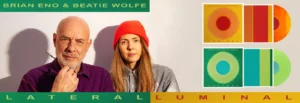
01 William Tyler: Time Indefinite
02 Eiko Isibashi: Antigone
03 Bennie Maupin: The Jewel In The Lotus (1974)
04 Beatie Wolfe & Brian Eno: Breath March, from: Luminal
05 Beatie Wolfe & Brian Eno: Lateral (excerpt)
06 Beatie Wolfe & Brian Eno: Play On, from: Luminal
07 Don Cherry: The Relativity Suite (1971)*
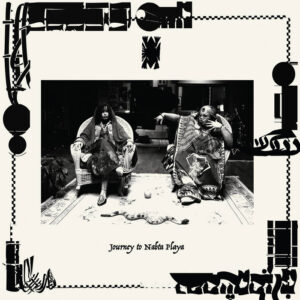
08 Angel Bat Dawid & Naima Nefertari: Journey to Nabta Playa
09 Natural Information Society and Bitchin Bajas: Totality10 Coda: Surprise Track
* „Wherever, whenever and by whomsoever the idea of “world music” was invented, it had no finer exponent, explorer and exemplar than Don Cherry. In a few months’ time it will be 30 years since Cherry died in Malaga of liver cancer, aged 58, leaving a world in which he was, to quote Steve Lake’s happy phrase, “a trumpet-playing lyric poet of the open road, whose very life was a free-flowing improvisation.” I suppose it was fitting that he should have died in Andalucia, a region where many cultural influences met in the Middle Ages to create a foundation of song.“ (Richard Williams, The Blue Moment)
Yoshimuras Flora und ihre diskreten Reize
Ich gerate nicht automatisch in Verzückung, wenn alte japanische Archive erforscht werden, aber oft genug stellt sich da in den letzten Jahren etwas ein aus der Bandbreite zwischen stillem Vergnügen, leiser Verblüffung und diversen Wow- und Flow-Empfindungen. Das aktuell wiederververöffentichte Ambient-Werk FLORA von Hiroshi Yoshimura (CD / LP / DL) bewegt sich nun auch bei mir daheim, nachdem ich es zuvor allein in der Sylter Heide („Don‘t get lost in Braderup Heath!“) gehört habe, in genau diesen Zwischenzonen. Zwar meldet sich manchmal ein kritischer Einwand, ob das nicht alles ein wenig zu wohlfühlig daherkomme, aber viel öfter schleicht sich eine seltsame Art von Faszination ein, die ich einfach nicht aushebeln kann.
Listening Journal – Weekend
Saturday
DJ Koze: Music Can Hear Us / Barre Phillips: Mountainscapes / Don Cherry: Relativity Suite / Isotope 217: The Unstable Molecule
Sunday
This Is The Kit: Careful Of Your Keepers / Alabaster DePlume: A Blade / Søren Skov Orbit: Adrift
Und dann haben wir gestern Abend noch spontan den Tatort geschaut. Der Sonntag Abend ist seit Jahren nicht mehr damit blockiert, aber hin und wieder sind wir schon dabei. „MESSER“ scheint mir jedenfalls eine überdurchschnittlich gute Folge zu sein; zwar konnten wir die Beziehungsdynamik zwischen den Kommissaren mangels Kenntnis nicht immer nachvollziehen, dafür gab es gut gezeichnete Charaktere und spannend war der Film auch.
Es genügen …
die ersten vier oder fünf Noten, und man weiß mit geschlossenen Augen, wer das ist. Diese Melodieführung hat sie exklusiv. Ich bin neugierig auf das bevorstehende Album.
Solo
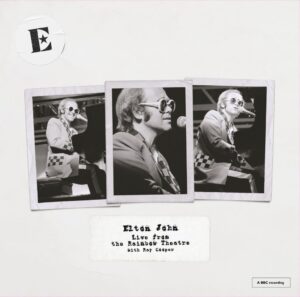
Gestern hatte ich noch davon geschrieben, dass so ein „just Elton and his piano“-Album bis heute bedauerlicher Weise fehlt. Vor ein paar Jahren gab es, zuerst anlässlich eines „Record Store Days“, das hörenswerte Livealbum Live from Moscow 1979, von einer Tournee mit Perkussionist Ray Cooper. Die beiden spielten bereits zwei Jahre zuvor einige Konzerte gemeinsam, von denen nun, wiederum zum heutigen „Record Store Day“ eine Zusammenstellung als limitierte LP: Live At The Rainbow Theatre 1977. Und gerade so, als hätte man auf meinen Blogeintrag von damals reagiert, bietet diese ganz famose Scheibe nun gar keine der unzählige Male auf Livealben und in Konzertfilmen vertretenen Hits, sondern ausschließlich 12 „Deep Cuts“, die die meisten Gelegenheitshörer vermutlich nicht einmal kennen.
So unmittelbar auf die 48 Jahre später veröffentlichten neuen Aufnahmen des Endsiebzigers ist diese LP durchaus ein ganz besonderes Fest. Die Aufnahmen präsentieren zwar nominell den selben Interpreten, doch liegen Welten zwischen diesen beiden Männern.
Größtenteils bietet diese Konzert-LP aus der ersten Maiwoche des Jahres 1977 Elton John solo, bei ein paar Songs stößt Ray Cooper dazu. Für die allermeisten Songs ist es der erste Auftritt auf einem Livealbum; diese Stücke waren nie in einer anderen Version als der auf dem jeweiligen Album zu hören, vor allem jene von Rock of the Westies (1975) und Blue Moves (1976) – Alben, von denen (bislang) nicht einmal irgendwelche special editions mit Demo-Versionen o.ä. erschienen.
„The Greatest Discovery“ und „Tonight“ gab es zehn Jahre später auf dem Orchester-Livealbum aus Australien der 86er-Tour (die Studioversionen von 1970 bzw. 1976 sind ebenfalls mit Orchester, so auch „Sweet Painted Lady“ vom 73er Goodbye Yellow Brick Road), doch diese vollkommen reduzierten Versionen sind nun eine ganz neue Erfahrung. Ebenso der Gospel „Border Song“, die untypischen Chanson- und Jazz-Nummern von Blue Moves, „Cage the Songbird“ (für Edith Piaf) und „Idol“ und den Fast-Country von „Roy Rogers“ und „I Feel Like A Bullet (In The Gun Of Robert Ford)“ sowie das kaum bekannte „Dan Dare (Pilot Of The Future)“.
Obwohl die 12 Songs von ganz unterschiedlichen Alben stammen, ergeben sie auf dieser LP ein wunderbares Ganzes, ein überaus eindrucksvolles rundes Album. Für mich vermutlich die Archivveröffentlichung des Jahres!
Elton und Brandi
Zu den Musikern, deren Oeuvre mich schon seit meiner Kindheit begleiten und zu jenen, deren veröffentlichtes Werk ich in der Gänze kenne, zählt Elton John. Seit ich denken kann, rief das bei vielen Leuten immer wieder verwunderte Blicke und irritierte Kommentare hervor, zumal ich sonst ja oft auch eher recht radikale und experimentelle Sachen genieße und verteidige, die vielen Leuten eher Kopfschmerzen als Freunde schenken. Ich hatte wohl, was Pop- und Rockmusik betrifft, schon in meiner Jugend eher eine Neigung zu jenen, die trotz irgendwelcher Widerhaken (wie z.B. dass sie nicht in die Erwartungen passten) einen erfolgreichen Weg im Pop gegangen sind — Elton John, Freddie Mercury, Gianna Nannini, Patti Smith, David Bowie, Björk, Annie Lennox, Fiona Apple sprachen mich damals weit mehr als die typischen Macho- und Testosteronrocker (und -Rapper), die (nicht nur aber natürlich auch) in meiner Jugendzeit überaus beliebt waren, oder die glatten Sängerinnen, die Millionen Platten verkauften.
Bis heute kann ich viele von Eltons Meisterwerk-Alben jederzeit hören (und mitsingen) – und nach wie vor verteidigen. Und es gibt doch viele davon. Auch wenn der bald 80-Jährige über die Jahrzehnte immer wieder mal auch Sachen aufgenommen oder verzapft hat, bei denen ich auch beim wiederholten Hörversuch „Was für ein Käse“ denke (beispielsweise das komplette „Aida“-Album) und die Qualität immer wieder auch schwankend ist, freue ich mich nach wie vor jedes Mal, wenn’s alle paar Jahre mal ein neues Album gibt. Häufig wird es die Gelegenheit nicht mehr geben, dass ich eine neue CD von Elton John auspacke und zum ersten Mal anhöre.
Die letzte Platte The Lockdown Sessions war eine extrem heterogene Kollektion von Duetten, darunter ein paar „Hits“, die songwritingmäßig deutlich unter dem Niveau selbst vieler seiner durchschnittlicheren Nummern sind. Auf der CD hörte ich allerdings erstmals Brandi Carlile und wurde neugierig auf ihr damals neues Album In these Silent Days, ein großartiges Songwriteralbum (das ich erst auf CD kaufte und dann später passend auch noch als LP), nicht nur sehr stark von den Großen der Siebziger beeinflusst – im Wesentlichen von Elton und Joni, die Brandi als ihre „Eltern im Geiste bezeichnet“ – sondern klingt erstaunlicherweise auch total so, als wäre es Mitte der Siebziger entstanden. Und Brandi Carlile hat nicht nur ein tolles Händchen für hervorragendes classic songwriting, sondern obendrein eine beeindruckende Präsenz in ihren Performances, anders als einige andere der Kollaborateure der The Lockdown Sessions .
Nun haben Brandi und Elton ein komplettes gemeinsames Album aufgenommen, das heute in meinem Briefkasten landete, und nicht überraschend ist es eine Kollektion von Songs, die ebenfalls an die Siebziger anknüpfen und – anders als die enorm unterschiedlichen Elton-Alben der letzten 25 Jahre (zuletzt wohl Songs from the West Coast, 2001), die ich größtenteils sehr schätze – streckenweise tatsächlich auf erfrischende Weise altmodisch. Hier und da ein bisschen (unnötiger) Bombast, andererseits aber auch ein paar subtile, charmante Sachen. Dass das visuelle Design, wie schon bei den Alben der letzten zehn Jahre (speziell The Lockdown Sessions und Wonderful Crazy Night) haarsträubend albern ist – geschenkt. Nicht hinschauen… Ein sensibles Design wie bei Brandi Carliles Alben wäre weitaus passender gewesen. Die vielen persönlichen und berührenden Momente dieses Albums sind nun ein bisschen unter dem knalligen Camp dieser aufgedrehten „Gay Theatrics“ vergraben.
Das letzte Elton-Album, das wirklich grandiose Songs hatte, The Diving Board, 2013 erschienen, hatte leider den Haken, dass es als „just Elton and his piano“ angekündigt worden war, aber dann doch eine Spur zu viele weitere Gastmusiker drauf hatte. Dieses neue endet mit einem sehr bewegenden, sehr persönlichen Solo, das eben dort anknüpft, und es bleibt zu hoffen, dass es nicht sein letztes Album ist und er an diesem Faden noch einmal weiterspinnt. Eine kraftvolle Stimme hat er noch, das muss man ihm lassen, zumal sie sich über die Jahrzehnte hin extrem gewandelt hat. Wenn es wieder vier Jahre dauert, bis er ein Album rausbringt, ist er immerhin schon 82. Wie viele (Rock-)Musiker bzw. Songwriter liefern als (über) 80-Jährige noch was ab, geschweige denn was Interessantes? Johnny Cash, Lou Reed, David Bowie haben gerade so (oder gerade so nicht mehr) die 70 erreicht und ihr reifes Spätwerk entsprechend deutlich früher abgelegt. Patti Smith hat sich seit 2012 leider vom Veröffentlichen neuer Songs komplett verabschiedet, auch wenn sie auf Tour noch immer große Kraft hat (im Sommer gehe ich wieder hin, vielleicht auch mehrmals). John Cale immerhin hat letztens mit knapp 83 noch ein gar nicht unspannendes, gar nicht lahmes Album rausgebracht. Das letzte von den Stones fand ich auch überraschend stark; ich höre es nach wie vor sehr gerne. Witzig auch, dass sie dort, nachdem Charlie Watts nur noch auf zwei Songs mitspielen konnte, Bill Wyman einmalig aus dem Ruhestand zurückgeholt haben und nochmal alle fünf zusammenkamen — sogar in diesem einen Fall mit Elton John an den Tasten!
Inside Brian‘s Studio
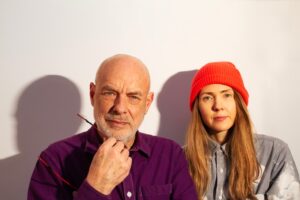
Es wird mal wieder Zeit für ein Brian Eno-Interview, und mir würden genug Fragen einfallen, auf deren Antwort ich selbst neugierig wäre. Nicht so leicht, mögen manche denken, denn seit der Zeit des Internets gibt es zahllose Interviews mit Eno, zur Musik, dazu, wozu Kunst da ist, zu Gaza, dem aufkommenden Faschismus in den USA. Meine aufregendste Zeit muskalischer Entdeckungen liegt tatsächlich in den Zeiten vor der Erfindung des Netzes, in der analogen Ära.Damals stolperte man über Neuerscheinungen, oder man benutze gewisse „Kanäle“, um auf dem Laufenden zu bleiben. So ging ich in der zweiten Hälfte der Siebziger Jahre in Würzburg regelmässig zu Montanus, um die neuesten Ausgaben des Jazz Podiums und des Melody Maker durchzustöbern. Was heute allgegenwärtig ist, musste damals ausgekundschaftet werden. Nur wenige Magazine halfen da, die eine und andere Radiosendung.
Heute ist der Blick auf die neuen Klänge der nahen Zukunft geradezu gleichgeschaltet – und sehr oft mit einem Blick zurück verbunden. Mit einem Schmunzeln merkt Brian Eno im Gespräch mit Zane Lowe an, dass damals, als Roxy Music am Start war, die Geschichte des Rock‘n‘Roll gerade mal 16 Jahre jung war, wenn man die Stunde Null bei Bill Haley ansetzt. As time goes by.
Meine einzige Roxy Music-Story ist die, um die mich viele beneiden, die Fans der ersten Alben der Band sind, die ursprünglich mit dem Anspruch auftraten, „anti-hippie“ zu sein, und dem allzu schnell kodifizierten „styling“ der Hippie-Kultur unverbrauchte Mythen und Fantasien entgegenzustellen. Nun war ich um 1991 herum (oder Jahre später) in seinem alten Haus in Maida Vale, als er mir nebenbei mitteilte, dieser Raum hier, in dem wir sassen, wäre damals der Übungsraum von Roxy Music gewesen, wo sie wie verrückt die Stücke ihres ersten Albums einstudiert, entwickelt, geprobt hätten.
Ja, ich nahm es zur Kenntnis (Roxy gehörte nie zum Soundtrack meines Lebens), und war froh, ihm in seinem Arbeitszimmer über die Schulter zu schauen, als er ein am DX-7 entwickeltes Stück für „The Shutov Assembly“ den letzten Schliff verpasste. Ein absolutes Lieblingsalbum. As time stands still. (m.e.)