Von grossen dunklen Abenteuern (weitere Inselgeschichten)

Never set up in hesitation and procrastination, test every little melody, every tiny image, for its suitability for a new horizon. Trust the first sight and sound and get started! Niemals im Zagen und Zaudern einrichten, und jede Melodie, jedes Bild, ratzfatz auf seine Eintrittshaftigkeit für einen neuen Horizont prüfen. Dem ersten Blick und Klang vertrauen, loslegen! Als ich sechs Wochen eingepfercht war bei den Nonnen von Norderney, in den Zeiten, als der Twist unser Kinderlieblingstanz war, gab mir nicht zuletzt das berühmte Lied von Freddy Quinn Kraft, das ich gerne im Dunkeln schmetterte. Noch viel liebreizender war es (da ist dieses altmodische Wort durchaus angemessen), mit Fritz Wunderlich (oder besser noch ohne ihn) „Ich bin nur ein armer Wandergesell“ anzustimmen. Als kleiner und rasch grösser werdender Junge wurden die ostfriesischen Inseln mein Sommerterrain, allen voran Langeoog und Borkum, und nie mehr Scheissnorderney. Ein besonderes Vergnügen war es, morgens, noch vor dem Frühstück, zweimal in der Woche, zu den beiden Inselbahnhöfen, zu gehen, um auf grossen Plakaten die nächsten neuen Filme angekündigt zu sehen, gerne Western, Abenteuerfilme, ein früher James Bond, grosse Liebesdramen. Eine Wucht ging von diesen Plakaten aus, wie von dem verlassenen Schiffswrack im Ostland, oder den Lichtstrahlen der Leuchttürme bei Nacht. (Später, zwischen 1972 und 1975, trat das Kinoprogramm auf den Inseln etwas in den Hintergrund, und wurde von Michael Nauras „magischen“ Jazzsendungen im NDR abgelöst. Meine Transistorradioinselmusik!) Dieses Bild wirkt wie aus einem Traum oder einer Verheissung (ein ferner Verwandter von David Sylvians „Manafon“-Cover), und erinnert mich an den Zauber der Inselbahnhofsplakate, die natürlich oft deftiger im „Pinselstrich“ waren. Dass Ryusuke Hamaguchis Film aussergewöhnliche Stimmungen bereithält, lässt schon dieses Plakat ahnen. Die Musik von Eiko Ishibashi tut das ihrige dazu. (Seit kurzem ist der Film auf „prime“ zu sehen, und als Blu-ray wie Dvd erhältlich.) Später, in Studentenzeiten, hatte ich eine Zeitlang Wim Wenders‘ Plakat von „Im Laufe der Zeit“ an der Wand hängen, ich hatte es irgendwann aus dem City Kino mitgehen lassen, so wie Wim in jungen Jahren gerne Schallplatten in seinem riesigen Trenchcoat klaute – kleine Sünden belohnt der liebe Gott sofort.Protestnote
„Dass sich die Verantwortlichen des BVB und all seine Gremien dazu bereiterklärt haben, die Strahlkraft von Borussia Dortmund dafür einzusetzen, das öffentliche Ansehen eines Rüstungskonzerns zu verbessern und dabei die eigenen Werte über Bord zu werfen, lehnen wir entschieden ab“, heißt es in einer Stellungnahme der Initiatoren: „Wir werden den Verantwortlichen nicht den Gefallen tun und die Sache – wie durch den Zeitpunkt der Veröffentlichung womöglich erhofft – auf sich beruhen lassen.“
Ich unterstütze die Protestaktionen des Fanbündnisses Südtribüne! Genauso verwerflich wie der ehemalige Deal von Bayern München mit den Kataris, ist es, diesen Rüstungshersteller als Sponsor öffentlichkeitswirksam aufzuwerten! Ein No-Go! Die Geschichte von Rheinmetall ist eine Geschichte skrupelloser Geschäftemacherei mit dem Tod. Durch nichts zu rechtfertigen! Waffen werden genauso an die Kriegsverbrecher der aktuellen israelischen Regierung geliefert, die nicht minder niederträchtig agiert wie die Hamas im Oktober 2023. Dass hierzulande israelkritische Äusserungen, die, by the way, zum mainstream der UNO und der europäischen Gerichtshofes in Den Haag gehören, stets als antisemitisch ausgelegt werden, ist Teil eines falschen Narrativs, das stets mit der historischen Schuld der Nazis argumentiert, und diese Faktum instrumentalisiert, um kritische Stimmen zu diskriminieren, und weiter im Gaza-Streifen Tausende und Tausende Unschuldiger zu töten. Das Argument zur Rechtfertigung des Rheinmetall-Deals, die „wehrhafte Demokratie“, weist sich als pure Heuchelei aus!
Kleine Recherche

Morgens bekam ich die Oktober-Ausgabe von Mojo in die Hände (online), und stolperte über Andy Cowans Besprechung seiner Jazzplatte des Monats ( s. Screenshot, wir haben hier und da Gemeinsamkeiten, und mein Bauchgefühl sagte mir: folge der Spur!). Ich landete nach einigem Suchen bei einer Hamburger Musikfirma namens WordAndSound, oder so ähnlich, und der Kai P. verwies mich an die Berliner Abteilung von K7. Dann bekam ich die Mailadresse des Labels Frederiksberg Records, und wähnte mich im tiefen Dänemark, denn schliesslich heisst der Saxofonist Søren Skov, aber offenbar landete ich in einem Büro in New York City. Also landeten meine Interviewfragen jenseits des Atlantiks, und dann ging es Schlag auf Schlag: einen Tag, nachdem ich von der Existenz dieses Meisterstücks aus der Abteilung „Organic Groove“ erfuhr, hatte ich die Schallplatte im Postkasten, und auf meinem Plattenteller. Ich sagte sowas Intelligentes wie „Nee, woll“ oder „ich glaub‘s nicht“, und hörte die Scheibe ungelogen dreimal,rauf und runter: Nyabinghi Afro Psycho Ethio Fusion Raw Power Jazz könnte man das mit Augenzwinkern nennen. Dieweil fragte mich ein gewisser Anders, aus dem New Yorker Büro, ob der Herr der Töne das Interview am Freitag der kommenden Woche machen könne, ich sagte, kein Ding, und weise diskret darauf hin, dass „Adrift“ vom Søren Skov Orbit von Null auf 12 in meiner Jahresliste gesprungen ist, Tendenz steigend. Guck mal nebenan, unter „Album“!
In den Farben des Dunkels

Anno 2023 schossen Andreas Pflüger, S.A. Cosby und James Kestrel die schwarzen Sterne vom Himmel. Don Winslow auch. Es fehlt mir die Fantasie, es könnte 2024 einen tieferen und fesselnderen Kriminalroman geben als Chris Whitakers Südstaaten-Epos. Das Cover ist nicht preisverdächtig, der Roman der Hammer. Die Story, die Inszenierung, die tausend Zwischentöne. Ein Junge mit Augenklappe rettet ein Mädchen und geht selbst verloren. Chris Whitaker entfaltet die Geschichte in zahllosen Kapiteln, in einem Sprachfluss voller Rausch und Sachlichkeit. Ich fühlte mich, rein von der Atmosphäre, an „Wer die Nachtigall stört“ erinnert: eine seltsame Magie, allen Unheimlichkeiten und Erschütterungen zum Trotz. Ein neues Lieblingsbuch. Wenn es einmal verfilmt wird, sollte Coltranes „Alabama“ im Abspann laufen.
Grosses Kino (aus letzter und ferner Zeit)
Der Film, der von einsamer Klasse ist, radikal und verstörend: „The Zone Of Interest“ / Der Film, der eine wahre Geschichte so konservativ wie aufregend erzählt: „Die junge Frau und das Meer“ / Der Film, der in jeder Hinsicht umwerfend gut ist und flowworkers Filmempfehlung für den September wird (thanks, Ingo): „Tatami“ / Der Film, der ein Blockbuster ist, mit emotionaler Intelligenz und atemberaubender Technik serviert wird, gerne auch mit Popcorn: „Twisters“ / Der Film, der die Geschichte von Milli Vanilli erzählt mkt Steven Spielberg‘scher Liebe zum Detai, und mich so gefesselt hat, dass ich ihn gleich zweimal sah: „Girl, You Know It‘s True“ / Der Film, besser die Documentary, von der ich weiss, dass ich sie sehr, sehr mögen werde, auch nach zwölf Interviews mit dem „Meister“: „Eno“ / Der Film von Robert Altman, der mich in uralter Zeit begeisterte, für den ich heute 150 Kilometer fahren würde, um ihn in einem grossen alten Kino zu sehen, und den ich vergeblich suchem seit es Videoläden und Streamingdienste gab und gibt: „California Split“ (1974) / Der Film, der mich anfunzte, als er in die Kinos kam, zwei Frauen, die so hinreissend waren, dass ich gerne Peter Coyote gewesen wäre , der Soundtrack von Tangerine Dream leider grottenschlecht: „Heartbreakers“ (1984) / Der Film, von dem Ben Wasserman treffend sagte: „The political angle behind „Civil War“ isn’t the less-than-United States’s warring factions, but rather the virtues and risks of war journalism within this domestic dystopian backdrop.“
Søren Skov Orbit: Adrift & other organic groove territories
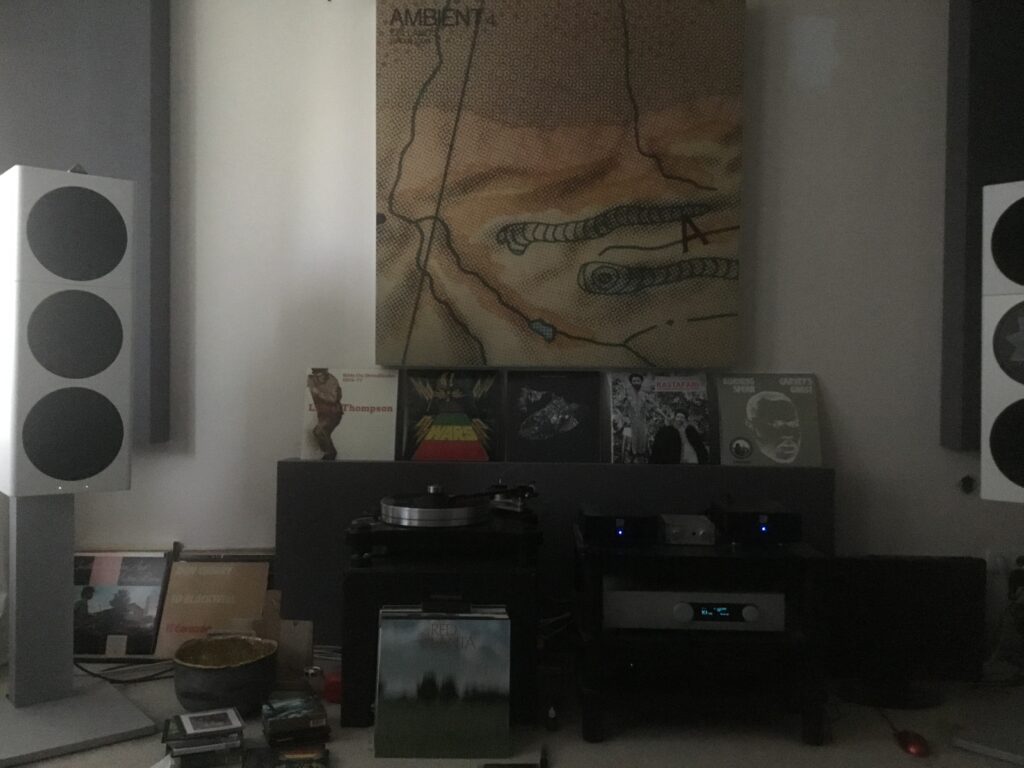
Die Reihe „hinter der Anlage“ von links nach rechts:
Linval Thompson: Ride On Dreadlocks 1975-77
Phil Pratt: Star Wars Dub
Søren Skov Orbit: Adrift (In excellent neghborhood, with a nod to Count Ossi)
V.A.: Rastafari – The Dreads Enter Babylon 1955-83
Burning Spear: Garvey‘s Ghost(in joyful memory of time standing still in Toni Nee‘s musical space near the North Sea, drinking tea with „kluntjes“, listening to Eberhard Weber‘s „Chorus“)
In Kristiansand vor 10 Jahren
Vom 5. bis 7. September 2024 findet das Punktfestival in Kristiansand statt. Zum 20. Mal. Ich werde da sein. Vor ziemlich genau 10 Jahren schrieb ich, nach dem Ende der 10. Ausgabe dieser Veranstaltung, folgende Tagebuchnotiz.
Ich stand ziemlich früh auf und ging duschen. Auf Endlosschleife liess ich einen Song von The The laufen, „This Is The Day“ (kleiner Affirmationstrick). Ich duschte lange, und liess am Ende den Wasserstrahl eine Minute eiskalt sein Werk verrichten. Ich frühstückte mit Christoph Giese und Jan Bang, und wie immer, wenn wir drei zusammensitzen, gibt es gute Gespräche und viel zu lachen. Danach ein gutes, etwas ernsteres, Gespräch mit Henning.
Um 11 Uhr begann der Soundcheck für meine „Electronic Griot“-Performance damit, dass Tony Valbergs Tischlampe von 1953 einen Wackelkontakt hatte. Er besorgte eine Ersatzbirne. Der CD-Spieler mit den acht vorbereiteten Tracks spielte die Musik nicht ab, es musste ein Ersatzgerät herbeigeschafft werden. Ich wurde etwas nervös, aber schliesslich war alles geregelt, der Raum angenehm verdunkelt, wie nachts im Deutschlandfunk. In der Lounge sassen Fiona Talkington und Laurie Anderson, die ich begrüsste und an unsere zwei Begegnungen in den Neunzigern erinnerte. Sie freue sich auf meinen Vortrag, sagte sie, ich hatte sie im Vorfeld dazu eingeladen.
Mich überkam eine angenehme Ruhe, kein Anflug von Lampenfieber, ausser der latenten Furcht, Tonys Lampe aus dem letzten Jahrhundert würde mal zwischendurch den Blick auf meine Papiere verdunkeln, aber es gab ja eine zweite Glühbirne. Um 11.45 Uhr startete auf dem Schallplattenspieler das Ensemble Economique, und der Saal füllte sich. Um 12 Uhr ging ich zu meinem iPad in einer hinteren Ecke des Raums (mit dem tragbaren Mikrofon war ich mobil) und legte los, las die letzten zwei Abschnitte einer Short Story von Richard Brautigan. „I had never seen anybody set fire to a radio before.“ Und das Ende mit den brennenden Liedern.
Ich ging zu meinem gemütlichen Sitzplatz, der Raum war gut gefüllt. Ich war konzentriert und entspannt, einige meiner Geschichten verströmten einen Hauch von Melancholie, wie der Anblick von Herbstblumen, die ihre Köpfe hängen lassen. Die Zeit verging wie im Flug, die Zuhörer waren aufmerksam, lachten manchmal, und ich bekam einen herzlichen Applaus. Ich beantwortete noch ein paar Fragen. Wildfremde Menschen und einige gute Bekannte bedankten sich für meine Show. Beim Hinausgehen kam ein junger Mann zu mir, der mir verriet, er habe an zwei Stellen Tränen in den Augen gehabt. Eine Frau fragte mich, ob meine Nachtsendung in Köln genauso ablaufen würde, und ich sagte, ja, genau in der Art, ich würde nur das Wort „fuck“ weglassen. Laurie Anderson sah mich, kam zu mir und sagte, mein Vortrag habe ihr sehr gefallen. Und noch zwei schöne Sätze. Ich brachte meine Tinträger aufs Zimmer und kehrte in den Seminarraum zurück, wo Jana Winderen, eine Soundforscherin aus Oslo, die sich gern in der Nähe von Eisbergen rumtreibt, und Mike Harding vom englischen Label Touch ihren Vortrag hielten.
Danach betrat Laurie Anderson das Podium, und erzählte von dem Film über ihren erblindeten Hund, und wie er mit seinen Pfoten auf den Tasten eines Pianos zu einer besonderen „Hundemusik“ beitrug. Laurie versteckte sich nicht hinter ihren Geschichten, und erzählte sehr persönliche Dinge. Mit der Technik gab es einige Probleme, und auch sie hatte plötzlich, wie ich zuvor, eine hölzerne Stuhllehne in der Hand. Bei ihrer letzten Story war das Ende, mit ihrer unnachahmlichen Stimmmodulation, so sinnlich wie bitter, unvergesslich. Später ging ich mit Mike Harding und Jana Winderen zu Mother India. Irgendwann fiel ich totmüde ins Bett und träumte von den Beatles in Mono!
5-10-15-20-27
„Tell me lies later, come and see me
I’ll be around for a while
I am lonely but you can free me
All in the way that you smile“
Diese musikalische „Erinnerungspoesie“ beginnt in einem Wohnzimmer am Weissdornweg 9 in Dortmund im Jahre 1960, und endet im Marquee Club in London im Dezember 1982. Anders als bei Olafs Reise, gibt es hier keine Fortsetzungen. Und, Überraschung, es gibt ein kleines Rätsel: wer als erster in den Kommentaren den Künstler des weiter unten, vor dem Nachklang, platzierten Musikstückes errät, erhält ein im September erscheinendes Album als Cd frei Haus geliefert. Und als Download, ein Stück ais Byard Lancasters 1974er Album „Us“.
1960
Mit fünf Jahren ist das Leben noch in Ordnung. Meine Geburt war schwierig, und meine Traumata hielten sich, wenn es sie gab, in Grenzen. Aus irgendwelchen Gründen gab es für mich keinen Kindergarten, also sass ich morgens lange alleine auf einem roten Kissen neben dem Kohleofen und hörte leidenschaftlich gern Musik aus einem alten Radio mit grünem Auge. Grosse Freude: es gab Schlager, in denen ferne Welten vorkamen, Italien etwa, oder Mexiko. Ich mochte das Gebläse vom Kurt Edelhagen Orchester nicht sonderlich, und spielte damals Musikkrtiker.
1965
Die Welt änderte sich drastisch, als ich meine erste Single kaufte: Rock‘n‘Roll Music von den Beatles. John Lennon sang einen Song von Chuck Berry, und ich war verloren. Es folgten in jener Zeit, als jeder Tag eine Reise war, ich einem Blutsbruder fand, meinen BVB, und ich mich nacheinander in Frau Funke (Dortmund-Körne), Frau Sonnabend (Haus Westfalen, Langeoog), Margarete Scheibelhut und Jutta Kortmann (beide Mitschülerinnen in der Brüder Grimm Volksschule) verliebte, noch lange vor dem ersten Sex, die anderen ersten Male: ich hörte „You Really Got Me“, und es fuhr mir durch alle Sinne, ich hörte „All Day And All Of The Night“, und die Welt drehte sich doppelt. Ich hörte abends auf Radio Luxemburg das allererste Mal „Mr. Pleasant“ von den Kinks, kam aus meiner Begeisterung über Tage nicht heraus, und verschlang in der „Bravo“ alle Stories über die beste Band der Welt. In dem Sommer, in dem „Sgt. Pepper‘s Lonely Hearts Club Band“ erschien, hörte ich das Album in den grossen Ferien jeden Morgen zweimal hintereinander, mit einem vollen Teller Honig Pops.
1970
Ich bin 15 und so langsam geht es auf das Abitur zu, das sog. Erwachsenwerden. Ich entwickle mich zum Spezialisten für romantisch-unglückliches Verliebtsein und finde das erste Mädel für immer, als auf dem Plattenspieler einer Kellerparty mit bunten Lichtern „Lady D‘Arbanville“ vom Cat Stevens läuft. Sie ist mit einem Postboten verlobt, und ich beschliesse das zu ändern. Als ich einmal sturmfreie Bude habe, hören wir Iron Butterflys „In A Gada Da Vida“ mit voller Dröhnung. Ich gebe alles, aber mir fehlt „experience“. Zwei Wochen später serviert sie mich ab, mit einem nüchternen Brief aus Besancon, ich versinke in einer Hollywoodschaukel und lese „Vom Winde verweht“. Dann geht es Schlag auf Schlag: ein Freund bringt mich auf das Doppelalbum „Third“ von Soft Machine, und es wird zum Dauerbrenner auf meinem Plattenspieler. Wie ein Verrückter höre ich Robert Wyatts „Moon In June“, aber auch die anderen drei Seiten voller wildem Rock-Jazz-Gebrause. Ich bekomme die ersten ECM-Platten meines Lebens: „Ruta and Daitya“, „Sart“, „Bremen-Lausanne“. Da taucht auf der Rückseite stets der Vermerk auf „produced by Manfred Eicher“. Es betreten die Bühme meines Teenagerdaseins: der Free Jazz von John Coltrane, der „elektrische Miles“, und die Fernsehserie mit den Monkees. Ich war noch dreiviertelwegs Kind, als mir zu Weihnachten „Blue“ von Joni Mitchell in die Hände fiel. Musik kann nicht tiefer gehen. Preparations for life. Guten Sex habe ich nur mit Emma Peel, und es gefällt mir, wie sie mich auf den Rücken wirft und mir Fesseln anlegt. Mein Name ist Surrender. 1971 oder so, auf einer Ferienreise, sehe ich Neil Youngs „After The Goldrush“ in einem Plattenladen in Paigntn, und kann einen Tag später „Tell Me Why“ mitsingen.
1975 / 1976
Ein regnerischer Herbsttag, ich gehe von meinem Studentenwohnheim, wo ich mit David Webster im Winter davor jeden Abend dem weissen Album der Beatles gelauscht hatte, (andächtig), zu einem Würzburger Plattenladen, und hole meine Bestellung ab. Auf Mikal Gilmore im Downbeat ist Verlass, ein Seelenverwandter. Ich transportiere das Album in einer Tüte durch strömenden Regen: im Zimmer 513 wartet die schönste Frau Gelsenkrichens auf mich. Ich bin im siebten Himmel, und in den ersten Sekunden des ersten Liedes, „Burning Airlines Give You So Much More“, gesellt sich der achte Himmel dazu. Das ist der Anfang meiner Geschichte mit Brian Eno, und „Taking Tiger Mountain (By Strategy)“ gehört alsbald zu den drei Platten „on endless repeat“, die unsere Liebe „soundtracken“, neben Eberhard Webers „Yellow Fields“ und Bob Dylans „Desire“.
1980 / 1982
Meine Würzburger Studentenjahre enden in vielen Betten, und im John Lilly-Wassertank, so nenne ich meine Badewanne in der WG. Ich bin ganz allein und bekomme ein Päckchen aus London: „Possible Music“ vin Jon Hassell mit Brian Eno, sowie „The Plateaux Of Mirror“, von Harold Budd und Brian Eno. Hohe Dosierung. Ich gerate in einen Zustand tiefer Versenkung und schaffe es gerade noch, meinen Wassertank vollaufen zu lassen. Die kommenden vier Stunden verbringe ich darin, lasse immer warmes H2O nachlaufen und schwebe davon. Das Leben ist ein Traum. Ich trete meine erste Stelle als Psychologe an in der Fachklinik Furth im Wald für Alkohol- und Medikamentenabhängige. Für ein Kind des Kohlenpotts ist die Welt von Bergeinöden, Grasfilzing und Arnschwang eine bizarre exotische Welt, leergefegt von allen Träumen des Exotischen. Meine grosse Liebesgeschichte mit C. ist Vergangenheit, aber es ist nicht so, dass es nicht noch eine Steigerung gibt in Sachen Rausch und Melancholie. BANG BANG BLUE. Mein „survival kit“ besteht einzig und allein aus meiner Plattensammlung, mit der ich mich am Ende der Welt einrichte. Regelmässig trudeln Pakete von „jazz by post“ ein. ECM, Eno, die Talking Heads, der Zündfunk. Als der Vorhang im Nördlichen Bayerischen Wald fällt, 212 Romanseiten später, folge ich dem Rat eines Kollegen, und fliege um die Weihnachtszeit nach London, lebe in einem Hotel in Hampstead, hören John Peel und stromere stundenlang durch die Heide von Hampstead Heath. An einem Abend bin ich Im Marquee Club in Soho, um Jah Wobble and The Invaders Of The Heart zu erleben. An dem Abend geht mein Leben zuende, und es fängt gerade erst richtig an.
1973-1982 (1985)
Nachklang: Auf einen Blick, meine unvergesslichsten Konzerte aus diesen Jahren, ohne Rangordnung, alles Initiationen, die Ohren gross wie Scheunentore. Jah Wobble (London, 1982) / Byard Lancaster Trio w/ Steve McCall (Paris, 1974) / Dave Pike Set w/ Volker Kriegel & Eberhard Weber (Dortmund, 1971) / Keith Jarrett Quartet w/ Dewey Redman, Charles Haden, Paul Motian (Nürnberg, 1976) / Julie Tippetts with Ovary Lodge (Moers 1975) / Frank Lowe Group (Moers, 1974) / Jan Garbarek-Bobo Stenson Quartet (Münster 1974) / Brötzmann – Van Hove – Bennink (Würzburg, 1975) Oregon (Münster 1974) / Neil Young w/ Crazy Horse (Nürnberg, 1982) / King Crimson (Nürnberg, 1982) / Gary Burton Quintet w/ Eberhard Weber und Pat Metheny (Aschaffenburg, 1976) / Anthony Braxton Quintet (Dortmund, 1980) / Zbginew Namyslowski Group (Würzburg, 1974) / und ein Nachzügler: Leonard Cohen (Gruga Halle, Essen, 1985, an meinem 30. Geburtstag)
Bye, my friend!
They called him Dave or John, and i never knew the story behind it. I once called him the talking machine, but we soon got that little argument out of the way. He was a music lover like a music lover can be, and though we only met at so many early Punktfestivals in Kristiansand, i got to knew him well, with all the common wavelenghts, deep into ECM, and a Kingcrimsonist par excellence. I loved his presence: a musical library with a beating heart, a gentleman who loved dogs. How often did we sit side by side in the „alpha-room“. He could be so quiet, when the music started, in his own deep listening ways. John Kelman, Dave Binder – bye, my friend. I will play an old record tonight, in dearest memory: Ruta and Daitya, by Keith Jarrett and Jack DeJohnette (the title referring to their African names). One for the stars.
Die Newsreader
Anna Torv, Entschuldigung, Helen Norwood ist schlecht gelaunt, man muss sie nur angucken, während die Nachrichten laufen, ganz am Anfang. Sie war sicher, die Margret Thatcher-Nachricht zu präsentieren, aber kurzfristig wurde das dem Mann neben ihr übergeben. Das sorgt für Stress. Und dieser andere Typ wechselt auch permanent die Gesichtsfarbe, weil aus dem Paul Hogan-Band Bandsalat wurde. Ihr erinnert euch: Paul Hogan, Crocodile Dundee!! Und in Australien Mann des Jahres 1986, immerhin hat der Hogan einen Reiseboom der Amis Richtung Down Under ausgelöst. Also, es gab die wilden Sechziger, die wilden Siebziger, und in dieser ganz und gar sehenswerten Serie aus Ausstralien (2 Staffeln, Arte) geht es um die wildem Achtziger. Aber sowas von! Ich habe die Pilotfolge anfangs geguckt, weil ich auf Anna Torv stehe, und seit jungen Jahren ein paar Lieblingsfilme habe, die in Redaktionsbüros spielen. Die Pilotfolge hat mich dann voll überzeugt. obwohl Anna Torvs Frisur so aussieht, also könnte sie damit gefahrenlos einen Eisschrank rammen.