„Als das Licht in den USA anging“ – die neue Doku „Beatles 64“
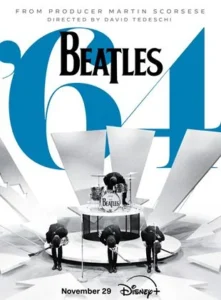
Der Durchbruch der Beatles in Amerika – dieser mythische, ekstatische Moment, der Großbritanniens Nachkriegsstolz wiederherstellte und zu einem dauerhaften Eckpfeiler unseres Soft-Power-Selbstbewusstseins wurde – ist das Thema dieses fesselnden Dokumentarfilms von Regisseur David Tedeschi; Martin Scorsese ist Produzent und interviewt Ringo selbst in der Gegenwart, wobei Paul separat zur Kamera spricht. Er verwendet auch die intimen Hotelzimmer- und Backstage-Aufnahmen, die damals von den Brüdern Albert und David Maysles gedreht wurden.Der Film dokumentiert die Ankunft der Band in New York im Jahr 1964 und ihren legendären Live-Auftritt in der Ed Sullivan Show, bei dem der Moderator an einen misstrauischen, hageren Richard Nixon erinnert. Craig Brown weist in seinem Buch One Two Three Four darauf hin, dass der Auftritt der Beatles in der Show auf eine unendliche Reihe von vergessenen Vorgruppen folgte, die, auch wenn sie das TV-Buchung damals gerne angenommen haben mögen, dazu verdammt waren, von einer ungeduldigen Nation gehasst zu werden, weil sie nicht die Beatles waren, weil sie für immer durch ihre schiere Belanglosigkeit verdorben waren. Dieser Film zeigt, wie einer der Fernsehzuschauer einen dieser weniger Sterblichen angrinst.
Das erste Konzert der Band in den USA fand in Washington D.C. statt, wo sich das Personal und die Beamten eines britischen Botschaftsempfangs mit ihrem rüpelhaften Snobismus gegenüber der Band blamierten; ein gut sprechender Mann wird gezeigt, wie er spöttisch sagt, er habe keinen patriotischen Stolz für die Beatles. Dann ging es zurück nach New York, um in der Carnegie Hall zu spielen, dann weiter nach Miami, wo sie mit Muhammad Ali herumalbern durften, wovon es allerdings kein Filmmaterial gibt.
Wie immer leuchten die vier Gesichter der Beatles vor ungläubiger Verblüffung und Freude über den surrealen Sturm, der um sie herum tobt; sie strahlen eine unerschöpfliche, fast übernatürliche Energie aus, scherzen und lachen und haben offenbar nie schlechte Laune angesichts der Kameras, die ihnen ständig ins Gesicht gehalten werden.
Sie sind gut gelaunt und irritiert von dem New Yorker Radio-DJ Murray Kaufman, oder Murray the K, der es irgendwie geschafft hat, mit ihnen in ihrem Hotelzimmer herumzuhängen, und niemand weiß so recht, wer ihm das erlaubt hat. Der Film zeigt uns einige großartige Nahaufnahmen der Gesichter der Band, während sie spielen – mir war vorher nie aufgefallen, dass George auf der Bühne manchmal kurz abzuschalten schien.
Dem Schriftsteller Joe Queenan ist tief gerührt, als er sich daran erinnert, wie er sich fühlte, als er die Beatles zum ersten Mal im Radio hörte: diese unheimliche Alchemie von Stimmen, die gleichzeitig von Rock’n’Roll-Energie erfüllt und doch unschuldig und unbedrohlich waren.
Sie waren die Kathedralenchöre der romantischen Freude und die Band, die dem weißen Amerika die Erlaubnis gab, nach dem Kennedy-Attentat abzurocken und seine Stimmung zu heben. Ein Teil des Dokumentarfilms interessiert sich dafür, wie weich und sogar exotisch nicht-binär die Beatles aussahen – so ganz anders als das, was Betty Friedan als Besatzungsschnitt und preußische Männlichkeit beschreibt, die zu dieser Zeit für die amerikanische Männlichkeit obligatorisch war. (Auch hier ebneten sie, ohne es zu wissen, den Weg für Amerikas Akzeptanz des britisch-androgynen Glam Rock).
Der Fotograf Harry Benson wird in der Gegenwart interviewt und erzählt, dass John, nervös darüber, wie er und die anderen in der amerikanischen Öffentlichkeit ankommen würden, über Lee Harvey Oswald sprach. Lennon wird auch gezeigt, wie er einen wichtigen Punkt anspricht: „Die Beatles und ihresgleichen wurden durch das Vakuum der Wehrpflichtlosigkeit geschaffen … wir waren die Armee, die es nie gab.“ Der Wehrdienst wurde abgeschafft … und der Rock’n’Roll nahm seinen Platz ein? Ein verblüffender Gedanke, auch wenn man sagen muss, dass Elvis Presley Militärdienst geleistet hat.
Und es ist immer noch erstaunlich, wie kurz dieser Augenblick war: In nur wenigen Jahren würden sich die Beatles und ihre Musik zu etwas völlig anderem entwickeln. Wenige Jahre später trennten sie sich, obwohl sie erst in ihren Zwanziger waren waren. Ein erstaunlicher Sekundenbruchteil der Kulturgeschichte.
(Peter Bradshaw, The Guardian)
monthly revelations (december)
(albums) Roberto Bonati – Chironomic Orchestra: The Gesture of Sound, The Gesture of Colour (film) Kronos Meets Hardanger – notes of an imaginary documentary (prose) Ulrike Sabine Maier: Manchmal das Glück (talk) Danish guitarist and composer Jakob Bro speaking about the first release of his fabulous 2014 album „Taking Turns“ (poetry) Daniela Seel: Nach Eden (binge) Monsieur Spade (archive) Peter Thomas: The Tape Masters, Vol. 1 & Günter Schickert: Samtvogel (Jan R. and Michael E. travel old Bundesrepublik)
Im Club der Fische
Es gibt ein paar Dinge in meinem Leben, die machen mich derzeit dezent traurig. Alles brach einmal heraus, als ich auf einer Autobahn wieder und wieder „Vitamin C“ hörte, in der Fassung von 1973, die Can damals in Paris aufführte. Man mag eines dieser Felder der Melancholie für leicht absurd halten, aber ich spielte schon immer gerne Detektiv, und nicht mal mein alter Kumpel und Ex-Polizist fand eine heisse Spur zu meinem besten Freund in Volksschul- und Blutsbrüderzeiten. Aber ich fand sein Geburtsdstum heraus, fünf Tage vor meinem (wir sind im Club der Fische), seinen ersten Wohnort vergesse ich eh nie (Weissdornweg 9), und nun werde ich im Dezember im Einwohnermeldeamt von Dortmund auflaufen, und angeblich erfährt man dort für 40 Euro seinen derzeitigen Aufenthaltsort. Und ich will nicht auf einen Scheissfriedhof geschickt werden! Es gibt eine Verbindung zu Matthes, die über reine Erinnerungsseligkeiten und das gemeinsame Singen von „Sunshine Superman“ weit hinausgehen! (m.e.)“Mar Del Plata“
„Taking Turns requires close listening. These musicians are certainly listening to each other. Call it a conspiracy of beauty.“ (Jazzwise)
„Keines dieser Stücke auf „Taking Turns“ endete so, wie ich es mir vorgestellt hatte. Und das halte ich generell für eine meiner größten Freuden als Komponist. Manchmal denke ich darüber nach, ein Soloalbum zu machen, auf dem ich versuche, der ursprünglich beabsichtigten Vorstellung ganz nah zu kommen. Darüber habe ich oft nachgedacht. „Mar del Plata“ kam als einfaches Lied daher, ich habe es mit Klavier und etwas Gesang gemacht – wer weiß, vielleicht werde ich es eines Tages solo aufnehmen, aber solange die Musik mich immer wieder neu und positiv überrascht, gibt es keinen wirklichen Grund, andere Wege zu gehen. Lieber geniesse ich die Freiheit der Reise, einfach zu erleben, wie sich diese Lieder entwickeln.“ (Jakob Bro im Interview mit Michael Engelbrecht)
„The less-is-more approach and a penchant for pedal-driven atmospherics that Frisell has said owes something his admiration for the ambient recordings of Brian Eno and Robert Fripp, are significant features here, heard to superb effect on the final track, ‘Mar Del Plata’. It’s a gorgeous tune led by the sound of two sinuously entwining electric guitars.“ (Phil Johnson über „Mar Del Plata“
„jeff parker and the way out of easy“
Jeff Parker ist kein auffälliger, ausgeflippter Gitarrist. Alles, was er tut, hat einen Hauch von Metheny’scher Virtuosität, aber in der Regel spielt er nach einer rücksichtslosen harmonischen Logik, die sich aus dem genauen Hinhören auf das ergibt, was seine Bandkollegen tun.
In seiner Arbeit geht es oft um den kreativen Einsatz von Wiederholungen, und das ist auch die Art und Weise, wie dieses Ensemble als Einheit auftritt. Die Musiker beginnen jedes Stück mit einem einfachen Riff, das wiederholt, imitiert und verändert wird, bis es die Initialzündung für nachdenkliche Improvisationen liefert.
Was manchmal schwer zu glauben ist, ist, dass es sich um ein reines Live-Album handelt, das von Tontechniker Bryce Gonzales aufgenommen wurde, der vier Mikrofone aufstellte und sie in ein Zwei-Spur-Mischpult einspeiste, um die Band in Echtzeit zu mischen. Alle vier Musiker verwenden Effektgeräte, aber keines wurde in der Nachbearbeitung oder im Mix eingesetzt – alle werden in Echtzeit eingesetzt.
(John Lewis, Uncut)
Fairouz: Maarifti Feek
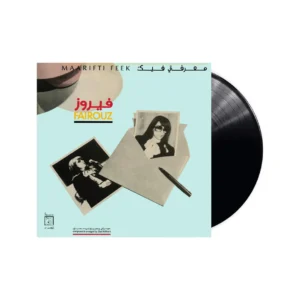
Fairouz is a very famous Lebanese singer and I’ve been listening to lots of different tracks of hers over the past few years. But there’s some really great ones on this album, and it inspired my most recent record – not in a direct way, just that when you listen to something a lot, it gets in your head. This record took on a funky sound, which I think was a shift for Fairouz, as she started working with her son. The song “Li Beirut” is very moving to me right now, because of what’s going on in Lebanon. It’s like her love song to Beirut, written during the civil war, and it’s kind of devastating.Julia Holter
(After the interview with her, thanks to Olaf for support, I looked out for this album, and though it cannot measure it with an immaculate Western production, such little limititations are easily transcended by the beauty and the power of the music.)
From Silverado (No. 5/10)
- (Kevin Kline) „You’re wearing my hat. What else you got that’s mine?“
- (Hat Thief) „Mister, I don’t know what you’re talking about.“
- (Kevin Kline) „I hope your fingers aren’t tickling my ivory handled Colt. You stand up real slow and let me see and you might live through this night.“
- (Hat Thief) „Sure“
monthly revelations – november
(album) erik honoré: triage (film) die fotografin (prose) thomas kraft: americana (talk) félicia atkinson (poetry) robert macfarlane & hayden thorpe: ness (binge) shogun (archive) byard lancaster: the complete palm recordings 1973 – 1974what art does – an unfinished theory

Drawing on his experience as an artist, Brian Eno is releasing his book on art, made in collaboration with Bette A.
WHAT ART DOES examines the function of fictional worlds – such as pop songs, detective novels, soap operas, shoe tassels and the hidden language of haircuts – and suggests a new theory of art.
Why do we do it? How does it help us? And how does it hold us all together?
WHAT ART DOES is a full colour illustrated hardback book, initially available in a limited edition of 777 signed copies. Each copy comes with its own unique slipcase hand painted by Brian and Bette A. This limited edition is available exclusively from Metalabel for North American collectors, and Enoshop for collectors in the rest of the world.
Hardback and ebook editions will be available on general release from Faber on 16th January 2025.
(stardust memories from marquee moon blow away zone)

not returning
call
that (ghost) ship
floating body…
„just“ elevation –
fondly remembered
in smallest crushing waves
carried away.„Michael, oh. “Carried Away” is the aural equivalent of a lonely walk along the docks, which is what Verlaine sings about, and if it doesn’t boast the catchiest melody you’ll ever hear it makes up for it in sheer atmospherics. Verlaine’s singing on the chorus especially sounds hard won, and I love the way he sings “I get so carried away” in a voice that couldn’t sound less excited. At around the midpoint the song breaks for an understated guitar solo, and then the organ and piano return to play a long closing passage that evokes Robert Frost’s boast about having outwalked the furthest city light.“ (David Webster)