Clay Pipe Music 2
is now on our blogroll.
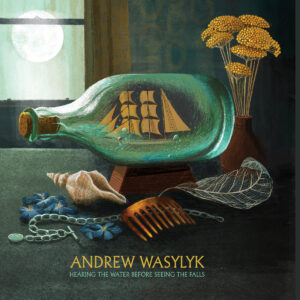
„The cover of Andrew Wasylyk’s album features a ship in a bottle surrounded by seashells, feathers and the white glow of a full moon. It sums up the album perfectly. Aquatic, ethereal and fragile in equal measure, upon listening one has the feeling of being temporarily suspended in a fog of wistful ambivalence. It’s elegant and spatial.Inspired by the dramatic land photography of Thomas Joshua Cooper, Wasylyk creates harp-led cinematic soundscapes that seem infinite. Although the seven tracks vary in meaning, the LP doesn’t feel overwhelming in its abstraction. Wasylyk creates beautiful jazz-soaked ambient music that is liberating and meditative, rather than aggressively esoteric. The album no doubt cements Wasylyk’s reputation as not only an ambitious and brilliant multi-instrumentalist, but as a serious modern artist.“ (Evie Nicholson, NarcMagazine)
Sky‘s The Limit
Quote from Cryptic Rock:
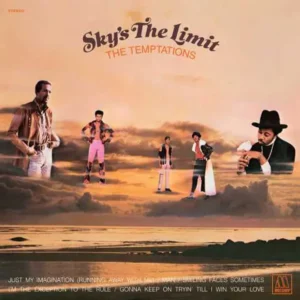
The songwriting team of Norman Whitfield and Barrett Strong really drove home some wisdom-laden and thought-provoking lyrics. Brought to life by The Temptations’ performances and Whitfield’s simply outstanding production, Sky’s The Limit is an album that crosses boundaries into Rock, Soul, but also much more.
All these positive allocates to consider, even still, the hand’s down highlight of it all is “Smiling Faces Sometimes.” Yes, the song would become a Top 5 hit with The Undisputed Truth instead, The Temptations’ twelve-plus minute edition is nothing less than an experience you have to hear to believe.
That is why it is extremely exciting to learn Elemental Music has selected it as one of their Motown vinyl reissues in 2024. Released on October 18th, this new limited edition release is pressed to a 140 gram vinyl, and let us just say the sound really pops with every twist and turn.
Sounding warm and rich, this new vinyl captures the magic of the original recordings. This is all while you also get the original cover and back art on a very solid single vinyl jacket. Overall, Elemental Records made an extremely wise selection by reissuing Sky’s The Limit to vinyl, because Cryptic Rock gives the release 5 out of 5 stars.
Songwriting with Brian Eno
We are pleased to announce that Brian Eno will be leading School of Song’s January 2025 songwriting workshop for musicians, fans, and music lovers alike. A selection of topics we’ll cover:
- The Role of Surrender: Many of life’s peak experiences come in moments of surrender. We’ll explore surrender as a larger life practice to cultivate a more present, curious, and playful state of consciousness that is conducive to writing songs.
- Avant Gardening: What happens when we allow ourselves to experiment at the furthest reaches of our imagination? We’ll discuss how making time for discovery separate from our songwriting practice can yield a rich harvest.
- Creating a Compelling Sonic World: Male bowerbirds spend the majority of the day creating elaborate and beautiful nests, all with the singular hope that a female might feel compelled to fly through. In music, we can build a sonic ‘nest’ to capture ourselves and compel us to sing over it.
- Oblique Strategies: Creativity loves limitations. We’ll use constraints and games that put ourselves in unfamiliar situations that, in turn, stimulate our creative minds to seek new and radical solutions.
- Should Music Still Be Called Music: In an age of samplers, recording studios, and keeping up with the continual development of technology, is music still the same art form or is it something completely new?
Jellyfish
I am a jellyfish heading towards the sun
In the deepest clear ocean never to reach the surface
full motion
I am the pheasant's awareness
earthworm
breathing steered
I am your unlocked parts
our energy
Richards Liste
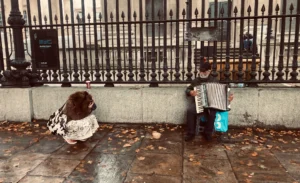
„Ich mag Straßenmusiker, solange sie keine Verstärkung oder voraufgezeichnete Unterstützung verwenden. Einige von ihnen leben in meinem Kopf weiter. Ein Klarinettist in einem kleinen Garten in der Nähe des Taksim-Platzes in Istanbul im Jahr 1968. Ein Sänger und ein Akkordeonspieler, die 1994 vor einem Einkaufszentrum in Rosario Carlos Gardel huldigen. Ein fließend boppischer Altsaxophonist vor einem Hamburgerladen in der Innenstadt von Atlanta im selben Jahr. Ein älteres Quartett in einem Park in Sofia vor 25 Jahren.
Der oben abgebildete Akkordeonist spielt regelmäßig vor dem British Museum in Bloomsbury. Er kommt aus Rumänien. Eines Tages in diesem Herbst hörte ich ihn, als ich auf dem Weg von einem schnellen Mittagessen im Caffè Tropea war, dem italienischen Restaurant im Park am Russell Square. Es ist wahrscheinlich mein Lieblingsrestaurant in London und wird seit über 40 Jahren von einer Familie mit Wurzeln in Kalabrien geführt. Einwanderer, was?
An diesem Tag spielte der Akkordeonist das Thema von Nino Rota aus Der Pate. Während ich zuhörte, ging eine junge Frau vorbei, blieb stehen, holte eine kleine Kamera aus ihrer Tasche und bückte sich, um ihn mit einer raschen, ökonomischen Bewegung zu fotografieren, die erkennen ließ, dass sie wusste, was sie tat. Ich habe ein einziges Bild mit meinem iPhone aufgenommen, das einen der glücklichsten Momente des Jahres festhält.“
Soweit Richards Williams‘ kleine Einstimmung auf die Liste, in seinem wunderbaren Musikblog „The Blue Moment“. Sein Lieblingsbuch des Jahres ist übrigens Samantha Harveys „Orbital“ (zu deutsch „Umlaufbahnen“), auf Platz 6 seiner Alben des Jahres findet sich eine ECM-Veröffentlichung vom September 2024, von deren Existenz ich bis soeben nichts wusste. Interessant. Und sonst? Überschneidungen und Überraschungen. Michael Shrieve habe ich zuletzt in den Siebzigern an der Seite von Santana erlebt. (m.e.)
ash grey and the gull glides on
„you might find nothing
to see here,
but come tomorrow
we‘ll still be here“
imagine a blue radio hour in spring 2025, a number that makes you think of zagger & evans in an oldie show, but start with a nevergreen from peter thomas turning 100, followed by a piece of „wonky togetherness“ (electrinic sound) with andrew wasylyk & tommy perman. This albumis, apart from Broadcast‘s „Spell Blanket“ my latest great discovery of 2024, i think, and it will probably open up my „March Horizons“ on air! You wanna find out more: go to www.claypipemusic.co.uk …
Die zehn Tracks sind geprägt von Wasylyks meditativen Klavierrefrains, von ausladenden Synthesizern, die den kitschfreien Zonen von New Age und japanischem Ambient wunderbar nahe kommen, ohne sie zu kopieren, und von Permans organischem Ansatz, eine sehr speziell pulsierende musikalische Collage zusammenzusetzen. Aber noch elementarer als das sind sie durch ihre Stille und ihren Sinn für Raum definiert. Wenn das etwas abstrakt klingt, hilft es, auf das Wort „nothing“ zu klicken, das in der ersten Zeile! Der Titel dieser Langspielplatte ist identisch mit dem Titel dieses Textes. Späte Entdeckung. Fast schon zum Schmunzeln zeitlos, und doch passt es unter den Weihnachtsbaum. (m.e., and others)
Im Club der Fische (3)
Stück für späte Stunden (für Matthias)
Da war die Zeit, in der wir Nachmittage dehnten,
bis all die Lichter, Fenster, Autos, erste Feuerstellen,
uns nach Zeichen suchen ließen, Spuren schwarzer Himmel,
die ihre Pforten für den Regen öffnen,
für Lieder über Regen, wie er hart zu Boden trifft, uns
badet, uns, unbesiegbare Kinder mit einer Mission.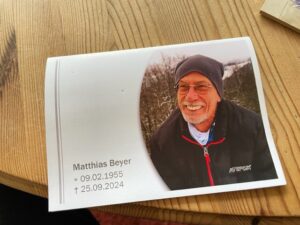
„Unser Polizist“, Michael Z. (weisst du noch, wie wir ihn morgens oft abholten, die lange Singerhoffstrasse runter und rauf), hatte mir den Weg gewiesen, aber ich war zu blöd, dich zu finden. Vielleicht dachte meine Unbewusstes, die Kindheit sei ein zu weit entferntes Land. Ich hätte nur ein paar Häuser weiter abklingeln müssen, im Frühsommer, und du hättest vor mir gestanden.Was trennte uns letztlich so früh, 1966 oder 1967, es war nicht die Höhere Schule, es war nicht deine Arbeiterkklassenherkunft, es war nicht der Umzug von Hombruch nach Kirchhörde, es war kein Streit. Scheisse, wir waren Blutsbrüder, so wie es uns Karl May beibrachte mit Winnetou und Old Shatterhand. Wie oft fuhren wir Sonntags mit dem Mercedes von Daddy in den grossen Wald, wir pflanzten einen Baum ein, und wir guckten „Am Fuss der Blauen Berge“.
Ist es wirklich albern zu sagen, dass du mein bester Freund warst, weil es die Jahre 6 bis 12 waren? Es war das Ende der Kindheit. Das Ausfahren der Antennen in andere Richtungen. Du hast schneller geheiratet als ich verlobt war. Obwohl ich sicher bin, dass wir das Träumen nie verlernt haben, fanden wir nie mehr die Kurve in das Leben des anderen.
Unzählige Male fuhr ich durch die alte Siedlung, nach meiner Rückkehr 1987, studierte die Namen auf den Klingelschilldern, und ging vor ein paar Tagen mit Klaus Weckermann, unserem Anführer in den vier Jahren auf der „Brüder Grimm“, noch mal Namen und Häuser und Erinnerungen durch. („Hallo, bist du Klaus Weckermann, wir sahen und zuletzt vor weit über fünfzig Jahren!“). Wer schon alles tot ist: Margarete, so früh, mit 43, Erdnüsse und aus! Und fast alle Regeners. Und der schlaue Dieter.
Vor ein paar Monaten standest du noch bei Klaus vor der Tür, mit einem neuen Motorrad. Du bist beruflich noch einige Male nach Japan geflogen, zu Mitsubishi, erzählte Klaus. Zwei Kinder, drei Enkel – zwei Hunde zuletzt. Und nach deiner Hochzeit nahmst du den Namen deiner Frau an, wie soll ich dich da finden? Und als Klaus und Jutta mir das Foto rüberreichten, wusste ich, dass ich dich überall auf der Welt sofort erkannt hätte, selbst in Tokyo. Die Augen. Das Lachen.
Ich hätte so gerne in deinen Erinnerungen gestöbert – es wäre ein Rausch gewesen, voller Drachen und Singles und Sylvesterknaller. Weisst du noch: am 2. Oktober 1965 sahen wir das 2:2 unseres BVB gegen den HSV im Stadion Rote Erde, du hattest auf einmal Panik, ich begleitete dich heraus, bis dein Herz wieser ruhig schlug, dann kehrten wir auf die Tribüne zurück. Blutsbrüder! Lass uns bitte noch einmal Donovan singen! „Sunshine Superman“. Und den Himmel nach Liedern für den Regen absuchen!
Norbert Ennens 2024 – rewind
Albums 2024 (no particular order)
Adrianne Lenker – Bright Future
Beth Gibbons – Lives Outgrown
Cindy Lee – Diamond Jubilee
Laura Marling – Patterns In Repeat
Nala Sinephro – Endlessness
Charles Lloyd – The Sky Will Still Be There Tomorrow
Oren Ambarchi, Johann Berthling, Andreas Werliin – Ghosted II
Shabaka – Perceive Its Beauty Acknowledge Its Grace
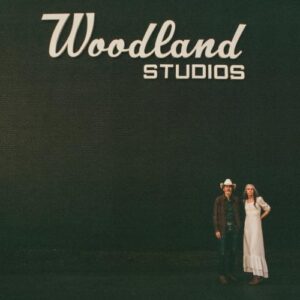
Gillian Welsh & David Rowlands – Woodland
Jeff Parker ETA IVtet – The Easy Way Out
Moor Mother – The Great BailoutReissues & Archival Releases
Byard Lancaster – Palm Recordings
Broadcast – Spell Blanket Collected Demos 2000-2009
Broadcast – Distant Call Collected Demos 2000-2006
Mark Lanegan – Bubblegum
Joe Henderson – Power To the People
Aphex Twin – Selected Ambient Works Vol. 2
Alice Coltrane – The Carnegie Hall Concert„Free Spirits Flyin’“ – Bro / Henriksen / Rossy in Dortmund

Diesen Zauberern bei der Arbeit zu lauschen und zuzuschauen, war wunderbar. (Achtung, dieses Wort wird dreimal in diesen Zeilen auftauchen!) Das Trio spielte zwei lange Sets völlig frei improvisierter Musik, und als Zugabe „New Morning“, das am ehesten ihre feingeschöpfte LP / CD „Uma Elmo“ in Erinnerung rief. Zuvor, das waren zwei wilde Ritte zwischen kontrollierter Wucht, überfliessender Spielfreude und tonaler Versenkung.Arve Henriksen verband sein Trompetenspiel mit tollkühnen Gesangseinlagen und (sehr freien) Tasten-Electronica, Jorge Rossy verstand selbst den Quietschgeräuschen seines Schemels perkussive Reize zu entlocken, und Jakob Bro konnte seine Gitarre in verwegenen Zwischenzonen wildern lassen, die wir mal, ohne zu lang zu überlegen, unbeschreiblich, subtil und hochspannend nennen wollen.
Kurz vor Ende des zweiten Stücks schlug die Musik ein mediterranes Flair mit einem Hauch von Martin Denny an, Arve sang von „dreamy beaches“, und davon, das man nun nach Mallorca fliegen würde. Tatsächlich spielen sie dort, in einem Theater, wie er mir hinterher bei unserer herzlichen Bergrüssung erzählte („long time no see“), am Samstag in einem Theater, und alle freuen sich auf 24 Grad in der Sonne. Wer die Drei also erleben möchte….
Zum ersten Mal lernte ich auch Jakob kennen, mit Händeschütteln, nettem small talk, und dem Verweis, dass morgen Abend um 21.05 Uhr, im DLF, unser noch sehr frisches, virtuelles Interview verarbeitet würde. „Taking Turns“ ist ja jetzt erschienen. Wer allerdings den Bro dieses Konzerts kennenlernen will, sei auf sein fantastisches Live-Album „Strands“ mit Palle Mikkelborg und Marilyn Mazur verwiesen, das eine grössere strukturellen Nähe, soundwise, zum „free improvised spirit“ des Dortmunder Abends besitzt als die poetischen Destillate von „Uma Elmo“. Wunderbar, ganz wunderbar!
(Toller Sound im Domicil übrigens, einst ein altes Kino, in dem ich so viele Filme in jungen Jahren sah, unter anderem „Barry Lyndon“!) – m.e.
Lorenz Edelmanns Auslese 2024
- Beth Gibbons – Lives outgrown (flowworker tip-grandios)
- Ariel Kalma Jeremiah Chiu & Marta Sofia Honer – The Closest Thing To Silence (flowworker tip-instrumental, ambient und irgendwie ganz eigen)
- Lizzy McAlpine – Older (tolles Songalbum mit immer wieder kleinen Überraschungen)
- Anna Butterss – Mighty Vertebratae (flowworker tip-tolle Stücke und ungewöhnlichen Sounds)
- Tindersticks – Soft Tissue (immer wieder tief und schön)
- Einstürzende Neubauten – Rampen (tolles Album, hier finde ich sogar das deutsch und englisch Singen in einem Song nicht seltsam)
- Emiliana Torrini – Miss flower (Liebesbriefe, die die Mutter einer Freundin bekommen hatte, in Songs verwandelt – eine schöne Idee, richtig gut umgesetzt )
- Willie Nelson – Last leave on the tree (eine schöne Überraschung: von seinem Sohn sparsam und oft ungewöhnlich produziert (z.B. Sam Gendel‘s Saxophon)-„Teatro“-Liga für mich!
- Element Of Crime – Wenn es dunkel und kalt wird in Berlin (ohne den Film gesehen zu haben – wunderbare Live-Versionen)
- Meshell Ndegeocello – No more water, the gospel of james baldwin (starkes Jazz, Soul, Spoken Word Konzeptalbum)
- Iron and Wine – Light Verse (dieses mal im Breitwandsound – aber nie zuviel – eine Kunst)
- Loma – How I Live Without A Body (auch ihr drittes Album begeistert mich mit ihrem eigenen Sound)
AUS DEM ARCHIV:
- King Crimson – Sheltering Skies (genau diese Besetzung hat mein musikalisches Leben sehr beeinflusst)
- Bill Fay Group – Tomorrow Tomorrow And Tomorrow (hier muss ich manchmal an Robert Wyatt denken)
- Brian Eno & Holger Czukay & J. Peter Schwalm – Sushi. Roti. Reibekuchen (was für ein Zusammentreffen)
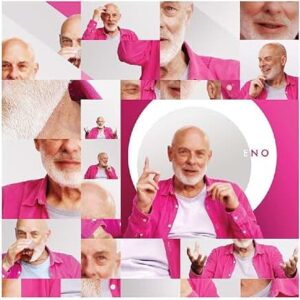
- Brian Eno – Eno (Soundtrack) (eine prima Zusammenstellung)