DreamTime Jackets
The morning demons need to spill out of their dreamtime jackets
Given words in this verse.
When the firings say in so many complex ways that you weren't there, mother, or
how can I possibly know what to do -
now we know it is the hurt not the facts
that needs to flex from that compressed absence -
and while your body practices
strange watchers will continue to people your dreams.

Don't believe the shapes they take
Believe each opportunity to breathe out.
All is not lost.
ein neues flowworker musikrätsel
einmal eröffnete einer seiner songs eine nicht nur von mir geschätze tv-serie, und der ungemein eindringliche song führte uns aus faszinierende art in eine welt diverser abgründe. nun sitze ich hier im besten restaurant von matala, habe einen „seabrass“ verspeist, und um den fisch herum das erste risotto ever erlebt, das mich umgehauen hat. zeit für ein cappuccino, und ein neues rätsel, und der erste, der mir den namen des künstlers / acts schreibt, in den comments hier, nicht als private mail, bekommt um nikolaus die cd nach hause gesendet. sie erscheint (oder ist erschienen) zwischen september und november 24. auf einflüsse angesprochen, die sich auf dieses album ausgewirkt hätten, ohne unmittelbar hörbar zu sein, in der einen oder anderen weise, nannte er / sie / die band (ich will es ja nicht zu einfach machen) Mazzy Star, Beth Gibbons, Gene Clark – und Sade . good day and good luck! (m.e.)
Rätsel gelöst: HIER ein Song aus „Small Changes“. Tom Doyle fühlt sich in seiner Besprechung in der Dezemberausgabe von Mojo von ferne an „Dry The Rain“ von The Beta Band erinnert – LISTEN!
“(…) The album is playful, too. Audience applause and babble opens Lowdown Part 1, in which a rolling Pino Palladino bass part and Al Kooper-styled Hammon interjectiojs conapire to evoke a kind of downtrodden take on The Beta Band‘s Dry The Rain, replete with a naggingly beautiful melody. (…)“

…fondly remembered, JD Souther
He was a country maverick, and his famous 1979 song hit me hard and out of nowhere in a bavarian café in October 82 with full punch. Listen HERE. When Iistened there, it smashed me, ripped me into pieces and kindly rebuilt me, so that it could at least, too. „When I first started to write songs I was hanging out with Glenn and Jackson [Browne] and Don [Henley],” he told in 2006. “It was an acoustic guitar environment. We all made each other better musicians and songwriters.”
monthly revelations – november
// albums: erik honoré / underworld / kit downes // film: die fotografin (the female photographer) // prose: michael connelly‘s desert star // talk: thomas strônen or thomas morgan or … // poetry: romalyn ante: agimat // binge: slow horses (4) //archive: bo hansson (everything) / csn&y at fillmore east 1969
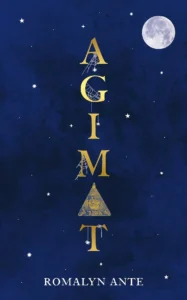
All „revelations“ will be installed close to the end of October. Nothing is guaranteed. Look at the list: some usual suspects, some surprises. And to be very clear from the start: Erik Honoré’s TRIAGE is one of my few five star albums of the year. Normally a running label for „literary“ crime novels from Scandinavia, TRIAGE is another, special kind of „Nordic Noir“. And my enthusiasm is by no way influenced by the fact I‘ve met Erik many times and seen him so often on stage during two decades of Kristiansand‘s Punktfestival. You can see the album as the third part of a trilogy of Erik Honoré albums, but it is a standalone that, for all the good reasons, should not fall prey to the section of „Buried Treasures“ in a Mojo edition from 2075.
Some people asked me about my encounter with Beth Gibbons in Bruxelles knowing she doesn’t give interviews for ages. And they cannot imagine that would happen an a small blog deliberately running under the radar. So time is ready to spread one’s wings and be blown away. Think of Christmas. (m.e.)
Back to the 60’s, and with the words of Graham Nash: „Hearing the newly discovered tapes that comprise Live At The Fillmore East, 1969 was something of a revelation. When you listen to the acoustic tracks particularly, you can really tell how much we loved each other and the music we were making. This was only weeks after Woodstock, which was only our second time appearing in front of people. It was so early in our career and we were still trying to figure it all out. CSNY is a much different band than CSN. The addition of Neil really kicked us in the ass.”
We could easily add the reissue of „An Electric Storm“ by White Noise, from 1969 again, but let‘s do a little hommage to Phil Aston instead, who recently reviewed the vinyl reissue. Nearly half of us flowworkers know this album, so HERE is Phil remembering the beauty amd madness of a very strange work of early days’ electronica.

2024 is a year full of fantastic albums with female voices, from Beth Gibbons to Sidsel Endresen. And there is „Camelot“ from Canadian singer / songwriter Jennifer Castle HERE her song „Blowing Kisses“. A quote from Rob Hughes from Uncut:„Released to soundtrack an episode of hit TV comedy-drama The Bear (Castle used to work in a Toronto restaurant with the show’s co-producer and cast member Matty Matheson), it’s an eloquent tune that pushes the value of basking in the moment (that immediately rings a Beth Gibbons bell), driven by jazz-ballad piano and a sumptuous string arrangement from Owen Pallett for Macedonia’s FAMES Skopje Studio Orchestra. There’s all the grace of a spiritual hymn, but it sounds like a fresh vow. “Don’t get it twisted”, sings Castle, gliding around the melody and rising into a soft rapture, “My heart’s still in it / My dedication’s a star”.
70 today, and many happy returns, Mr. Tibbetts!
Hier mein alter Text für die ZEIT, und keineswegs aus der Zeit gefallen, über A MAN ABOUT A HORSE. Seltsamerweise habe ich Steve nie nach der Bedeutung des Albumtitels gefragt. Ich habe etliche Steve Tibbetts-Lieblingsplatten, und einst zu dem wunderbaren Album „Big Map Idea“ die liner notes geschrieben. Ein Werk, das mich nie aus seinem Bann lassen wird, ist sein bislang letztes, „Life Of“ – HIER ein kleines Interview dazu. In nicht zu ferner Zukunft wird ein weiteres Album folgen, wenn ich meiner gut unterrichteten Quelle glauben darf. (m.e.)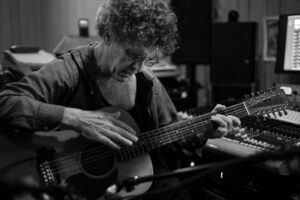
Man nenne dies nicht Fusion Music und auch nicht Crossover. Die Musik des 1954 in Madison, Wisconsin, geborenen Steve Tibbetts erzählt Reisegeschichten über elektrische Wildnis und akustische Kulturlandschaften. Mit sechs Jahren hatte Steve begonnen, die Ukulele zu erforschen, und griff zur akustischen Gitarre, sobald seine Hände sie fassen konnten. Später spielte er in Rockbands und richtete sich im Laufe der Zeit in St. Paul, Minnesota, ein eigenes Studio ein, das bald zum zweiten Instrument wurde – Klangmanipulationen gehörten zum Handwerk eines Musikers, der Tag und Nacht Tomorrow Never Knows von den Beatles und Ege Bamyasi von Can hörte.
Der Globetrotter aus Passion hielt Abstand zu jedem drohenden Mainstream, vermied die mechanische Griffbrettartistik mancher Kollegen und kämpfte gegen den üblichen Etikettenschwindel: „Folkmusik vom Mars“ nannte ein Journalist Tibbetts‘ Klanggebräu. Seine erste große Reise führte nur nach Oslo: Unter der Klangregie Manfred Eichers entstand die karge, leicht pulsierende Gelassenheitskunst von Northern Song. Seitdem mischte der Gitarrist die Höhen- und Breitengrade seiner Musik nach den Gesetzen des freien Falls von Mikadostäbchen und produzierte brillante Werke, mit Titeln wie Safe Journey (1984), Big Map Idea (1990) oder The Fall Of Us All (1994) – eine konstante Verletzung des Orientierungssinnes. Manchmal sind da Geräuschspuren der Fernstraßen um Minneapolis zu hören, der Rocky Mountains oder eines Mönchschors aus Tibet.

Und so finden sich auch Fetzen eines fremden Alltags auf seiner neuesten Arbeit, A Man About A Horse, wenn beim Sampeln Natur- und Tierlaute zusammen mit den bronzenen Sounds von Gongs gespeichert werden (ECM 1814). Fasziniert ist Tibbetts von der Kebyar-Schule der Gamelan-Musik, ihren explosiven Attacken, kühnen Synkopen und verwickelten Läufen aus Blockakkorden. Bali, Indonesien und Nepal wurden bald zum ständigen Reiseziel. Er hört zu, wenn ein Einheimischer von den Geistern der Bäume spricht, und lässt sich vom endlosen Klingklang indonesischer Puppenspiele in den Schlaf wiegen. Kehrt Steve Tibbetts von seinen Reisen zurück, arbeitet er mit frei schwebenden Erinnerungen, nicht mit akustischen Abziehbildern.
Asien wird hier zu einer Welt, von der ein später Jimi Hendrix geträumt haben könnte. Komplexe Texturen, die, allem Gitarrenfeuer, aller Perkussionsdichte und Basswucht zum Trotz, eine seltsam beglückende Klarheit verströmen – als könnte man der Musik beim Luftholen zuhören!
Notes from Rune Grammofon HQ
Another ECM guitarrero from the old days, an archetypal Nordic one, reappearing on a Rune Grammofon album in a live setting with his old compadre Stale Størlokken, and Elephant 9. Click HERE: and you’re becoming witness of two trips on memory lane, a story told by Steve Tibbetts, and a regular Würzburg summer night ritual from the mid-seventies, with M.E. …

CD in 6-panel digipac or double vinyl edition in stunning gatefold sleeve!
Liner notes by David Fricke
Elephant9 established their reputation as a live powerhouse well before their album debut in 2008 and have since released six more studio albums as well as the two double live albums in 2019, Psychedelic Backfire Iand II, the latter with guest guitarist Reine Fiske, whose favourite guitarist happened to be Terje Rypdal. With both albums out of print, Catching Fire is a most welcome addition to their discography. Recorded at a remarkable concert from 2017 in Oslo, Rypdal would turn 70 later in the year.
Catching Fire share common ground with classic live albums from the likes of Mahavishnu Orchestra, ELP and King Crimson, especially when it comes to energy levels and a sense of untamed intensity. That said, there are also stretches of calm at play here, especially in the 22-minute opener where Rypdal introduces himself with some trademark, glacier melodic lines. Rypdal is on fire throughout, adding lead action, fierce rhythm work and abstract acrobatics from his toolbox.
Terje Rypdal´s main body of work is with ECM, first as a member of Jan Garbarek Quartet (Afric Pepperbird, 1970) and with his first solo album Terje Rypdal (1971), all in all counting some 30 releases up to Conspiracy(2020). Ståle and Terje share a common musical understanding, stemming from Ståle being the guitarist´s “right hand” both in the studio and on stage for close to 30 years. Torstein and Nikolai is the most solid of rhythm sections, a well-oiled engine; finesse and power combined. (Rune Grammofon HQ)
A perfect sequence
Das wäre, im Zentrum der Klanghorizonte vom März 2025, eine runde Sache. Man könnte diese englische Klangreise ringsherum leicht erweitern, mit Van Morrisons „Common One“, Mark Hollis‘ „Mark Hollis“, John Surmans „Road To St. Ives“, aber das wären die üblichen Verdächtigen, und würde gegen die Spielregel verstossen, nur neue Arbeiten vorzustellen. Und, zum Ende dieses Jahres hin, kommen noch ganz erstaunliche Alben auf uns zu, von Jakob Bro, Thomas Strønen, Arild Andersen, alle von dem „Label mit den drei Buchstaben“. Damit wäre auch die Brücke nach Skandinavien geschlagen, und in diesem Zusammenhang des Anglo-Amerikanischen, sei ein weiteres Mal auf die fantastische Platte „Keel Road“ des Danish String Quartet hingewiesen. I‘m addicted to this one. Wir wollen es aber mit dem Wilden und Aufregenden und dem „most beautiful sound next to silence“ nicht übertreiben.
Laura Cannell: The Rituals of Hildegard Reimagined
Hayden Thorpe: Ness
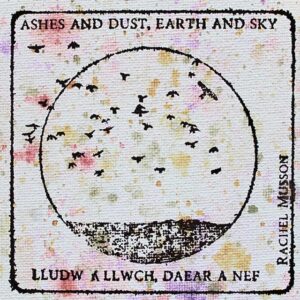
Rachel Musson: Lludw A Llwch, Daear A Nef„In der Pause kaufte ich mir Rachel Mussons neue CD mit dem Titel Ashes and Dust, Earth and Sky auf Englisch und Lludw a Llwch, Daear a Nef auf Walisisch. Um ehrlich zu sein, habe ich sie nicht nur gekauft, weil mir ihr Spiel in der ersten Hälfte gefallen hat, oder wegen des walisischen Elements, sondern weil mir das Aussehen und die Haptik der Verpackung gefielen. Manchmal kann das Design der Hülle wirklich etwas über den Inhalt aussagen.
Das Album wurde während des Lockdowns durch Recherchen zur Geschichte ihrer Familie in Pembrokeshire/Sir Benfro inspiriert und im Jahr 2021 aufgenommen und abgemischt. Es kombiniert Feldaufnahmen in West Wales mit ihren Saxophonen, Flöte, Piccolo, Windspiel, Klangschale und Tro (eine kambodschanische Spike-Fiedel).
Vogelgezwitscher, Wind, Kirchenglocken – das ist das Material, in das Musson ihre eigenen Beiträge einwebt und so einen 40-minütigen, undefinierbaren Wandteppich formt. Vögel sind das erste, was man hört, sie zwitschern und krächzen, und bald wird ein Lied von ihrer Flöte nachgeahmt, was mich an etwas erinnert, das Eric Dolphy, ein anderer Flötist, vor langer Zeit sagte: „Zu Hause spielte ich, und die Vögel pfiffen immer mit mir. Ich unterbrach meine Arbeit und spielte mit den Vögeln.“ Eine Piccoloflöte gesellt sich dazu, während eine Klangschale und das Prasseln von Saxophonklängen die Mischung vervollständigen, bevor eine kurze Passage mit zurückhaltendem freien Tenor das Stück beendet.
Die Musik schafft und bewahrt ihren eigenen Raum, mit häufigen individuellen Höhepunkten. Das zweite und das fünfte der sechs Stücke, „Bethink and Lay to Heart“ und „Windblown“, enthalten schöne Saxophonchöre, die aus der Umgebung auftauchen und zu ihr sprechen, während das Finale, der 10-minütige Titeltrack, mit einem Paar Piccoloflöten beginnt, die sich wie Amseln unterhalten, und den veränderten Klang von Glocken und anderen verzerrten Samples einleitet, die auftauchen und verweilen, bis sie sich in die Stille zurückziehen, nachdem sie ihren leisen, aber nachhaltigen Eindruck hinterlassen haben.“ (Richard Williams, The Blue Moment)
Studio One Groups
The Soul Jazz label easily proves how smart they are with excellent Studio One Groups, an almost overwhelming set of killer cuts from bands and singing groups affiliated with Cocsone‘s „University of Reggae.“ His label saw the Jamaican sound go from ska to rocksteady to roots reggae. One disc isn’t enough to tell the whole story, but this collection functions as a enchanting mixtape – a wonderful mix of tracks you might know, tracks you should know, and a couple of wonderful rarities that should have never fallen through the cracks. The sweet harmonies, spiritual roots music, and soul-influenced ballads are all intoxicating. Whether you’re being introduced or getting reacquainted, the vinyl / cd simply named Studio One Groups puts a spell on you overflowing with kindness.
life‘s backward glances (2)
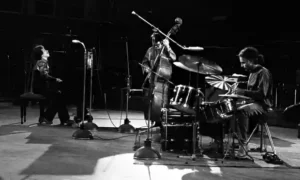
es ist so wohltuend, beim ansehen des films „music for black pigeons“, musiker sprachlos zu erleben,wenn sie ihre kunst reflektieren. da rauscht kein engel durch den raum, da wird nicht das „spirituelle“ beschworen,
da wird bestenfalls gesagt, dass man, manchmal dem nahe käme, „what this is all about“. und so habe ich meine ganz eigenen
lieblingsplatten von und mit paul motian, zu denen seit neuestem, der dokumentation sei dank, „once upon a room“ zählt, von jakob bro,
obgleich auf dieser platte allein der „spirit“ des drummers anwesend ist, ohne alles raunen, ohne jedes ergriffenheitsvokabular,
und hier dann die anderen alben von und mit Motian, die zu meinen ganz privaten favourites zählen, „conception vessel“, „dance“, „the survivors‘ suite“, „fort yawuh“, „tribute“, the paul bley quartet“. nichts fehlt mir hier, weil nichts denkmalgeschützt formuliert ist, und nur unvergessliche „blue hours“ gelistet sind, von den teenagerjahren mit dem hineinkriechen in den klang von “conception vessel“ (der gong!), bis hin zu der ecm-edition einer lang als bootleg gehandelten magie von jarrett, motian und haden, ein abend bei naura im ndr anno 1972, siehe den schnappschuss oben. das bill evans trio, live im village vanguard, ist bei mir nie wirklich „gelandet“, – weiss der kuckuck warum, aber meine favourites brachten mich nah an, ähem, „what this is all about“. tiefe, geteilte zeit. ein menschliches potential, ohne fabulierten spirituellen überbau. perfect empathy. Unerhörtes finden.