Die Mutter und die Hure
Vor ein paar Tagen schickte mir Thomas P. die Ankündigung eines Boxsets mit den Filmen von Jean Eustache, und dann fiel es mir wieder ein. Als ich mich neulich an die Story erinnerte, dass Brian Eno nur einmal das erste oder zweite Album der Velvet Underground gehört hat, und davon so ergriffen war, dass er die Wucht dieses Erlebnisses nicht durch weiteres Hören schmälern wollte. Mir fiel nämlich kein Album ein, mit dem ich je vergleichbar umgegangen bin, aber ich bin ja auch kein Musiker. Aber mir fiel ein Film ein, den ich damals, 1973 oder 1974, im Fernsehen sah, und der mich wohl tatsächlich ähnlich umhaute, und den ich danach bewusst oder unbewusst nie wieder sah. „Die Mutter und die Hure“. Was für ein langer Nachhall! Ich sehe den alten Fernseher vor mir, in meinem „Kinderzimmer“, ich hatte mich in die Bettdecke eingekuschelt, und den Rücken an die Backsteintapete gelehnt. Direkt neben dem Bett der Plattenspieler, das Cover von Jan Garbareks „Sart“. Oder war es „Ruta and Daitya“ von Keith Jarrett und Jack DeJohnette? Ein Film, in dem ich viel von mir wiederfand, ein Film, der mich dermassen berührte, dass die vielen Gespräche darin und die Caféhausszenen wie im Fluge vergingen. Ich bin gespannt. Und Thomas P.s Besprechung eines „Meilensteins des feministischen Kinos“ ist nun auch pünktlich zur Monatswende in unseren „revelations“ gelandet.
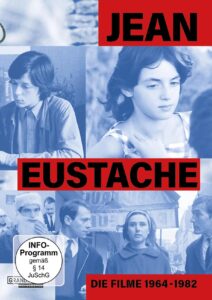
Der Text zur Box liest sich so: „Vom Arbeiterkind aus der Provinz zum radikalen Provokateur in Paris: Jean Eustache ist der ungeschliffene Diamant des französischen Kinos, der Regisseure wie Jim Jarmusch, Hong Sang-soo und Claire Denis bis heute prägt. Als „Ethnologe der eigenen Realität“ sprengte der Working-Class-Regisseur jede Grenze zwischen Fiktion und nackter Wahrheit, um die emotionale Leere der Post-68er-Generation schonungslos offenzulegen. (Aber, „emotionale Leere“, das lasse ich nicht so stehen!😉; Anm. von M.E.) Seine Filme sind keine bloßen Erzählungen, sondern visuelle Sezierungen menschlicher Abgründe und gesellschaftlicher Rituale, die durch ihre raue, fast klinische Ehrlichkeit eine unerreichte Intensität entwickeln. Lange Zeit unter Verschluss und nur als Mythos unter Cineasten bekannt, kehrt sein Werk nun in einer aufwendig restaurierten Box zurück. Ein absolutes Muss für alle, die das widerspenstige und radikale Filmemachen suchen. Enthält folgende Filme und Dokumentationen: La Rosière de Pessac (1968 & 1979) Du côté de Robinson (1964) Le Père Noël a les yeux bleus (1967) Numéro zero (1971) La Maman et la Putain (1973) Mes petites amoureuses (1974) Une sale histoire (1977) Les Photos d’Alix (1982)“
6 Kommentare
Alexander Roth
Hallo Michael, die Story von Enos ehrfürchtigem Hörgenuss – aus dem ein selbstauferlegtes Hörverbot folgt – ist so merk- wie denkwürdig. Sie gibt mir auf jeden Fall insofern zu denken, als dass ich überhaupt nicht sagen könnte, welches Album so etwas in mir ausgelöst hätte. Trotz partiellem Musikerhirn ticke ich so aber auch gar nicht. Wenn ich etwas so ästhetisch Schönes erlebe, will ich es immer wieder erleben können und das Gefühl als ein (zumindest in ähnlicher Form) reproduzierbares erfahren. Also vielleicht eher hedonistisch als mönchisch?
Alexander Roth
*“insofern, als …“. Ich hoffe, Herr Zwiebelfisch liest hier nicht mit 😉
flowworker
Was dieses Eustache Film angeht: kann natürlich sein, dass meine Erinnerung den Film verklärte, aber ich glaube nicht. Wohl hätter er heute nicht mehr amsatzweise die Wucht von damals, aber in einer frühen Zeit der Lebensentwürfe und Zukunftsfantasien war er wohl ein persönlicher „Klassiker“. (m.e.)
flowworker
Ah, hier ist die wahre Geschichte…. von Brian Eno erzählt! Und es ging um ihr drittes Album.
This was probably the most important pop album for me in that I think it’s the moment where I realised that I could be a musician. It was partly that this band was semi-non-musicians, but it was also because the songs borrowed a lot from what I knew about experimental music at the time. I’d been playing experimental music with various outfits in England and with Morton Feldman and Christian Wolff and all these people that had come over from America to visit us, 32 people who were into the experimental music scene in England. La Monte Young was one of the big figures in everybody’s cosmology at the time and The Velvets, both Lou [Reed] and John [Cale], had worked with La Monte. So the first album came out, I thought, „Fantastic, amazing.“ Second album I thought, „Great, amazing.“ But the third album was the one that really killed me. The first album was quite wild and dark and weird, the second album was mad and intense. But the third album was so gentle and beautiful, but because you knew their history there was that undertone of violence and rage, something trying to burst out. Even on the love songs on this – and many of them are love songs – you hear that real tension.
What made me think I could do it too was that the songs were simple and the playing was so simple. There’s very little artifice at all in this. But also the mood was something that I thought I could kind of connect to. The difficult thing about pop music as I was growing up, and I was 20, I think, when I first heard this, was that it dealt with young teenage emotions mostly, and that just wasn’t interesting to me. I loved the music but what the songs were about was sort of childish and it was all about ‘me’ and ‘you’ and ‘love’, and I just wasn’t interested in that really. At the same time I’d been working with Cornelius Cardew and all these kind of quite heavyweight experimental composers. But I didn’t want just that. I wanted that [pop music] and that [experimental]. So I was always looking for anywhere that somebody was making some blends that started to be interesting. I didn’t own this record for years and years. I just didn’t buy this album because I never wanted it to become casual for me. I bought this one about five years ago. I never owned it before then. I would only hear it at other people’s places because I always wanted it to be special.
(Quelle: The Quietus)
Alexander Roth
Danke für das Zitat, durch den Kontext wird Enos Haltung etwas verständlicher, wenn auch nicht weniger radikal. „I just didn’t buy this album because I never wanted it to become casual for me. […] I would only hear it at other people’s places because I always wanted it to be special“ – das hat trotz einer gewissen Überhöhung/ Sanktifizierung schon irgendwo auch etwas Sympathisches, ein Musikalbum so zu sehen.
Thomas Pannhorst
Die Box scheint mir ein echter lifer zu sein. La Mamam et la Putain habe ich zweimal im Kino erlebt, zuletzt vor etlichen Jahren im Filmmuseum Wien. Wie bei Rivette benötigt man Hingabe und Sitzfleisch, dann wird man reich beschenkt mit magischen Alltagsgeschichten. Ich glaube, dass Eustache der hidden champion des französichen Kinos sein könnte. Bin gespannt auf seine anderen Filme…