Der kleine Urlaub von Michael E
Failure is unimportant. It takes courage to make a fool of yourself. (C.C.)

Liebe Freunde, liebe gute Bekannte!Es ist unwahrscheinlich, dass ich mein kleines Road Movie im Juli mit diesem Käfer antrete, aber die groben Daten der Reise stehen fest. Zwischen dem 1. und 30. Juli schreibe ich hier nichts. Höchstens ein paar comments aus der Ferne. Meine nächsten Klanghorizonte sind am 31. Juli um 21.05 Uhr im Deutschlandfunk. Daher auch die einzig sichtbaren „Eingriffe“ meinerseits, in der wandlungsfreudigen Playist (nebenan in den „monthly revelations“, Abteilung „radio“). Man wird der Sendung vielleicht anhören, dass ich mit offenem Verdeck unterwegs bin. Wenn die Sendung gelaufen ist, geht es hier mit vorübergehenden 120 beats per minute weiter. Ich wünsche einen frohen Juli und gute Musik sowieso.
“Diese eindringliche Dunkelheit“ – eine Unterhaltung von Laura und Michael
Einführung 1: At a certain age, and equipped with a sense for funny risks, you just DO certain things. So I bought Bruce Springsteen‘s vinyl box set „Tracks 2“. Only foolishness? I‘m not even a hard core fan. From time to time, Bruce Springsteen entered my life and left traces. „Darkness On The Edge Of Town“ has always been my favourite Springsteen album. Along with „Nebraska“ and „The Ghost of Tom Joad“. And, yes, „Magic“. Some I didn’t like at all. So what made me really go for the big box of buried treasures? First: the cd „Lost and Found – Selections from The Lost Albums“. To my surprise there were more than just a few songs on it that really had an unexpected impact, something not heard before, a strange, dark vibe at times, and the impression of two, three of these tracks sounding like taken from a vintage Daniel Lanois production from the golden days of Grant Avenue Studios, Ontario. Or from that mobile studio with which he recorded Emmylou and Will. No joking. Second: this conversation between Laura Barton and Michael Hann. As some of you know: Laura belongs, along with Sam Phillips, to my favourite music writers from a younger generation, and now I loved the depth and their Springsteen talk in The Guardian so much that I couldn’t resist to make my own mind You can now read their talk here, in translation, or go for the original.
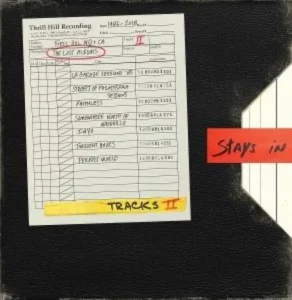
Einführung 2: Der Boss hat sieben verschollene Alben veröffentlicht, die zwischen 1983 und 2018 entstanden sind. Wo soll man anfangen? Lassen Sie sich zwei „Bruce-Gelehrten“ Licht ins Dunkel bringen … soeben hat er seine Schatztruhe: „Tracks II: The Lost Albums“ geöffnet, 83 bisher ungehörte Songs – es sei denn, man gehört zu den engen Freunden, denen Springsteen sie anscheinend seit Jahren vorgespielt hat. Um dieser riesigen Menge an neuem Material einen Sinn zu geben, hat der „Guardian“ die „Landstreicher“ Michael Hann und Laura Barton gebeten, die Risiken, das Bedauern und den Reichtum dieses bahnbrechenden Boxsets auseinanderzunehmen.
Michael Hann: Ich habe den Trailer für Springsteen: Deliver Me From Nowhere gesehen, der den symbolischen Moment zeigt, in dem der junge Bruce sein erstes neues Auto kauft, einen 305 V8. „Das ist sehr passend für einen gut aussehenden Rockstar“, sagt der Verkäufer und lehnt sich durch das Fenster. „Ich weiß, wer Sie sind.“ Springsteen schaut auf und sagt wehmütig. „Nun, das macht einen von uns.“ Ich glaube, das ist es, was Tracks II: The Lost Albums ausmacht: Springsteen, der in jenen Jahren, als die Welt eine sehr klare Vorstellung davon hatte, welchen Bruce Springsteen sie haben wollte, einen Sinn in sich selbst fand, vielen Dank. Ich habe das Gefühl, dass er jetzt ganz klar den Boss von einer anderen, nuancierteren Version von Bruce Springsteen abgegrenzt hat. Der Boss tourt mit der E Street Band; Bruce Springsteen schreibt seine Memoiren, tritt in einer Broadway-Einmann-Show auf und nimmt seiner Muse folgend unkonventionelle Platten auf. Jetzt ist er vielleicht in der Lage, das zu tun, was er in den späten 80ern und in den 90ern tun wollte, weil er sich sicher ist, zwischen diesen beiden Ideen hin- und herwechseln zu können – und er weiß, dass „der Boss“ eine Idee ist, die er geschaffen hat – und auch sicher, dass sein Publikum ihm genug vertraut, um nicht immer der Boss zu sein.
Laura Barton: Ich glaube, Sie haben damit Recht, vor allem mit der Frage, was die verlorenen Alben sind. Aber es ist interessant, dass er sogar in den frühen 80er Jahren, kurz bevor diese Aufnahmen entstanden, davon abrückte, der Boss zu sein – er veröffentlichte Nebraska und nicht Born in the USA. Ich bin mir nie ganz sicher, ob das aus Selbstvertrauen, Zwang oder einer Art Notwendigkeit heraus geschah. Was auch immer es war, ich denke, es hat eine Spannung zwischen den beiden Bruces erzeugt, die sich als fruchtbar erwiesen hat. Ich sollte vielleicht noch hinzufügen, dass diese Spannung vielleicht mit Songs wie Stolen Car und The River im Jahr 1980 begann, aber das ist ein Thema für ein anderes Gespräch, und wahrscheinlich spricht er es 1987 auf Tunnel of Love’s Two Faces selbst an …
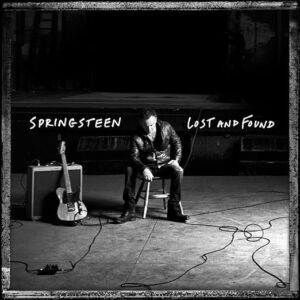
MH Wo kommst du deinem platonischen Ideal von Bruce in diesem Set am nächsten?
LB In den ersten beiden Tracks aus den Streets of Philadelphia Sessions, die um 1993 herum entstanden – Blind Spot und Maybe I Don’t Know You. Sie haben diese eindringliche Dunkelheit, die meine Lieblingssongs von Bruce kennzeichnet. Du?
MH Ich dachte, es wäre auf LA Garage Sessions ’83. Sie klangen wirklich nur wie Band-Demos. Was mich am meisten überraschte und begeisterte, war Twilight Hours, das Bacharach-ähnliche Album, auf dem viele andere Musiker zu hören waren. Das hat er zusammen mit Western Stars aus dem Jahr 2019 geschrieben, und obwohl ich nicht sauer auf Western Stars war, fand ich, dass die Songs von Twilight Hours etwas sehr Altersweises an sich haben und Bruce auch in eine amerikanische Bar-Tradition zurückführen, wenn auch eine andere Art von Bar als The Stone Pony.
LB Ich habe laut gelacht, als Twilight Hours eröffnet wurde, auf eine herzliche und überraschte Art. Ich liebe diese Tradition des amerikanischen Songwritings – und der Performance. Es ist Bacharach, aber das Material hat auch viel von der Sehnsucht eines Jimmy Webb oder Glen Campbell. Aber seine Stimme hier ist faszinierend für mich, weil ich glaube, dass viele Sänger an einen Punkt kommen, an dem sie sich fragen, welchen Weg sie einschlagen sollen, und eine Menge bekannter Künstler verfolgen die Klassiker und graben das amerikanische Songbuch aus und nehmen diese Art von Kamingesang an, und es ist interessant, dass Bruce diesen Weg eingeschlagen haben könnte.
MH Das ist interessant, denn ich höre diese Lieder nicht auf diese Weise. Darkness on the Edge of Town von 1978 ist mein Lieblings-Springsteen-Album, und das hier scheint – auf eine sehr eigenartige Weise – ein Pendant dazu zu sein. Es klingt wie die Platte, die die Eltern der Figuren in „Darkness“ gehört haben könnten, um ihre Sorgen anzusprechen.
(Fortsetzung folgt)
“Diese eindringliche Dunkelheit“ – eine Unterhaltung von Laura und Michael (Fortsetzung)
Intermezzo 1: Zuweilen wirkt das Wort „Noir“, wenn man von alten Filmen spricht, wie ein Artefakt. Aber „Noir“ ist nicht historisch, und bleibt in keiner Zeit hängen wie ein Relikt. Man kann „Noir“ nicht goutieren, nicht mit Nostalgie überziehen, und es so besänftigen. Man kann das natürlich tun, aber es ist absurd. Lege Bruce Springsteens „Nebraska“ auf, und halte es aus. Von Anfang bis Ende. Schwerer, schwarzer Stoff. Fuck the Erinnerungsseligkeit. Jeder Song ist nachtschwarz. Zum Beispiel „Atlantic City“. (m.e.)
Intermezzo 2: „MAZZY‘S FINE OVERVIEW“
Intermezzo 3: In den frühen 1980er Jahren sah Springsteen überall die gleiche Leere. In der Verehrung der Habgier und den schwindenden wirtschaftlichen Aussichten für die Arbeiterklasse. In der gezielten Ausfransung von Amerikas sozialem Sicherheitsnetz durch die Reagan-Regierung. In der Art und Weise, wie die Gesellschaft zu zerbröckeln schien und so viele Menschen isoliert und wütend zurückließ. Springsteen las bis spät in die Nacht hinein und fühlte sich zu den Kriminalromanen von James M. Cain und den Südstaatengeschichten von Flannery O’Connor hingezogen. „Gothic“ und „Noir“, Hand in Hand. Er identifizierte sich mit den Helden der klassischen Noir-Geschichten, mit Figuren, die von Kräften bedrängt wurden, die sie weder sehen noch verstehen konnten. Im Kino begeisterte er sich für Charles Laughtons Film Die Nacht des Jägers aus dem Jahr 1955 und vor allem für „Badlands“, die fiktionalisierte Nacherzählung von Charles Starkweathers Mordserie in den Jahren 1957 und 1958 in Nebraska und Wyoming. Bei letzterem griff Springsteen zur Gitarre, wo sich der Film von Terrence Malick und die realen Verbrechen von Starkweather mit den Erinnerungen des Musikers an seine Großeltern vermischten. Zunächst betitelte er den Song „Starkweather (Nebraska)“. „Ich habe versucht, die Stimmung einzufangen, die in diesem Haus herrschte, als ich ein Kind war“, sagte er mir. „Öde und heimgesucht. Dieser unglaubliche innere Aufruhr.“
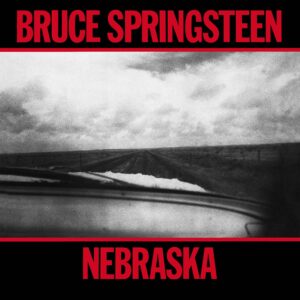
Ein zugegeben weiterer Sprung als man ahnt, vom Nebraska Noir zu den „Twilight Hours“. Aber genau mit dem Reden über diesen Songs spinnt sich die Unerhaltung von Laura und Michael weiter. Das Erstaunliche an „Tracks 2“ ist die Vielzahl an Stimmen und Stimmungen, die Springsteen verkörpern kann )den ich niemals im Radio oder sonstwo im Fansprech „The Boss“ nennen würde).Dass er unermüdlich die Stimme erhebt gegen „scumbag“ Trump, rechne ich ihm hoch an. (m.e.)
LB Das ist eine gute Art, es auszudrücken, aber ich sage nicht, dass es wie ein Kamingesang-Album klingt. Ich will damit sagen, dass der Croon seiner Stimme diesen Weg eröffnet, den ich für Bruce nie in Betracht gezogen habe.MH Du hast Recht mit dem Croon. Ich finde, dass seine Stimme auf Twilight Hours besser klingt als jetzt auf Rocksongs. Es ist schön, dass man die Anstrengung nicht hört. Aber ich möchte dich zu den Streets of Philadelphia Sessions zurückbringen. Ich liebe die Songs dort, aber ich hasse die Arrangements. Nun, nicht einmal die Arrangements. Die Drumloops, die zum Teil vom Hip-Hop der Westküste inspiriert sind. Das datiert alles so schlecht. Ich erwarte ständig, dass der Manager Jon Landau schreit: „Hört, wie der Schlagzeuger sich aufregt!“ Wir haben beide Teile des Bruce-Katalogs, die uns nicht besonders gefallen. Aber das hier?
LB Ich liebe diese Loops und werde sie bis in den Tod verteidigen.
MH Bist du okay, Schatz? Du hast dein Little Steven Bandana bedrucktes Toilettenpapier kaum angerührt.
LB Als ich hörte, dass sie enthalten sein würden, befürchtete ich, dass sie veraltet klingen würden, aber überraschenderweise glaube ich nicht, dass sie das tun. Die Art und Weise, wie sie eingesetzt werden, hat etwas sehr Starkes und Düsteres. Ich höre mir gerade Streets of Philadelphia’s Blind Spot an, und da ist ein Aufjaulen zu hören, das ganz anders ist als das Aufheulen von, sagen wir, I’m on Fire oder Atlantic City, aber es hat etwas Animalisches an sich, das mich ähnlich anspricht. Einige meiner liebsten Bruce-Momente in seiner gesamten Karriere sind diese wortkargen Äußerungen.
MH Mir gefällt die Tatsache, dass es sich im Wesentlichen um eine Reihe von Genreübungen handelt. Normalerweise denke ich, dass seine Genre-Pastiches das Schwächste in seinem Repertoire sind – top o‘ the mornin‘ für dich, irisch-amerikanischer Folk-Punk – aber diese Sammlungen auf diese Weise zu veröffentlichen, ermöglicht es mir, sie nicht als „das Album nach Tom Joad“ oder so zu hören, sondern als einzelne kleine Pakete.
LB Oh, das ist interessant, denn ich sehe sie jetzt nicht mehr so sehr als einzelne kleine Pakete, sondern als fortlaufende Gespräche mit seiner eigenen Musik.
MH Ich weiß, dass sie genau das für ihn sind. Denn er hat diese Gespräche mit diesen Liedern über Jahre hinweg geführt, während sie für mich brandneue Informationen sind. Es ist, als würde ich einen alten Freund sagen hören: „Habe ich dir jemals erzählt, dass ich an einem Wochenende in Ulaanbaatar geheiratet habe und geschieden wurde?“
LB Glauben Sie, dass sich das bei wiederholtem Zuhören ändern wird? Denn die Art und Weise, wie ich sie in den letzten Wochen gehört habe, war mit dem Rest seines Repertoires vermischt. Ich habe sie sozusagen in das Gefüge dessen, was ich schon kenne und liebe, zurückgenäht.
MH Ja, ich denke, das werden sie – wie viele der Songs aus der ersten Tracks-Sammlung oder aus den Darkness- und River-Boxen. Ich bin fasziniert von der Art und Weise, wie eine Generation älterer Musiker – Bruce, Neil Young, Bob Dylan, Joni Mitchell – ihre Tresore geleert hat. Ich kann mir nicht vorstellen, dass es dabei nur darum geht, diese netten geriatrischen Dollars zu kassieren. Ich frage mich, ob sie alle auf ihre Weise all den Fragen über, nun ja, alles zuvorkommen wollen. Es ist, als ob sie sagen würden: Hier ist alles, alles, was mir musikalisch durch den Kopf gegangen ist; entscheide du selbst.
LB Mein Verdacht ist, dass es etwas mit der Freiheit und Trittsicherheit zu tun hat, die man findet, je älter man wird. Dass es etwas damit zu tun hat, keine Angst zu haben, gesehen zu werden. So wie Bruce die Autobiografie und die Broadway-Show geschrieben hat und dadurch einige Elemente seines Lebens und seiner Karriere ans Licht kamen, die ein jüngerer Bruce vielleicht lieber verborgen gehalten hätte – so fühlt sich das für mich wie eine Erweiterung dessen an. Und vielleicht gibt es auch eine Verbindung zur Eröffnung des neuen Springsteen Archives/Center for American Music im nächsten Jahr: ein Geschenk an unser Verständnis eines Werks. Es ist die Anerkennung der Tatsache, dass es erhellend ist, seine Arbeit zu zeigen.
MH Es gibt etwas, das er in Interviews gesagt hat, das mich interessiert, nämlich dass sein Publikum für diese Alben „nicht bereit“ war. Das deutet auf eine gewisse Unsicherheit hin, die er inzwischen überwunden hat. Denn in Wahrheit werden sich nur die Besessenen in so viel Musik vertiefen, und das ist gut so, und das wäre auch damals schon so gewesen. Aber damals, ohne die E Street Band, hatte er vielleicht das Gefühl, zu viel zu riskieren. Wenn er also fast ein ganzes Jahrzehnt lang keine Rockmusik machen wollte, sollte er besser nicht zu viel Nicht-Rock herausbringen, damit die Rocker noch da waren, wenn er bereit war, zurückzukommen. Ich glaube nicht, dass er jetzt, wo er wieder vor 75.000 Menschen pro Abend in Europa spielt, so unsicher ist.
Intermezzo 4: „Mazzy ranking the lost albums“
(Es folgt noch der dritte und letzte Teil. Allerdings erst Anfang August. Die gesamte Unterhaltung findet sich dann in unserer Kolumne TALK wieder. Noch etwas verfeinert.)
Kurzausflug nach San Francisco und Los Angeles
Ich wollte eigentlich den Dokumentarfilm über John und Yoko sehen; erwarte mir da vielleicht nichts Besonderes, trotz recht positiver Besprechungen in Filmmagazinen und im Deutschlandfunk, zumal Kevin MacDonald eher kein household name ist, aber seine Filme, auch die dokumentarischen, waren bisher immer zumindest sehenswert, also bin ich doch ein wenig neugierig.
Dann stellte ich allerdings fest, dass der Film in unserer Gegend heute nur am Nachmittag und frühen Abend gelaufen war, und nach Neukölln radeln lohnte sich daüf nicht, entdeckte aber stattdessen Point Blank heute ausnahmsweise in dem Programm stehen. Da das Gewitter früher als erwartet hereingebrochen war, und die werte Gemahlin für amerikanische Thriller immer zu gewinnen ist (eher als für Dokumentarfilme über Musiker), konnten wir kurzerhand durch den Park radeln und fanden uns kurz darauf in der kalifornischen Sonne des Jahres 1967 wieder.
Und mir fiel auf, dass ich den Film offenbar noch nie gesehen hatte. Oder womöglich vergessen. John Boorman hat gleichwohl ein paar ganz hervorragende Filme in die Kinogeschichte eingeschrieben (etwa The General, den ich sehr liebe), aber gewinnt auch ein so uralter Schinken (oder Streifen?) trotz nach heutigen Maßstäben technischen Unzulänglichkeiten und überaus altmodischen Männer- und Frauenrollen noch sein Publikum. Der Saal war jedenfalls voll besucht.


Wie ich herausfand, zeigen die da gerade eine kleine Reihe mit Filmen des „New Hollywood“, Point Blank ein Musterbeispiel — mit zahlreichen Originaldrehorten in der Großstadt, Unorten, wackeligen Actionszenen, grobkörnigen Nachtaufnahmen, Antihelden, rauen Schnitten und Übergängen. Aber eben auch fantasievoller Bild- und Tongestaltung, innovativer Dramaturgie und Gesellschaftskommentar zwischen den Zeilen. Manche ein Scorsese, Michael Mann und vor allem Tarantino hat den Film offenkundig nicht nur einmal gesehen. Vor dem Film zeigten sie alte Werbeclips aus den späten Sechzigerjahren sowie die Trailer zu den demnächst noch gezeigten New-Hollywood-Filmen, darunter Bullitt, der ebenfalls in San Francisco spielt, mit etlichen Autojagden die Seven Hills rauf und runter, die auch ich erst im April rauf und runter gelaufen bin. Ach ja, und Alcatraz spielt eine zentrale Rolle in Point Blank.

4 von 5 Sternen
Monthly Revelations (June)
ALBUM – in the preparation of my penultimate edition of KLANGHORIZONTE on July 31, I came across a little masterpiece from the genre of „where-am-i-music“. „Different Rooms“ ist the third International Anthem Release from the duo Jeremiah Chiu & Marta Sofia Honer following their beatiful collaboration with Monsieur Kalma. The photo here is from that awesome solo album by Amina Claudine Myers, titled (for good reasons) „Solace of the Mind“ that was another hot contender for the „album of June“! (On the fine „Zen Sounds“-blog, Stephan Kunze just reviewed three albums from jazz and beyond, and one of them is the terrific „Different Rooms“. The other two are Mary Halverson‘s „About Ghosts“ and, well, „Solace of the Mind“!)

FILM – A few days ago, Richard Williams wrote a review about a movie that every flowworker will, I think, love, or, at least, like very much. The good thing is: it will soon arrive in German cinemas. So i know what some of you will be doing on a nice midsummer evening. Don‘t hesistate to spread word and set the exepectations high in regards to „The Ballad Of Wallis Island“. A film about a „corporate“, a well-paid private gig for rich people. Dear all, please rememeber, on a legendary meeting of Manafonistas years and years back on the island of Sylt, I planned such a „corporate“ with „The Sheriffs of Nothingness“ on Rantum Beach, the deal was nearly realized when the project stopped because two or three Manas simply didn‘t like that great duo as much as I did. In fact It was the only summer of my life I could call myself rich for a while. Maybe I should have asked Roedelius…
PROSE – You‘ll find there my great and deep reading pleasuree of the last two years in the wide field of great crime novels. Literally literary crime novels, beautifully written, with a sense for excellent plotting, suspense, and three dimensional figures. Among these books is one of the deepest Swedish crime novels since the days of Stig Larsson, „Wenn die Nacht endet“ by Christoffer Carlsson!
TALK – Remember the conversation with Jan Bang and Erik Honoré on their collaboration with David Sylvian, especially the one that led to his later days masterpiece „Manafon Variations“. You can atill read it on the blog diary, and for two months, it was placed in our TALK column. And, here we go, for a second month, with Beatie Wolfe‘s „solo talk“ from Brian Eno‘s studio in Notting Hill. She recorded it top-notch, and it is even a joy to listen to her, if you haven‘t been falling in love with „Luminal“ as I did from first listen onwards.
- BY THE WAY, LAJLA, DID LUMINAL ARRIVE IN EL HIERRO FINALLY?)
- Estoy muy contendo. Gracias!
RADIO – My evening hour of KLANGHORIZONTE will be aired on July 31, 9.05 p.m., and, no surprise, I am still looking for the perfect sequencing of the most beautiful albums. Thus, it can look different every day. And the best sequence means: not every fine album fits that hour – Amina‘s „Solace of the Mind“ still hasn‘t found its place, nor has Fred Hersch‘s forthcoming trio album on ECM with Joey Baron and Drew Grass.
BINGE – Just a quiet praise for two new NETFLIX series, „Sirenen“, and „The Survivors“. To quote Lucy Mangan from the Guardian: „Without ever losing its wit or bounce, Sirens becomes a study in family, class and all sorts of other power struggles, the endless possibilities for good and ill that wealth brings, and the legacies of childhood trauma.“
ARCHIVE – Die drei Neil Young-Alben, die den Soundtrack meiner Jahre und Jahre am intensivsten und dauerhaftesten mitgeschrieben haben, heissen „After The Goldrush“, „Tonight‘s The Night“, und „Zuma“. ZUMA wird im November ein halbes Jahrhundert alt.
Agharta (zum 50.)
When I was younger, so much younger than today, I read a review in Jazzpodium in the year 1975, on Miles Davis‘s last work (along with Pangaea), from the era of his so-called „electric phase“ (1969-75). i even believe to remember that Ralph Quinke wrote that little „hymn“ on the double album „Agharta“ (normally Ralph was better known for taking photographs).
Let‘s put it this way. 1975 was the year of „Another Green World“, and it was the year of „Agharta“. And some other masterpieces. I now translated Jack Milner‘s review from the August edition of UNCUT. Well, DeepL did it.
I am still sinking deeper and deeper into my velvet sofa when listening to AGHARTA – and I cannot deny the fact, that levitation is close! You know like those yogi buddies pretended when surrendering to TM meditation with fucking high prices for personal mantras. Keep in mind: levitation only works with great music! (m.e.)
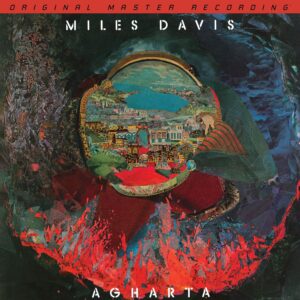
1975 in der Osaka Festival Hall in Japan aufgenommen, ist Agharta nicht nur ein Konzertmitschnitt, sondern ein Dokument, das den Höhepunkt von Miles Davis‘ Karriere und das Ende einer Periode unvergleichlicher Erkundung markiert, in der die Grenzen des Jazz eingerissen und zu etwas völlig Neuem zusammengefügt wurden. Es ist in einem Zustand des Wandels, der sich in Ton und Textur verändert, aber immer in seinem ursprünglichen Puls verankert ist.Von In A Silent Way (1969) bis zur Auflösung der Gruppe im Jahr 1975 tanzte Davis mit dem Chaos und drängte den Jazz in dunkle, unerforschte Gebiete. Während er Grenzen sprengte, zerbrach er auch sich selbst. Der Druck der ständigen Weiterentwicklung, gepaart mit seinen Suchtproblemen und persönlichen Dämonen, zerstörte ihn fast. Als er sich 1975 zur Ruhe setzte, war er auf dem Höhepunkt seines unvergleichlichen Schaffens am Boden zerstört.
Die Gruppe, die er hier zusammenstellte, ist ein Feuersturm des Egos: der Saxophonist Sonny Fortune, die Gitarristen Pete Cosey und Reggie Lucas, der Bassist Michael Henderson, der Schlagzeuger Al Foster und der Percussionist James Mtume. Gemeinsam schaffen sie einen dichten Teppich aus unerbittlichen Riffs und komplizierten Polyrhythmen, wobei sie traditionelle Jazzstrukturen zugunsten von Groove, Schwung und Kraft aufgeben. Das 30-minütige „Prelude“ ist der Anker des Albums und beschreibt eine Musik, die sich mit einem Bienenstock-Geist bewegt. Diese Abkehr von Melodie und Harmonie eröffnet der Band einen Raum, in dem sie erforschen, reagieren und einen lebendigen, sich ständig weiterentwickelnden Sound entwickeln kann. Die Musik rast mit unglaublicher Intensität dahin, schafft es aber irgendwie, die Zeit um sich herum zu verzerren. Sie saugt den Hörer in sich hinein wie ein schwarzes Loch, dicht und fast unfassbar schwer.
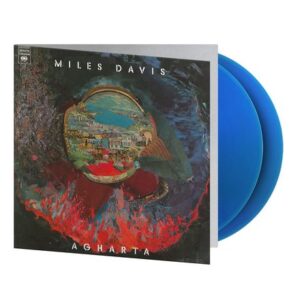
Musiker, die mit Davis gearbeitet haben, sagten, dass er nichts sagen oder tun musste, um die Musik zu lenken, so spürbar war sein Charisma. Bei diesem Auftritt war Miles ein Agent des Chaos, der die Band mit kaum mehr als einer Kopfbewegung oder einer Handbewegung dirigierte. Fünfzig Pausen, manchmal ein Zucken, manchmal ein völliges Ausbleiben, unterbrechen die Musik wie Blitzschläge und lassen die Rhythmusgruppe zwischen Momenten unheimlicher Stille und Ausbrüchen brutaler Intensität hin und her springen.
Es ist wohl die rohe Energie von Coseys Gitarre und der pulsierenden Rhythmusgruppe, die Agharta wirklich antreibt. In „Prelude“ explodiert der Gitarrist mit einer rasenden Wildheit. Nach der Auflösung der Band einige Wochen später verschwand Cosey weitgehend aus dem Blickfeld der Öffentlichkeit und würde sicherlich nie die Höhen erreichen, die er hier erreicht. Er spielte, so scheint es, mit einer kreativen Intensität, die unmöglich aufrechtzuerhalten war.
Agharta ist der Höhepunkt einer Reise, die fast 25 Jahre zuvor mit der Aufnahme von Birth Of The Cool begann. Obwohl es schwierig ist, sich zwei äußerlich polarisiertere Aufnahmen vorzustellen, sind beide wunderbar klare Manifestationen des Bewusstseins ihres Schöpfers und bilden den Abschluss der vielleicht größten kreativen Reise in der Kunst des 20. jahrhunderts.
(written by Jack Milner, Uncut, August 2025)
Suddenly I feel
Wenn man am Ende der Welt lebt und noch den Luxus eines Postboten hat und wenn der dann zweimal klingelt und ein Päckchen abliefert, dann ist man zuhause. Heute kam LUMINAL an, Absender – guess.
Das Cover hat den warmen Gelbton, das Hierro luz. Die ganze CD ist wie auf El Hierro produziert. Die Texte, die Klänge und die Enden der Stücke, die wie die Fussabdrücke in der neuen Welle verschwinden.
My lovely days (HIER!) wurde ja auch hier auf flowy schon viel gelobt. Aber wenn man es hier anhört und auf die Tiefe der Welt sieht und der Musik folgt, die einen in die glücklichsten Tage seines Lebens versetzen kann, dann ist man einfach nur glücklich. Der Song wird für die gestern neubegonnene zweite Jahreshälfte mein warming in/inside Hit sein. Und es wird immer so sein: suddenly I feel….so fine.
Unsung Producer: Erik Jacobsen
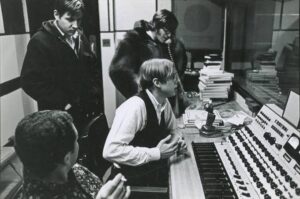
American producer Erik Jacobsen crafted some of the most beautiful and strange music of the mid 60´s San Francisco. A forming member of Lovin´ Spoonful, Jacobsen moved from New York to San Francisco and further developed his cutting- edge production techniques. Summer in the City and Daydream being fine examples of his skills that defined an era and predicted a possible future.Erik Jacobsen was born in Oak Park, near Chicago. A descendant of Norwegian settlers who migrated from Larvik, a small town on the east coast of Norway – home of electronic music pioneer and composer Arne Nordheim and a string of fine jazz musicians including pianist Bugge Wesseltoft and drummer Audun Kleive.
Originally a bluegrass musician, he didn´t see a future with the form. After hearing the Beatles in a jukebox joint, he changed direction and moved to Greenwich Village in New York with the goal of becoming a record producer. The melodic bass playing introduced by Paul McCartney and Motown bass player, James Jamerson inspired him in search of new ways of expression. His producing style included tape looping and cut n´paste techniques.
Taking their name from a British fighter aircraft, Sopwith Camel released two albums between 1967 and 1973. The incredible “Fazon” from the Sopwith Camel´s last album “The Miraculous Hump Returns from the Moon» is a fine example of his abilities to sculpt in sound. The saxophone double tracking is just a wonderful idea that would anticipate a future vision of the Eventide harmonizer still a decade apart.
By 1967, Erik Jacobsen had moved to San Francisco and produced Tim Hardin and fellow Spoonful member John Sebastian. Another great example of his production skills is the Norman Greenbaum 1969 album “Spirit in the Sky” that could possibly have been the-one-album that triggered the Motown a/r staff enough to pay him a visit inviting Jacobsen to start working for the label. This was around the same time that Norman Withfield developed his psychedelic soul sound.
Jacobsen also produced The Charlatans that included Dan Hicks, composer of the gorgeous “I Scare Myself” later appearing on Thomas Dolby´s 1984 album The Flat Earth. Regular Flowworker readers may also recognize Compass Point guitarist, Barry Reynolds hidden classic album I Scare Myself. These types of songs that appear and reappear every now and then in different versions, finding new audiences.
Jan Bang
Eine mögliche Liste von 12 meiner Lieblingsfilme (Reihenfolge ohne Bedeutung)
Adaptation
Jackie Brown
Shining
Two-Lane-Blacktop
Zabriskie Point
Song to Song
Inland Empire
Searching for Sugarman
Babel
Stay
Sans Soleil
RatcatcherAb 1. September
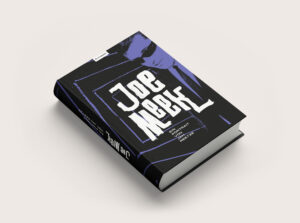
Mal gefeiert als Genie, mal belächelt als Exzentriker: Joe Meek sprengte musikalische Grenzen und schuf in den frühen 1960ern einen Sound, der bis heute nachhallt.
Mit seinem Superhit „Telstar“ brachte er als erster Brite einen Song an die Spitze der US-Charts. Seine Experimentierfreudigkeit und sein Glaube an das Übernatürliche führten zu innovativen Klängen, die ihm Kultstatus einbrachten. Doch hinter dem Erfolg verbarg sich eine tragische Figur: Meek kämpfte mit psychischen Problemen, einer Tablettensucht und dem polizeilichen Schwulenregister. Seine Besessenheit und sein exzessiver Arbeitsstil endeten 1967 in einem tödlichen Drama.
Dies ist die erste Joe-Meek-Biografie in deutscher Sprache. Sie beleuchtet das Leben des Musikproduzenten, dessen Einfluss auf die Popkultur bis heute spürbar ist. Ein Leben zwischen Genialität und Tragik.Ab 1. September überall, wo es Bücher gibt.
Oder schon jetzt hier vorbestellen.