Das Narrenschiff

Eine schmale Straße führt über einen Walnussbaumhain hinunter zur halbverlassenen Fischersiedlung. Ein harter Steinschlag hatte in der letzten Woche die meisten Dächer der alten Fischerhäuschen zerstört. Der steile Weg hinunter zu der alten Siedlung ist gesperrt. Von oben kann man den Schaden sehen, ich kann also fotografieren. Ein paar Meter vor dem Abgrund steht ein einsames Hostel mit einem kleinen Café. Ich gehe hinein und komme mit dem jungen Betreiber ins Gespräch. Er ist Franzose, Er nimmt ein Buch von den Sprossen der Leiter und erzählt mir, dass er den Text von dem „NARRENSCHIFF“ aus dem Neuhochdeutschen ins Französische übersetzt hätte.
„Quelle coïncidence! Je lis actuellement „DAS NARRENSCHIFF“ von Christoph Hein.“ Ich frage ihn, was es für eine Bewandtnis mit dem Buch auf sich habe, warum er sich die grosse Mühe gemacht hätte, dieses alte Buch von Sebastian Brant aus dem 16. Jhdt.. zu übertragen. “ Je suis un ancêtre de Sébastien Brant, mon nom est Thomas Brant.Ich kaufe das Buch, auch wegen der schönen Holzschnitte, die Sebastian Brant angeblich zusammen mit dem jungen Albrecht Dürer angefertigt hatte. In der Urfassung des Narrenschiffs geht es um Charaktere, die alle Narren sind und die Aufrufe zu Moralverhalten quasi als Spiegel vorgehalten bekommen. Ihr Vorhaben, ins Land Narragonien zu segeln, ist wegen ihrer Beschränktheit zum Scheitern verurteilt.
Vater sag, wo ist der Projektor, ich spul den Film zurück

DAS NARRENSCHIFF von Christoph Hein, erzählt vom Scheitern der DDR. Ihr Land „Narragonien“ war der Traum vom Sozialismus. Hein ist mit diesem Buch ein grosser Wurf gelungen. Ich habe einige Bücher über das Land hinter dem antifaschistischen Schutzwall gelesen, ich habe drei Jahre nach der Wende geholfen, unser Institut in Dresden aufzubauen und nie, wirklich nie habe ich diese Informationen erhalten, die ich jetzt in dieser Lektüre gefunden habe. In dem Buch stehen drei Männer: ein Ökonom, ein Ingenieur, ein Wissenschaftler stellvertretend für die Elite der DDR. Natürlich sind sie, ei ei ei, in der Partei. Und natürlich hat die Partei immer recht. Der Ökonom sitzt sogar im Zentralkommité, er hat mit seiner hohen Intelligenz den Überblick über den maroden Wirtschaftszustand, deutet auch seine Überlegungen an, wird aber nur belächelt. Der Ökonom ist auch Professor, er ist klug genug, fortan zu schweigen, um seine Professur nicht zu gefährden. Ähnlich verhalten sich der Ingenieur und der Geisteswissenschaftler, sie schweigen, um nicht den Strafen der Funktionäre ausgesetzt zu sein.
Die Frage, die mich nach der Lektüre umtrieb, war, warum hat diese Elite, die den Absturz der DDR vorausgesehen hat, also die sich Gedanken über die Zukunft des Landes gemacht hatte, warum hat sie nicht mit der Treuhand zusammengearbeitet. An dem Überstülpen der sozialen Marktwirtschaft hätten sie sich doch mit den genauen Kenntnissen ihres Landes beteiligen können.Warum hat sie den Ausverkauf der DDR zugelassen? Ich finde selbst nur eine Antwort, die mich nicht zufrieden stellt. Sie waren augenscheinlich so resigniert, dass sie weiter geschwiegen haben. Die Narren Funktionäre, die zum Teil nicht einmal Schulabschluss hatten, brachten mit ihrem Traum vom Sozialismus – Mietwohnungen und gutes Essen für alle – diese Elite zum Verstummen.
Wir segeln derzeit wieder auf einem NARRENSCHIFF. Der oberste Offizier ist ein Clown mit orangenem Gesicht. Halten wir uns den Spiegel vor und verteidigen wir unsere Werte.
Mein Album des Jahres 2026
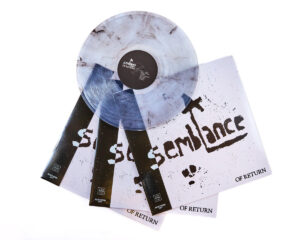
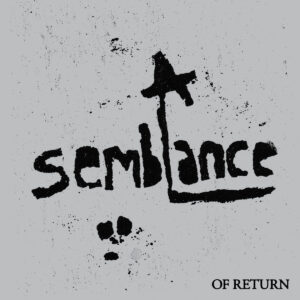
Derzeit und bis heute und kein Witz: sogar ein „Kaufbefehl“ mindestens für Thomas und Olaf (gibt es auch auf „clear smoke vinyl“) und Martina und Lajla und Brian, und auch, wer nur das Eingangsstück hört, das in den Klanghorizonten laufen soll, würde nur ein Mosaiksteinchen des Reichtums dieses Albums mitbekommen, das manchmal die Partyavantgarde von Miles‘ „On The Corner“ streift, die „vocal poetry magic“ von Marion Browns „Geechee Recollections“ und ferne Schatten der „Blue Notes“ mit Mongezi Feza. Einfach mal kurz reinhören geht bei dieser Lp / Cd einfach nicht, dazu ist dieses Opus schlicht zu „sublim“. „A Semblance Of Return“ hat mich gestern Abend bei lautem Hören (zwischen Underworld und Agharta) umgehauen, es hat eine Tiefe, die sich wieder und wieder in den „elan vital“, den „elan de danser“ schmuggelt. So weit, so genial. In anderen, munter kompilierten Worten:
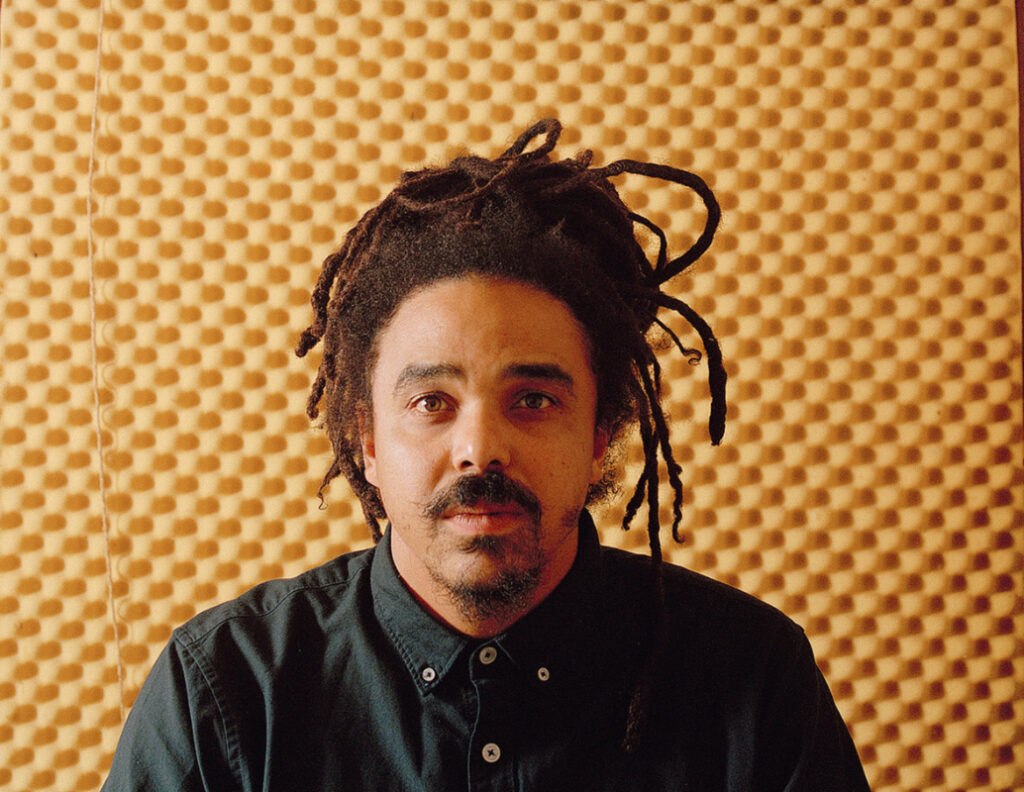
„Das Album des südafrikanischen Drummers ist ein Ort der Begegnung: ein Wohnzimmer, ein Proberaum, ein schattiger Club, eine Lerngruppe, ein Zuhause. Die Band auf dem Album – Ru Slayen (Percussion), Nobuhle Ashanti (Keyboard & Synthesizer), Zwide Ndwandwe (Bass) und Keegan Steenkamp (Trompete), mit Gamedze am Schlagzeug – hat sich als soziale Einheit gebildet: eine Gruppe, für die Musik Teil eines umfassenderen gemeinsamen Lebens ist, voller Spielen, Nachdenken, Lachen und Kämpfen.“ Thank you, Asher, for this deep journey. What a trip, and, by the way, a little piece of therapy for my soul these days!
„A Semblance Of Return“ ist auf Northern Spy Records erschienen, das uns u.a. schon mit dem einen und andere Meisterstück der Necks beglückte. Eine lange Geschichte über ihn gibt es in der Juniausgabe des Wire.
„Remember struggle songs? For those who don’t, they were a way of letting out all the pain and fury and turmoil of oppression – but doing it in a way that brought you into active communion with like-minded others, and so, without ever minimising the hurt, brought determination, joy and hope too. Many kinds of collective music – free jazz, radical funk, conscious soul, righteous rap, get-up-stand-up reggae – point in that same direction. That’s why they live so much longer than the latest solipsistic (and probably AI-generated) pop ephemera.“ (Gwen Ansell)
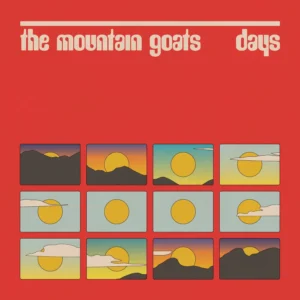
„inside one song of the forthcoming late summer mountain goats album“
„It’s time to talk about lead single „Charlie Sheen Reaches Out To The Feds,“ a driving and wordy track with some big, bouncy horns. Darnielle sings the song in a version of the barking, tremulous voice that I most associate with the Mountain Goats. It’s my favorite mode for him. As always, this one has a backstory. In 1991, the year that he starred in the first Hot Shots!, Charlie Sheen watched a Japanese horror movie called Guinea Pig 2: Flower Of Flesh And Blood. He was so disturbed by one of its gore scenes that he reportedly contacted the FBI, believing that he’d seen film of a woman being murdered in real life. The FBI launched an investigation into the film and its distributors but dropped it when they saw a making-of video about the film’s production. Later on, some other things happened with Sheen’s career.“ (Tom Breihan, Stereogum. Like the forthcoming album of Lambchop, „Days“, too, will be released in August.)
Alle verdienen Geld, alle sind ganz oben. Wer unter meinen Brüdern ist schöner als ich? Wer gibt auf dem roten Teppich alles? Wer weiß schon im Voraus, zu welcher Kamera er sich wenden muss, wenn es Zeit ist, seinen Text zu sagen? Ich schaue Filme, mein Herz pocht wie eine Trommel. Ich rufe in der Dunkelheit nach jemandem, der kommt. Siehst du, was ich sehe? Das kann unmöglich alles nur gespielt sein! Ein guter Mensch kann nur so viel ertragen, Aber man kann das Böse nicht ganz allein bekämpfen. Bitte, James: Ruf den Regisseur an. Ich werde mich dieser Herausforderung stellen. Ich werde mich dieser Herausforderung stellen. Ich werde mich dieser Herausforderung stellen.
“Charlie Sheen Reaches Out To The Feds“
Ich führe die Agenten zurück in den Vorführraum Und im Dunkeln sehen wir, wie die Blutblumen blühen. Und dann scheint der Abspann ewig zu laufen. Ich kenne Leute, die herausfinden können, wer das hier zusammengestellt hat. Nach einer Weile sagte einer von ihnen: „Hör mal, Charlie, du kommst aus Hollywood, und die Filme sind nicht mehr das, was sie einmal waren, das stimmt, aber ich bin mir nicht sicher, was du glaubst, was das FBI tun kann“. Meine Herren! Die Kamera lügt nicht! Wie viele unschuldige Frauen müssen noch sterben? Ich werde mich dieser Herausforderung stellen. Ich werde mich dieser Herausforderung stellen.

„John Darnielle said in a press release that the album started life as Grunges, a sequel to their 2017 LP Goths, after he made “a joke on social media about writing a song called ‘Contemplating Pearl Jam in the Carolina Dawn.’” He went on, “A few months later my wife left town for a two week residency in Virginia. My wife leaving town to play hockey in Banff is how All Hail West Texashappened. These songs are loosely about the 70s, 80s, and 90s, which is to say they’re about the accumulation of days, each one a little further back than the next, sometimes miraculously seeming clearer as they recede and sometimes blurring into unrecognizable shapes which are sometimes pleasant and sometimes troubling. Most songs here are in major keys but don’t let that fool you. If you do let that fool you I have a bridge to sell you; there is nothing on the other side of the bridge. Still, you shouldn’t let that deter you. Who am I to tell you what kind of bridge you need, or where the bridge you need should lead? Nobody, really. Nobody at all.”“
Alternativer oder erweiterter Kanon
Im März besuchte ich wie meistens das Brooklyn Museum, da dort gerade Fotografien von Seydou Keïta zu sehen waren (bzw. noch für ein paar Tage zu sehen sind: A Tactile Lens), sowie eine Filminstallation von Christian Marclay (Doors). Da es das Wochenende des „Internationalen Frauentags“ war, fanden im Haus gerade zahllose Veranstaltungen, Lesungen, Gespräche, Konzerte und dergleichen mit und über Frauen in der Kunstwelt statt, und im Museumsbuchladen lagen zahlreiche entsprechende Bücher aus. Da ich gerade auf der Suche nach einem passenden Geschenk für einen guten Freund, der zufälligerweise am 8. März Geburtstag hat, allerdings eh schon zu viele Bücher hat und ein bisschen die Lust am Musikalbenkauf zu verlieren scheint, schien mir das in die Hände fallende Buch „Classic Albums by Women“ eine spannende Wahl.
Nun handelt es sich dabei weder um eine Zusammenstellung von „klassischer“ Musik noch um eine Verdichtung kanonischer Bestenlisten auf rein weibliche Interpretinnen, sondern eher um eine Art Kaleidoskop durch individuelle Empfehlungen und Lieblingsalben verschiedener, oftmals bekannter Musiker/innen und im weiteren Musikgeschäft tätigen Menschen, Das ganze basiert auf den von Colleen “Cosmo” gestarteten „Classic Album Sundays“, einem Podcast und einer Webseite mit u.a. Interviews eben mit Künstler/innen und anderen Leuten, die im „business“ einiges kennen.
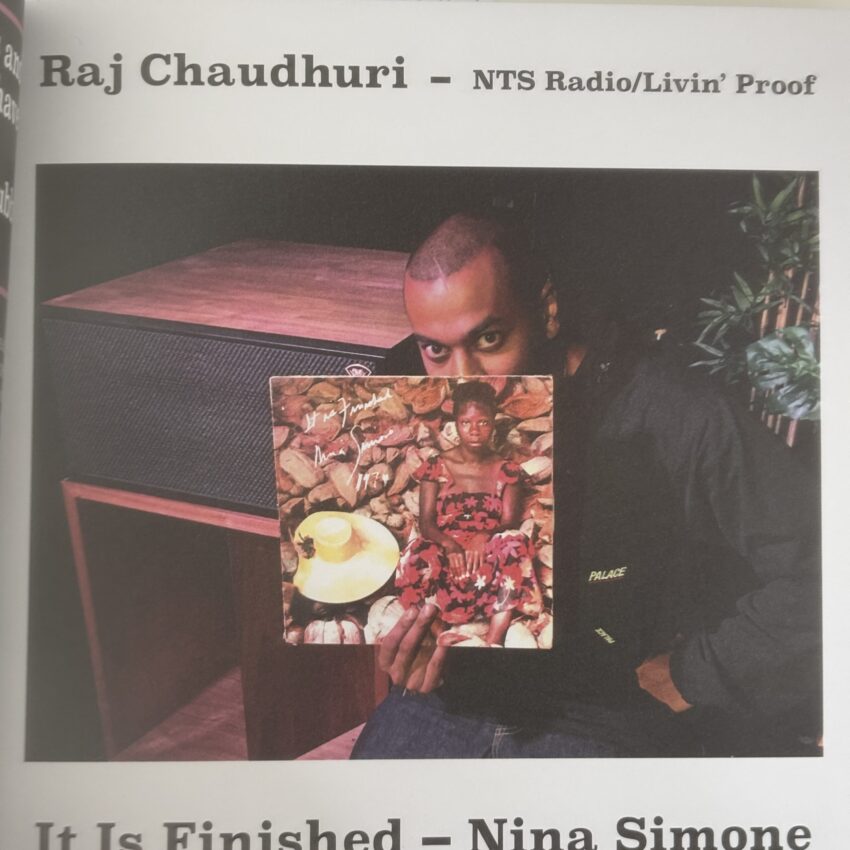
Zahlreiche dieser Bekannten haben für dieses Buch also jeweils ein Album empfohlen und sich mit der jeweiligen CD oder LP oder auch ihrer iTunes-Bibliothek fotografieren lassen, so dass es keine kuratorische Liste gibt, was zur Folge hat, dass einige Musikerinnen häufiger vertreten sind als andere – Grace Jones beispielsweise besonders oft; „Horses“ von Patti Smith gehört zu den paar Alben, die mehrmals gewählt wurden. Honey Dijon sagt etwa über Grace Jones‘ Island Life: “Grace Jones is the reason I felt free enough to become an artist”. Die sehr unterschiedlichen Weisen, auf die die knapp 200 Empfehlungen ausgesprochen werden, ist allein schon einen Blick in das Buch Wert. Auch sind die Favoriten oftmals gar nicht so naheliegend. Peter Hook (Joy Disivion / New Order) hat sich z.B. für Nicos Chelsea Girl entschieden.
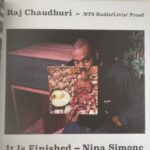
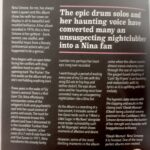
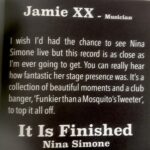
Ich habe meinem Freund dann drei CDs aus dem Buch herausgesucht und mitgeschickt, die er sich freiwillig mit ziemlicher Sicherheit nicht kaufen würde, die ich aber zu Recht in dieser Auswahl entdeckt habe, drei ausgesprochen unterschiedliche 5-Sterne-Alben ganz verschiedener Jahrzehnte und Hintergründe: Journey in Satchidananda (1971) von Alice Coltrane, I do not want what I haven’t got (1990) von Sinéad O’Connor und Lemonade (2016) von Beyoncé. Ich bin gespannt, was er dazu sagen wird.
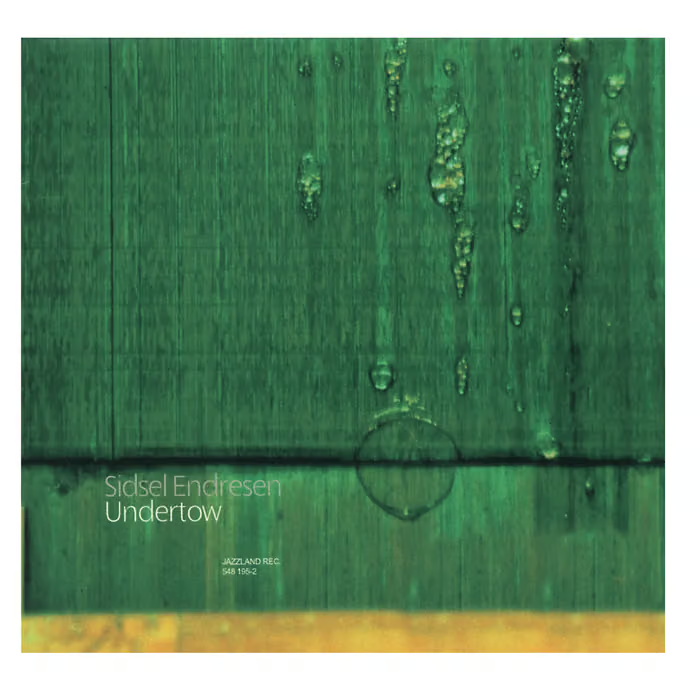
Hätte man mich gefragt, ein einziges Lieblingsalbum in diesem Buch zu empfehlen, so hätte ich mich wohl für Undertow (2000) von Sidsel Endresen entschieden, weil es mir damals viele Türen öffnete, viele Verbindungen zwischen interessanten Musikern herstellte und bis heute, gut 25 Jahre später, noch immer mit jedem Hören wie neu und auf spannende Weise ungehört erscheint, wie das wenige Alben schaffen. Sidsel Endresen hat eine unvergleichliche Präsenz als Songwriterin und in ihrer Stimme, und mit Undertow befindet sie sich souverän in ihrem ganz eigenen Genre.
Für welches Album würdet ihr euch entscheiden, solltet ihr für ein solches Projekt angefrgat werden – und mit welcher Begründung?
Dirty Epic
„On “Dirty Epic”, Underworld demonstrate their mastery of subtle builds and strange fusions, cutting plinky-plonky house piano across needlelike bursts of electric guitar, with Hyde’s central lyric (“I get my kicks on channel 6”) suggesting someone lost in a world as lonely as it is unsavory.“
Wenigstens das. Ich sagte meinem Arzt, ich sei beireit für ein Ganachakra, Steve Tibbetts habe mich da schon auf die Spur gebracht. Buddhismus für westliche Agnostiker, ich musste fast lachen. Nicht ganz so geplant, aber okay, der Doc nahm unsere Pflegetochter unwissentlich mit in dem stillen warmen Raum, und zeigt ihr, wie man bei der Akupunktur die Nadeln rausnimmt, zuweilen mit Tupfern, um kleine Nachblutungen zu desinfizieren. Früher nannte man meine Zustand nach viereinhalb Wochen totalem Stress, totaler Angst, totaler Sorge, kurzzeittug aufflackernden Hoffnungsschüben, und viel zu wenig Zuversicht, eine klassische psycho-vegetative Erschöpfung, und heute wohl auch noch so. Selbst K. hat mir den Kopf gewaschen, gut so. „Cry me a river“, das wäre zuviel der Poesie, aber ein schneeweisses Hemd mit kurzen Ärmeln konnte ich schon vollheulen, so dass es danach wie aus einem Salzfass roch. Entladung. Heute ist so ein Tag, da kann ich erstmals wieder die Musik heftig wirbeln lasse und „on high volume“ Underworlds grossartiges Album „dubnobassywithyourheadon“ hören! Ist das gut!!! Nach einer sechstägigen Kur mit einer medizinisch verordneten Droge war ich zwischendurch komplett ermattet, konnte wie alte Pferde im Stehen schlafen, und sammle nun wieder sowas wie Energie. So gut es geht. Little honeybear buddha, i love you!
„Klanghorizonte“ auf einen Blick
Amongst anybody else – to the friendly knowledge of Bill Wells, Aby Vulliamy and Norman Blake – Thank you for the music and the dreams!
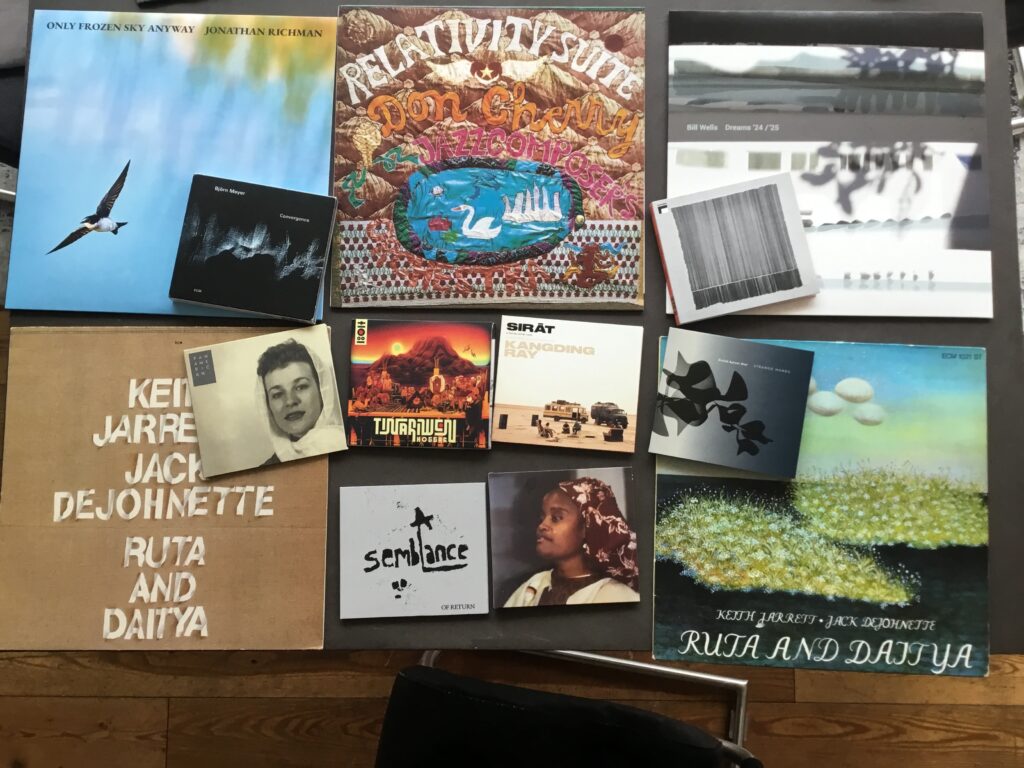
… starring an ancient Don Cherry album from 1973 and another 1973 classic from Keith Jarrett and Jack DeJohnette, feat. a fresh interview with electric bass guitar maestro Björn Meyer
“Ruta and Daitya“ was one of my first ECM records, and for many it may seem a curiosity, being the only one in Jarrett‘s long story with the German label, where he is touching electric keyboards. It was recorded at the end of his time with Miles as a „keyboard wizard“, it has the looseness of an „after hours“-session with African moods and a quite exotic flair, a million miles away from American songbooks. Jack De Johnette‘s melodic feel on drums and percussion makes up for a perfect couple of like-minded spirits. For reasons I cannot explain really, I will love this album forever. It is uncomparable with any other album they did together. There are records you have had a story with, you offer them a good place in the back of your mind without ever revisiting them. This is one of those I return to since my teenager days. Though it got a new cover design at some point in time, I was always happy with the surreal naivety of the original cover. Let‘s speak about music sending you places … (Michael Engelbrecht)
Golden
Ich erinnere alles und suche die Anfänge.
Es sind lose Fäden, das Leben ein Strauss
Mit sprachlos fallendem Blattwerk – ein
Schachmatt sowieso, Herr Sartre – und bitte
Noch einem Lehrjahr des Herzens.
Alter, du darfst stehlen, lügen, dichten
Im Handumdrehen. Alles in dieser Nacht
Mit dem kleinen plunder-, wundervollen
Goldenen Buddha, das Lächeln, das
Widerstehende Licht, aschene Glut ansonst,
Natürlich dezent, für die Reste der Erbaulichkeit.
afterglow
“Wonderful Life“
“Mad World“
„Mellow My Mind“
“The Windmills Of Your Mind“
„Here It Is“(„Donnie Darko war immer einer meiner Lieblingsfilme. „Why do you wear that stupid bunny suit?“ „Why do you wear that stupid man suit?“)
Depth & Focus
„The music on this record is a reflection of journeys and travel. The real world kind and the metaphorical ones as well. Having experienced the arrival of my children, the decline and departure of my parents, and the many years of venturing out and returning home in my own life, travel feels like the perfect tropology to consider the mysteries we inhabit. Travel and Its impressions, rituals, superstitions-the possibilities and risk-all open up onto the landscape of our biggest questions, fear and wonder.“ (Mark Nelson aka Pan American, first notes on a (in my ears) terrific „ambient-in between-and post-everything album)
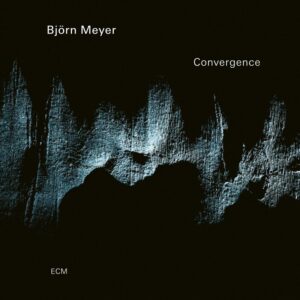
Das Cover der Juni-Ausgabe von „The Wire“, erwartungsgemäss ist Seefeel darauf. Aber schafft es Seefeel in die Klanghorizonte Ende Mai – ich kenne bislang nur zwei Stücke davon. Qualität ist eben nur ein Kriterium, das perfekte „sequencing“ ein anderes. Seinen Platz sicher hat dagegen ein medial viel weniger beachtetes Album, „Convergence“ von Björn Meyer. Ein Soloalbum mit der elektrischen Bassgitarre, wundersam und wunderbar! Gestern trafen Björns Antworten auf meine Fragen ein. Heute ist er live in Stavanger zu hören.
New skin for an old ceremony:
Bill Wells: Dreams 24 / 25 (2 dreams)
Don Cherry (1973)
Asher Gamedze
Jonathan Richman: Only Frozen Sky Anyway
Pan American: Fly The Ocean In A Silver PlaneKeith Jarrett & Jack DeJohnette (1973)
Oton (1) Björn
Björn Meyer: Convergence
Oton (2) Björn
Khelan Phil Cohran (2010)
O.S.T.: Sirāt
Tinariwen: Hoggar
Eivind Aarset: Strange Hands
Etienne Nillesen: Twee
(plus „sound- and stoytelling)Björn Meyer über das Cover von „Convergence“
Preparation for an imaginary place
„I Am The Sky“
I am the sky mother
I am the sky
I am the sky mother
I am the sky
I am the vast blue ocean of sky
I am a little drop of the sky
Frozen sky
Frozen sky(Jonathan Richman)

P.S. Nebenbei, das neue Werk von Lambchop erscheint im August und ist schon gesetzt für meine zweite Ausgabe der Klanghorizonte in diesem Jahr, Ende September! Und drei Tage nach der herbstlichen Radiostunde im Deutschlandfunk spielt Eivind Aarset in Aachen im Musikbunker, Sonntag am 28. September um 18 Uhr – ich hoffe, einige Flowworker und Stammleser finden den Weg hierhin! Jede Wette, es wird rappelvoll!
Nutztiere
Die Erinnerung ist verschwommen, aber vielleicht begegnete mir das Pink Floyd Album „Animals“ wenige Woche vor meinem 15. Geburtstag, vielleicht auch kurze Zeit danach, das spielt ebenso wenig eine Rolle, wie die Art und Weise des Zusammentreffens. Da ich damals ein regelmäßiger Nutzer der Musikbibliothek war und es dort nicht nur Schallplatten zum Anhören, sondern auch schon CDs zum Ausleihen gab, vermute ich, dass ich in diesem Zusammenhang auf das 10. Studioalbum der Band aus dem Jahr 1977 gestoßen bin; oder es war die Leihgabe eines Freundes. Ich hörte das Album jedenfalls nur ein einziges Mal und hielt es für die beste Arbeit von Pink Floyd. Ich wollte diese unglaublich tolle Musik erst wieder hören, wenn ich sie besitze, und das dauerte dann halt ein bisschen. Angeregt durch Martinas Post über ein seit Jahrzehnten erwartetes Pink Floyd Album und Michaels Beitrag über „Batik“ („wiedergehört nach Ewigkeiten“), habe ich im März 2026 bei Dussmann eine LP-Version erstanden.
Das Album wird gerahmt von zwei kurzen und ruhigen Stücken: akustische Gitarre, Gesang, Vogelgezwitscher, viel Raum. Jedes der anderen drei Stücke ist über 10 Minuten lang und nach Nutztieren benannt (Dogs, Pigs, Sheep). Es gibt unterschiedliche musikalische Themen, Spannungsbögen werden aufgebaut und enden in dichten, flächigen und oft gespenstischen Sounds, (zum Teil mit field recordings von Tiergeräuschen versetzt) die sich dann wieder verdichten, bis das Schlagzeug wieder einsetzt und den Song vorantreibt. Das ist alles sehr dynamisch und abwechslungsreich, aber auch wie aus einem Guss.
Wie schon mit 14 beeindrucken mich David Gilmours Fähigkeiten an der Gitarre, die er singen, perlen, sägen, wimmern, fauchen, jubilieren läßt, mit der er mal ausgiebig soliert, mal den Rhythmus unterstützt – und auch alle anderen Tricks beherrscht. Aber alle Musiker spielen sehr präzise und fein. Pink Floyd bilden auf „Animals“ eine riesige Maschine aus poliertem Chrome, die eine restaurierte, penibel gesäuberte Industriehalle fast vollständig ausfüllt.
Wobei das Album von mir aus ruhig instrumental hätte bleiben können. Die thesenartigen Texte werden in meinen Ohren eher zickig deklamiert als gesungen, insgesamt nicht wirklich mein Fall. Vielleicht gefällt mir „Animals“ nicht ganz so gut wie vor Jahrzehnten, vielleicht ist es auch nicht das beste Pink Floyd Album, aber insgesamt höre ich es wirklich gerne
Rafael Anton Irisarri – A Fragile Geography
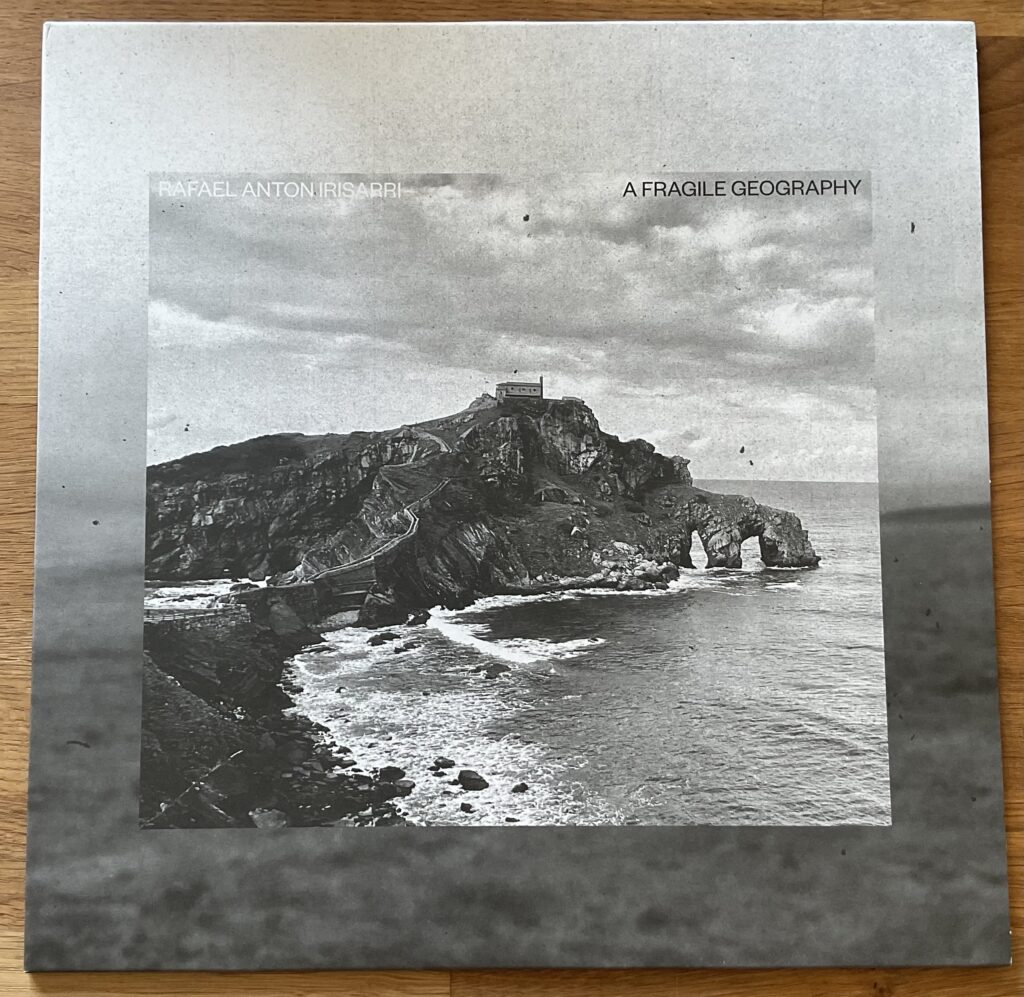
„Es sind zehn Jahre vergangen, seit A Fragile Geography in die Welt kam, und wenn ich jetzt zurückblicke, wird mir klar: Es war nicht nur ein Album – es war eine Lebenslinie.
2014 verließ ich meine Heimat Seattle in Richtung New York und tauschte den vertrauten grauen Himmel des pazifischen Nordwestens gegen die dichten, unerbittlichen Impulse der Ostküste. Was eine einfache Veränderung der Umgebung hätte sein sollen, wurde zu etwas viel Tieferem. Nur wenige Tage vor dem Umzug geriet mein Leben völlig aus den Fugen – mein gesamtes Studio wurde gestohlen, direkt vor meinem Haus. Jeder Ausrüstungsgegenstand, jedes Kabel, jede Festplatte, jedes Teil meiner kreativen Welt – weg. Am Boden zerstört, verließ ich die andere Seite des Landes mit nichts. Keine Werkzeuge, kein Archiv – nur ein leerer Ausgangspunkt und die erschütternde Aufgabe, neu anzufangen.
Dieses Album entstand aus diesem Verlust, aus einem Gefühl der Desorientierung und des Umbruchs. Es ist eine Reflexion über die emotionale Landschaft, durch die ich mich bewegte: Vertreibung, Instabilität und der langsame, schmerzhafte Prozess, ein Leben wieder zusammenzusetzen. Deshalb fühlt sich der Titel A Fragile Geography richtig an. Er bildet dieses innere Terrain ab – gezeichnet in Textur, Klang und roher Emotion.
Ein Großteil dieser Musik nahm im Hudson Valley Gestalt an, umgeben von der stillen Natur. Nach dem Chaos des Umzugs und den Nachwirkungen des Diebstahls fand ich unerwarteten Frieden in der Einsamkeit. Diese Isolation erlaubte es mir, intuitiv zu arbeiten, zu improvisieren und Klänge organisch entstehen zu lassen – sie in Echtzeit zu schichten und eher emotional als intellektuell zu reagieren. Diese Unmittelbarkeit ist in den Aufnahmen spürbar – Momente, in denen Dinge kurz davor stehen, auseinanderzufallen oder sich im Nebel aufzulösen.
Titel wie „Hiatus“, „Persistence“ und „Displacement“ spiegeln diese Momente wider. „Hiatus“ fängt die unheimliche Stille nach dem Verlust ein – den hohlen, ausgesetzten Atem zwischen dem, was war, und dem, was sein könnte. „Persistence“ handelt davon, sich durch das Trümmerfeld zu kämpfen und nach etwas zu suchen, woran man sich festhalten kann. Und „Displacement“ ist genau das: ungebunden, wurzellos, schwerelos und gefangen zwischen Welten, in denen sich nichts wirklich wie Zuhause anfühlt.
Mit der Zeit wurde A Fragile Geography mehr als nur ein kreatives Statement. Dieses Album markierte einen Wendepunkt in meinem Leben. Ich baute Black Knoll Studio in genau dem Raum auf, in dem das Album entstand. Es wurde wieder ein Zuhause für meine Arbeit. Es wurde auch ein Ort für die Projekte vieler Künstler, mit denen ich zusammenarbeiten durfte – beim Produzieren, Mischen oder Mastern ihrer Musik.
Die Verbindung zu meiner Herkunft verlieh der Zerbrechlichkeit des Albums eine weitere Bedeutungsebene – nicht nur im Zusammenhang mit persönlichem Verlust, sondern auch in den gewaltigen, tektonischen Verschiebungen von Identität, Erinnerung und Ort. In den Jahren seit seiner Veröffentlichung fühlte ich mich zunehmend zu der Heimat meiner Vorfahren hingezogen: Euskal Herria (das Baskenland). Als Teil der Diaspora in Amerika wurde diese Suche nach etwas Älterem, Tieferem und Ursprünglicherem zu einem beständigen Faden in meinem Leben. Es ist ein stiller Zug, der über Generationen hinweg nachhallt – eine Sehnsucht nach einem Ort, der sowohl real als auch mythisch ist, oft eher in Geschichten als in Gewissheit existiert.
Das Coverbild, aufgenommen von Gatzelueta in der Nähe von Bermeo, spiegelt diese Verbindung wider. In der rauen Schönheit dieses Ortes liegt etwas – wo zerklüftete Klippen auf das Meer treffen, wo Geschichte in Stein eingraviert ist – das die emotionale Landschaft von A Fragile Geography widerspiegelt. Für mich fühlt es sich wie ein Ort an, an dem inneres und äußeres Terrain zusammenfließen.
Als ich begann, die visuelle Sprache des Albums mit meinem langjährigen Kollaborateur Daniel Castrejón in Mexiko zu entwickeln, vertiefte sich diese Verbindung weiter. Während wir Wege erforschten, Erinnerung und Ort zu vermitteln, wurde uns klar, wie stark der emotionale Kern des Albums erhalten bleiben und zugleich eine Tür zu neuen Möglichkeiten öffnen konnte. Daniels Auseinandersetzung mit Bildern – seine Fähigkeit, Fotografien in geisterhafte, zeitgetragene Artefakte zu verwandeln – passte perfekt zu dieser Ästhetik. Die Arbeit von Obscurys, sanft, aber stark gesättigt von Atmosphäre, brachte diese Fotografien in etwas, das dieselbe elementare Kraft trug – eine ständige, sich selbst erneuernde Verbindung aus Erinnerung, Vergangenheit und Gegenwart.
Ein Jahrzehnt später höre ich dieses Album nicht mehr nur als Dokument von Trauer oder Überleben. Ich höre es als Zeugnis von Transformation. Es erinnert mich daran, dass selbst wenn alles auseinanderfällt und zusammenbricht, etwas Bedeutungsvolles, Ehrliches – und vielleicht sogar Schönes – entstehen kann.
Danke fürs Zuhören. Damals, heute und immer.“
— Rafael Anton Irisarri | New York, 15. April 2025