Thinking about Mr. Hollis in a sentimental mood
It happened five years ago today.
The guy from „Zen Sounds“ is strolling through Mark Hollis‘ life, and time‘s rush (and the coffee I am drinking some miles before Bremen) is now filled with sugar and sadness. By chance, I made one of the two last interviews he ever did, in 1998, in Hamburg, before the release of „Mark Hollis“. And I was meeting him before In 1991 or 1990. In that week when the huge cover of Talk Talk‘s „Laughing Stock“ circled on the roof of Polydor Records‘ skyscraper, I sat in his little appartment near „Angel Station“, with Markus Müller (who is now the CEO of the Monschau Jazz Festival, remember his FMP book, or the ECM exhibition in München…), and we listened to his stories, for example about Mark’s neverending love for that first Duke Ellington piece of his only album with John Coltrane… „listen, these first moments of Elvin Jones there“, and whenever I come across the name of that Underground station, it hurts. „Angel Station“. For fuck’s sake. When meeting him again in the big Hamburg hotel, there was (really strange, and unexpected) this joy, unfiltered, similar to seeing an old friend again, a big smile on his side, on my side then, too. In those two hours, while drinking tea, there was a very kind, heartfelt connection. If I now think back to that scene, after all those years, it brings a tear to my eyes. I’m NOT „romanticizing“ this. All these special moments in life, you don’t return to them necessarily in your last moments, on the deathbed, you can bring them up – en passant, and they can serve. Everything wounded will flow. Little helpers on the way. The elevation of a (sudden) melancholic vibe. Mark Hollis never released any more offical recordings after his solo work. In 2001, he produced two songs for jazz saxophonist Jan Garbarek’s daughter Anja on her album Smiling & Waving. And, there I was, sitting in Anja‘s living room in Notting Hill – on her wall the magnified cover of Brian Eno‘s „On Land“, Anja talking about her album, and about the last appearance of Mr. Hollis in a record studio. Circles closing. We should have been writing oldfashioned letters. The following lines now from Stephan Kunze, the man behind „Zen Sounds“:
Researching his biography, “Mark Hollis: A Perfect Silence”, music journalist Ben Wardle found out that the introverted songwriter spent the last 20 years of his life mainly playing golf, riding motorcycles and collecting rare instruments. When his kids had grown up, he moved back to the countryside with his wife, this time to Sussex. He died from cancer on February 25, 2019, aged 64.
Ich bin Lisa (Neues aus der Blow-Away-Zone)

Drei Monate in die Haut von Lisa Poschmann schlüpfen, auf einer kleinen Tour mlt dem Amanset durch Kalifornien. Anno 1998. Alles zwischen Santa Monica und Titisee. Hör dir die ersten drei Platten der Gruppe an, und wenn du der dort verströmten Magie erliegst, bist du im Fanclub willkommen. Ernsthaft. Die Musik erweitert dein Geduldsspektrum mit einem Honigkuchenpferdgrinsen und versetzt dich in hundertundeine Gedankenwelt – in einer davon sitzt du auf dem Rücksitz eures alten Familienmercedes auf den Weg in den Schwarzwald, du liest Jerry Cotton (was für Erleuchtungen es da gab im Bastei-Verlag!), während im Radio auf einmal David Bowie und Lou Reed laufen, In the year 2525, Amen Corner und Donovan. Und Penny Lane. „Deepest coffeeshopmusic ever“. Gute Freunde von euch sind extrem begabte Musiker, die Musik von ganzem Herzen lieben und deren Lieblingsbeschäftigung im ganzen Universum darin besteht, einfach loszulegen und Musik zu machen, die angenehm zu hören, schön zum Entspannen, sowie verrückt zum Tanzen ist, und sich nur zu gerne im Kreis bewegt. Genau das sind wir. Wild as the wind, aber eine ohne einen Hauch von Nina Simone. Gitarrenmusik mit viel Luft drumherun, und seltsamen, aber unaufdringlichen Instrumenten, gerne auch mal rückwärts. Ich empfehle es, wenn ich gerade nicht Lisa Poschmann bin, Leuten, die gitarrenbasierte Nicht-Pop-Musik mögen. Friends of Eno and Young Marble Giants. Am anderen Ende des Spektrums dann harter Gitarren-Folk. The Fun of Watching Fireworks. Nein, so obskur sind Amanset nicht. Und doch. Es gibt keine Riffs, die für sich alleine stehen, aber alles zusammen, und ich habe nur ein paar Mosaiksteinchen zusammengekehrt, ergibt Lisas Milchmädchenrechnung für die Unendlichkeit. Pure Brillanz im Timing & subtil verwobene Melodien. Karge Gerüste, lusvolles IKEA-Dream-Vokabular. Auf einer einfachen Ebene ist es einfach verdammt scharfes Chillen und, und das Rauschen der Zwischentöne unwiderstehlich. Natürlich lösen sich diese Zeilen innerhalb von wenigen Tagen in Luft auf.Peaky Blinders (1-6)
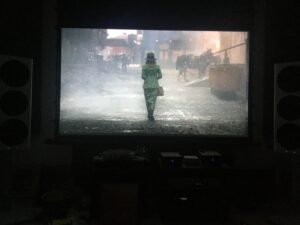
We‘re happy to report that we fell hard for Peaky Blinders. However familiar its building blocks, the U.K. gangster drama is positively bursting with irrepressible energy, and it’s proof that, whatever a show’s premise, capable execution is everything. A dance from abyss to abyss. Noir and deep. There is probabyly no lover of Nick Cave‘s musical worlds who doesn‘t fall for this epic journey. On the last two seasons Anna Calvi delivers. Sometimes haunting and overwhelming, always powerful and affecting, Calvi brings Shelby’s life before our eyes purely with her sound. Impressively, she plays all of the instruments – including ones she was less comfortable with, namely violin, piano and percussion – the results are unforgettable and the rawness is completely intended.
Maureen Ryan & Michael Engelbrecht
in memory of reading „Obduktionsprotokoll“ in Bergeinöden
ich konnte mich nur dunkel erinnern, dass ich dir 1980 bis 1982, einen steinwurf, naja, einen nachmittag in sanftem pferdetrab von der alten tschechoslowakei entfernt, die eine und andere post zusandte, von der du annahmst, der staatsschutz habe sie geöffnet & damals war halt jeder verdächtig, der eine bildzeitung im müll entsorgte geschweige denn gegen die isolationshaft der raf zufeldezog mit friedlichen aber zornerprobten bannern sei‘s drum & mit „murder by contract“ „daughters of darkness“ und „duke of burgundy“ (lauter schmetterlinge in einer sapphisch surrenderfreudig sirrenden welt) sind da nun drei beachtliche filme im päckchen unterwegs zwischen deren erscheinungsjahren ganze königreiche entstanden und versanken & damals am rande der grünen welt las ich den sextrunkenen jazzroman obduktionsprotokoll von hartmut geerken was meine sehnsucht unterfütterte nach schaurigschönen saxofonschreien und der hingabe meiner pocahontas in der einöde der nördlichen bayerwalds sowie an der blauen donau & be sure to wear some flowers in your hair & es war die zeit als ich peter handkes schlafmittel die linkshändige frau kopfschüttelnd mit anderen antiseptica entsorgte die das verfallsdatum deutlich überschritten hatten und wir alsbald unsere lächerlich knallbunten feuerzeuge in den himmel reckten hannah and neil and me als mr young vor uns dreissigtausend seelen den ewigen klagegesang seines songs cortez the killer anstimmte und crazy horse mit zauberer nils lofgren mal wieder die zeit erst zittern dann stillstehen liess (ein alter text aus manafonistas)
Old Würzburg Night
In that summer of things that went terribly wrong, I lived in a rather empty apartment in which the shadows of an old love still danced on the wall. Every month I bought „Sounds“, the best music magazine that existed in old Germany. I was browsing through the latest issue when my eyes fell on a small advertisement from Polydor: „The man in the background“, a monochrome gray cover was depicted, and the release announced with calculated understatement.
Two or three days later, I held Brian Eno’s „Music For Films“ in my hands. And heard it for the first time. I have listened to this record, with its fleeting sketches that take me on every flight, its utter incompleteness, its longing and fear and dream material, endlessly since then, consciously, unconsciously, in the background, in the foreground, in between. When walking (with a button in my ear), when writing, when falling asleep, waking up, in a foreign country. And as an alternative for „the cigarette after“. The first time I heard it, I knew that this music would accompany me throughout my life. It quickly became a medicine too, helped me to dance with the naked shadows on the empty wall instead of scaring them away.

And when a giant tried to throw me out of bed and out of my apartment on the 7th floor. I tried to calm my mind with cocoa, but the nightmare returned and I made myself a hot toddy with the good old pot, then took the car to a large empty field near Würzburg, experienced the sunrise there and had my only deeply moving encounter with a Bach cantata from the weird car radio, and then returned home to the nightmare apartment, I played Brian‘s album and experienced how completely irrational vibes of happiness that had already set in on the cool morning field continued to spread and I even looked forward to the next encounter with the giant. (m.e.)
Reverberations of non-stop Traffic on Redding Road
„I would beg listeners both animal and human to allow these beautiful landscapes I’ve created in collaboration with Mark Nelson to sing and speak and weep for themselves. Please. Forget about words. Just LISTEN.“ – Kramer
„It was an honor to work with Kramer (…) For the music, this line from Arthur Russell says it so well: ‚If I could convince you these are words of love, the heartache would remain, but the pain would be gone‘.“ – Mark K. Nelson (Pan American)Mallorca
In ein paar Stunden werde ich dort sein, und ganz allein einige abseitige Zonen der Insel erkunden. Ich weiss, wo der Covermagier einst lebte, der unter anderem Santanas „Abraxas“ veredelte. Ich weiss, wo Jon Hassell sich gerne aufhielt, und auf meiner letzten Reise dorthin erlebte ich eine meiner denkwürdigsten Wanderungen. In meinem kleinen gemieteten Haus im Nordwesten, mit Swimmingpool, und Bar in einer halben Meile Entfernung, werde ich die Zeit deutlich verlangsamen. Mein Wohnraum hat einen CD Player und Vorhänge, die an die dekorative Kunst Kandinskys erinnern. Wer mich sucht, würde mich kaum finden, und auch der Hinweis, dass mein Blick auf eine wunderbare geschlungene Hügelkette geht (laut Broschüre), würde mich nicht auffindbarer machen. Das kleine Gehöft teile ich mir mit einer kanadischen Kleinfamilie, und einer Handvoll ausgewählter CDs, von den üblichen Verdächtigen. Veedon Fleece ist dabei, Luminal, Liminal, und
Bis auf ein, zwei kleine Reisen auf die Insel vor ca. 20, 25 Jahren, habe ich nur Jugenderinnerungen. Ich glaube, ein kleiner Sprung jetzt, ohne Absatz, aber mit Punkt und Komma. Er war einer der besten Freunde, die ich je hatte, auch, wenn wir nur gute zwei Wochen zusammen waren, in einem luxuriösen Hotel, abgelegen, auf Mallorca – der damalige Minister Schiller drehte seine Schwimmrunden mit seiner Affäre, ohne von Paparazzis behelligt zu werden, und Mario Adorf tauchte mit Lex Barker auf. Ich schoss ein Foto, wie Herr Adorf sich ein grünes Salatblatt in den Mund schob. Ich las voller Ergriffenheit Albert Camus‘ „Die Pest“, liebte die schaumige Milchsahne auf dem Kakao, überstand den Überfall zweier Einbrecher, und zu den vielen Parallelwelten, zwischen denen sich Teenager leichtfüssig bewegen können, zählte die Freude, Morgen für Morgen Peter zu treffen, und stundenlang mit ihm das Tischtennisbrett zu besetzen, oder am Swimmingpool zu liegen. Er gehörte zur österreichischen Judonationalmannschaft, was ich weniger aufregend fand, als die Tiefe meiner freundschaftlichen Gefühle. Er war ungefähr sieben Jahre älter als ich, 21, und erinnerte mich vielleicht, aber nur sehr entfernt, an eine alpenländische Version meines Traumgefährten „Okko“, mit dem ich nächtens die aufregendsten Abenteuer in über Jahre wiederkehrenden Serienträumen erlebte – er kam stets in höchster Not, und bereitete jeder Traumsequenz zwischen Karl May-Gefilden und „Am Fuss der Blauen Berge“ ein Happy End. Aber was war das nun mit Peter: sah ich in ihm den idealen älteren Bruder? Ich glaube, das war es. Unsere Gespräche waren, so weit ich mich erinnere, auch ganz normale Jungsgespräche, ich mochte ihn wohl einfach von Herzen gern, Erotik spielte da nicht hinein. Vielleicht haben wir über die Beatles gesprochen, aber eher nicht über Camus.
Ich hatte dort, in diesem behüteten Urlaub, keinerlei Musik dabei, dafür sah ich in kurzer Zeit ein paar Menschen, die ich aus dem Fernsehen kannte, auch diesen alten englischen Schauspieler, dessen Name mir entfallen ist, und der sich Jahre später wegen Depressionen das Leben nahm. Meine Mutter erzählte es mir, und ich sah wieder seinen leicht gebeugten Gang vor mir, und etwas Verlorenes in seinem Blick. Wo war Emma Peel – das wärs gewesen, vielleicht hätte Peter ihr ein paar Griffe gezeigt, und sie mir! Die Musik in diesem Paradies war die Musik einer älteren Generation. Neben dem Süssholzraspler am Klavier, der abends den Cognac und die Longdrinks der Barhocker untermalte, kamen aus den Lautsprechern ausschliesslich Evergreens, die schon immer Evergreens waren, von Neil Diamond oder Frank Sinatra. Ich denke, auch von Paul Anka und Neil Sedaka. Und ganz vorneweg James Last, die deutsche Ausgabe der Ray Coniff Singers. James Last, der alles weich verpackte, von den Chansons bis zum Jazz, von Hippie-Musicals bis zu dem Fab Four. James Last hätte auch aus „Paint It Black“ eine Schmonzette für angetrunkene Mann-im-Mond-Sucher aus dem Ärmeln seines Orchesters schütteln können. Soziokulturell hatte dieser früh erblondete Arrangeur fleissig an Traumkulissen im Wirtschaftswunderland gezimmert. Ich war aber nur in meinen Hintergedanken ein resistenter Hörer. Von den altmodischen Hits (einer liegt mir auf der Zunge, „Spanish Eyes“, oder heisst er „Spanish Harlem“) liess ich mich gerne einwickeln. Auch die jungen Bee Gees wären nicht weiter aufgefallen. Es ist immer seltsam, alten Orten neu zu begegnen. Mein Leihwagen ist ein Mini Cooper, was ich lustig finde. Nun war diese avisierte Reise bloss ein Traum in den Morgenstunden, aber so realistisch, dass ich eigentlich nur einen Koffer packen müsste und Last Minute Angebote sondieren. Ich würde stets einen Kompass bei mir haben, ein Schweizer Messer, und genügend Futter.
Rafael Toral‘s „Spectral Evolution“
Is this true?
Am I listening to what I am listening?
Is it necessary to study rocket science
to explain what‘s going on here? No.
This album is a wonderful example of
experimental music, well,
extremely experimental music
fuelling the deepest impacts.
No words required, though there
will be … words. And with all
echoes, sources, programs (at hand),
we take that other route and
just listen. Believe it or not.
What the Portuguese musician creates, is something completely illusory and delightful, juxtaposing the straightforward imagery of its cover. Comprising a near 43-minute soundscape – delivered as one continous whole, but separated into 12 movements – the album depicts the textures and rhythms of nature with an almost cinematic scope. „Changes“ feels like the flutter of a wing dissected in slow motion intricacy, while „Descending“ swoops the mixture into gorgeous thermal decline. The magic is in Toral‘s delicately affecting cycles, which succeed in extracting graceful, almost relevatory beauty from the world‘s ubiquitous sources. (Electronic Sound, March 2024; release date: March, 1; vinyl / cd / dl)
As a teenager, one of my beloved pieces was a slow, trance-like track named „Set the controls for the heart of the sun“, full of soft pulses (I think it was on Pink Floyd’s long player „A Saucerful Of Secrets“), and as soon as I started listening (still a child, and with child-like curiosity) I was „inside“. Now (a parallel of sorts and mood) it took some minutes and moments of asking myself „where am I?“, to be part of Rafael Toral’s „mind trip“, but from then on, after removing some obstacles (mostly internal dialogue) I was part of the crew. Let’s speak about floating. Safe journey! (m.e.)
We‘ll live through the long, long days…“
Zu welchen Soundtracks kehren wir immer wieder gerne zurück? Da hat jeder eigenen Erinnerungen, Bilder und Klänge – Vangelis, Delerue, Cooder, Rota, Karaindrou, und all die anderen – Wenn ich an den hinreissend langsamen Film „Drive My Car“ denke, schleicht sich wieder „We’ll Live Through the Long, Long Days, and Through the Long Nights“ in meine Ohren. Yusuke sitzt mit Oto auf dem Bett und erzählt ihm von der Liebe eines Mädchens zu Yamaga, einem Klassenkameraden aus der Oberschule, und wie sie sich in sein Haus schleicht. Ach, ach, und weh! Das ist ünrigens einer derfünf Filme, die eine meiner liebsten Storytellerinnen am 1. März in der Kolumne „Film“ im wahrsten Sinne des Wortes in ihren Händen hält. Ja, und manche Erinnerungen führen zur einer alten Fernsehserie, die 1989 in heimische Wohnzimmer strömte und eine neue Art der Unheimlichkeit verbreitete. Und in der Bar sang Julee Cruise. Und Angelo Badalamenti erinnerte sich an das Studio in Manhattan, in dem er und David Lynch einen Grossteil der Musik produzierten: “Excalibur Sound war der dunkelste, schäbigste Ort, den man sich vorstellen kann. Die Lichter flackerten, der Strom ging ein und aus. Als wir uns den Film ansahen, roch es in dem Raum fürchterlich. Es war winzig, die Mäuse liefen sogar bucklig herum. Aber David liebte es – er sagte: ‚Dieser Ort schafft eine so schöne Stimmung für uns, Angelo, nicht wahr?‘ Ich sagte: ‚Nun, ich denke schon…‘
Bengt Hambraeus
CONSTELLATIONS II FOR ORGAN SOUNDS (1959)
INTERFERENCES FOR THE ORGAN
(Limelight LS-86052, 1968)

Inheritance
Bengt Hambraeus (1928-2000) was a Swedish organist, broadcaster and a mostly auto didact composer. Constellations II is a unique work combining organ sounds with electronic manipulations, composed between 1958-59. Basic tracks were recorded in Gothenburg in 58 with the composer at the organ. Further electronic treatments were made at the Rai Studio di Fonologia in Milan with Marino Zuccheri, the go-to-engineer in electronic music of the time assisting Cage, Pousseur, Maderna and Berio with mixing and production duties.
From 1957 Hambraeus worked at Swedish Radio and after receiving a PhD in organ studies at Uppsala University, he migrated to Montreal where he in 1972 became full professor of music and theory at the McGill University in Quebec. He was a pioneer of Swedish electroacoustic music. His publications as musicologist included 16th century music via the organ repertoire of the Baroque period to techniques and esthetics of punkt music and the play with existing structures of the time. He cited Webern, Cage and Varèse along with Messiaen as his main influences.
Sporadic studies at the WDR studio in Cologne and trips to France, Hambraeus attended the summer courses in Darmstadt throughout the fifties where he met with same age composers and thinkers such as Stockhausen, Boulez, Nono, Maderna and Pousseur. Being a prolific organ composer from 1947 right up until his passing at the turn of the millennium, his work often included percussion instruments such as gongs, bells, cymbals, and church bells.

Metal Beat: Hambraeus with bells
A Cosmic Tonal Experience
The sound of Constellations II is organic and playful. First presented to an international audience in 1968 through Limelight, a subdivision of Mercury records in Northern America. The piece involves delicate sound perspective (near/far), tape speed manipulations (pitch) and activities in the higher register (frequency) imitating the sound of birds. This was electronic music that was not alienated from nature. Today, when listening back to this music it sounds surprisingly fresh. Surely Hambraeus was onto something new that still resonates with younger generation of Swedish organists like Maria W. Horn. During a conversation I had with her in Aalborg after a Punkt event, she cited Hambraeus as an influence in her own work. Ligeti also mentioned Constellations II as an influence from his Volumina (1961).
Hambraeus dream was to “…create a fantastic space organ with no limitations, a cosmic tonal experience…” (Hambraeus 1962). Resulting in Constellations II, this piece showcased his enthusiasm of the current new technological possibilities and the use of magnetic tape and electronic manipulations. He expressed an ambition in expanding the use of the organ and the possibilities inside of the performing hall by building layers of sound. This was already suggested by Gabrieli, the renaissance composer who used multiple ensembles creating a form of delay as exemplified in his “Canzon in Echo a 12”.
In 1955 Hambraeus composed his first electronic music piece Doppelrohr II named after German organ-theorist E.K. Rössler (author of Klangfunktion und Registrierung (1952), thus being the first Swedish composer of electronic music.

Organ theorist E.K. Rössler
A review in High Fidelity Magazine reads:
“Constellations II is an electronic work, at times making use of the organ tone unchanged, at other times transforming it completely into a new range of timbres. The transition from one to the other is fabulous: and the general size, grandeur, and passion of the piece are most impressive.”…“Nobody has done anything quite so important with the organ since the eighteenth century. Bengt Hambraeus is the Johan Sebastian Bach of a new day”.
This album was part of my father´s record collection and has been with me all my life. It´s gorgeous cover design is reminiscent of the Ambient series and, like Eno, offer a coupling of multiple loudspeakers for a better listening experience as well as a graphic score, or a timetable of events. Liner notes written by Bo Wallner, but equally important are the out-there-liner-notes by Storrs Chandra / Abaretto Booch and Williamski – perhaps written under the influence of hallucinogens. Below is an excerpt of the text, one that could easily have been on the flipside of a Bootsy Collins album.

„THIS ALBUM IS….BEATLE…..FULL, AN ABSOLUTELY MAGNIFICENT RECORDING. …..BUT YOU ARE GETTING MORE THAN YOU BARGAINED FOR…..IT´S TOTAL, MAN..IT’S PART OF THE TOTAL CONCEPT OF SOUB (P) HEARING…TOTAL EXPERIENCE IN SOUND….TTL…XPRYENCE..INUH..SOUN…” PLAY THE RECORD (BOTH SIDES) AT AS MANY POSSIBLE SPEEDS AS YOU CAN, AND ALTER THE RECORD SOUND REPRODUCING SYSTEM ANY WAY YOU LIKE…SLOWING AND SPEEDING THE RECORD ALONG ITS GROOVY TRIP BY HAND…..HEARSOUNDHEARSOUNDHEARSOUND.“
The promotional department at Limelight targeted the release to a young and hip audience. The backside sticker simply says:
“Listening to Bengt Hambraeus´fantastic sound – it´s magnificent electronic and organ-organized electronic total sound experience should involve you as much as any music that you are capable of loving…be in the sound of the Beatles, Bach, Beethoven, Boulez, Beach Boys or Belafonte, Barbara Streisand, Pearl Bailey, Blue Cheer or whatever. Hambraeus is really tuned in. Smashing!”
Limelight was an offspring of Mercury records specializing in jazz and experimental music of the time including Badings & Raaijmakers, traditional music from Iran, India, Pierre Henry and Beaver & Krause – the latter duo who were Robert Moog´s sales representatives and responsible for popularizing the Moog synthesizer in the late sixties.
Check out their albums “In a Wild Sanctuary (1970)” and “All Good Men”(1972). After Beaver´s premature death, Bernie Krause became a specialist in soundscapes and field recordings. “Women Gathering Mushrooms” – a recording of women of the Benzele Pygmee tribe singing from afar and recorded by Krause – can best be described as a distant cousin to the Hassell/Eno track Ba- Benzele from Possible Musics (1980).Jan Bang