Uncategorized
Bunter Spargelsalat
Spargel schälen, in mundgerechte Stücke schneiden und kochen
Erdbeeren
Gelbe Paprika
Frische Gurke
Avocado
Nüsse, z.B. Walnuss
Pro Person ein hartgekochtes Ei
Räuchertofu in Stücke schneiden und anbratenDressing: Olivenöl, weißer Balsamico, Salz, Pfeffer, evtl. noch etwas Orangensaft.
Die Zutaten in mundgerechte Stücke schneiden. Menge je nach Bedarf. Die Kombination von Spargeln und Erdbeeren gibt es nur ein paar Wochen im Jahr. Das ist ein Fitnesssalat, erfrischend und sättigend. Wer keinen Tofu mag, könnte ihn mit Garnelen oder Fleisch ersetzen. Copyright liegt bei mir 🙂
Die Angst des Tormanns beim Elfmeter
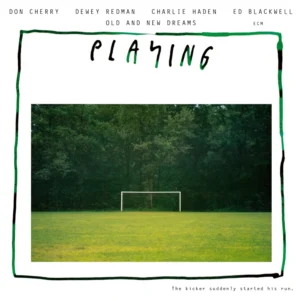
- Demnächst in diesem Theater eine Erinnerung an diese mir sehr viel bedeutende Schallplatte des Quartetts Old And New Dreams, aus der Zeit zwischen dem Ende der Siebziger und dem Beginn der Achtziger Jahre (s. Cover)
- Und eine Art von Besprechung eines Dokumentarfilms, der ein Jahrzehnt zuvor, 1970, in den Kinos zu sehen war, und das Ende der Beatles einfing, für viele ein viel zu trauriger Anlass, sich das damals anzutun. „Let It Be“ nun auf Disney+
- Sowie ein fantastisches Dub / Reggae-Doppelalbum, das in die zweite Hälfte der Siebziger Jahre reist, und auch notorische CD-Verächter ins Grübeln bringen könnte (so gut ist diese Edition)
- Der Trip in die wilden Siebziger wird „vollendet“ mit meiner Story zu einem Album, das am 1. Oktober 1975 erschien und bewies, dass es auch nach Hendrix noch Power-Trios der besonderen Art geben sollte.
on the way to Edeka,
just two songs on the way, I realized
that i now have for a second day what i
would diagnose a torn muscle fiber, and
that Joni Mitchell‘s Hejira is endlessly deep.„A floating lesson“ (Jessica Pratts Langspielplatte „Here In The Pitch“)
Laura Barton zählt zu meinen Favoritinnen, im Genre der Musikbesprechung. Unlängst erst sang sie ihr Loblied auf Beth Gibbons‘ vielschichtiges Album, und schon etwas länger ist es her, da besprach sie das aktuelle Album von Jessica Pratt, das bei City Slang erschienen ist. Ich habe erst heute ihren Text gelesen, denn ich wollte der Musik völlig unvorbereitet begegnen. Es war dunkel, ich zündete ein Kerzenlicht an, und fand mich im Nu in der so verlockenden wie gepenstischen Liederwelt der mir bislang nur vom Namen bekannten Sängerin wieder. Vom ersten spinnwebartigen Sound bis zum letzten Moment, breitet sich ein immenses Retro-Flair aus. Ich fühlte mich auf einer Zeitreise in meine frühen Zwanziger versetzt, in der das Staunen leicht fiel, wenn Astrud Gilberto mit Stan Getz das Mädchen aus Ipanema besang, oder ein gewisser Nick Drake in pastellgetönter Dunkelheit seinen „Pink Moon“ beschwörte, mit dem sanftesten vorstellbaren Gesumme. Ich erinnere mich an eine Zeit, in der die Hunde jede Nacht bellten und der Mond immer voll war. Schon nach dem ersten Hören war ich verwundert, wie sehr mich Jessica Pratts Spiel mit alten Texturen einfängt, und stellte mir, hier und da, die klassische Frage der luziden Träumer: „Träume ich, oder wache ich?“

1979 veröffentlichte Joan Didion „White Album“, eine Auswahl von Essays, die Kalifornien am Rande der 1970er Jahre einfingen, als der Traum von der Gegenkultur ins Wanken geriet. „Eine verrückte und verführerische Wirbelspannung baute sich in der Gemeinschaft auf“, so beschrieb sie es. „Die Nervosität machte sich breit. Ich erinnere mich an eine Zeit, in der die Hunde jede Nacht bellten und der Mond immer voll war.“Etwas von Didions Beschreibung findet sich in Jessica Pratts viertem Album Here In The Pitch wieder. Die Sängerin schöpft aus der zwielichtigen Geschichte ihrer Heimat Los Angeles, diesem besonderen Westküstengefühl einer amerikanischen Utopie im Aufbruch, um ihre bisher besten Songs zu schreiben. Geschichten über Sünden und Verbrechen und „böse Unschuld“ liegen unter einer musikalischen Palette von Bossanova und orchestralem 60er-Jahre-Pop. Die Melancholie bewegt sich unterhalb des Glanzes. Süße begräbt die Düsternis. Selbst der Titel des Albums deutet auf eine latente Bösartigkeit hin. Das fragliche „Pech“ bezieht sich sowohl auf absolute Dunkelheit als auch auf Bitumen, jene ölige, schwarze Substanz, die sich, nässend und unheilvoll, irgendwo unter der Erde bildet und an Orten wie den La Brea Teergruben in Los Angeles an die Oberfläche tritt.
Pratt hat davon gesprochen, dass sie bei der Konzeption dieser Songs von „großen Panoramaklängen träumte, die an das Meer und Kalifornien denken lassen“. Ihr Prüfstein war natürlich Pet Sounds, aber sie suchte die ruhigen Momente dieses Albums ebenso wie seinen barocken Schimmer; die Punkte, an denen man die Stille des Studios hören kann; das Gefühl, „dass man die Hand ausstrecken und die Textur des Klangs in der Luft berühren könnte“.
Die Textur des Klangs ist ein faszinierender Gedanke in Bezug auf Pratt. Ihre Stimme hatte schon immer eine ganz eigene, außergewöhnliche Zusammensetzung: sauer, körnig, süß und schilfig, wie in einer seltsamen Korrespondenz mit der sie umgebenden Luft. Auf frühen Aufnahmen neigte sie sich in Richtung Karen Dalton oder Joanna Newsom, etwas hoch und einsam. Hier ist ihre Stimme tiefer und müder – bei „Empires Never Know“ erinnert sie fast an die späte Marianne Faithfull. Diese Veränderung war ein bewusster Schritt; Pratt suchte nach einer körperlicheren Art des Gesangs für diese Platte. Das Ergebnis ist eine größere Bandbreite und eine tiefere Art von Dunkelheit.
Pet Sounds war nicht die einzige Inspiration für Here In The Pitch. Das Eröffnungsstück „Life Is“ schreitet wie eine Phil Spector-Nummer oder „The Sun Ain’t Gonna Shine Anymore“ von den Walker Brothers herein. Es gibt Bläser und Streicher und Mellotron, einen Gastauftritt von Ryley Walker an der Gitarre, während Pratt von Unsicherheit und halbseitiger Frustration singt und die Kreisförmigkeit ihrer eigenen Gedanken verfolgt, wenn sie feststellt, dass „Time is time and time and time again“.
Oft funktionieren diese Tracks auf diese Weise, indem sie eine Art songwriterischen Taschenspielertrick vollführen: die Musik bewegt sich hell in eine Richtung, während die Texte in die entgegengesetzte Richtung ziehen – klein, eng, imagistisch. Bei „Better Hate“ zum Beispiel plätschert die Musik in eine Richtung, während sich der Text in die andere Richtung bewegt: „Just a sad case, I’m nobody’s fool“, singt sie, als ob sie nach dem Weg nach San Jose fragen würde. „And you’ve won it all, but your smile’ll be gone/When you’re yesterday’s news“.Die Texte dieser neun Lieder zeichnen eine Welt, in der das Licht schwach ist und die Sonne untergeht, während der Herbst vor der Tür steht. Die Figuren sind gefangen und misstrauisch. Es gibt Bettler und Diebe, Ausgangssperren und Flüche, Leben „in der Mitte versunken“ und „Träume von Autobahnen“. Pratts Songwriting mag sich auf träumerische Zweideutigkeit stützen, aber die Themen auf Here In The Pitch fühlen sich vertraut an; eine Art modernistischer Springsteen, an den Pazifik gepresst.
Dies ist ein kurzes Album, das lange auf sich warten ließ, wie alle Platten von Pratt. Aber bei jeder Veröffentlichung hat man nie das Gefühl, dass ein Musiker um Ideen ringt, sondern eher, dass er ein Meister der Destillation ist. „Ich habe nur versucht, das richtige Gefühl zu finden“, sagt sie über die langsame Reise bis zur Veröffentlichung dieses Albums. Es zeugt von ihrem Talent, dass Pratt auf der Suche nach diesem Gefühl so viel von dem, was in der Vergangenheit für sie funktioniert hat, in Frage gestellt und ihren Sound, ihre Band und ihre eigene, viel geliebte Stimme neu konfiguriert hat.
Am Ende von Here In The Pitch scheint sie sogar neue Gedanken darüber zu haben, was sie überhaupt hierher geführt hat. Das einzige Instrumentalstück des Albums, „Glances“, kommt als sanftes, mit den Fingern gezupftes Motiv daher, wird von Bläsern überschwemmt und zieht sich dann zurück. Dieses wortlose Zwischenspiel reinigt den Gaumen vor dem Albumabschluss „The Last Year“, einem Stück, das sich als unerwartet hoffnungsvoll erweist, auf eine dunkle Art und Weise. „I think it’s gonna be fine, I think we’re gonna be together“, singt Pratt beschwingt. „Und die Geschichte geht ewig weiter“.
Mit diesen beiden Tracks weicht diese „verrückte und verführerische Wirbelspannung“. Die Nervosität lässt nach, die Hunde sind ruhig, und sogar der Mond wird schwächer. Wir sind aus dem Spielfeld heraus, scheinen sie zu sagen, lasst uns dem Licht entgegen gehen. (l.b.)
Die Stunde der wahren Empfindung
Nur zwei Flowworker sind richtig grosse Fussballfans, und wir haben es beide geschafft: Lajlas rote Teufel werden der zweiten Liga erhalten bleiben und den Betzbenberg eben nicht in eine kollektive Trauerveranstaltung verwandeln. Und der BVB erreicht unter der Führung des wunderbaren Edin Tercic zum dritten Mal ein Finale der „Champignon-Liga“, nach Ottmar Hitzfeld 1997 und Jürgen Klopp 2013. Dass wir in Wembley verlieren können, ist eingepreist, aber die Fallhöhe wäre lang nicht so hoch sein wie im letzten Mai, als der BVB die Meisterschaft gegen Mainz einen gebrauchten Tag erwischte. Das war ganz bitter, aber die Fans standen hinter dem Team, spendeten Trost zu Tausenden, obwohl das eigene Herz gebrochen war. Und nun also ein kleines Fussballmärchen, nach einer Saison voller mittelgrosser Enttäuschungen: und wir würden es Marco Reus so sehr gönnen, am Ende seines halben Lebens für den BVB endlich die „Krönung“ zu erfahren. Wer das Spiel gestern gesehen hatte, konnte sich mitreissen lassen vom aufopferungsvollen Fight der Jungs und dem coolen taktischen Konzept. Es ist eine Ironie des Schicksals, dass womöglich weder Hummels noch Schlotterbeck zur EM fahren werden, trotz zweier Weltklasseleistungen gegen Paris. Aber das sind Marginalien. „It was a night when Borussia Dortmund penned one of the finest chapters in their history, a seemingly unremarkable team – low on stellar names – doing something utterly astonishing.“ (The Guardian) Am 1. Juni fahre ich nach Dortmund, und, selbst wenn es kein grosses Fussballmärchen würde, werden wir hinterher durchs Kreuzviertel ziehen, der Major wird die alte BBC-Kassette aus dem Archiv holen, und die tolle Radiostimme von Joe Strummer moderiert Nina Simone, John Cale, und Joao Bosco. In dem Trubel, egal, ob überschäumend oder ein wenig sentimental, werden wohl auch Gesichter aus alter Zeit auftauchen, und wir werden uns ein paar Stories zu erzählen haben. (Und hier natürlich der beste BVB Podcast, mit Sascha Staat und Kevin Pinnow.)
Ein unerschöpfliches, unwiderstehliches Triplealbum
Flowworkers do have their sweet darlings, musicwise. As you can see at the latests posts in sequence, Lee Perry is following Einstürzende Neubauten is following Pet Shop Boys is following ECM magic from old days. Might be as interesting as predictable what may come next. In regards to archival reissues, the first Gateway album from Abercrombie / Holland / DeJohnette will be reissued on ECM‘s Luminessence vinyl series on May 30 including new photos from that old session, and an essay by Wilco guitar maestro Nels Cline.

Es gibt, ihr alle kennt ihn, den „heiligen Gral“ in der Musikkritik. Der „heilige Gral“ taucht gerne auf, wenn es um vemeintliche Schlüsselwerke oder lang verschollene Alben geht. Ein durchaus seriöser Musikjournalist sprach beispielsweise einmal vom „heiligen Gral“ von Anthony Braxton, als es um die limitierte Neuauflage seiner Werke auf Arista Records ging, und ich konnte seine Begeisterung nachvollziehen, denn ich besass all diese Platten einmal, eine Serie von zwei Quartetten, einem Duo, und einer Big Band-Scheibe. Grandios. Hört doch nur das Album „New York, Fall 1976“, mit Braxton, Wheeler, Holland und Altschul, und ihr werdet aus dem Staunen nicht mehr herauskommen. Ich sah die Band später zweimal live, in Dortmund und Moers, und mir traten Tränen in die Augen, einmal, und eine Gänsehaut kehrte wieder und wieder. Vom „heiligen Gral“ ist auch immer mal wieder die Rede, und das seit Jahrzehnten, wenn es um Lee Perry geht, einem grossen Zauberer der jamaikanischen Musik. Ein Mann, der sich nur „Reggae Teacher“ nennt, schreibt über „Open The Gate“: „Diese Sammlung wurde 1989 in einer limitierten Auflage von Trojan Records veröffentlicht, zur großen Zufriedenheit der Reggae-Sammler, die zu diesem Zeitpunkt bereits mit himmelhohen Preisen für Perrys Veröffentlichungen konfrontiert waren, von denen viele in sehr limitierten 7″- und 12″-Pressungen aus Jamaika erschienen. Diese seltenen Veröffentlichungen sind die Quelle für diese einzigartige Zusammenstellung, die dem Geist dieses genialen „Verrückten“ entsprungen ist, durchdrungen von Ganja, Rum und exorbitanten Ideen. Es handelt sich um erweiterte Versionen mit einer Länge von 6 bis fast 12 Minuten! Music On Vinyl aus den Niederlanden bringt diese exquisite Auswahl 34 Jahre später wieder auf den Markt gebracht wurde.“ Ich habe mir vor ein paar Tagen No. 1704 zugelegt, und heute einen Lee Perry-Tag eingelegt. „Open The Gate“: Mr. Perry‘s „holy grail“? Don‘t know, but irresistible from start to end. Playground adventures!Ein unheimliches, schönes Doppelalbum
Jon Dale: „Blixa, there are ‘smaller’ themes there, too, like birds, feathers, wings, the raven, flight; “flighty dreams wisping about”.
Blixa Bargeld: „Yes, the birds are there.“
(excerpt from the new Uncut interview)
Mit Augenzwinkern bringen Blixa Bargeld und seine Weggefährten die Beatles ins Spiel, und manche von ihnen nennen das neue Werk „Yellow“, so wie wir einst „White“ sagten, wenn wir vom „weissen Album“ der Liverpooler Garagenband sprachen. Ausgangspunkt dieses bezaubernden, hypnotischen, einfallsreichen Doppelalbums sind die „Rampen“, wie die Band ihre freien Improvisationen auf Live-Konzerten nennen. Sie haben keinen George Martin, aber, unter sich, genügend ausgefuchste Klangarchitekten für die Post-Produktion. Das Einstürzende bleibt so sehr Merkmal all dieser post-krautigen Kunstlieder, wie der Neubau, will sagen, der geträumte Horizont, der sich hier in all die vermeldeten Verstörungen und Niedergänge unseres Planeten schmuggelt. Blixa kennt seinen Bloch und das Quantum Utopie, das auf dem „gelben Album“ ergreifend und elegisch serviert wird, und nicht selten mit gutem dunklem Humor. „Alien Pop Music“ ist der werte Untertitel, aber, keine Sorge, hier wartet kein Elfenbeinturm auf angestrengtes Sightseeing. Es gibt einen ganz instinktiven, unmittelbaren Zugang zu dieser tollen Musik, mit ihren luftigen wie erhabenen Pulsen, ihren Mantras, Sinnsprüchen, Sprachhexereien, Momenterfindungen, Brüchen und Beschwörungen. Ganz ohne Augenzwinkern wird man „Rampen“ in hundert Jahren neben „Tago Mago“ von Can platzieren, wenn von den aufregendsten Doppelalben aus alter Zeit made in Germany die Sage geht, von Improvisationskunst und ritueller Rockmusik.
Nichtsdestotrotz
Einer muss es ja tun. Das neue Album der Pet Shop Boys vorstellen nämlich. Na gut also, hier ist es.

Das fällt mir nicht mal schwer, es ist nämlich gut. Das hätte nach vier Jahren Covid-Pause seit Hotspot auch anders ausgehen können, aber es hat funktioniert. Das letzte Album, das die Fans noch richtig in zwei Lager gespalten hat, war Super, und das ist immerhin schon acht Jahre her. Jetzt bei Nonetheless, ihrem, wenn ich richtig zähle, fünfzehnten Album, mit dem sie wieder zu Parlophone zurückgekehrt sind, wird das kaum passieren.
Das Album ist solide Popkost mit sofort erkennbarem Sound. Neil Tennant wird in ein paar Wochen 70, man hört es seiner Stimme nicht an, inhaltlich hat er sich in die Rolle des Elder Statesman hineingefunden, und skandalfrei war die Band immer. Chris Lowe findet Melodien und Sounds, die … ja, fast möchte man mit Bert Kaempfert sagen: die nicht stören . Der Produzent ist James Ford, dem es hier gelingt, orchestrale Klänge fast unauffällig ins Klangbild einzuschmuggeln, insgesamt aber sorgen sie für einen leichteren Sound als man ihn von früheren PSB-Platten kennt. Dass die Jungs auch mal Kraftwerk gehört haben müssen, kommt gelegentlich durch, etwa in Gestalt der „Zap“-Percussion in „Feel“, aber das wird man als freundlichen Gruß ansehen dürfen. Und auch, wenn man manche Melodien auf Nonetheless schon irgendwo so ähnlich gehört zu haben glaubt: Geklaut ist hier nichts. Tennant und Lowe müssen nichts mehr beweisen, sie machen einfach „ihr Ding“, wie man in Hamburg sagen würde. Wer genauer wissen möchte, weshalb das funktioniert, sei auf das neulich ausgestrahlte BBC-Portrait hingewiesen.
Dass die beiden zeitweilig in Berlin leben, wird deutlich in dem einzigen Stück, das bei manchen ein wenig Kopfschütteln ausgelöst hat: „The Schlager Hit Parade“. Das ist ein etwas seltsamer Track: Für eine Schlagerparodie ist er weder textlich noch musikalisch angriffig genug, für eine Charakterisierung deutschen Musikgeschmacks kommt er wiederum zu gemütlich dahergeschuckelt. Der wirkliche deutsche Schlager scheint mir inzwischen fast härter zu sein.
Nach wie vor fasziniert mich die Stilsicherheit, mit der das alles inszeniert wird, von den Fotos bis in die Typografie. Dass der erste Erfolg der PSB, „West End Girls“, tatsächlich schon 40 Jahre auf dem Buckel hat, hört man ihm nicht an — das Stück könnte fast unverändert auch heute veröffentlicht werden. „Es gibt im Pop keine Alterdiskriminierung mehr“, sagte Neil neulich im Guardian. Was nicht heißen soll, dass die beiden keine Entwicklung durchgemacht hätten. Aber die Veränderungen in den Sounds und Arrangements sind subtil. Die „DeLuxe“-Edition kommt mit einer zweiten Scheibe, die das beweist:

Die heißt Furthermore und enthält vier Neueinspielungen alter Titel. Kann man machen, muss man aber nicht. Die Tatsache, dass die Originale immer noch genauso gut funktionieren wie diese neuen Versionen, spricht genau für die Zeitlosigkeit der Stücke und ihrer Arrangements.
Wir sind gespannt auf Nummer 16.
opening gates

In den letzten zwei Tagen legte ich mir ein paar neue (alte) Platten zu, einen all time favourite aus dem Hause ECM („Magico“ von Gismonti / Haden / Garbarek, via Discogs, ein „original“ near mint, nach den Jahren mit der LP besass ich ewiglang die CD, jetzt back to the roots, eine absolut audiophile Scheibe, five stars), ein weiteres magisches Triplealbum aus Jamaika (das mir vor zwanzig Jahren abhanden kam und von Music on Vinyl unlängst neu aufgelegt wurde – ein Schnapperl bei a-Musik in Köln namens „Open The Gates“, von Lee Perry and Friends), sowie ein Doppelalbum von Red Hook Records (gar nicht billig), ein kompletter Blindkauf (nie gehört, aber, mit Blick auf die Besetzung, und Jason Morans himmlisches Klavierspiel auf Charles Lloyds neuem Doppelalbum hundertpro kein Reinfall). BlankFor.ms: electronics, tape loops, processing / Jason Moran: piano / Marcus Gilmore: drums / Recorded: 26-27 May 2022 / The Bridge Studio, Brooklyn NY / Engineer: Amon Drum / Mixing: Rick Kwan / Mastering: Taylor Deupree / All photos: Arianna Tae Cimarosti /Cover Art: Laura Charlton / Design: Matthew Appleton / Video: Ingo J. Biermann / Produced by Sun Chung. Ich bin gespannt. Und die anderen zwei im Bunde: „Magico“ ist eines dieser Alben, das ich immer hören kann, und immer fesselt. Und wenn es nur eines geben darf, ist es mein ECM-Lieblingscove! „Open The Gates“ ist ein Werk aus Perrys „salad days“ im Black Ark Studio, und es hört einfach nicht auf, in seine Schichten, Winkel und Horizonte zu locken. Wie kam ich nur so lange ohne dieses Opus aus?! Ein Stückweit verwandelt man sich beim Hören selber, was kein esoterischer Quatsch ist, sondern leicht nachprüfbare Bewusstseinserweiterung. Ich rede hier von feinen, kleinen Erhellungen, die mintunter grössere Effekte haben als pompöses Erkenntnistamtam! Just put it on, and play it loud! Das gilt natürlich auch für „Magico“ – wer sagt, dass man ECM-Platten leisen hören sollte?!