Glücksmomente mit Musik – Shortcuts
Er fuhr den hellbeigen VW Bully auf den nächtlich dunklen Parkplatz vom A & W Restaurant an der Autobahn nach Ramstein. Er lehnte an der weit geöffneten Vordertür und hielt sie zart umschlungen. Aus dem Speaker im Inneren des Fahrzeugs hörten sie zusammen Stary, Stary night.
Sie saß auf einem Felsvorsprung am Hafen von Vancouver und wartete auf die Fähre nach Victoria Island. Unten an der Pier stand die junge Frau in einem übergrossen schwarzen Wollpullover. Ihre Gitarre stützte sie mit dem Knie. Sie sang Both Sides Now, better than Joni. Tränenglück bei der Betrachterin.
Sie schlichen sich auf Zehenspitzen ins Kinderzimmer. Sie wussten, dass ihr Vater sie durch das Schlüsselloch beobachten würde. Im halbdunklen Raum saßen sie sich gegenüber und versuchten sich an ersten Küssen. Dazu lief immer wieder auf dem kleinen Plattenteller : Nights in White satins.
Wir schliefen gerne in den Dünen von Sylt, geschützt in den Mulden, umgeben von Schafen . Der starke Wind lärmte, wir sangen dagegen an: Sad eyed Lady of the lowlands und kurz vorm Einschlafen brüllten wir: I want you, I want you, I want you so bad, honey I want you.
Er stand in seinen weißen Provoklamotten auf der Ufermauer der Seine und blickte hinüber zur Nôtre Dame. Sein Gepäck hatte er im Chat Noir abgestellt. Plötzlich schrie the Pretty Thing aus Amsterdam: we build House und anschließend leiser: You might be the loniest person in the world.
Sie hatten sich in Nizza am Flughafen bitter gestritten.In Antibes trennten sie sich für immer. Sie lief weinend hinüber nach Juan les Pins, um sich frei zu schwimmen. Sie ging zu den Boulespielern und sah ihnen traurig zu..Auf einmal schlich sich ein Trostlied in ihr Gehirn.Sie summte leise mit: The sun is surely sinking down…so close your eyes… I can sing this song, and you can sing this song, when I’m gone..
Wie klein wir uns fühlten, als wir 1978 auf der Seite von Bob Dylan wähnten, als er hinüber deutete auf die Stelle, wo Hitler einst gesprochen hatte Ich weiss nicht mehr, ob er Masters of war sang, ich weiß aber ganz genau, wie er zusammen mit Clapton Layla sang und ich übermütig mitgrölte und in den Armen eines GI landete.Ich schrie: my Name ist Layla.Er fing an zu weinen und sagte: I wish I would know the name of the man, who my kids now call Daddy.
Sie warteten auf den Zug von Messina nach Palermo.Weil wieder einmal Bahnstreik war, ging sie zur Post, um nachzusehen, ob ihre Mutter ihnen 200 DM geschickt hätte. Als sie mit einer Tüte voller frittellas zurück kam, schrien sie die anderen an: wo warst du, gerade ist der Zug nach Palermo abgefahren. Nur einer stand ruhig am Gleis und sang mit seiner schõnen Stimme: good morning little schoolgirl, can I come home with you?
Das Pärchen in der Drogentherapie nervte alle. Jeden Tag schliefen sie zusammen. Es war aber nicht das Gestöhne das nervte, sondern der Song Black Jack Davy sing it to the green green tree, den die beiden jedesmal danach laufen ließen.
Als Studentin ging sie manchmal in den Knast, um mit Gefangenen zu sprechen Einmal flüsterte ein Kleinkrimineller:“ siehst du den gegelten Typ in den dem rotkarierten Wollhemd, das ist ein Kindesmörder. Er hat das Bett neben mir, ich kann nicht schlafen, ich habe Angst vor ihm.“ Sie schaute hinüber, der Mann lächelte sie an. Ihre Augen suchten reflexartig den Wärter. Dieser nickte ihr freundlich zu. Ach wäre sie stark wie Joan Baez, sie würde mit ihrer Schwester Viva mi patria Bolivia singen.
Lajla Nizinski
Die Sprache der Schrift
Amo la poesia y el dibujo
y
tenerte a mi lado
es
un lujoGuten Tag Freunde der Poesie,
Seit 5 Jahren fahre ich mit dem Bus über die schöne Insel El Hierro. An einer Haltestelle hatte ich den Zarathustra Effekt: mir kam die Idee, an diesem Ort, wo Menschen warten, also Zeit haben, Plakate aufzuhängen, mit der Einladung, kleine Gedichte darauf zu schreiben.

Die meisten Fahrgäste sind mit ihrem Handy beschäftigt, ich wollte die eindimensionale Kommunikation mit dieser Aktion erweitern. Ich dachte, dass das Schreiben auf die Plakate einen kreativen Moment insichbirgt, der die Menschen möglicherweise zum Austauschen über die Gedichte bringt.Ich wollte mit diesem Projekt mehr über die Einheimischen herausfinden und war gespannt, wie sie auf meine Plakate reagieren würden.Die Aktion war auf drei Monate angelegt. Ich hing die Plakate an sieben Bushaltestellen auf, verteilt über die ganze Insel. Nach einer gewissen Anlaufzeit von zwei Wochen schrieben die ersten Fahrgäste kleine Texte auf die Plakate.Wenn sie voll waren, hing ich neue leere Plakate auf.
Nach drei Monaten hatte ich 75 Gedichte gesammelt, von denen 63 gelungen waren.Die Plakate wurden auch dazu benutzt, Telefonnummern hinzuschreiben, also quasi als Partnersuche.Auch kleine Zeichnungen wurden geliefert, mehrmals fand ich lippenstiftrote Küsse vor. Einige zitierten Cervantes und andere bekannte spanische Dichter. Alle Texte wurden auf Spanisch verfasst und fast alle waren anonym.
Was sagen nun diese Gedichte des kleinen Projektes über die Insulaner aus?
Zunächst möchte ich meinen Dank aussprechen für das grosse Interesse an dieser Aktion..Nach einem etwas zögerlichen Anfang lief es gut, ohne weitere Vorfälle. Wenn Obszönes auf den Plakaten stand, wurden sie von Unbekannten entfernt.Nur zweimal wurden neue Plakate abgerissen. Ich könnte beobachten, wie Wartende die Gedichte fotografierten, einmal stand eine Lehrerin vor der Plakatwand und las die Texte ihren Schülern vor. Wenn ich Fahrgäste fragte, lieben sie die Poesie, strahlten sie und erzählten, dass Zuhause viel Poemas gelesen werden. Das hat mich überrascht und gefreut.
Die Inhalte der Gedichte gehen vorwiegend über ihre schöne Insel, das Meer, die Vulkane der Sternenhimmel. Es gibt sehr schöne Liebesgedichte, einfach aber tief. Die Frauen problematisieren die Liebe,sie wollen sich nicht unterordnen, lieber nicht in einer Beziehung leben und dafür das Alleinsein akzeptieren. Humor und Erotik finden raren Ausdruck in den Gedichten. Es gibt einige Verse mit Kreuzreim, und einige Texte haben Schreibfehler überhaupt, freute mich, dass Gedichte mit der Hand auf das Papier geschrieben wurden. Ich ließ die Orthografie nicht verbessern.
Ich wünsche mit den BUSSTOP POEMAS viel Freude beim Lesen.
Soweit mein Vorwort in dem kleinen Gedichtband.
Jetzt wisst Ihr, dass ich eine Weile fremd unterwegs war, nun bin ich back on flowy.
Lajla Nizinski
WAYFARING STRANGER
Paul Robeson, Johnny Cash, Emmylou Harris, The White Stripes sangen den Song WAYFARING STRANGER und jetzt habe ich den Americana in Norwegen entdeckt, dort singt ihn eine Bluegrass Band, die sich HBO nennt und ich höre ihn und höre ihn immer wieder. Eigentlich ein Gospel, ein frommes Lied, das diese Osloer Musiker mit norwegischer Folklore vermischen und so einen starken Sog auf mich haben.
I’m just a poor wayfaring stranger, traveling through this world below.There is no sickness, toil, no danger, in that bride bright world to which I go. I’m going there to see my father, I’m going there no more to roam, I’m just going over Jordan, I’m just a going over home…
Ich habe mich gefragt, warum mich dieser Song so in Beschlag nimmt.Ich bin in einer Übergangssituation, d.h. in einer unsicheren Phase. Nicht nur, aber auch wegen Trump’s Venezuela Politik kommen immer mehr Venezuelaner nach El Hierro zu ihren bereits hier gesettleten Verwandten. Die kleine Insel ist voll, es gibt kaum zur Verfügung stehender Wohnraum. Auch mich betrifft diese Lage, meine Vermieterin hat mir gekündigt, weil sie das feine Häuschen für den Familiennachzug braucht. Auf El Hierro spriessen die Immobilienbüros aus dem Lavasand, Makler und Kautionsgebühren werden verlangt. Ein neoliberales Klima macht sich breit. Ich kam nach El Hierro wegen der Natur, der Stille, der Wärme, dem Meer und wegen des einfachen Lebens. Man ging nach Ankunft in eine Bar, lernte schnell ein paar Einheimische kennen, die immer wussten, wo man übernachten kann. Diese Reiseromantik ist jetzt leider auf Hierro vorbei. Es wird schwer, eine neue Bleibe zu finden. Das stresst.
Deswegen, denke und spüre ich, dass mir diese Musik guttut, sie entspannt meine Muskeln, mein Geist und meine Emotionen werden positiv beeinflusst. Die norwegische Sängerin Rebekka Nilsson inszeniert diesen Song intensiv. Sie ist auch Schauspielerin. Dass diese Bluegrass Band aus Oslo auch ein Akkordeon neben Banjo, Gitarren und Hardangerfiddle einsetzt, begeistert mich. Ich höre sehr gern Akkordeonmusik. Es ist ein Geschenk, wenn man sich Musik für bestimmte Situationen aussuchen kann, die schnell ihre Wirkung zeigt. I’m just a going over home.
Vamos a la playa
Bevor ich meinen eigentlichen Text schreibe, möchte ich mich bei Michael bedanken für seinen. Spanien protestiert überall gegen Israels Politik: auf dem Meer, an Land, auf den Märkten, den Strassen und an den Playas. Heute sagte Sanchez, er möchte die israelischen Sportler von allen Wettkämpfen ausgeschlossen wissen.
Mororia la defamá
Die verleumdete Frau wird sterben, niemand wird sich an sie erinnern…
Belén Álvarez Doreste singt dieses lange Gedicht „MARARIA LA FEMÉS von Rafael Arozarena. In dem Gedicht geht es um eine alte Frau, die mit Metaphern aus der kanarischen Welt beschrieben wird. Belén ist eine junge dynamische, ja explosive Künstlerin von Gran Canaria, die gerne experimentiert und eine grosse Stimme besitzt. Sie ist lesbisch, ihre schöne Freundin küsst sie lange vor dem Auftritt. Ihre Themen sind meist Frauen. Auf ihrem neuen Album singt sie über die heiligen Frauen von Gran Canaria. Das denkt man nicht, wenn man sie sieht. Ich weiss erst seit gestern, dass sie eine Frau ist. Sie trägt einen Männerhaarschnitt, Latzhosen und Baskenmütze.
Auf unserem glorreichen ersten Manatreffen auf Sylt, wollte Michael eine Band am Strand aufspielen lassen. Ich weiss nicht mehr, warum es nicht dazu kam. Es wäre ein grandioses Erlebnis gewesen.
Gestern hatte ich die Gelegenheit, Belén am Strand von La Maceta zu erleben. Sie gab ein Einzelkonzert vor dramatischer Atlantikkulisse. Als ich die Künstlerin zum ersten Mal auf grosser Bühne erlebt hatte, wurde ich augenblicklich hellhörig und hellwach wegen ihrer grossen Stimme. Gestern begann sie an der Gitarre mit lautem Gesang, bediente ihre technischen Accessoires wie Keyboard, Laptop etc.und bezog den Windton geschickt mit ein. Wir sassen am Strand, blickten auf den atlantischen Wellenteppich und hörten dem faszinierenden Sound der Belenschen Spielwiese zu. Genial! Die Kombination von Meer und Musik hat was Magisches. Diese junge Musikerin schreibt ihre Texte meist selbst, komponiert ihre Stücke im Voraus, aber auch spontan auf der Bühne, wenn sie einen guten Flow spürt. Sie ist nicht auf ein Genre festzulegen, sicher liebt sie die elektronische Musik, aber die folklorischen Klänge ihrer musikalischen Heimat versteckt sie nicht.Sie hat was von der jungen Björk, das Kräftige und das Zarte im Gesang, das Experimentelle und Basische im Ton. Über ihr erstes Album Lajalada sagt sie:“ Ich singe Lieder, die keine Lieder sind, Klänge, die Landschaften von Orten und Emotionen sind, wo der Wahnsinn wandelt.“Ich sage zu dem Auftritt von Belén: “ Gracias für die magischen Momente an der Playa von La Maceta.“
Cádiz y Paco de Lucia calling
Was für ein Gefühl, ein Stück Autobahn unter sich zu wissen. LKWs, PKWs, Camper und Motorräder stehen dicht aneinander auf Deck 4 und 5 der grossen ARMAS Fähre von Teneriffa nach Cádiz. Achtundfünfzig Stunden an Bord, vorbei an den magisch im Dunst liegenden Kanareninseln, die letzte, Lanzarote, wird um Mitternacht angelaufen, danach sind es noch sechsunddreissig Stunden auf offenem, ruhigem Ozean bis nach Cádiz. Ohne Netz.

Ich hatte das Buch von Ocean Vuong nicht mitgenommen, es wiegt zu viel, dafür einige Tageszeitungen und den SPIEGEL. So eine Überfahrt ist lang, umso grösser die Vorfreude auf das Ankommen im fremden Hafen. Cádiz empfängt uns mit flirrendem hellen Licht, fatamorganisch liegt die Stadt mit der grossen Kathedrale am Meer.Der Himmel und das Wasser: ocean blue.
Voilà, wir sind an der Küste des Lichts. Alles ist fussläufig vom Hafen aus zu erreichen, ich befinde mich schon in der Altstadt mit ihren sehr engen Gassen, die kaum einen Sonnenstrahl durchlassen. Jeden Morgen werden die Strassen und Plätze mit Wasser besprenkelt, das ergibt diese Frische, die, neben dem leichten Atlantikwind, das Flanieren so angenehm macht. Hundebesitzer halten eine Wasserflasche bereit, um die Hinterlassenschaften ihrer Lieblinge wegzusäubern.
In der lebendigen autofreien Altstadt herrscht eine Eleganz aufgrund der wunderbar erhaltenen hohen Gebäude im postkolonialen Stil: viele Fenster, viele Holzbalkone. Ich entdecke sieben Buchläden, teilweise mit hübschen Cafés und sehr leckeren sweeties. Ich entdecke ein grosses Kulturhaus, wo am Abend eine junge Flamencosängerin aus Madrid auftritt.
Ich besuche das eintrittsfreie Kontert, das auf einer Hochterrasse stattfindet mit herrlichem Blick über die beeindruckende Insellage der Stadt. Ich war nie vom Flamenco begeistert, weder vom Tanz noch vom Gesang. Joachim Berendt ist es einst nicht gelungen, den Jazz mit dem Flamenco zu fusionieren. Das gelang dem grossen Künstler an der Gitarre, der nicht weit von Cádiz geboren wurde.
PACO DE LUCIA
Paco encanta al que no sabe y vuelve loco
al que sabePaco nannte sich de Lucia nach dem Vornamen seiner portugiesischen Mutter Luzia. Mt seinem ständigen musikalischen Partner Cameron de la Isla verband ihn eine lebenslange Freundschaft. Ein Kinderbuch zeugt von dieser Verbundenheit. Dort lese ich, wie der kleine Junge Camerón zum Mond, der Paco heisst, hinaufruft: „wir müssen singen, viel singen, damit die ganze Welt uns hört.“
Paco war weltweit unterwegs. Er spielte mit Al Di Meola (Land of the Midnight Sun), John Mc Laughlin (Friday Night in San Francisco 1982, Carlos Santana, Bob Marley, Paul Simon und vielen anderen. Und diese Fusion gefällt mir sehr gut. Auf seinem letzten Album CANCIÓN ANDALUZA steht:
Si hay que navegar
que me lleve la marea
primito, donde me quiera llevar.2014 ist er in Cancun/ Mexiko gestorben. Beerdigt ist er in Algeciras, wo er geboren wurde. Echte Fans reisen dorthin, es gibt seit einem Jahr das „Casa Paco de Lucia“ – auch wegen der aussergewöhnlichen Landschaft an der Strasse von Gibraltar lohnt sich eine Reise dorthin.
Zu jedem Aufbrechen ins Offene gehört das Kennenlernen von neuen Menschen in der Fremde. Auf der Hinfahrt wurde ich auf Deck 7 von Marokkanern zum Tee eingeladen. Sie reisten weiter mit der nächsten Fähre nach Tanger. An dem Flamencoabend habe ich eine iranische Filmemacherin kennengelernt, die mit ihren aussergewöhnlichen Themen viele Preise gewonnen hat (für Martina hier ihr Name Yassamin Malek Asr). Auf der Rückreise lernte ich eine liebenswerte Familie aus Madrid kennen, die ihren Hund in Cádiz operieren liessen und jetzt Ferien auf Lanzarote machen. Für Michael.
Under a big sky
16 Flugzeuge pro Tag, 6 Fähren pro Tag beförderten 30000 Gäste, die hauptsächlich aus Venezuela und Kuba kamen. Auf Hierro leben 12000, einmal am Tag fährt das Schiff, dreimal der Flieger. Die Insel ist im Ausnahmezustand. Aber weil die Menschen hier unglaublich schnell und effizient im Organisieren sind, gab es also zum Glück kein Pandemie-déjà-vu. VIVA LA VIRGIN ist angesagt. Seit dem Mittelalter feiern die Einheimischen die Jungfrau der Könige, die sie in einem türkischen Boot in Form eines Bildnisses vorfanden. Die Bootsleute waren am Verhungern, die Herreños tauschten die Jungfrau gegen Nahrung. Alle 4 Jahre tragen sie sie aus der Steinwüste heraus und hinunter bis zur Hauptstadtkirche. Das sind ca 30 km, die sie von Flöten und Trommelmusik begleitet, von Tänzern, die viele Monate ihre Kondition stärken, an einem Tag zurücklegen. Gestern war der grosse Tag, es waren 8 Jahre Warten auf die Virgin vergangen, weil der Bischof die Prozession wegen COVID verboten hatte. Dementsprechend war der Besucherandrang.
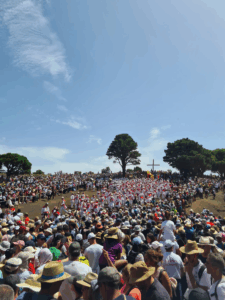
Viele meiner Bekannten sind den langen schwierigen Weg unter Hitze und starkem Sandwind mitgelaufen. Ich wartete in der Kirche auf den Einzug der Hochverehrten. Wir warteten stundenlang auf den Trommelklang, und als die ersten weit entfernten Trommelschläge gehört wurden, war es total still in der Masse, und erst als die Jungfrau in die Kirche reingetragen wurde, riefen sie: VIVA LA VIRGIN. Mich hat das Erlebnis emotional ziemlich bewegt. Ich konnte viele Szenen sehen, wo sich die Tänzer, vollkommen erschöpft, in den Armen lagen, glücklich, dass sie es geschafft hatten. Auch als die ersten Wanderer in der Kirche ankamen , total vermummt wegen der Hitze und dem Sand, wurden sie von den Freunden und Familien fest gedrückt. Ich sah einige mit wunden Füssen, schwarzen Händen und fertigen Gesichtszügen. Ich hatte in der Wartezeit in der Kirche Einige gefragt, warum ihnen die BAJADA (Abstieg der Jungfrau der Könige) so wichtig sei und woher sie kämen. Sie sagten, es sei ein grosses Gemeinschaftsfest, an dem alle teilnehmen, man sitzt mit der Familie zusammen und feiert die Jungfrau, zu der sie für Regen beten. Die meisten kamen aus Venezuela zu ihren Familien, die ausgewandert waren und wieder zurück auf die Insel zogen. El Hierro ist eine Insel mit hoher Migrationsfluktuaktion. El Hierro ist eine Insel, auf der die afrikanischen Flüchtlinge willkommen sind. Die Minderjährigen können hier bleiben, viele leben mittlerweile in Familien. Die neuen Eltern sagen, dass sie so herzlich seien, weil sie sich wünschen, dass, wenn ihre eigenen Kinder mal in Not gerieten und flüchten müssten, genau so herzlich aufgenommen würden. El Hierro nennt sich die Insel mit Seele. Ich erlebe täglich ihr grosses Herz.
Lajla’s summer books
Sebastian Haffner: Abschied
Ich kenne Sebastian Haffner von seinen historischen Büchern. Nun hat sein 86 jähriger Sohn ein Manuskript gefunden und veröffentlicht. Was für eine Freude. Es ist eine Liebeserzählung des jungen Vaters, Sebastian Haffner war da 24 Jahre und verliebt in Paris. Einige junge Deutsche treffen sich in Paris, studieren da und verlieben sich. Haffner kann also auch Liebesgeschichten schreiben. Ich habe das Buch an einem Tag ausgelesen. Haffner baut einen enormen Zeitdruck auf, der minutiös vor dem Abschiednehmen beschrieben wird und die Spannung erhöht. Diese jungen Leute, die zwischen den beiden grossen Kriegen geschildert werden, lebten uns vor, wie frei das Leben sein kann.
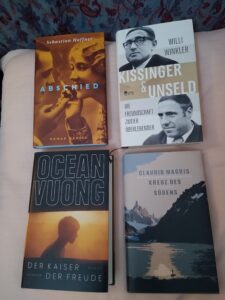
Willi Winkler: Kissinger & Unseld. Die Freundschaft zweier Überlebender
Auch in diesem Buch wird eine berühmte Person von einer anderen Seite beschrieben, die mir nicht bekannt war. Ich wusste nicht, dass Kissinger Professor in Harvard war und jedes Jahr ein Sommerseminar für Intellektuelle abhielt, besonders für Deutsche. In diesem Seminar sass auch Siegfried Unseld, der Nachfolger von Peter Suhrkamp. Es ist interessant zu lesen, wie sich Kissinger den deutschen Schriftstellern, Dichtern, Denkern gegenüber verhält. Er spricht nicht mit ihnen auf Deutsch, obwohl er in Fürth geboren wurde. Die jüngste Diskussion über Unseld, der Nazimitglied war, hat mich nicht sehr beeindruckt, ich verdanke diesem Mann die Hälfte meiner Bildung. Meine Bücherregale waren voll von den farbigen Taschenbüchern aus dem Suhrkamp Verlag. Wie Unseld zu diesem Geschäftsmodell kam, wird spannend in dem Buch dargestellt. Was ich nicht wusste, ist, dass es Hermann Hesse war, der ihn protegiert hat.
Claudio Magris: Kreuz des Südens.
Im Untertitel heisst es, dass es um unwahrscheinliche Geschichten geht. Ich habe als Studentin gerne Bücher von Ethnologen gelesen. Hans Peter Dürr / Traumzeit, Hubert Fichte / Palette oder Hans Jürgen Heinrichs /“ Fremd sind wir in der Fremde“. Jetzt habe ich dieses aussergewöhnliche Buch entdeckt und ein erstes Mal gelesen. Ich lese es noch einmal. Es hat solch einen Reichtum an Gelesenem, ich werde mir die Angaben herausschreiben. In dem Buch geht es um drei Helden, die ans Ende der Welt gehen, um ihrem Leben einen neuen Sinn zu geben. Sie reisen nach Patagonien und Feuerland, legen neue geografische Grenzen fest, beschäftigen sich mit der Sprache und zeigen den Indigenen, wie man auch mit dem Leben umgehen kann. Sie riskieren bisweilen ihr Leben unter den widrigen Kämpfen, die dort stattfinden. Alle drei Helden haben gelebt. Claude Magris ist ein Meistererzähler.
Ocean Vuong: Der Kaiser der Freude
Auf Erden sind wir kurz grandios, diesen schönen Titel hat das erste Buch von Vuong. Ich habe es nicht zu Ende gelesen, es hat mehr und mehr mein Interesse verloren. Nun hat mir meine Buchhändlerin aus Freiburger Studienzeiten das neue Buch so sehr empfohlen, dass ich einen neuen Vuong Anlauf nehmen werde. Das dicke Buch wird mit an Bord sein. Ich mache eine dreitägige Schiffsreise hinüber an die Küste des Lichts. Im Hafen von Cadiz werde ich hoffentlich begeistert sein von diesem Buch.
Suddenly I feel
Wenn man am Ende der Welt lebt und noch den Luxus eines Postboten hat und wenn der dann zweimal klingelt und ein Päckchen abliefert, dann ist man zuhause. Heute kam LUMINAL an, Absender – guess.
Das Cover hat den warmen Gelbton, das Hierro luz. Die ganze CD ist wie auf El Hierro produziert. Die Texte, die Klänge und die Enden der Stücke, die wie die Fussabdrücke in der neuen Welle verschwinden.
My lovely days (HIER!) wurde ja auch hier auf flowy schon viel gelobt. Aber wenn man es hier anhört und auf die Tiefe der Welt sieht und der Musik folgt, die einen in die glücklichsten Tage seines Lebens versetzen kann, dann ist man einfach nur glücklich. Der Song wird für die gestern neubegonnene zweite Jahreshälfte mein warming in/inside Hit sein. Und es wird immer so sein: suddenly I feel….so fine.
Don’t Forget To Dance
„No, no, don’t forget to smile.“ Es ist das Lächeln, das hier auf der Insel etwas rar ist. Eine Woche Thailand wäre ein prima Update diesbezüglich.
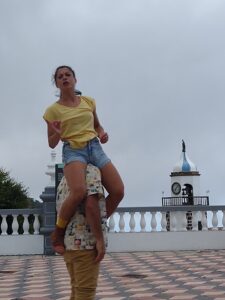
Nun gab es zu meiner grossen Freude als Tanzfan eine dreitägige MOVE Veranstaltung. Die besten Tänzer trafen sich auf El Hierro. Natürlich bin ich als Düsseldorferin von Martin Schläpfer verwöhnt worden. Natürlich ist die fein ausgesuchte Begleitmusik hier nicht erwartbar. Aber, um es vorwegzunehmen, das Festival hatte Augenblicke von seiner Qualität. Mich hat zum Beispiel bei dem ersten Auftritt die Musik so gepackt, dass ich gleich zum Mischpult ging, um zu fragen, ob die Musik von David Sylvain sei. Fast. Der wunderbare Song I FOLLOW RIVERS ist von Silvain Chauveaux. Die Musik rettet das Tanzstück „Von Blütenblatt zu Blütenblatt“.
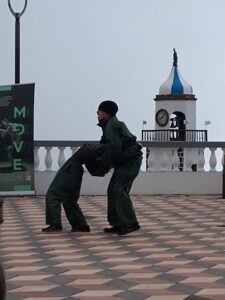
Wie wichtig bzw. attraktiv Requisiten sein sollten, zeigte sich bei diesem Tänzer, Daniel Morales. Eine alte Tasche, gefüllt mit Rosenblättern, reicht nicht aus. Noch augenscheinlicher fiel mir das bei Carmen Marias auf, die mit einem 50er Jahre-Outfit und einem alten Garderobenständer nicht glänzte, aber durchaus eine gute Choreografie zeigte und dein Spannungsbogen von Rückzug und Bühne gut darstellte.
Ganz ohne Requisiten kam die ELELEI Kompanie aus. Mit ihrer lockeren entspannten Art interagierte die Tänzerin von Anbeginn mit dem Publikum. Habt Ihr Robert gesehen, fragte sie und wann. Durch diese Interaktion, die natürlich nur auf solch einem Platz, der grosse Nähe zum Publikum erlaubt, gewann sie sofort meine Aufmerksamkeit. Der Plot ist schnell erzählt. Es geht ums Verlassenwerden, um grosses Leid, das bis zum Erblinden führt. Sie braucht Hilfe, ihr Tanzpartner führt sie bravourös durch die Wirrnis der Welt. Das Stück heisst: BLINDLINGS. Robert, sagt die Tänzerin zuletzt, nach dieser hervorragenden und risikoreichen Performance. Jeder falsche Schritt hätte auf diesem harten Boden Frakturen mitsichgebracht. Die laute Trommelmusik, der dräuende Himmel über dem Tanzplatz vor der schönen Kirche unserer Hauptstadt, all brachte zusätzlich eine dramatische Wucht in die grossartige Vorstellung. Für mich war es die beste Tanzperformance seit langem. Nur eine Handvoll Zuschauer hatten das Glück, diese talentierten Tänzer mitzuerleben. ELELEI. Great.
Auch die nächste Gruppe DANZA TTACK hatte Glück mit dem Wetter, das für eine düstere unheilvolle Atmosphäre sorgte. Gestalten in gummiartigen Anzügen kriechen von ausserhalb des Platzes bei lauter Wassermusik ins Zentrum des Geschehens. An diesem Abend waren wir zehn Zuschauer. Die beiden Tänzer, ein Pärchen, versuchen alles, um sich einander zu nähern. Ihr Tanz ist hart, aggressiv, aber sie erreichen die optimale Harmonie am Ende. Das war ein schweres Stück Arbeit, wie im richtigen Leben. Die Ächzlaute aus den Speakern überhöhten diese Schweissarbeit.
Ein ganz anderes Thema zeigten die beiden Ukrainerinnen am letzten Tanzabend. Sie waren von der Gemeinde eingeladen worden, wie sie mir erzählten. Wegen des Kriegs in der Ukraine leben sie in Polen, dort arbeiten sie als Tanzlehrerinnen und natürlich als Tänzerinnen. Sie treten häufig im TV auf. Hier durften sie in der Kirche tanzen. Ich fragte sie, ob sie Pussy Riots kennen würden, die seien ja auch in Moskau in der Kirche aufgetreten. Sie sagten, sie kennen die nicht oder besser gesagt, sie gaben vor, sie nicht zu kenne, – über Feinde spricht man nicht. Mir hat an ihrer Performance besonders gefallen, dass sie ein aktuelles Thema CHATJPT in ihre Choreografie einbauen.
Die beiden Frauen in feinen Bodys, schwarzen Shorts und schwarzen Seidenkniestrümpfen mit streng gescheiteltem Haar hinter dem Kopf a la Pina Bausch bewegen sich zwar wie Robots, das Weibliche beherrscht aber den Maschinenraum. Zunächst ist ihr Tanz aggressiv, sie schlagen sich, zerschlagen sich, um sich dann wieder zusammenzusetzen. Und diese Umkehrung „Roboter setzt den Menschen wieder zusammen“, ist ihnen sehr gut gelungen. Den Übergang von KI zum Gefühl zeigen sie in der Stagnation des Parallelltanzes. Am Schluss stehen sie engumschlungen und verhalten, erinnert an den gemalten Kuss von Picasso. Und dann lösen sie sich, kommen zu uns und umarmen jeden Einzelnen. Getanzt wurde auf dem Marktplatz . Die Marktfrauen kommen mit Schalen voller Früchte zu den Ukrainerinnen, der Kartoffelbauer, der die Silbiosprache beherrscht, pfeift ihnen einen Willkommensgruss. Besser geht Performance nicht. (L. N.)
canariasjazz.com
My song of the morning: „The Zoological Gardens“ by The Dubliners. Als ich vor 5 Jahren auf El Hierro landete, gab mir Uli Koch (former manafonisto) den Tipp mit: dort gibt es alljährlich im Sommer ein internationales Jazzfestival. Inzwischen gibt es auf allen 8 kanarischen Inseln durchaus vorzeigbare Jazzfestivals.
Bist du auf List
Mach dir ne List
Hast du’s mit Inselgrammar
Hier ein paar wordshämmer
die List
listen
listig
listvoll
Listo Lista Listu
mi ListeDEE DEE Bridgewater Quartet 4.7.25 Teneriffa(US)
Alain Perez y la Orchestra 4.7.25 Gran Canaria(Kuba)
Gonzalo Rubalcaba with Matt Brewer y Eric Harland Gran Canaria(Kuba)
Take 6 y Orchestra Philharmonica(US)
Aimée Nuviola (Kuba)
Vijay Iver Trio (US)
Melissa Aldana Quartet (Chile)
Lakecia Benjamin (US)
Kennedy Administration (US)
Rita Payes (Spain)
Ariel Bringuez Quintet (Kuba)
Kristof Kobylinski (Polen)
Matteo Mancuso (Italien) (da geh ich hin!)
Espen Berg Trio meets Villu Veski (Scandinavia)
Giovane Orchestra( Sizilien)
The Bamboos (Australien)
Arin Keshishi Quintet (Armenien/Iran)
Ellister van der Molen (NL)
Zuco103 (NL)
Dahoud Salim Quintett (NL)
und viele Jazzmusiker von den Kanaren…Ich werde mir Esther Ovejero am 4.7. auf La Graciosa anhören.
VAMOS!