Ritt über die Gezeiten
You can always come back, but you can’t come back all the way
Es ist ein grosses Geschenk, auf einer Insel zu sein, die die 60er/70er Jahre nicht so erlebt haben wie wir Cocacola Kids. Wenn der Künstler Jürgen Klauke sagt, auf Lanzarote ist die Landschaft die Kultur, stimme ich ihm zu. Unsere Kultursozialisation ist eine andere, eine westwärts geprägte. Ich kann mich zum Beispiel in die calles begeben und a la Brinkmann Gedichte an den Ecken laut vortragen. Die street events sind hier vollkommen unbekannt. Ich habe an den Bushaltestellen Plakate aufgehängt und die Bevölkerung eingeladen, doch Gedichte in den endlosen Wartezeiten auf das Papier zu schreiben. Es wurde gut aufgenommen, die Plakate sind engbeschrieben. Ich wollte zweierlei damit bezwecken. Einmal wollte ich herausfinden, ob die Herreños überhaupt Gedichte schätzen und was für Inhalte sie haben, sprich, wie sind siegepolt. Es zeigt sich eine klare Tendenz zum Politischen hin, überhaupt nicht zum Romantischen, das Preisen ihrer schönen Insel überwiegt. Es ist auffallend zu sehen, wie sich die Wartenden mit den Gedichten beschäftigen, sie fotografieren sie ab bzw. unterhalten sich darüber. Ich werde also weiterhin das Geschriebene sammeln und mich dann auf die Strasse begeben und die besten Gedichte laut vortragen. Ich habe noch ein anderes Projekt vor, das ich in einer meiner besuchten europäischen Kulturhauptstädten kennengelernt habe. Dort wurden Schwarzweiss Fotos gezeigt, die die untergegangenen Tanteemmalädchen festgehalten hatten. Hier werden zunehmend kleine Supermärkte von den grossen Haifischen geschluckt. sie heissen jetzt Superdinos. in den abgelegenen Pueblos gibt es kleine Tiendas, in denen man fast alles kaufen kann auch Bocadillos und Cortados, sie haben grossen Charme. Man geht gebückt durch die Eingangstür und sieht sich in dem halbdunklen Sammelsurium um. Joseph Beuys hätte solche Orte als mystisch bezeichnet. Ich werde sie dokumentieren. Meine Inspiration kommt also aus meiner Vergangenheit, die voll von Kulturpaketen ist, aus denen ich jetzt auf dem Lavaisland auspacken kann. (Lajla N.)
News from Makaronesien
Auf der kleinsten kanarischen Insel El Hierro trafen sich jetzt grosse Schaffende von den glücklichen Inseln: Madeira, Azoren, Kapverden. Sie kamen zusammen, um sich über die Lage des Tourismus auf ihren jeweiligen Archipelen auszutauschen. Weil auf diesen atlantischen Meerinseln vorwiegend Portugiesisch gesprochen wird, hatte ich mir ein junges Englisch sprechendes chica organisiert zum Übersetzen.
José Luis Rivero, Wirtschaftswissenschaftler von der Universität La Laguna/Teneriffa moderierte die spannende Runde – claro – auf Spanisch.
Den für mich attraktivsten Auftritt bot Urbano Bettencourt Machado von den Azoren. Er ist Journalist und Schriftsteller, ein anerkannter Intellektueller, der viel für die Musik tut. Seine engagierte These lautet: gegen die Religionen kann nur die Liebe zur Musik als internationale Sprachen antreten. Er berichtete von Philharmonien, also grossen Orchestern, die unterwegs sind und Künstler wie Kurt Weil und Bertold Brecht im Programm haben. Mich fasziniert der Gedanke, dass unsere grosse Kultur bis in die kleinsten Archipele vordringt. Ich fragte ihn, wie es mit dem Jazz aussehe. Er erzählte mir, dass es eine amerikanische Airbase auf den Azoren gebe. Dort gibt es Jazzmusiker, die den an Jazz interessierten Einheimischen die Jazzmusik beibringen. Aber es sei ja klar, dass die afrikanische Musik den grösseren Einfluss habe. Ich fragte ihn auch nach grossen Dichtern auf den Azoren. Er nannte Antero de Quental mit Daten 1842-1891.
Glückselig wer
vorüberging am Weh
Des Lebens und der Leiden-
schaft Getose
Unwissend wie
vorübergeht die Rose
Und flüchtig wie der
Schatten ob der SeeMadeira war vertreten durch den Musiker, Journalist und Schriftsteller Juan Carlos de Abreu. Er verriet mir, dass das nächste Treffen seine grosse Stunde sei, das Thema wäre POESIE.
Javier Morales Febles lehrt als Agraringenieur an den Unis in La Laguna/ Teneriffa und Las Palmas/ Gran Canaria. Ich glaube, er ist unser Vizepräsident, der sehr nah an seinem Inselvolk ist. Wo sieht man schon mal einen Wissenschaftler oder Politiker aktiv bei den lokalen Tänzen ‚mithupfen‘?
Cabo Verde, der afrikanische Inselstaat mitten im Atlantik, erhielt meine grösste Aufmerksamkeit. Ich war sehr neugierig auf den Mann von den Kapverden. Leáo Lopes heisst er. Er ist Filmregisseur, Künstler, Professor, in seiner Zeit als Kultusminister gründete er das Institute of Art an der Universität von Mindalo. Er zeigte kleine touristische Bauprojekte und Märkte mit lokalen Produkten. Im gemeinsamen Gespräch nach seinem Vortrag fragte ich ihn nach interkulturellem Kulturaustausch, ob es Residenzen für Künstler gäbe. Er gab mir für meinen Künstlersohn seine Kontaktadresse.Leáo Lopes hatte zwei Künstler mitgebracht, einen Gitarrenspieler und Sänger und eine Tänzerin. Tiolino y Rosy Timas.
Wie klingt der Sound von den Kapverden? Darauf war ich sehr gespannt. Vollkommen entspannt betrat ein junger hübscher Mann mit seiner Gitarre die Bühne und begann ein langes Lied zu singen. Man konnte ahnen worüber er sang, als die Tänzerin mit um den Bauch gebundenem Ball einen Geburtstanz hinlegte. Sehr graziös vollbrachte sie das Wunderereignis. Aufgrund der Tänze, die alle das Bild der Frau zum Thema hatten, konnte man die Songs gut einordnen. Rosy Timas ist einen begabte Choreografin, die verstand, eine Hausfrau, eine Braut, eine Büroangestellte oder eine verführerische Frivole zu tanzen.Die Rhythmen waren vielfältig : Mazurka, Chachacha hörte ich heraus. Tiolino sang ein Lied von Cesaria Evora, der wohl berühmtesten Sängerin von den Kapverden. Die Beiden bekamen viel Applaus- Ich sah einige Einheimische auf ihren Sitzen tanzen und klatschen zu den afrikanischen Klängen von einer der glücklichen Inseln in Makaronesien. Vamos!
Big Change Is Coming
„Revolutionäre träumen tagsüber. Sie träumen vorwärts und zwar gemeinsam.“
Da kann man nur hoffen, dass die amerikanischen Protestler in diesem Modus sind. Arcade Fire geht das nicht schnell genug. Die kanadische Band klagt in ihrem Song „Generation A“: „I can‘ t wait wait wait wait, I‘ m not a patient man…“ Neil Young, mein „hero forever“, schreitet durch eine verschneite Winterlandschaft mit einem Blockbuster unterm Arm und verkündet laut und stark: „BIG CHANGE IS COMING“. Wir hören täglich die Horrornachrichten aus der untergehenden „free world“. War die mahnende Stimme der Erzbischöfin während einer Messe, in der Trump sass, er solle sich mässigen, die singuläre Aufstandsstimme, die ein bisschen Hoffnung machte? Reichen die Aktionen der entlassenen Ranger des Yosemite Park, die die amerikanische Flagge kopfüber aufhängten? Ist es eine Option, die USA zu verlassen, was Cher überlegt? Ich bin ein Kind der Protestsongs. Viele der Musiker, die damals engagiert waren, leben noch. Alt und müde? Nun ja, sie treten noch auf: Bobby, Bruce, Joan, Joni… Sich still zu verhalten bzw. sich zu weigern, den Namen des Wüterichs in den Mund zu nehmen, reicht nicht. Ich bin gespannt, ob bei der Oscarverleihung heute Nacht Protest- bzw. Solidaritätskundgebungen stattfinden. „MASTERS OF WAR“ hätte Programm sein können. Bob Dylan wäre der Visionär geblieben. Nun heißt der Film über ihn A COMPLETE UNKNOWN. Man darf gespannt sein, ob „Der Brutalist“ gegen den Dichter gewinnt.
Neues von Brad Mehldau
Ein Freund schickte mir Ausschnitte aus dem Buch von Brad Mehldau „Formation – Building A Personal Canon. part 1“. What a pleasure to ready it.
“My first memorable strong connections to music were through the clock radio in my bedroom in Bedford. I got it for Christmas when I was seven years old, and I listened to the hits of that period. As I didn’t have a record player yet – that came a year later – I would hear a particular song, fall for it, then simply wait around until it was played again. I would try to catch it when we were in the car, when I was allowed to sit in the front seat and choose the station. The other place I would hear those songs was coming from the lifeguard’s transistor radio at our public swimming pool, where I spent many days in the summers of 1976-79. I got lost in them. I can still smell the chlorine and feel the hot cement and the warm sun when I hear those songs from that time. I can feel the sweet anticipation in my belly as they begin. I hear them now, and they’re like a good dream I’m recalling. There’s a sad kind of feeling of something that’s gone, but there’s an ache of happy yen all mixed up in it. There’s something that I can never get back, but here’s the thing: maybe I never had it. The first time I heard it, it was already like a dream – it was already beckoning me to somewhere that was better than here. The music showed me that place, but I could never really enter into it. So when I go and try to make music every time, I’m trying to crawl back into that dream. Even though I can’t, echoes of it remain everywhere in this world of action, and experiences add more colors to it, and soften or sharpen the hues that are already there. The dream and reality stand apart, but they’re wrapped into each other at the same time. Music is not so much the gift itself, but the slow, endless unwrapping of it, and a hint of what might be under the wrapping. What lies there is the Absolute: God. He is infinite; I am not. Music is both the expression of my finitude, and its consolation. I walk towards God in an asymptotic line, never quite meeting him directly. Yet there is evidence of this absolute, abiding presence here and now, in the music, every experience that informs that music, and every experience it informs in turn, in a perpetual exchange.” “My first time hearing Coltrane’s music was an initiation, and it was ceremonial, like an Indian sweat lodge. The cabins were hot during the day, and usually we would just stay outside during those hours when the sun peaked and find some shade. But Louis and I went into the cabin, and we shut the door and kept the windows shut. We sweated and listened to the Coltrane Quartet for about half an hour on his cassette player. When we emerged again from the cabin, I was changed. Sometimes music can do that to you. It raised the bar for my expectation as to what music could be. The intensity of the Coltrane was something I chased thereafter as a listener. Later on, when I became a jazz musician, it was the ideal when I played. The idea was to change someone’s perspective – really, to change their life – through your playing. If you failed, and you might fail most of the time, the effort itself was noble. Through my other cabin mate, Joe, who was a piano player like me, a year older, I discovered Jimi Hendrix. We listened in particular to the live album, Band of Gypsys.” “For me, it never felt like we were merely aping those greats as a means to an end. It was a way of moving towards my own sound. And, even if I was aping, it was so much fun. We were having this conversation about the music we loved – by playing it, with all our heart. There was a whole swath of us piano players who were trying to play like Wynton Kelly, the great hard bop pianist who graced so many important records of that era. Sometimes, someone would simply play a whole stretch of one of his solos, transcribed from a beloved record. Normally, that kind of thing would be frowned on, because it went against the principle of improvisation but, here, the fellow piano players who knew the solo as well would give assent and nod in approval. I did this with several choruses of Wynton Kelly’s solo on „No Blues“ from the Wynton Kelly Trio/Wes Montgomery record Smokin‘ at the Half Note. I still quote from that solo regularly. It’s a bedrock of joyous swing, melody and badassed fire all at once. Ditto pianist Bobby Timmons’s solo on „Spontaneous Combustion“ from The Cannonball Adderley Quintet in San Francisco. I wouldn’t be who I am without those solos. We pianists wanted Wynton Kelly’s crisp articulation but, more urgently, his feel. Your „feel““ in jazz parlance, means the way you sit in the swinging rhythmic pulse of the music, or you could say, where you sit, which part of the beat you lean into: the front end, the back end, somewhere in between, or maybe a shifting mixture of all of the above. Kelly laid in the back of the beat, and the way he swung was completely unique, and remains so in spite of being imitated by many. I can’t hear where he got that feel – I think it was something elemental in him – but you hear lots of pianists who grabbed onto it. Just listen to Herbie Hancock on his early Blue Note records, like Takin‘ Off. Kelly’s comping was influential on Herbie as well. People think of Wynton Kelly as an „inside“ player, but he was the first piano player in the small-group jazz setting to comp in a way that wasn’t part of the rhythm section grid. He paved the way for the more interactive comping that Herbie Hancock and others would take up after him – jabbing and interspersing stuff between the soloists‘ phrases, adding punctuation marks. It’s a common understanding that Miles called Wynton Kelly in for „Freddie Freeloader“ on Kind of Blue because he wanted something for that tune that was Blacker – bluesier and more swinging – than what Bill Evans could supply. That may be true, but it’s a backhanded diss to Kelly, because his comping was every bit as subtle as that of Bill Evans. Wynton Kelly dotted his eighth notes quite strongly, and in his own hands the effect was exhilarating; it has that joyous tension and relaxation all at once. It makes you want to move, and if you don’t dance outright some part of your body will be squirming happily. Yet in someone else’s hands that unabashedly and more often than his own model, Bud Powell. He often did that right in the middle of a pretty ballad and made it work, like on „If You Could See Me Now“ from Wes Montgomery’s Smokin‘ at the Half Note. It was never trite. Herbie, being Herbie, was able to fold Kelly’s influence into his own con-ception, which was already showing itself on Takin‘ Of. Many players, though, go for Kelly’s thing and it doesn’t work. It’s the sound of a relaxedness that no one else wants – like a guy who wears a muscle shirt when he’s a little too overweight to pull it off, and his tits stand out. This kind of unwelcome let-it-all-hang-out feel is a common jazz virus. The other problem is when you’ve got Kelly’s spirit well enough but you’re simply not as strong rhythmically, your touch is too soft, or your articulation not as crisp. It’s a flabby kind of playing Jazz fans and musicians alike complain about the „tightness“ of someone’s swing feel. Tight playing is certainly a phenomenon, but I don’t believe it’s due to some incurable lack of hipness, lack of sexual experience, or any of the other clichés one hears. Rigidity of swing is often rooted in lack of self-assurance. That may come from lack of experience and, further, a lack of proper technique. Technique gives one self-assurance because it provides physical relaxation. If you look at a tight player, you’ll usually see it in their body language. In any case, I started out corny and tight, and became less so as I gained technique and, with it, relaxation.” “When Wynton [Marsalis] played, it sounded like he knew what he wanted me to hear. It played well into his mission to teach listeners about jazz. That didacticism in the music itself was not available to me; in any case, I did not pursue it. It wasn’t that I didn’t care what the audience thought. Rather, the music unfolded in such a way that I only knew what I played after it happened. I couldn’t lead the audience anymore than to say: go out on a limb with me and let’s see where this goes. In some of the musicians I loved the most, there was also a feeling that they didn’t know where they would wind up, and that it might all just fall apart at any moment. In fact, my favorite moments were often when the canvas cracked and splintered, and the imperfection rose to the surface. There it was: the bare-assed exposure of a musician’s disfigured, true self. Yet that was no simple failure. It was the ambergris in the perfume, the smelly human underbelly beneath the handsome torso. It made the beauty more compelling. Vulnerability was not a virtue in itself. If someone always conveyed it, it became as insufferable as ceaseless impenetrability. Yet it could invite a listener towards self-forgiveness. Redemption-through-error was part and parcel of the improvisatory aesthetic itself. Beauty was indeed on display in the finished product, but just the endeavor to make beauty, to push past your own handicapped frailty, had beauty. I could lay my chips on that logic because it seemed to come from a primal, shared experience: When you were young, you had an aspiration. But then you damaged or broke something in your naive ignorance, for all to see. Someone showed you mercy, though, because that person had once shared your aspiration – they empathized with you – and you had dared to try. Your own failed effort was not only forgiven but it was preserved in the redemption. In musical terms, that meant that, if you fell on your ass on the bandstand in the search for beauty, it wasn’t necessarily a negative in the long run. I found that vulnerable feeling in musicians like Billie Holiday, Lester Young, Booker Little, Wayne Shorter, Chet Baker, and of course Miles. „The Buzzard Song,“ the opening track of Porgy and Bess, Miles’s collaboration with arranger Gil Evans playing the music from Gershwin’s opera, is a strong example. He delivers the opening doleful melody with such hesitancy. It’s so intimate because he has no defensive armor; his playing has this beautiful uncertainty to it. There is a risk in that kind of playing – what if you get burnt, what if you get laughed at? Here, I’m speaking mostly of a masculine phenomenon. As crazy as it sounds, when I arrived in New York, a lot of male aspirants like myself, depending on what they were bringing already from their background, shied away from ballads for that reason. Miles made it okay for other male musicians to show their ass and not just wag their dick. He was a model they benefited from, because he gave them a safe space for what was already inside of them. Listen to trumpeter Kenny Dorham’s plaintive solo on „Escapade“ his own masterful composition on Joe Henderson’s. Blue Note date, Our Thing. You hear doubt and foreboding even as hope tries to push through. When I hear playing like that, I experience kinship. Being vulnerable in the music, versus directly communicating it to someone else through words or actions, was appealing for me. My Cain was different, and maybe that was cool to a degree, but he was also secretly unsure. that lack of self-assurance was repellent to me in its outward manifestation socially, and inwardly in the self-loathing monologue going on between my ears. Yet, when I could express vulnerability in music in addition to the confidence that was already there, it gave me a more integrated version of Cain. On the one hand, there was the guy saying, „‚ve been cast out and I’m not sure who I am. But there was also the guy saying, „This is me – I’m going to pull you over into my tribe: just wait.“ I was both when I played, even if I couldn’t be anytime else. Miles showed the way. When „The Buzzard Song“ breaks into swing after the opening melody, he is unstoppably self-assured. He’s flipped the script. It’s all the more badassed because we already know who he is on the inside. He catches us off guard. His self-assurance is so much more interesting because we know it’s not all there is to him. It’s also a surmounting- he is the victor over his own doubt. The doubt he initially expressed becomes more compelling retroactively because we see it was a strong person who doubted. There is still a sense of foreboding, interlaid within the strength. This deep irony on the emotional level was only achievable by him through initially conveying weakness. That kind of expression was sexual for me when I heard it, sexuality sublimated in music. It was about showing something personal, passively, and then taking charge – all within one performance. I’m not sure if anyone will pull that off again like Miles. Vulnerably uncertain is not the only way to sound, especially not for trumpet players. Thank God that Freddie Hubbard was Freddie Hubbard through and through. The trumpet can swagger like nothing else. Still, something magic happens when that swagger is tempered by uncertainty. The rub between the two is what makes trumpeter Lee Morgan’s music timeless – Lee Morgan, the perfect jazz musician, if there ever was one. The blues was in everything he did, his rhythmic phrasing was always interesting and never locked in a grid. He had more swagger than just about anyone.” “It was the unspoken subject of the music. I don’t mean finitude of musical ideas. I mean finitude as our existential condition. Beauty is beauty because beauty is temporary, and beauty is temporary because we are temporary. Our mortality is the birthright that angels can never possess. To seek beauty was to seek an affirmation of life, even as you knew it wouldn’t last.” “Barry Harris was a model not just because of his mastery of a particular musical language, but because his melodic phrasing was so free within that language. Pianist Tommy Flanagan exemplified that as well. I was fortunate to hear Tommy several times in New York. His, dising in the latter years of his caret had reached a peak level of refinement, distilled in a beautiful trio setting with basist George Mraz and great trio drummers like Al Foster or Kenny Washington. There was always all this room in the music, room to breathe. To some, Barry and Tommy may have seemed bent on preserving a style that had passed, but that wasn’t true at all. By the time we arrived in New York, they had achieved poetic justice, if you had ears to hear. Bebop, as it was written on walls in the East Village, really was the „music of the future. Barry, far from being a throwback, was a Futurist for us. Barry’s teaching style was solidly didactic, but it was more compelling for us at that point than the frontal assault that Wynton was heralding uptown. Wynton advocated a return to authenticity, critiquing the development of jazz, as it began to draw outside influences like rock’n’roll into its expression. it was a global critique, in broad brushstrokes. Yet his music seemed no freer as a result. As vital and influential as Wynton was during that time, his music did not convey the mixture of looseness and profundity of any number of older musicians on the scene then. We wanted something we called „between the cracks.“ Barry and others had it. „Free“ had nothing to do with atonality or lack of structure. It was a feeling, not a dictum. It was either there in the music or it wasn’t.” “Like all those kinds of designations, Americana was a term that appeared after the music had already come into being. It was a sound you could hear already in Charlie’s contribution on Keith Jarrett’s 1975 ECM record Arbour Zena, and I got a little taste of it a few years later when I played and recorded with Charlie on his album American Dreams – you can hear it strongly on the opening title track. The way I would describe Americana is that whatever it reminds you of depends on music you already knew, the common link being a North American source (thus including great Canadian artists like Neil Young, most of the members of The Band, and Joni Mitchell). For me, the sound of „American Dreams“ – the harmony, the spaciousness – was connected to Aaron Copland in a piece like Appalachian Spring. Ironically or not, a lot of the Americana music I discovered in my Bildung was released by a European producer, Manfred Eicher, on his ECM label. It may have confirmed the truism that one sometimes sees what is special about a culture when looking at it from a distance. In any case, we can all thank Manfred for documenting so much great music. Another musician who influenced me greatly was Keith Jarrett, and, while I hesitate to assign genres, no matter how pliable, to any of these great figures, Keith’s solo output spoke to me in a similar way. The first record I heard from him was the triple-LP set Bremen/Lausanne. It was a birthday gift I received from Dylan, of all people, that last summer of our tumultuous friendship, and it immediately changed my take on what was possible in music, in the same way that the Coltrane with Louis in Merrywood had the previous summer. I had heard a fair amount of jazz by that time, but this was something different. I initially connected Keith’s solo output on records like Bremen/Lausanne, Staircase, and The Köln Concert(…) There were all these lines you could draw between artists who were on the face of it very different in their designs, but the thread was emotional, and the emotion was often something like nostalgia, home and hearth, melancholy at times but, under all of that, quiet, abiding joy. It was like some kind of unspoken secret they were telling me about myself, and about whom I could become as a pianist, whether it was the sturdy weaving of George Winston, the busking arpeggios of Billy Joel, the wistful boogie-woogie of Guaraldi’s „Linus and Lucy, or the exalted vistas that Keith Jarrett reached. I remember that, after I had been listening to the first side of Bremen/Lausanne for weeks, one evening I sat down to play on our Sohmer spinet in West Hartford, and something came out of me that was inspired by Keith’s playing, something that seemed to have come from nowhere in terms of preparing for it in any way. It had that feeling of time traves got from the fantasy and science fiction I was reading – that large, endless scope – because what Keith inaugurated in those solo recordings was improvised music on an epic scale: music from one person alone that journeyed widely in one sitting, full of turmoil, joy, and mystery. It was a powerful experience, and I would meet it again a couple decades later at the beginning of my thirties, when I began to speak my own solo voice. Solo piano for me has always been just that – solo- in terms of a certain courage one must have to make a solitary improvisatory journey, with no companions. That is both its romance and its challenge.” “With Pat, the sublime was just as much a physical feeling. As his solo continued, I had the sensation of something overpowering welling up in my stomach and then emanating outwards towards my heart and through my whole body. I experienced that same welling years later when our first child was born, and I was there to see it. On that solo, Pat ran his guitar through a Roland GR-300 guitar synthesizer, and the wailing sound he got was like nothing else. It pushed its way immediately to the front of the top ten of my air-guitaring list, in a tie for first place with Hendrix’s „Machine Gun.“ … EXCERPTS FROM BRAD MEHLDAU’S NEW BOOK OF REFLECTIONS ON BEING AN ARTIST
Heroes never die
In dem Sonderheft vom RollingStone erschien im Januar eine Liste der besten Gitarristen. Weil meine Gitarrenheroes schlecht dabei wegkamen, erklärte ich mich nicht beleidigt wie damals Prince, der nicht berücksichtigt war. Ob es eine Bestsellerliste ist oder ob es eine Bestenflussreichste Liste ist, zeigte sich später bei Prince, der etwas später ganz vorne lag. Jedenfalls sind für mich Jimi Hendrix, Duane Allman, Keith Richards, Pete Townsend, Mark Knopfler und Joni Mitchell hervorragende Gitarristen.
Wenn mir ein Gitarrist verklickern wollte, dass er- Barbie mässig – mich erobern wolle, dass er nur für mich singt und spielt fände ich das charmant, würde ihm aber dafür nicht mein Hab und Gut überlassen. Das nennt man scammen. Hier auf der Insel lebt eine Frau die auf einen Scammer reingefallen ist. Sie hat ihm ihre Finca überschrieben und weg war der Schurke.
Martina Hefter hat über dieses Thema ein Buch geschrieben Hey guten Morgen wie geht es dir?lautet der Titel. Es ist – um genreübergreifend zu bestsellern – mit dem deutschen Buchpreis 2024 ausgezeichnet worden. Ich mag Bücher,die aktuelle Themen aufgreifen,hier wird also der Umgang mit LoveScammern thematisiert. Das Spiel mit der Wahrheit gegen die Lüge liest sich so gut wie ein spannendes Fußballspiel.
Es käme nicht ganz zuvorderst auf meiner Bestsellerliste, da steht schon eine Weile ein Buch,das meine philosophischen Heroes beschreibt : Paul Feyerabend,Susan Sontag,Adorno. Die Geister der Gegenwart. So heißt auch das Buch von Wolfram Eilenberger.
Fly me to the moon, let me play among the stars.
Bei den diesjährigen GRAMMYs fand ein Clip mit einem hinreißenden Auftritt von Cynthia Erivo meine Aufmerksamkeit. Die sehr emotionale Performance dieser exklusiven Sängerin war eine Hommage an Quincy Jones, der im vergangenen Jahr verstorben ist. Erivo wurde von dem 77 jährigen Herbie Hancock am Klavier begleitet. What a joy to listen to such a great voice and musican . Das Original “ Fly me to the moon“ wurde von Bart Howard verfasst. Frank Sinatra sang eine Swing Version, die Quincy Jones arrangiert hatte. Es war in der Zeit, als Apollo zum Mond geschickt wurde. Cynthia Erivo sang sie als Erinnerung an Quincy Jones. Just great.
Die big glammour Show hat ja doch zwischendrin hõrenswert Verstecktes von höchster Qualität. Man muss es nur entdecken. Wer den großartigen Clip noch nicht gesehen hat, findet ihn ziemlich weit hinten auf HTTPS://live.grammy.com
Der Zusammenhalt. Ein Alpenmärchen
In jedem Erwachsenen lebt noch das Kind
Manga wusste nicht, wie sie in die ihr vollkommen ungewohnte und fremde Gegend geraten war.
Sie war an einem schneebedeckten Berghang aufgewacht.Als sie sich aufrichtete und umhersah, entdeckte sie auf der gegenüberliegenden
einen Wolf- Er stand da mit gefletschten Zähnen- Sie rief blinzelt hinüber: Hey Wolf, Rotkäppchen war schon.
Er knirschte über den Grat: Du hast so schöne breite Wangen, zum Reinbeissen schön- Manga kullerte ihre Augen rund um die Stirn ,
klimperte heftig mit einem verführerischen Augenaufschlag: Ach weisst du, die Welt ist so ohne Hoffnung, lass uns wenigstens zusammenhalten in der verheerenden Lage.
Der Wolf hatte ihr sitzend zugehört. Langsam erhob er sich und sprang mit einem galanten Riesensatz hinüber zu ihr. Wow, staunte das Mädchen,
Das kann ich nicht. Ich kann dafür singen und tanzen, das werde ich dir bei Gelegenheit beweisen.
Sie liefen gemeinsam den Berg hinauf. Oben angekommen sahen sie weit und breit nur Berge. Kein Haus, kein Licht, nichts-
Was werden wir essen, fragte das Mangamädchen. Lass mich dafür sorgen, mit mir wirst du nicht verhungern..
Sie hätte den Wolf am liebsten getätschelt. Wo werden wir schlafen. Überall gibt es Felsvorsprünge dafür.
Weisst du, ich weiss garnicht wie ich hierherkam. Bei mir zuhause blühen die Kirschbäume auf grünen Wiesen.
Es ist bestimmt schön dort, woher du kommst.Aber dort bin ich nicht, ich bin ja hier mit dir, wir sind zu zweit, das ist doch auch schön.
Ja stimmt, aber hier ist es so kalt. Ich werde dafür sorgen, dass du immer warm hast.. Manga lächelte ihn an: du bist so liebevoll.
Ach weisst du, ein böser Wolf war schon. Ich gebe mir Mühe der Welt zu zeigen, dass es auch anders geht.Soll heissen, der Welt etwas Bleibendes zu geben:
Es soll mal erzählt werden: da lebte ein Wolf in der Bergwelt, der bis zu seinem Ende liebevoll zu einem fremden Mädchen war.
Und wenn sie nicht gestorben sind, dann leben sie noch heute.
Der Neubeginn
Sie betrat den neuen Ort, wo sich die Häuser aneinander schmiegten wie die Kühe auf einer sommerlich kargen Weide, unter dem einzigen schattenspendenden Baum. Mit der Höhenluft hatte sie keine Probleme, eher mit der Kälte und den glatten Wegen. Letzte Nacht hatte es minus 10 Grad, sie war froh, dass ihr Herz nicht eingefroren war. Sie hatte den anderen Ort verlassen, weil ihr die Menschen dort lieblos, achtlos und unfreundlich vorkamen. Es gab eine Ausnahme, eine Jugendbuchschriftstellerin hatte sich zunächst als freundschaftstauglich erwiesen, was sie dazu veranlasste, länger an diesem Ort zu bleiben. Dieser Trugschluss wäre ihr fast zum Verhängnis geworden. Das Hinübergehen zu dem anderen Ort war zwingend. Schnell entdeckte sie durch das Staunen über die beeindruckende Naturlandschaft neue Lebensblicke. Die bizarre Bergwelt war eigentlich nicht ihre auserwählte Landschaftsform, das ewige Hoch- und Hinunteruntergehen empfand sie als Stagnation. Dagegen bot der weite Ozean mehr Raum für ihre abzuladene Welt. Trotzdem spürte sie die magische Anziehungskraft der tiefen Bergseen, die Miniaturen ihrer gewohnten Lebenswelt darstellten. Es gab einen Maler, Ferdinand Hodler, der ihre beiden Formationen grossartig und vor allem künstlerisch tröstend verbinden konnte. Als die Gondel sie einlud, den Gipfelkranz aus der Höhe andächtig zu betrachten, spürte sie, dass sich stets in jedem Neubeginn , trotz kleinerer Verwerfungen, eine solide, feste Form findet..
Für das Neue Jahr alles Gute.
Nikolauswünsche von Lajla:
01. Alles von Jackson Browne
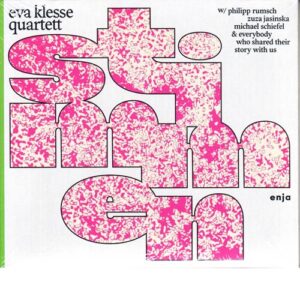
02. Eva Klesse Quartett, Stimmen
03. Reba Mc Intyre, Consider me gone
04. Lainey Wilson, Country ist cool again
05. Carrie Underwood, Before the Cheats
06. Miranda Lambert, I ain’t in Kansas City anymore
07. Willie Nelson, Last leaf in the tree.
08. Einstuerzende Neubauten, Rampen
09. Jeff Parker, The way out of easy
10. Und immer Anton Bruckner, Te DeumLajlas Büchertipps für den langen Winter
1. Paolo Cognetti: Unten im Tal
Wer Paolo noch nicht kennt, sollte ihn sich einmal vornehmen. Acht Berge hiess der Roman, den ich verschlang und der mir den Namen Cognetti für immer in mein Lesehirn meisselte. Er liebt die Einsamkeit der Bergwelt, dort lebt er, von dort bricht er auf, darüber erzählt er. Er findet einen Wortschatz für Naturbeschreibungen, die ich so noch nicht gelesen habe. Es ist eine einfache, kontrastreiche Prosa, in die er Menschen erzählt lässt, die unterschiedlich nicht sein könnten. Unten im Tal ist eine Anlehnung an Kain und Abel, es geht also um zwei Brüder.
2. Baptiste Morizot: Philosophie der Wildnis – oder – Die Kunst vom Weg abzukommen
Baptiste Morisot ist ein junger französischer Philosoph, der zu meinen Neuentdeckungen gehört. Da traut sich einer, nicht den Weg als Ziel zu erklären bzw. nach Markierungen zu wandern. Er verlässt bewusst die Pfade, um in den Unwegbarkeiten der Natur hinter die Geheimnisse zu schauen. „Eingewaldet“ will er die Ordnung der Welt neu bereichern.

3. Sybil Gräfin Schönfeld: Kochbuch für die kleine alte Frau
Sie ist nicht zu verwechseln mit der ehemaligen DIE ZEIT Herausgeberin Marion Gräfin Dönhoff, aber auch Gräfin Schönfeld schrieb für das Magazin, allerdings nur immer zum Thema Essen und Trinken. Das schmale, sehr fein erzählte Kochbuch, ist etwas für Single-Haushalte, aber nicht nur. Wer in den precious Topf hineinschauen will, wird mit leckeren Rezepten überrascht. In der Erzählung „First taste of Paradise“ gibt sie das Rezept von „Astrids Apfelkuchen“ preis:
In einer grossen Pfanne lässt man 350gr Semmelbrösel, 150gr Butter, 100 gr Zucker und eine Prise Salz unter ständigem Rühren blond werden, würzt mit einer Prise Zimt und nimmt die Pfanne sofort vom Herd, weil der Pfannenboden nachheizt, sodass die Mischung zu dunkel werden könnte.Die Hälfte der Zuckerbrösel in die gut gefettete Kuchenform füllen, glatt streichen, mit einer Lage sehr festem Apfelmus bedecken und auf der die restlichen Butterbröselmischung verteilen. In den auf 200 Grad vorgeheizten Ofen schieben und etwas 20 Minuten backen. Dazu am besten Vanillesauce.
4. Florian Schroeder: Unter Wahnsinnigen. Warum wir das Böse brauchen
Ich kenne und schätze Florian Schroeder als Kabarettist. Ob er auch als Philosoph durchgeht, kann ich noch nicht beurteilen. Ich habe gerade begonnen, das Buch zu lesen, es ist schmunzelreich, das bekommt man auch selten in der Literatur geboten.