Beth, Jessica & Julia
Nun ist es endlich soweit, am Freitag erscheint mein Album des Jahres, Beth Gibbons‘ „Lives Outgrown“. Und da alle Wahrnehmung voller Filter ist und nichts mit den Dingen und Klängen an sich zu tun hat, mag jeder seinen eigenen Reim zu meiner Begeisterung finden. Oder kühne Gegenrede. Es geht mir auch nicht um Superlative, wenn ich hier mit meiner Pflegetochter im morgenkühlen Wartezimmer hocke und wir auf eine sanfte Therapie ihrer Sonnenallergie hoffen (obwohl sie aus Afghanistan kommt, 17 Lenze jung ist, liebt sie schon ein, zwei Alben von Keith Jarrett und Lee Perry, und das ohne pädagogische Tricks). Es geht um die Wucht, mit der mich Musik erreicht, und in dieser Hinsicht bilden auch die beiden Alben von Jessica Pratt und Julia Holter („Here In The Room She Moves“) kein Spalier für eine Meisterin aus England, sondern liefern seelenverwandte Kraft, eine Tiefe voller Abgründe, und Finesse jenseits des Geläufigen.
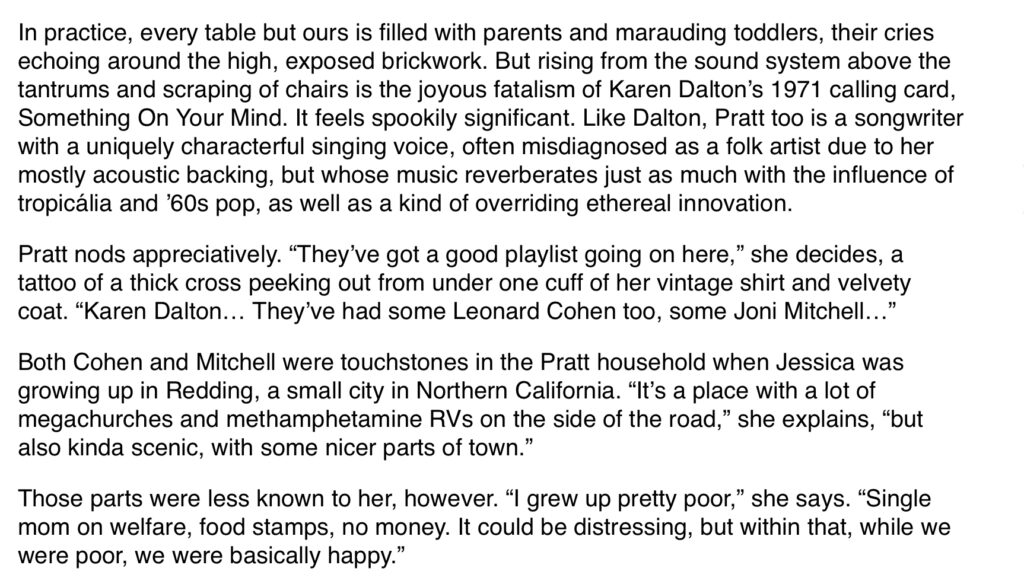
Die Juli-Ausgabe von Mojo erreichte mich heute morgen, und ich freue mich auf die Lektüre von Ted Kesslers Begegnung. Man kann ein Interview kaum trefflicher ankündigen als in den ganz oben als Screenshot angegbildeten Zeilen. „Are you ready for the singer-songwriter who finds Leonard Cohen upbeat?“ Wunderbar. So aussergewöhnlich die Klangfelder der Arbeiten von Julia und Beth sind (und Olaf und ich hatten das Vergnügen, mit beiden Alben schon eine Weile zu leben, und auf einem Blog, der absichtlich unter dem Radar existiert, die ersten Besprechungen netzweltweit zu verfassen), so sehr mag das flüchtige Hören von Jessicas „Here In The Pitch“ Stirnrunzeln provozieren und die Frage nahelegen: „was ist denn hier bitteschön das So-Besondere, in diesem Zeitlupenpastell, alten Zeiten abgelauscht?!“ Allein, manche Hörerin wird schon beim ersten Mal spüren, dass die stille Wucht, die diese erstmal seltsam verhuscht wirkenden Songs entfalten, nicht auf einen schnellen Spruch warten, oder griffige Analyse. Der magische Faktor X rauscht halt mitunter noch duch das allerfeinste Sieb unserer einordnenden, rubrizierenden Sprache. Bleibt die Poesie! Bleibt die Sprachlosigkeit! Bleibt das Gespräch, das voller Stories ist und das Unaussprechliche voller Anmutungen und Witz umkreist! (m.e.)
A good reason to travel to Kristiansand in early September
Punkt is thrilled to announce its 20th edition, taking place from September 5th to 7th. This year, the Punkt Festival not only commemorates two decades of groundbreaking performances and the unique Live Remix concept, but also ushers in a new era of musical exploration and creativity. (see blogroll)
Founded in 2005 by musicians and producers Jan Bang and Erik Honoré, Punkt has consistently pushed the boundaries of music, art, and technology. The festival’s signature Live Remix concept invites artists to immediately reinterpret live performances, offering audiences an unprecedented layer of creativity and spontaneity. This innovative approach has not only defined Punkt’s identity, but has also fostered a culture of experimentation and collaboration among an organically growing network of artists. Over the past two decades, this relatively small festival has hosted a remarkable array of musical talent, including luminaries like Brian Eno, Laurie Anderson, and David Sylvian.
Highlighting this special edition, Nils Petter Molvær, a pioneer in the fusion of jazz and electronic music, is honored as the Artist in Residence. Molvær’s participation promises an unforgettable performance of his seminal album „Khmer“, alongside an anticipated duo concert with the visionary Alva Noto, marking their first collaboration in this format, and a Live Remix with Iranian born, Amsterdam based violinist and kamancheh player Soheil Shayesteh.
The festival’s commitment to the nurturing of new talent is evidenced by the premiere of works by Michaela Antalová and the duo Propan (Natali Abrahamsen Garner / Ina Sagstuen). Additionally, album releases by Bjørn Charles Dreyer and Erik Honoré will be featured, alongside the celebration of Arve Henriksen’s groundbreaking album „Chiaroscuro“ where the acclaimed trumpeter is joined by Jan Bang and Audun Kleive, and performances by the Eyolf Dale Trio and Julien Desprez’s Abacaxi, each adding their unique voice to the festival’s diverse and rich tapestry.
The Live Remixes will once again transform the Main Stage concerts immediately after they are over. This year the live remixers include Arve Henriksen, Erik Honoré, Molvær/Shayesteh, and more to be announced later.
Integral to the festival’s ethos, the Punkt Seminar, curated and hosted by David Toop, promises to foster an engaging discourse on the intersections of music, technology, and art. The Seminar is a part of Punkt’s collaboration with CreaTeME, the University of Agder’s Centre for
Excellence in Creative Use of Technologies in Music Education. Besides the Thursday and Friday daytime seminars, Thursday evening is also a result of this collaboration, featuring concerts by the remote-performance project Love Your Latency, composer/modular synthesist Egil Kalman, and the aforementioned duo premiere by Nils Petter Molvær / Alva Noto.
As we step into the 20th edition of the Punkt Festival, we celebrate a history rich with artistic innovation and look forward to a future where music continues to challenge, inspire, and connect us in unforeseen ways. Join us in Kristiansand for a festival that transcends the traditional boundaries of music and art!
Music for another blue hour
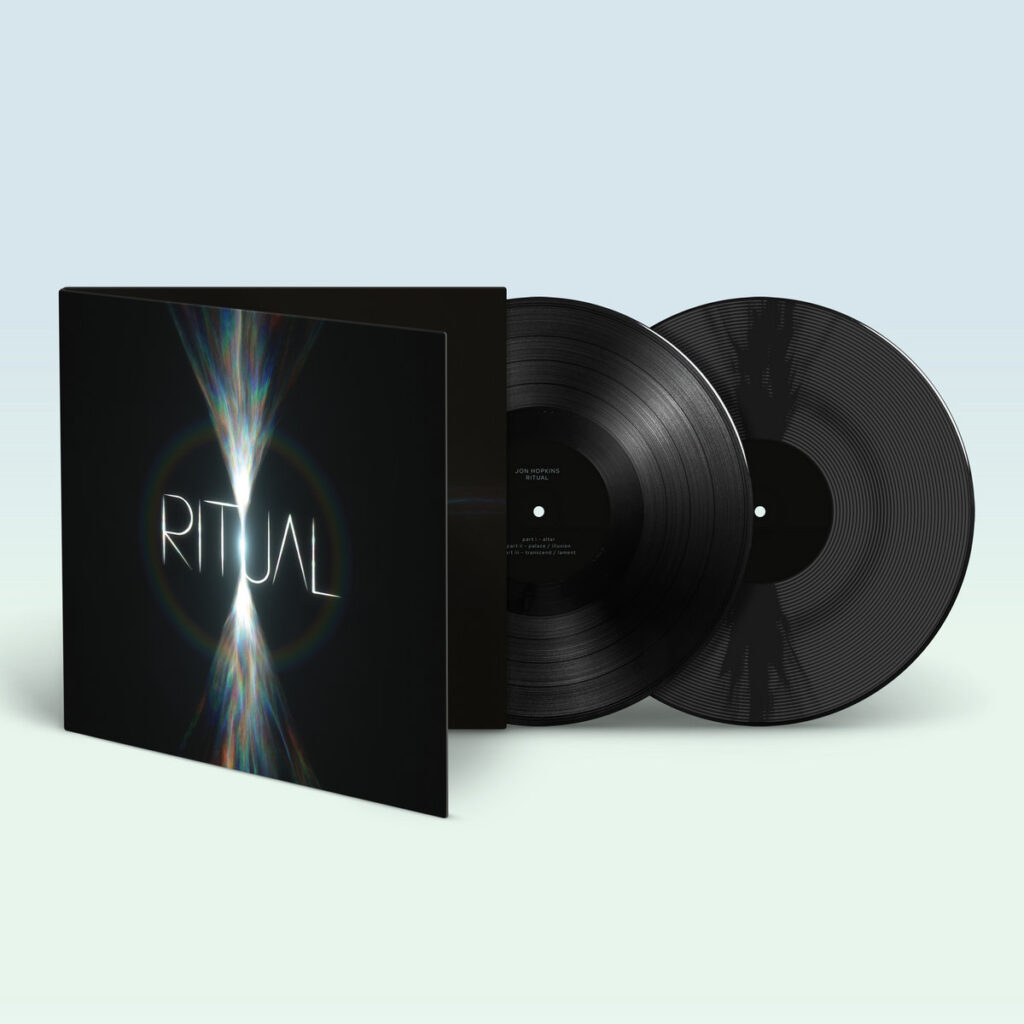
I am dreaming about an hour of music with a collection of female voices, coming from three new and excellent records. I am speaking of Jessica Pratt, Beth Gibbons (Lives Outgrown will be my album of the year, no doubts) and Julia Holter, interspersed by the right amount of instrumental music coming from artists like Pan American, Shabaka, Erik Honoré (hoping for a world premiere of his forthcomin album) Adam Wiltzie and that „psychedelic record“ from a psychotherapist living in Brooklyn (Jon Hopkins’ „Ritual“ might be a great choice, too, but will only arrive on August 30). The sequence is convincing by now, but as this hour of „my Klanghorizonte“ in July is already quite crowded (short to overflowing), the big question arises: will there be any other stuff (to be released in the weeks to come) with pure magic, and how will that affect (even undermine) the sequence in mind. I am only looking for instrumental music, and skip that wonderful new Eno song, the forthcoming Cale album, Einstürzende Neubauten and Sam Beam‘s fine song cycle. Why? It will be a blue hour of female voices only, and the instrumental pieces just have to live up to them in terms of excellence, and stylistic diversity. May you discover some for July 26 (Oded Tzur, Fire! Trio, and Wadada Leo Smith are already „booked“ for my edition of JazzFacts in early July)… another self-imposed rule (of the moment) is to leave out ancient works (no Can, no American Analog Set, no Toumani Diabate, no ECM „Luminessence“ series). Kindest regards from a flowworker!
Die Angst des Tormanns beim Elfmeter
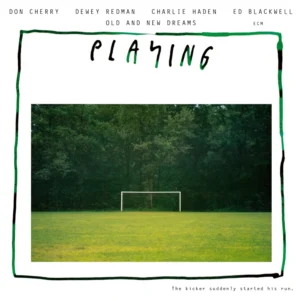
- Demnächst in diesem Theater eine Erinnerung an diese mir sehr viel bedeutende Schallplatte des Quartetts Old And New Dreams, aus der Zeit zwischen dem Ende der Siebziger und dem Beginn der Achtziger Jahre (s. Cover)
- Und eine Art von Besprechung eines Dokumentarfilms, der ein Jahrzehnt zuvor, 1970, in den Kinos zu sehen war, und das Ende der Beatles einfing, für viele ein viel zu trauriger Anlass, sich das damals anzutun. „Let It Be“ nun auf Disney+
- Sowie ein fantastisches Dub / Reggae-Doppelalbum, das in die zweite Hälfte der Siebziger Jahre reist, und auch notorische CD-Verächter ins Grübeln bringen könnte (so gut ist diese Edition)
- Der Trip in die wilden Siebziger wird „vollendet“ mit meiner Story zu einem Album, das am 1. Oktober 1975 erschien und bewies, dass es auch nach Hendrix noch Power-Trios der besonderen Art geben sollte.
„we have sea lions“
Melanie: You know that thing, the idea that we’re supposed to slow down, pay attention to things?
Sugar: Mm-hm.
Melanie: You know, we slow down, we put down our phones, maybe we see the world as beautiful?
Sugar: Yeah. Stop and smell the roses.
Melanie: Might be the opposite.
Sugar: What do you mean?
Melanie: Might be the reason we don’t look is because it’s all so sad and ugly.
Sugar: Yeah, but not everything. We have sea lions, Patti Smith, Cyprus trees. The sound of your little sister laughing after having fun.You never know
You could make gray, call it gold
Let it fool your eyes
You could make rain and let it have your life
Being green grass, any little wind
Begs you for a dance
You could say love ‚til it lastsYou could make good, there’s a lot of ways
With nowhere left to go
Let it be the song on your little radio
You could make light, be the silly word
Sitting on a tongue
You could make nice or beat a drumDon’t you wanna know how far you’re gonna go
Fickle as tomorrow talking to a wind chime
Folding your hands, empty as glass
Waiting to breakDon’t you wanna know how close you’re gonna get
Kissing like people stepping on flowers
Wishing on the stars empty as glass
Waiting to breakYou could have a heart ‚til it’s pouring out
If it’s in your blood
You could make waves and then you better run
Being black cloud, there’s a lot to say
And so much room to grow
You could make rain, you never knowYou could make gray, call it gold
Let it fool your eyes
Follow any wave crashing down to size
You could be wrong, don’t you wanna know
Deep into the night
Like a little stone thrown across ice
Mit diesen Versen beginnt der erste Song der exzellenten neuen Lp / Cd „Light Verse“ von Iron and Wine alias Sam Beam. Grosse Musik durchweg, grosse lyrics. Enchanted listening. The dark comes with a breeze. Ein melodischer Songzyklus mit dezenten Folklelementen (eine Zither!) und symphonischen Beimischungen – Sam Beams Stimme reist durch zurückliegende Lebensabschnitte, notiert die Wunden, die Gelassenheiten, wundert sich über vieles, und über manches gar nicht mehr. (m.e.)
“You Never Know“ (lyric video)
„Fashioned as an album that should be taken as a whole, it sounds lovingly handmade and self-assured as a secret handshake. Track by track, its equal parts elegy, kaleidoscope, truth, and dare.“
monthly revelations (mai)
„Als der Sony Walkman herauskam, kaufte ich mir Kind Of Blue und auch ein frühes Mountainbike. Und ich entdeckte das Kiffen. Diese Kombination aus Miles, Gras, einem Walkman und einem Fahrrad konnte einen wirklich an einen anderen Ort bringen, unglaublich. Das Phänomen, dass man mit Musik auf dem Fahrrad überall hinfahren konnte, war sehr befreiend. Fantastisch.“ Das erzählte Michael Head über seine erste Begegnung mit Kind of Blue. Ein Überlebenskünstler der gehobenen Klasse, und man darf sich im Mai genauso auf sein neues Album mit der Red Elastic Band freuen wie auf seine, später im Jahr erscheinenden Memoiren. „Michael Heads Überzeugung ist, dass keine Eskapade völlig umsonst ist und dass keine Kapriole wirklich sinnlos ist, wenn sie zu einem Song führt. Und wenn dabei nicht nur ein, sondern 12 Songs entstehen, die vor unaufdringlicher Lebensfreude nur so sprühen, umso besser.“ Das schreibt Pete Paphides in seiner Rezension zu Michael Heads „Loophole“, in Uncut (Mai). Und damit wären wir mitten im Flowworker-Land der Bücher und Platten etc etc, mit einer kleinen Einstimmung eines Liverpooler Urgesteins.
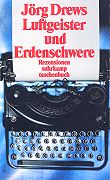
Jörg Drews hatte ein Näschen für experimentelle Literatur, und seiner Besprechung in der SZ am 4. August 1979 (dieses Datum ist geraten) verdanke ich eines meiner abenteuerlichsten Trips deutscher Literatur in den 70ern. Drews verglich Handkes „Die Linkshändige Frau“, mit Hartmut Geerkens „Obduktionsprotokoll“, Minimalismus vs. Überfluss. Für mich entpuppte es sich eher als Vergleich von übertriebenem Geraune und hochspannender Improvisation. Ich kannte Hartmut Geerken (der wie Lajla ewig und drei Tage im Goethe Institut gearbeitet hatte) auch als versierten Rezensenten von Jazzplatten im Jazzpodium, und erinner mich noch bestens an den warmen Sommertag des 5. Juli 1975 (dieses Datum ist auch geraten) im Würzburger Zeitschriftenladen „Montanus“, als mich seine Worte über Marion Browns „Geechee Recollections“ (Impulse Rec.) so neugierig machten, dass die Platte kurz danach auf meinem Plattenteller landete. Traumhafte Musik, und wenn ich mich recht erinnere, Ingo, mit dem jungen Leo Smith, der ja auf seiner tatsächlich magischen Central Park-Platte mit Amina Claudine ein fesselndes und tiefentspanntes Duo bildet.
Was unseren Griff ins Archiv angeht, stellten sich die beiden Alben nahezu von selbst auf – Brian Whistler liess in den letzten vier Wochen die Konzerte von Alice Coltrane 1973 (Carnegie Hall) und Oregon 1990 (Ludwigsburg) vor unseren Augen und Ohren lebendig werden, und sie halten, was jedes seiner Worte verspricht. In einem feinen, ein paar Wochen zurückliegenden Text, erzählte der einstige Kronacher Musiklehrer Rosato seine Geschichte mit Oregon. Die beiden Alben des Monats leben ganz besondere auch von der Präsenz zweier Frauen, Amina Claudine Myers sowie Beth Gibbons.Unser Film des Monats: Civil War von Alex Garland. Ingo‘s review. Bin gespannt, wer von den flowworkern als erstes die Eno-Doku „Eno“ sieht – ich habe zum „Talk des Monats“ meine genau zehn Jahre zurückliegende Begegnung mit Brian Eno und Karl Hyde in Notting Hill gemacht. 2014, springtime in London. Was neue Serien angeht, erhält „Sugar“ durchaus gemischte Kritiken, von mir allerdings viel Zuspruch. Ein sinnenfrohes wie dunkles Spektakel, in dem ein Detective, der auf vermisste Personen spezialisiert ist, durch ein gespenstisches L.A. voller Dejavues und dunkler Geheinmnisse streift. Mehr ist zu alldem vorerst nicht zu sagen.
we have to talk about this album

Für dieses Album – Central Park’s Mosaics of Reservoir, Lake, Paths and Gardens – brachte Wadada Leo Smith die Pianistin, Organistin und Sängerin Amina Claudine Myers ins Boot – auf seinem Album Trumpet (TUM Records) hatte er ihr bereits ein Stück gewidmet; und Andrew Cyrille spielte auf seinem letzten Soloalbum Music Delivery / Percussion (Intakt Records) eines von ihr. Unter Jazzpianist/innen wird die 1942 geborene Myers sehr geschätzt und verehrt, ich fand sogar alte deutsche Jazzmagazine aus den 1980ern mit Berichten über sie, doch abseits von Kenner/innen ist sie heute kaum jemanden überhaupt ein Begriff. Insofern ist es sowohl dem halb so alten Produzenten Sun Chung als auch Wadada ein Anliegen, sie nun in ihren Achtzigern noch einmal ins Bewusstsein zu rufen. Anfang 2025 erscheint bei Red Hook ein Soloalbum von ihr, das im Oktober gemischt wird.
Sun Chung war acht Jahre Produzent bei ECM Records, und auch bei unzähligen ECM-Aufnahmen, bei denen er nicht selbst die Produzentenposition innehatte, war er an Manfred Eichers Seite anwesend (er hat mir in einem bislang unveröffentlichten zweistündigen Gespräch von diesen „Lehrjahren“ erzählt). Für ECM produzierte er unten anderem eine Reihe exzellenter Alben mit Andrew Cyrille, an denen Bill Frisell und Wadada Leo Smith mitwirkten.
Nach seinem Ausstieg bei ECM startete Sun mit den letzten Studioaufnahmen von Masubumi Kikuchi (1939-2015) aus dem Dezember 2013 (Hanamichi, das bei ECM keinen Platz finden konnte; in einem Jahr wird es eine „Deluxe Edition“ mit mehr Aufnahmen aus dieser letzten Session geben) sein eigenes Label Red Hook Records, benannt nach dem Viertel in Brooklyn, in dem er aufwuchs. Bereits fürs zweite Album Two Centuries — wiederum mit Andrew Cyrille und Wadada Leo Smith — gewann Red Hook vor einem Jahr den Deutschen Jazzpreis. Das Album Refract mit Tyler Gilmore, Jason Moran und Marcus Gilmore war letzte Woche für den Deutschen Jazzpreis nominiert; es wurde im Mai 2022 in der gleichen Woche aufgenommen wie Suns sechste Zusammenarbeit mit Andrew Cyrille (Trio mit Bill Frisell und Kit Downes), welche im Herbst erscheinen und, so viel sei schon verraten, eine recht ungewöhnliche, aber, wie ich finde, enorm faszinierende Musik bieten wird.
Leider konnte ich bei den Sessions des „Central Park“-Albums mit Wadada und Amina aufgrund des Corona-Einreiseverbots für Nicht-US-Bürger nicht persönlich dabei sein, dafür aber im Herbst 2023 bei den Aufnahmen von Aminas Soloprojekt im Studio „Sear Sound“. Bei der Gelegenheit habe ich ein Auto gemietet und Wadada in New Haven besucht [über einen lustigen Umweg via Keene, New Hampshire, wo ich ein höchst erinnerungswürdiges Konzert von Xiu Xiu besuchte], um ihn zu diesem Duo-Album zu befragen – und bei der Gelegenheit auch gleich Material gefilmt für ein Video zu seinem 17. Streichquartett, das er im Herbst beim London Jazz Festival präsentieren wird. Wadada erzählte mir von seinen Inspirationen zu den Stücken, die allesamt mit Orten im Central Park verbunden sind, und ich bemühte mich tags darauf, innerhalb einer kurzen Zeit von knapp zwei Stunden ein paar Aufnahmen von wenigstens einiger dieser Orte zu machen. Immerhin war es ein wunderschöner Herbstsamstag, und da das Wetter an den darauffolgenden Tagen unglaublich schlecht war, konnte ich die ausstehenden Orte nicht mehr audiovisuell einfangen.
Mein Doku-Portrait zum Album ist also selbst wie ein kleines Jazzstück, kombiniert aus ein paar Videofragmenten, die jemand anderes bei der Studiosession mitgeschnitten hat, aus ein paar (zu wenigen) Herbstbildern aus dem Central Park, einem Gespräch in Wadadas Wohnzimmer und einem kleinen Kommentar von Amina aus dem Interview, das ich im Rahmen der Session ihres Soloalbums mit Sun Chung gefilmt habe. (ijb)
In Memory of Dickey Betts
Nach gut dreissig Jahren gingen meine Klanghorizonte-Nächte zuende mit dem Stück, das mich seit meinem 16. Lebensjahr begleitet. Brian Whistler war im Fillmore dabei, als es aufgenommen wurde. Ich kehre immer noch gerne ins Fillmore zurück. Dickey Betts hat “In Memory of Elizabeth Reed“ komponiert.“Duane and I had an understandung, like an old soul kind of understanding of let’s play together,” Mr. Betts said in a 2020 interview with The Sarasota Herald-Tribune in Florida. “Duane would say, ‘Man, I get so jealous of you sometimes when you burn off and I have to follow it,’ and we would joke about it. So that’s kind of Duane and mine’s relationship. It was a real understanding. Like, ‘Come on, this is a hell of a band, let’s not hot dog it up.’”
“(When composing ‘In Memory of Elizabeth Reed’) I was thinking of Benny Goodman. I was thinking of how he used melody and then I got all these Western swing influences from my buddy Dave Liles, who passed away about four years ago. But the thing came about, see, I was dating, I was slipping around, back-dooring Boz Scaggs’ girlfriend, live-in girlfriend, they weren’t married, but … (laughs). She was a beautiful Italian girl. I wrote this song and I wanted to call it ‘Carmella’ but couldn’t. So the place we would meet, in this old 1800s graveyard, Rose Hill, there was this old tombstone that said on it ‘In Memory of Elizabeth Reed.’
„Immerwährende Verwandlung“
„Wir waren noch nie eine wirklich emotionale Band“, stellte Lloyd Swanton nach dem ersten Set des letzten der vier Abende der Necks im Cafe Oto in London in dieser Woche trocken fest, „aber es scheint sich einzuschleichen“.
Ich hatte versucht, ihm etwas zusammenhanglos zu sagen, wie sehr mich das, was sie gerade gespielt hatten, bewegt hatte, und vor allem, dass es etwas über den aktuellen Zustand der Welt auszudrücken schien. Seine reflexartige Antwort deutete darauf hin, dass es bei dem, was er und seine Kollegen im australischen Trio tun, in erster Linie um die Noten geht, um den Prozess des gemeinsamen Improvisierens von drei Musikern ohne vorgegebenes Material und schon gar nicht mit einem programmatischen Inhalt im Kopf. Was nicht heißen soll, dass es keine emotionale Erfahrung ist, ihnen zuzuhören. Das ist es fast immer, aber die Emotionen, die sie hervorrufen, sind meist unspezifisch.
Zumindest mir schien es, dass das erste Set am Donnerstag etwas anders war. Es begann ganz normal, nachdem sie und das Publikum sich niedergelassen hatten, wobei ein Mitglied – diesmal Swanton – die Stille brach. Während er eine einzelne Note auf seinem Kontrabass zupfte, sie wiederholte und eine Oktave tiefer wiederholte, manchmal zu seinem Bogen wechselte, und anfangs mit langen Pausen, stimmte Tony Buck ein, indem er die Schlägel sanft um seine Tom-Toms und Becken kreisen ließ, gefolgt von Chris Abrahams, der nachdenkliche maurische Figuren in den mittleren und oberen Oktaven des Klaviers auswählte.
Eine Zeit lang schien nicht viel zu passieren. Das war nicht unbedingt eine Überraschung. Später sagte Buck, er habe sich Sorgen gemacht, dass es „ein bisschen verwaschen“ angefangen habe. Aber in den 20 Jahren, in denen ich ihre Auftritte besuche, habe ich gelernt, zu warten, als Zuhörer die gleiche Geduld aufzubringen wie sie als Spieler, in dem Wissen, dass die Überraschung kommen wird. In der Tat sind sie der Beweis dafür, dass der Klang der Überraschung langsam entstehen kann, durch allmähliche Anhäufung.
Dieses Mal führte der Prozess der Anhäufung zu etwas Außergewöhnlichem. Als das Spiel aller drei immer hektischer wurde, die Texturen sich verdichteten, die Räume sich schlossen und die Lautstärke zunahm, all das geschah fast unmerklich, hatte man das Gefühl, Dinge zu hören: Glocken, Schreie, Schüsse. Es war eine Illusion. Sie waren nicht da, und es gab auch niemanden, der versuchte, sie zu erzeugen. Aber irgendwie waren sie präsent – jedenfalls für mich – in den Obertönen, die vom Klavierdeckel reflektiert wurden, im Kratzen und Keifen des Basses und im harten Knacken der großen Trommel gegen die sich überlagernden Spritzer des Beckens.
Schließlich erreichte das Stück eine Intensität, die etwa 15 Minuten lang anhielt, bevor es durch ein kollektives Diminuendo allmählich wieder in die Stille zurückgeführt wurde. Und in diesen 15 Minuten konnte ich nicht umhin, die Bilder wiederzugeben, die wir seit Monaten jeden Abend in den Fernsehnachrichten sehen – Bilder von Gebäuden, Straßen, ganzen Städten, die in Trümmern liegen, von der Zählung der Toten und der Flucht der Lebenden, die Art von totalem Krieg, von dem wir dummerweise geglaubt haben, er gehöre der fernen Vergangenheit an.
Ich bin mir sicher, dass die Mitglieder der Necks nicht daran gedacht haben, als sie die Musik ins Leben riefen. Es ist eher das, was der Pianist Vijay Iyer im Sinn hatte, als er mit der Bassistin Linda May Han Oh und dem Schlagzeuger Tyshawn Sorey ein neues Trio-Album aufnahm, dessen Titel Compassion ausdrücklich auf das Thema hinweist. „In der Musik geht es immer um die Welt um uns herum, sie wird von ihr belebt und verleiht ihr Ausdruck: Menschen, Beziehungen, Umstände, Offenbarungen“, schreibt Iyer im Booklet und beschreibt damit die Verantwortung, die er darin sieht, in einer Zeit des Leidens Kunst zu machen.
Ich habe die Necks schon früher Musik spielen hören, die keine Angst vor Hässlichkeit hat (ein haarsträubendes Triple-Forte-Set im Café Oto im Jahr 2013 ist mir in Erinnerung geblieben), aber noch nie etwas, bei dem die Art von Reaktionen, die sie normalerweise hervorrufen – einschließlich, aber nicht beschränkt auf Euphorie und Erhabenheit -, so eindrucksvoll durch diese ganz andere Art von Transzendenz ersetzt wurden, ein anhaltendes Geheul, das etwas ausdrückt, das jenseits von Worten liegt und doch irgendwie sehr spezifisch ist.
Das war also das fünfte der sechs Sets, die ich in dieser Woche gehört habe, und das sechste war, wie üblich, ganz anders. Abrahams eröffnete es mit einem Rückgriff auf die Art von Dingen, die den Gebrauch von Adjektiven wie „leuchtend“ und „züngelnd“ provozieren. Aber auch hier gab es eine Überraschung, als sich das Stück zu einem Essay über die Verwendung asynchroner Rhythmen entwickelte, ein Feld, das sie in den letzten Jahren erschlossen haben, in dem jeder seinen eigenen Puls oder sein eigenes Metrum festlegt und es im Verlauf des Stücks beibehält, ohne die Nähe zum Hören der anderen aufzugeben. Im besten Fall führt dies zu einer Art höherem Zusammenspiel – und das war die Praxis in ihrer besten Form, die einen rhythmischen Sog erzeugte, der beim Publikum eine ganz andere Reaktion auslöste.
All das ist weit entfernt von der Art passiver Musik für Zen-Meditation, mit der sie manchmal fälschlicherweise in Verbindung gebracht werden, und ein unwiderlegbarer Beweis für ihr Engagement, das sich nun schon weit in das vierte Jahrzehnt erstreckt, für eine ständige Selbstregeneration, von der wir die glücklichen Nutznießer sind.
(übersetzt von Deepl – das Original findet sich auf Richard Williams‘ Blog „The Blue Moment“. Ich wünsche mir, eine Woche der Necks, ob im Cafe Oto in London oder sonstwo, würde mit einer 10 Lps (6 Cds) umfassenden Vinylbox dokumentiert, ähnlich wie einst Keith Jarretts „Sun Bear Concerte“. m.e.)