1960 The Year of the Rat
Every now and again I get together with two of my friends playing music chronologically from the year of 1950 until present day. This has been going on for years. Here are ten (mostly) album releases included on the list from the year of nineteen sixty.
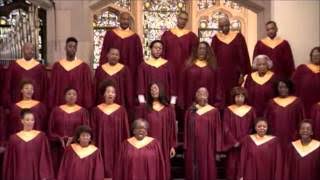
The Abyssinian Baptist Gospel Choir – Under The Direction Of Professor Alex Bradford (Columbia) Among the records from our family’s record collection was a compilation from Readers Digest of Gospel music – one track stood out. It was Said I wasn’t gonna tell nobody by The Abyssinian Baptist Choir. What caught my attention except for the fact that the music being so wild and free and full of spirit, was that you could hear the sound of the room and that the sound was so important to the way I experienced this music. It had a great sense of atmosphere to it. Recorded from a distance to the choir/piano.
Key track: „I said I wasn’t gonna tell nobody„
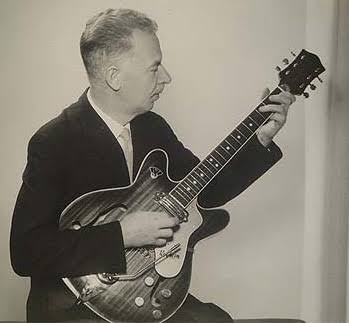
Robert Normann – My prayer (Columbia Norway) Robert Normann, a Norwegian guitarist often to be seen as intermission at NRK, the state TV´s single channel in the 70´s when there was a gap between programs. Normann used a studio technique developed by Les Paul around the same time. Speeding down the tape for his recording and then speeding up the tape again in the mix. Holger Czukay´s signature guitar sound used the same featured technique as can be heard on „Persian love“ from Movies.
Key track: My prayer
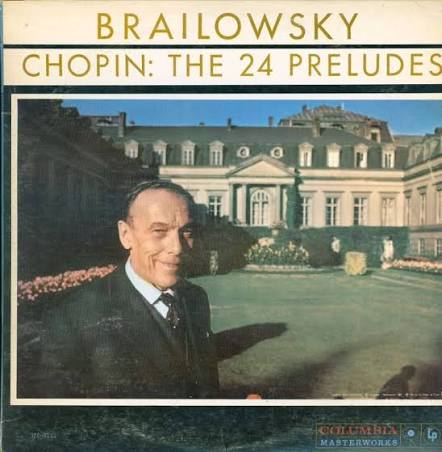
Brailowsky – The 24 Preludes (Columbia Masterworks) Brailowsky´s prolific Chopin recordings in the sixties was well documented and my father seemed to have bought every release of his throughout the 60´s. His Chopin recordings became part of my DNA and particularly this piece. Gainsbourg later wrote lyrics to it and credited it „Jane B“ with himself as composer.
Key track: Opus 28. No.4 in E Minor. Largo
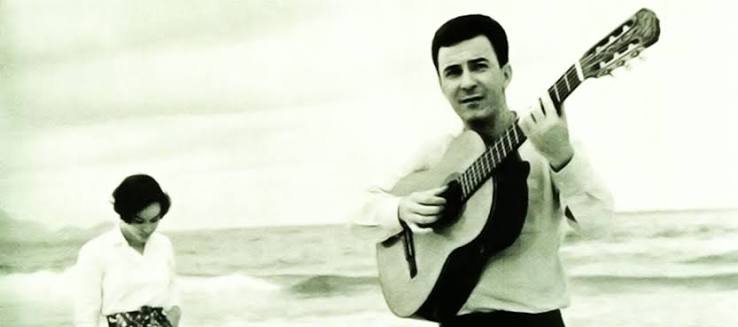
Joao Gilberto – O Amor, O Sorrisso E flor (Odeon) Perhaps the most unique and in my opinion the most important recording of the decade was not the British rock bands, but the Bossa Nova movement that happened in Brazil. One of the century’s most important performers being Joao Gilberto who came to have a huge impact in Brazil, America and in Europe in decades to come.
Key track: Corcovado
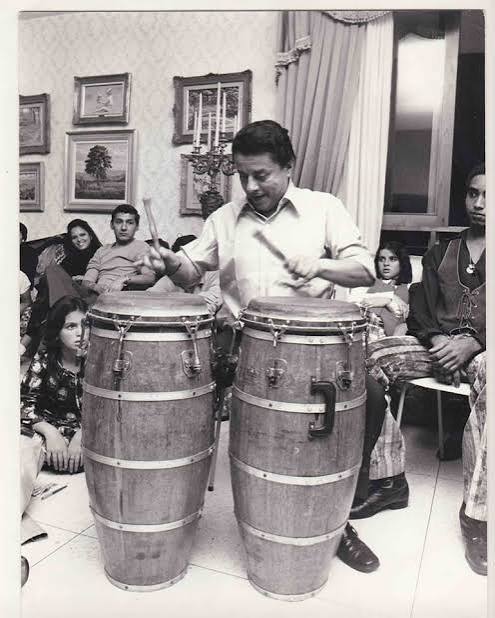
Tito Puente and his Orchestra – Tambó (RCA VICTOR) Latin percussive groove album. Influential to Masters of Work Nu Yorican Soul, especially the remix of their glorious Roni Size remix „Watching Windows“. Produced by Marty Gold, son of Russian immigrants who migrated to NYC. Gold was a composer, arranger, producer and an audiophile. He was the architect of the «Living Stereo» series in the sixties. Tambó was recorded at the Webster hall in NYC using a special microphone technique that created a natural reverberation. Using the rooms acoustics to full extent as opposed to the dry dampened studio sound and keeping the dynamic range to a maximum using a minimum of compression. This involved placing the section of the musicians in different parts of the recording space.
Key track: Rumba Timbales
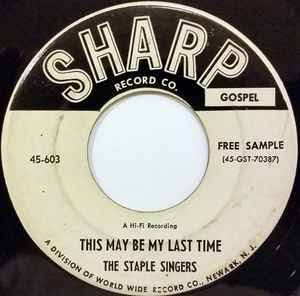
Staple Singers – This may be the last time (Sharp Records) The exception on this list of albums. The staples singers released two seminal singles in 1960. «This May Be the Last Time» being one. The other being «Why Am I Treated So Bad». Staple Singers were included on the box set from Readers Digest presented on the LP of Country Soul.
Key tracks: This may be the last time / Why am I treated so bad
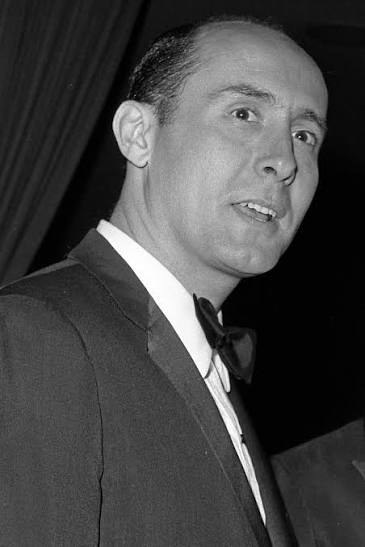
Henry Mancini – Music from Mr. Lucky (RCA) The wonderful Ljuon taken from the OST album «Mr. Lucky» is just the perfect sunny summer track. British composer John Barry have listed Mancini´s Peter Gunn as the inspiration for the original Bond theme. Listening to «Softly» tells me Mancini´s influence was not just the Bond theme but the entire Bond sound.
Key track: Softly
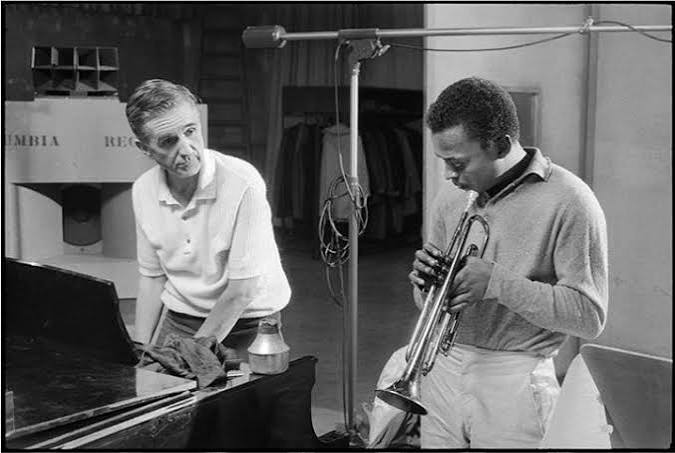
Miles Davis – Sketches of Spain (Columbia) Miles / Gil Evans – Hassell lived in the building across the street from Gil Evans in NYC but the two never met. Wonder how the music would have sounded like if they did..
Key track: Solea
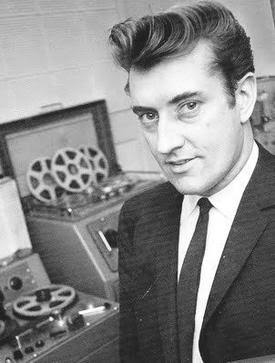
Joe Meek and the Blue Men – I Hear a New World (Triumph) Originally recorded in 1960. This is the first complete LP release of Joe Meek’s long lost ’60 album. Recorded in ’59 but never released. In early ’60 a total of 99 promotional EP sample copies consisting of only 4 songs each were mailed out in plain white labels to radio stations, though more copies are alleged to exist.
Key track: I hear a new world
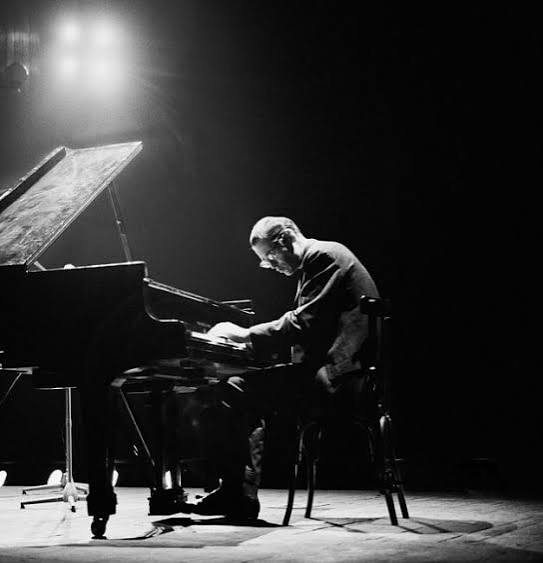
Bill Evans – Portrait in Jazz (Riverside) Recorded with Scott Lafaro and Paul Motion. Evans had left Miles´ band the year before. Interestingly he cited Darius Milhaud´s «Suite Provencale» as an influence which is a personal favorite Milhaud work. From an early age I was deeply fascinated by Les Six, a supergroup of forward thinking composers (Honegger, Milhaud, Poulenc, Auric et.al.) based in Paris with Jean Cocteau being their spokesman under the wings of Satie. The album was poorly received by critics of the time.
Key track: Blue in green
(J.B)
12 Kommentare
Jan Reetze
If someone is interested, here’s some more info on Joe Meek’s „I Hear A New World“:
http://www.joemeekpage.info/triumph_3_E.htm
Jan Bang
Hi Jan,
Thank you for presenting this insight into the world of Joe Meek. I especially enjoy the line where he states “ I must admit that most of the ideas on this record were to please myself. After all, you buy records for entertainment, not often for education“.
J.B
Michael Engelbrecht
A lot to look and listen into, 1960, my goodness😉
Jan Reetze’s book about Joe Meek ahould get its well-deserved engkish translation, Jan!
http://www.janreetze.com/meek.htm
Lajla Nizinski
Very very interesting. Thank you. Shows how big the music cosmos is.
flowworker
I linked several of the albums and key tracks, so you find some stuff to listen to without extended searching! Michael.
Olaf Westfeld
One more link, because „why am i treated so bad“ is such a great song: https://www.youtube.com/watch?v=UW3p-6jAPEQ
Michael Engelbrecht
Sketches of Spain would definitely be my album of the year of the rat.
Paul Motian told me once in Dortmund sitting besides Bill Frisell and Joe Lovano for a long trio talk that Bill Evans‘ Portrait In Jazz was his Bill Evans favourite.
Michael Engelbrecht
Jan, this is a wonderful tme traveling journey that i love to transport to our December Revelations in the ARCHIVE column. Don Cherry’s SUNRISE will find its praise now in the blog diary at the end of Novmeber.
Can you tell our readers that strange episode when Davod Darling, the fabulous cello,player from many ECM recordings, approached Miles Davis to declare his love for SKETCHES OF SPAIN ?! 😉
Jan Bang
Miles was playing at the Molde jazzfestival in Norway in the 80’s. I guess Marilyn was touring with him around that time. Anyway, David Darling when meeting his hero he couldn’t help himself but telling how much Miles had meant to him. This monolog supposesdly continued for a while. Miles quietly listening to this man’s appraisal. Known as being a one liner, Miles waited for a silent moment and said „what’s wrong with you?“
Michael Engelbrecht
Maybe Jan, Miles couldn’t handle such a declarartion of love. In my old portrait of David Darling, he extensively, and with a beating heart, spoke about the sheer beauty of „Sketvhes Of Spain“. And what he learnt from it. We met twice or three times face to face, in Cologne, Hamburg, and, 1999 or 2000, on Lanzarote during the festival Musica Visual di Lanzarote.
Mostly performed in Jameos Del Agus, and some gigs, after a long walk under earth at Cuevas de Los Verdes. There I listened to David Darling, playing solo cello and effects. At breakfast we sat together, and at one point he said to me: „We artists, Michael, know, what you have done for us.“ As flattering as that may seem, it was sincere, and i was touched by his perception and sympathy. A nice person.
Jan Bang
I wasn’t there so I couldn’t tell if it is a made up story by colleagues. Could might as well be the case..
Michael Engelbrecht
Jan, I can never reisist the beauty and depth of Mancini’s soundtrack of Breakfast at Tiffany’s.