„Eine Treppe tiefer, und andere Notizen rund um zwei Alben mit einem kubanischen Pianisten“
„Achten Sie auf das raue (aber genau richtige)
Summen der Gitarrensaiten
zu Beginn von „Y Tú Qué Has Hecho?“,
das in eine der natürlichsten, reichhaltigsten
und holzigsten akustischen Gitarren mündet,
die ich je auf Band gehört habe.Oder „El Carretero“. Es zeichnet sich aus
durch einen eindringlichen, sich wiederholenden
akustischen Bass aus, der eine reichhaltige Plattform
für die anderen Instrumente bildet, insbesondere
für ein tief verhalltes, gleitendes Instrument,
das in den Gesangspausen immer wieder auftaucht.“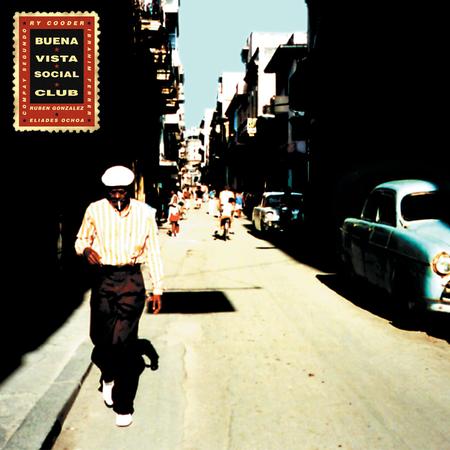
„All that said this new 4LP treatment of Buena Vista Social Club from Analogue Productions works just fine for me. It feels like they have achieved a happy medium between audiophile excellence and logistical convenience. As I allowed myself to just immerse in BVSC and listen, instantly realizing just how very, very grand it sounds, I became lost in the lushness of the recording of these outstanding performances. And I didn’t mind the frequent disc changing because, in effect, my ears were brought into extreme focus on the individual performances captured on each track. Honestly, it became somewhat exciting to anticipate what joys might await me on each following side!“Ich hatte damals ein seltsam zwiespältiges Verhältnis zu diesem Album (und seinen „Wirkungsgeschichten“), das nun in einer glorreichen Edition auf vier Schalplatten mit „45 rounds per minute“ neu aufgelegt wurde. Ich wusste gar nicht, dass Mark Smotroff bereits im Januar auf „Analog Planet“ darüber geschrieben hatte. Nun bekam ich gestern dieses Päckchen und hörte mir, mit allem munteren Wechseln der Plattenseiten, das Gesamtkunstwerk an. „The word LUSH must have been invented for the overall sound of this time travellers.“
Was mich damals ein wenig nervte, war das „Ergriffenheits-Tamtam“ um diese alte kubanische Musik herum, das man auch jetzt noch hören kann, wenn etwa „Micha45“ aus Düsseldorf („Welcome back!“) sein Loblied spricht, und dabei nur zu gerne auf das Empfinden zurückkommt, glücklichen alten Kubanern in die Augen zu schauen. Als wäre dort in Havanna das Leben im vor- und nachrevolutionäten Kuba ein Leben voller Armseligkeit, und Musik der einzige Fluchtort verlorener Seelen. Solch gönnerhafte Empathie mag ich nicht.
Der Ex-Freund einer amour fou wollte am liebsten auswandern, und in einer alten Bar an der Promenade der Hauptstadt den Rest seiner Tage verbringen. Mit diesem Hippietraum konnte ich nichts anfangen, aber harte Kritik erntete meine damalige Begeisterung für das Liebespaar Julio und Carol, die, um ihrer beider Lungenkrebs wissend, noch eine grosse Reise unternahmen, von einer französischen Autobahnraststätte zur nächsten. Was musste ich mir da für Entrüstungen anhören: meiner Selbstverwirklungsartistin schwebten da ganz andere, letzte Sonnenuntergänge vor, viel Havanna und Kalifornien, und keinesfalls der Anblick nagender Ratten an einem Mülldepot nahe Brest.
Solche „romantischen“ Ergriffenheiten beförderte auch in Teilen der BVSC-Film von Wim Wenders, dessen „documentaries“ von schwankender Qualität sind, und, etwa imFalle von BAP und dem Papst, etwas zu sehr aus dem Fach der Devotionalien stammen (lieber dann doch seine Werbefilme für die Deutsche Bahn!). Da hilft tatsächlich (als berüchtigte „andere Seite der Romantik“) die Lektüre von Pedro Juan Gutiérrez` „Schmutziger Havanna Trilogie“. Gutiérrez weiß als Kubaner, wovon er schreibt und verzichtet zum Glück auf Wim Wenders filmische „Alles wird gut“- Romantik. Da kommt dann eine andere Art von Not und Einsamkeit zum Vorschein! Und rauschhafte Sexualtät, in der breiten Palette zwischen Befreiung und Betäubung.
Gestern tauchte ich jedenfalls ohne rosarote Patina in diese versunkene Welt des BVSC ein, und verspürte alsbald Lust, jenen alten Schmöker hervorzugraben, der ein facettenreiches und traumtänzerisches, wildes und dunkles Bild vom alten Kuba zeichnet, ein famoses „Sittengemälde“, mit dem Namen „Drei traurige Tiger“. Neben „Rayuela“, „Hundert Jahre Einsamkeit“ und, i am laughing out loud, „Schmutzige Havanna Trilogie“ einer meiner Lieblingsromane lateinamerikanischer Erzähler.

Um mit die Wartezeit auf diese Schatzkiste zu verkürzen (der im übrigen alle Texte und eine feine englische Übersetzung und andere Hintergrundrecherchen beiliegen), holte ich das 2017 als Doppelalbum auf Vinyl rausgekommene Opus „Introducing… Ruben Gonzalez“ aus dem Regal, das ebenso wie „BVSC“ in den Egrem Studios aufgenommen wurde. Diesmal nicht von Ry Cooder (dessen gitarristische „Einmischungen“ ich liebe) produzert, sondern von Nick Gold, einem anderen maestro von „World Circuit Records“. Und hier kommt die Überraschung: Rubens Piano kommt hier ganz anders rüber als auf „BVSC“. Zwei fraglos audiophile Werke, und doch ist der Klavierklang so komplett anders. Mhmmm… Ich kann mir dazu zwar einiges denken, aber eine zweifelsfreie Antwort kenne ich nicht. Vielleicht entstand die Aufnahme in EGREM 2, eine Treppe tiefer…
Es gibt, neben dem Versinken in diese beiden Alben, und Infantes erschütternd fesselnden wie melancholischem Roman „Drei traurige Tiger“, noch ein weiteres allerbestes „tool“, um dieser alten Welt, über exotische Träumereien hinaus, nahezukommen, „Babalú-Ayé“, das lange zweite, der Historie der afrikubanischen Musik gewidmete Kapitel aus Joe Boyds Mammutwerk „And The Roots Of Rhythm Will Remain“ – und mit einem Zitat daraus schliesse ich meinen kleinen Ausflug ab (und das lasse man mal in aller Ruhe auf sich wirken):
“For me, though, the key element is the sound. I walked people walk into the London launch party, where it was playing on the PA system; many stared around, looking for the bandstand and the live musicians. Jerry and Ry had achieved the kind of warm, three-dimensional sound that can only happen when so many microphones are open (and perfectly postioned) in a big „live“ room, voices and instruments blending in the air before the reach the mixing-board. If „Buena Vista“ hade been made downstairs in EGREM 2, it would have been lucky to sel ten thousand copies, let alone ten million.“
„Für mich ist das Schlüsselelement jedoch der Sound.
Auf der Londoner Launch-Party,
bei der das Album über die PA-Anlage lief,
habe ich die Leute laufen sehen; viele starrten umher
und hielten Ausschau nach dem Bandstand
und den Live-Musikern.
Jerry und Ry hatten die Art von
warmem, dreidimensionalem Klang erreicht,
der nur entstehen kann,
wenn so viele Mikrofone in einem großen „Live“-Raum
offen (und perfekt positioniert) sind,
wobei sich Stimmen und Instrumente
in der Luft vermischen,
bevor sie das Mischpult erreichen.
Wäre „Buena Vista“ unten in EGREM 2
aufgenommen worden, hätte es Glück gehabt,
zehntausend Kopien zu verkaufen,
geschweige denn zehn Millionen.““Horizonte“ in motion (May 29, DLF)
Side A:
01 American Analog Set: The Fun of Watching Fireworks (1996)*
02 William Tyler: Time Indefinite (2025)
03 Eiko Ishibashi: Antigone (2025)
04 Henriksen / Seim / Jormin / Ounaskari: Arcanum (2025)
05 Brian Eno & Beatie Wolfe: Luminal (2025)Side B:
06 Brian Eno & Beatie Wolfe: Lateral
07 Don Cherry: Relativity Suite (1971)
08 Angel Bat Dawid & Naima Nefertari: Journey to Nabta Playa (2025)
09 Natural Information Society and Bitchin Bajas: Totality (2025)
10 Shit and Shine: Mannheim Hbf(first cut, but remember, the last cut is the deepest)**
** more contenders for airplay at the end of May:
– Bennie Maupin: The Jewel In The Lotus (1973)
– Ensemble Modern / Jan Bang: With These Hands (2025)
– Shit and Shine: Mannheim Hbf (2025, the band an old favourite of Ian McCartney)
– Andy Summers & Robert Fripp: The Complete Recordings
– Jefre Cantu-Ledesma: Gift Songs
– Tangerine Dream: Phaedra (boxset 2025 edition) ****** „… wenn Du die 6-CD-Box meinst: Ich glaube, das meiste davon war schon in der Hades-Box enthalten, mit Ausnahme der Surround-Mixes. Phaedra ist ja damals parallel zu Autobahn erschienen und war auch annähernd so wichtig, einfach, weil sowas vorher noch keiner gemacht hatte. Ich kann mich noch gut an so einige wütende Kritiken von damals erinnern — das ist doch keine Rockmusik mehr, was sind denn das für Idioten, das hört sich an wie Matsch auf dem Grund des Ozeans, usw. Aber dann ging die LP plötzlich an die Spitze der englischen Charts, und sie hat schon ihre Spuren hinterlasen. Aber ich muss die jetzt nicht in etlichen anderen Abmischungen haben, mir genügt im Prinzip das Original. (…) (aus einer Mail von Jan Reetze)
„Systems of Romance“, and Punkt 2025
Quite incredible, but true, the following story! In the spring of 1983, a man named Randall Wulff (aka Lewis) turned up at the Music Lab Studio in Los Angeles with a white Mercedes convertible, an attractive girlfriend, perfectly styled hair, and a (succinctly put) handful of ethereal synth-pop-folk songs. Wulff commissioned photographer Ed Colver, best known for documenting the West Coast punk scene, to shoot the stark monochrome album cover. By the time Colver realised that the cheque had bounced, Wulff had already disappeared. There were rumours that he had gone to Las Vegas or possibly Hawaii, but most likely he had returned to Alberta, Canada, where a quarter of a century later a vinyl collector named Jon Murphy found a copy of ‘L’Amour’ at a flea market. Private pressing.
What a strange round of songs! If you find sounds that are constantly moving close to their own dissolution exciting. ‘The closer you listen, the more unsettling – and yet enticing – it all sounds.’ Randall Wulff had painted his masterpiece when it came to disappearance and submersion. If David Lynch had heard this album back then, he would have transported one or two songs from it into the Twin Peaks soundtrack. And Angelo wouldn’t have complained. Neither would Julee Cruise. Light in the Attic made the album available years back. By now, „L‘Amour“has turned into a nearly buried treasure again.
And, what made me, in the first place, return to the unabashed romantic songs – „romantic“ with a twist – by Lewis, or Jan Bang‘s „Reading The Air“? A guy named Chris Duncan who‘ll be joining the artists of PUNKT 2025! Of course it was Jan Bang who discovered him. We changed a few mails in regards to that rare breed of uninhibited romanticism with a decent quantum of blue & noir. I highly recommended Jessica Pratt‘s opus, „Here In The Pitch“.

The new program – HERE – is full of highlights, amongst them the première of „After The Wildfire“, a new spoken word-project by Erik Honoré, Trygve Seim’s „Different Rivers“ (25 years after its ECM release, followed by an unforgettabele review of Konrad Heidkamp in „Die Zeit“), Jon Balke presenting „Skrifum“ live on stage – and Chris Duncan!
Tortoise
Auch wenn ich seit „Standards“ (also seit 24 Jahren) kein neues Tortoise Album mehr richtig gehört habe, freue ich mich darüber, dass sie noch gemeinsam Musik machen und veröffentlichen. Die ersten 3-4 Alben haben meine Hörgewohnheiten geprägt und ich lege die immer noch gerne mal auf. Die letzten Alben vom Gitarristen der Band, Jeff Parker, waren alle großartig. Der NEUE Song gefällt mir sehr und dass sie bald „a larger body of work“ rausbringen ist eine gute Nachricht.
alternative
01 Mark Pritchard & Thom Yorke: Tall Tales
02 William Tyler: Time Indefinite
03 Eiko Isibashi: Antigone
04 Bennie Maupin: The Jewel In The Lotus (1974)
05 Amelia Barrett & Bryan Ferry: Loose Talk
06 Haruomi Hosono: Medicine Compilation (1997)
07 Brian Eno & Beatie Wolfe: Luminal
08 Don Cherry: The Relativity Suite (1971)
09 Angel Bat Dawid & Naima Nefertari: Journey to Nabta Playa
10 Henriksen / Seim / Jormin / Ounaskari: Arcanum
11 Natural Information Society and Bitchin Bajas: Totality
12 Keith Jarrett: New ViennaAuch ich kannte mal ein rotes Eichhörnchen
„Our paths may cross again in some crowded bar
We feel a little lost ‚cause we’ve drifted away so far
Hoping to find the right words to say
We joke a little and then go on our way“Diese Eingangszeilen stammen aus einem Lied von Lucinda Williams. Und der ganze Song ergreift mich heute, wie damals, als ich ihn 1998 „all alone“ an der verlassenen Westküste von Fuerteventura hörte. Die folgende Geschichte wahr. Nur die Namen habe ich geändert. Ich beginne mittendrin. Einmal klopfte Erika an meine Tür, das war etliche Jahre, bevor sie die Assistenzstelle im Schlaflabor erhalten sollte, und von Kommilitonen vorzugsweise mit Dr. Kuntz angeredet wurde. Sie schenkte mir eine Rose, sagte, dass sie sich in Ellen Rabner verguckt habe (wir waren alle das gleiche Semester, und Ellens Spitzname war, unter den Jungs, „die Zehn“), und dass „wir beide, mein Süsser“, jetzt noch ein letztes Mal vögeln würden, aber dann Geschichte wären, „aber ne gute Geschichte“, fügte sie hinzu. Und dann legte sie mich flach (ihr Lieblingssatz, oft aus dem Nichts abgefeuert: „Ich leg dich jetzt flach“, ein Tausch der Erwartungen, mehr als der Hauch einer Bestimmerin.)
Die Geschichte melancholischer letzter Ficks wurde jedenfalls um ein Kapitel reicher (aber auch das sollte sich als nicht ganz richtig rausstellen.) Einen halben Sommer lang erfüllte Erotik (an der Grenze von verknallt und rattenscharf), mit viel zu frühem Sonneneinfall, durchgeschwitzten Laken, und einer Ära, in der meine Mathematik (nach langweiligen Statistikseminaren) hauptsächlich aus Knaus Ogino und Parallelen, die sich im Unendlichen schneiden, bestand.
Es ging weiter, später, viel später, mit einem herzhaften Lachanfall ihrerseits, als ich wieder mal an Erikas Tür klopfte und ihr Hochglanzbüro mit Blick zur Ulmenallee betrat. – Was, so ganz ohne Anmeldung, Micha!? Wir schauten uns einfach nur an, sie lachte, brachte nur diesen einen Satz zustande in fünf Minuten. Oh, wir konnten immer gut schweigen und still sein, wie damals, als uns nach dem Sex viel besseres einfiel als dezenter Erschöpfungsschlaf. Nachdem wir uns gesammelt hatten, tauschten wir unsere Historie aus: ihre Zeit mit Ellen habe zwei Sommer gedauert, und sie selbst sei ein etwas unsteter „Hopper“ (ihr Ausdruck) zwischen den Geschlechtern geworden, Karriere, ja, Kids, nein.
Ich erzählte von meinem Melodram im Nördlichen Bayerischen Wald, und dass ich jetzt an einer Volkshochschule eine Forschungsarbeit durchführe, „Neue Konzepte in der Gesundheitsbildung“. Die Fachsimpelei und das kleine ABC der Amouren war schnell abgehakt, und sie fragte mich nach dem Grund meines unerwarteten Auftauchens. – Die gute alte Tante Hypnose, sagte ich. Bitte versetze mich in eine tiefe, tiefe Trance, und zeichne alles auf, zu meinem Serientraum mit der „Farbenfrau“. Da kommt dann vielleicht mehr ans Licht, als die Repertoire-Story, die ich schon so oft erzählt habe. Ich meine, Erika, ich war damals fünf oder sechs Jahr alt.
Sie war die Erste unseres Jahrgangs, die eine Hypnoseausbildung machte, und wir liessen uns gerne von ihr hypnotisch bespassen, vergassen für Augenblicke unsere Namen, befolgten absurde posthypnotische Suggestionen, und erkannten en passant das grosse Potential des kreativen Unbewussten. – Micha, Micha, Micha, das können wir gerne machen. Aber dann muss ich dich ja schon wieder mal flachlegen. Ihr Humor war über die Jahrzehnte intakt geblieben, auch wenn wir beide spürten, dass das alte Feuer wehmütigen Erinnerungen gewichen war. Wir taten es trotzdem. Das alte Studentenwohnheim. Always crashing in the same car. Schön, kurz und heftig. Wie sie mich damals fesselte und geräuschlose Stille befahl, ist plötzlich so nah wie das flüchtige Bild vom Blättern in einer Fotokladde auf dem Dachspeicher.
„You win a while and then it’s done
Your little winning streak
And summoned now to deal
With your invincible defeat
You live your life as if it’s real
A thousand kisses deep“Diese Verse sind von Leonard Cohen. Sein Roman „Das Lieblingsspiel“ hat mich lange nicht so berührt wie seine Songalben, aber es gab eine Passage, da sinnierte er über die Transformation der Frau im Orgasmus, und wie jede einzelne Liebes- oder Bettgefährtin sich in der Exstase in ein anderes Wesen verwandelte. Ein Hang zur dezenten Übertreibung, aber mit wahrem Kern allemal. Joni Mitchell beklagte sich mal, rückblickend und mit einem Lächeln, dass Leonard kaum ihr Schlaflager verlassen wollte und unersättlich war, liebestrunken, zumindest sextrunken. Ich konnte das mit den „Verwandlungen“ im Laufe der Jahre bestätigen (war ja auch ein so hoffnungsvoller wie hoffnungsloser Romantiker), und nur zu gerne begab ich mich auf die Erforschung dieser anderen Seite. Seltsamerweise kann ich mich an die Orgasmen einer meiner grossen Lieben nur sehr fragmentiert erinnern, obwohl wir oft über Stunden das Kopfkissen teilten und es in einer Badewanne, unter Linden, einmal sogar auf einem Ameisenhügel trieben.
Unser Sex war allerdings anders als der mit Erika keine Forschungsstätte rarer Stellungen und Praktiken aus dem weiten Feld vom BDSM, sondern ein kreatürlicher Akt ohne Design, Rollenspiel, und kleine Gerätschaften, es war auf elementare Weise natürlich, sie war keine „Göttin“, keine stilisierte Figur, aber so unfassbar „alles“ (in meinen sehenden, blinden Augen), dass ich in jede Falle ihrer Schönheit zu tappen bereit war, bis sie mich am Ende eines Jahres noch dreimal hintereinander hart nahm, so hart und schnell wie nie zuvor, und aus dem Paradies warf. Sie war gewiss mein „Urtyp“ – und damit ohne weitere Vorrede auf zur Transkription von Erikas Trancearbeit, meine „Farbenfrau“ betreffend, meinen „Urtyp aller Urtypen“. Die aufgezeichneten, leicht gekürztej. Details der Tranceinduktion (obwohl an Erickson geschult, machte sie es mit einem Pendel) lasse ich aussen vor. Als Einstimmung eine Passage aus einem Song von Neil Young.Blue-eyed woman is a healer to me
(Blue-eyed woman)
If I lose that woman I’m history
(Blue-eyed woman)ERIKA: Woran merktest du, dass die Sache mit der Farbenfrau etwas Besonderes war in deinen Träumen? MICHAEL: Sie kam immer wieder, oft mehrmals in der Woche. ERIKA: Wie alt bist du da? MICHAEL: Fünf, sechs, sieben Jahre alt. Ich liege in meinem Bett im Weissdornweg Nummer 9 in Hombruch, und sie kommt immer in frühen Morgenstunden. ERIKA: Wieso weisst du, dass es früh am Morgen ist? MICHAEL: Wenn sie wieder fort ist, öffne ich die Augen und blinzele ins Licht. ERIKA: Ist der Ort, zu dem die Farbenfrau kam, immer der gleiche, und wenn ja, beschreibe ihn. MICHAEL: Ein warmer Ort. Tropisch. Ich sitze am Rand eines Swimminpools. Meine Füsse spüren die Wärme des Wassers. Es duftet sehr angenehm, orientalisch. ERIKA: Kannst du sehen, was hinter der Schwimmhalle ist? MICHAEL: Ein grosses Fenster, ein Blick auf eine Wiese, ein Wald. ERIKA: Wieviele Menschen siehst du in der Halle, und draussen? MICHAEL: Da ist niemand, nur ich. Bis die Farbenfrau kommt. ERIKA: Beschreibe noch einmal deine genaue Position im Raum! MICHAEL: Ich sitze in der Mitte der langen Seite des Swimmingpools. Manchmal berühren die Füsse das Wasser. Ich bin glücklich. ERIKA: Glücklich? MICHAEL: Geborgen. ERIKA: Woran merkst du, dass die Farbenfrau den Raum betritt? MICHAEL: ich höre eine Geräusch von hinten, wie eine Schwingtür, ich höre ihre Fussschritte, als würde sie über kleine Wasserpfützen gehen.
ERIKA: Und dann? MICHAEL: Sie setzt sich hinter mich, manchmal hockt sie sich hinter mich. Wenn sie ihre Beine neben meinen baumeln lösst, sehe ich, wie lang und schlank sie sind, tiefes Braun. Die Haut glänzt. Die Augen blau. Unendliches Blau. ERIKA: Wie gross, glaubst du, ist sie? MICHAEL: Sie überragt mich mit ihrem Kopf und ihren dunkelbraunen, nein, schwarzen… glänzenden… Haaren, ich habe sie nie stehen gesehen…nur schemenhaft aus dem Rückraum auftauchend… ERIKA: Rate ihre Grösse! Michael: 1 Meter 90? ERIKA: Was macht sie, wenn sie sich hinter dir niederlässt? MICHAEL: Umschlingen…sie umschlingt mich…mit ihren Händen…und Armen…ihre Hände fahren über meine Brust…langsam…meine Oberschenkel…ich bin berauscht.
ERIKA: Woran spürst du, dass du berauscht bist? MICHAEL: Da ist dieses Lustgefühl.. Lust strömt durch mich hindurch…überallhin…sie berührt mich…jede Berührung schickt Schauer… ERIKA: Streichelt sie deinen Schwanz, masturbiert sie ihn? MICHAEL: Nein. ERIKA: Hast du im Laufe ihrer Berührungen einen Orgasmus? MICHAEL: Nein…sie berührt mich aber dort, legt ihre Hand auf…himmlische Lust…ich spüre, ihre Nacktheit, wenn sie ihren Oberkörper gegen meinen presst… ERIKA: Wie lange berührt sie dich? MICHAEL: Sehr lange…dann steht sie auf und geht…ich bin nicht traurig…ich weiss, die Farbenfrau kommt wieder. ERIKA: Und du nennst sie im Traum Farbenfrau? MICHAEL: Nein, nie. Hinterher, wenn ich mich erinnere. Sie spricht nicht…ich spreche nicht…gebe nur Laute von mir. Und ich liebe dem Duft und das Geräusch ihres Atems…ERIKA: Später, als die Zeit dieses Serientraums vorüber war, hast du sie dann auch immer noch Farbenfrau genannt? MICHAEL: Ja, oder Amazone. Oder Indianerin. ERIKA: Hat sie je vor Lust gestöhnt? MICHAEL: Nein, ich erinnere ihr warmes Lächeln, wenn ich meinen Kopf nach hinten drehe, ihre grossen Augen… ich gehörte ihr.
„What is the colour when black is burned“ . Mit nichts gilt es so sachlich umzugehen wie mit dem Material des Fantastischen, und Träume gehören allemal dazu. Und so ist es nur der Ehrlichkeit geschuldet, zuzugeben, dass das Transkript meines Serientraums eine Version ist. Nach vielen Umzügen hatte ich das Original verloren, und die sich stetig wiederholende Sequenz aus „Swimmingpool (Ort) und Initiation (Ritual)“ lediglich aus der Erinnerung neu notiert. Die allnächtlichen Begegnungen mit der „Farbenfrau“ hatten einen Einfluss auf manches, was später kam. Love, Devotion, Surrender. Am Tag nach der Tranceinduktion gingen Erika und ich durch unser Würzburg, das sich seit den Siebzigern erheblich gewandelt hatte. Aber wir blieben dran, und suchten alte Orte aus, ob sie nun unkenntlich geworden waren oder beharrlich ihr Revier verteidigt hatten. Sie zeigte mir den kleinen Park, in dem sie Ellen Rabner zum ersten Mal geküsst hatte („im Bett war diese Traumfrau ein Sub, Micha, sie hasste die ewig anhimmelnden Blicke der Jungs, die sie stets ziemlich dumm umschmeichelt hätten“), und es war der gleiche Park, mit dem ich einst mit meiner Verlobten lustwandelte, zwischen Audimax und Studentenwohnheim.
Dort, in der Friedenstrasse, fuhren wir in dem „internationalen“ Gemäuer mit dem alten Fahrstuhl in den siebten Stock hoch – was für ein sentimentaler Reflex – wo ich (lange vor Erikas Fesselungen), ein Kopfkissen mit C. teilte und die glückseligsten Monate der Siebziger
Erika führte mich auf die Alte Mainbrücke, und liess uns das Spiel spielen, alle jene mit Namen (und die exakten Stellen dazu) zu benennen, die wir dort geküsst hatten. Erika gewann 5:2 – selbst im Fussball eine Klatsche. Wir kamen in jenen Spielmodus von Erwachsenen, die Witterung aufnahmen und alte Leidenschaften Revue passieren liessen – Nostalgie schwang überall mit. Obwohl, bei Erika wusste ich das nicht so genau, sie fasste mir auf der Brücke en passant in den Schritt, gab mir einen rasanten Zungenkuss und vermerkte: „6:3, Schätzchen!“ – und weiter ging es.
Hier der Plattenladen von Recommended Records, wo ich die erste und beste Platte der Violent Femmes gekauft hatte. Da die Treppe zur Festung, wo sie zum ersten Mal und ohne Vorlauf eine unbekannte Schöne um einen Kuss gebeten und überrumpelt hatte, in freier Wildbahn. Ich zeigte ihr den Ort, an dem meine Lieblingsbuchhandlung war (die auch Erikas Lieblingsbuchhandlung war), wo ich Italo Calvinos „Wenn ein Reisender in einer Winternacht“ erstand.
„Ich kenne so viele Menschen, Erika, die immer alles vom Ende her begreifen wollen, Italo aber bastelte seinen Roman aus lauter Kapiteln, die den Anfang einer Geschichte erzählen, der dann einfach abreisst, und anderen Anfängen Platz macht.“ Das erzählte ich ihr, als ich sie mit meinem VW Bulli nach Veitshöchheim fuhr. „Noch ein Kaffee, Süsser? Wir können heute etwas zuende bringen.“ Das zweite Endspiel. Nach jener Nacht sah ich sie nie wieder. Sie starb fünf Jahre später auf einer Autobahn im Süden Frankreichs.
The Days Of Zuma
IN December 1975, Neil Young and Crazy Horse pitched up unannounced at a bunch of small bars and roadhouses along the California coast – rough and ready joints like Boots And Saddle in La Honda, the Inn Of The Beginning in Cotati and the Marshall Tavern in Marshall (population: 50). In contrast to Young’s previous stadium tour of 1974 as part of CSNY, this outing was very different.Christened the Northern California Coastal Bar Tour – or the Rolling Zuma Tour: a wry nod to the Dylan charabanc trekking round the opposite coast during the same period – it was designed as a low-key introduction to a new-look Crazy Horse and their first album together: Zuma. “I hope we’re not too loud,” Young goofed with the Cotati crowd before leading the Horse through a joyous rendition of “Don’t Cry No Tears”. After grappling with stardom, loss and guilt for the first half of the decade, it seemed that a reinvigorated Young had finally left the Ditch behind him. “Those were some of the finest, most alive days of my life,” he confirmed in his Waging Heavy Peace memoir.
But the Ditch wasn’t the only thing Young was escaping. A planned CSNY album, ‘Human Highway’, had ground to a halt, mired in tensions and disagreements; he had also recently split up with actress Carrie Snodgress. Young, then, threw himself into recording, enjoying a welcome reunion with producer David Briggs, a fresh start for Crazy Horse and a cocaine-heavy party vibe for all at Briggs’ Malibu rental. There were fun cameos – Bob Dylan and Rod Stewart both stopped by – but the real work took place in Briggs’ back bedroom. There, over a barrage of freshly written songs, Crazy Horse connected with new recruit Frank “Poncho” Sampedro, replacing rhythm guitarist Danny Whitten who had died in 1972. While Sampedro went on to become Young’s co-conspirator across multiple projects, Zuma offered ample evidence for how swiftly he fitted in, not least the guitar duels on “Danger Bird” and “Cortez The Killer” that helped define Crazy Horse 2.0.
But jams were only part of the story. When Zuma was released on November 10, 1975, it revealed a set of songs that was inspired, even by Young’s lofty standards during that decade – from chiming country-rock opener “Don’t Cry No Tears” to the folky “Pardon My Heart” and CSNY’s lambent closer “Through My Sails”. This new music was joyous and defiant, with Young coaxing howls of feedback from a returning Old Black, while James Mazzeo’s wild sleeve illustration further signalled a shift from the darkness and heavy symbolism of the Ditch-era jackets. Following the hijinks of the Northern California Bar Tour, Young and Crazy Horse headed out on their fabled tour of Japan and Europe, reconvening again after the Stills-Young debacle for a triumphant American run in late 1976.
In the 50 years since its release, Zuma’s reputation has continued to flourish. Coming in the middle of Young’s fecund mid-’70s – whose scope only finally became apparent with the release of Archives II in 2020 – the lean and catchy Zuma was both a coda to the Ditch and a preface for the rest of Young’s career, with its many confounding changes in style and sound.
“The party never ended,” Sampedro told Uncut in 2019. “It seemed like it was out of control, but it wasn’t. When we got in the groove and we had adrenaline and energy, we could really put out some great music. The hair would go up on the back of our necks and we’d kick out another three songs…”
Another Green World
Ich versuche Ruhe zu bewahren, denn die zeitliche Abfolge bringt, will man sie erzwingen, Kalenderblätter der Erinnerung leicht durcheinander. Ich war verliebt, verlobt, und die Frage der Hochzeit eine Frage von ein, zwei Sommern, aber dann kam alles anders. Wir planten unsere Verlobungsreise klassisch, Norditalien, Padua, Venedig, und noch eine Stadt in der Gegend, die mir gerade nicht in den Sinn kommt. Unterwegs, unter dunklem Schatten, gab es manch reine Freude, ein Schallplattenladen wie im Traum (in Padua, glaube ich), mit unzähligen Sun Ra-Alben. Und Momente ungebrochener Schönheit, etwa als wir Venedig erblickten, und ich nach einer Gondel Ausschau hielt. Oder der Strand an einem beliebten See, mit der seit meiner Kindheit geliebten Musik aus Wasser und Stimmen.
The exciting two albums of Mr Henderson from the 70‘s
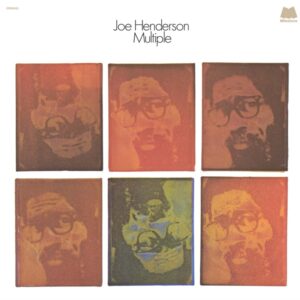
In meiner Erinnerung wurden die beiden Alben „Horn Culture“ von Sonny Rollins und „Multiple“ von Joe Henderson auf der gleichen Seite in einer alten Ausgabe des Jazzpodiums besprochen. In meiner Erinnerung bekam Sonny die vollen fünf Sterne, und Joe viereinhalb. Bei mit war es damals und ist es heute noch andersrum. Ernst beiseite, „Horn Culture“ ist auch ein tolles Album! Wie „Multiple“ ist auch „Horn Culture“ auf dem Label „Milestone“ erschienen, anno 1973. Bisher noch keine „reissue“! Im übrigen fällt mit auf, dass ich im folgendem Text vergessen habe, meiner Begeisterung über Larry Willis‘ Rhodes-Piano Ausdruck zu verleihen!
Ich kenne seine Lebensgeschichte nicht, aber es verwundert schon, dass er in den Siebziger Jahren so wenig Musik aufnahm. Ein Werk namens Canyon Lady“ kam mit illustrer Besetzung und all seinen „latin vibes“ nicht an seine zwei „milestones“ aus jenem Jahrzehnt heran. Ich stiess auf ihn fast zufällig, als er schon lange Geschichte geschrieben hatte auf dem Label Blue Note, als Leader und Sideman ein tonangebender Meister des Saxofons, auf etlichen Klassikern.
Dann, als die Zeit der „fusion music“ anbrach, Jazz und Rock und Funk und „weissderkuckuckwasalles“ sich in kühnen Amalgamen fand, vom „elektrischen Miles“ bis „Weather Report“, da tauchte auch Joe Henderson auf. Er dachte sich aber nicht, dass er jetzt mal was Modernes für die Kids machen würde.
Joe suchte sich Produzenten, die das Studio auch als Spielwiese begriffen und nahm zwei Alben auf, die das pure Feuer waren und auch sonst der griechischen Lehre der Elemente tollkühne Klänge folgen liessen: „The Elements“ hiess das eine Werk, das mit erlesener Bande, mit Alice Coltrane, Charlie Haden und Co. Wasser, Erde und Luft folgen liess. So mitreissend und deep wie „Brown Rice“ von Don Cherry oder „Love, Love“ von Julian Priester.
Das andere Album, „Multiple“, umarmte nicht ganz so ferne Horizonte, und war gleichermassen wild, funky, herzergreifend (dieser warme Ton, selbst wenn er die Luft zerriss, in ausgewählten Momenten of „overblowing“! ). Am Bass Dave Holland (vor Tagen noch, the old fire still burning, an der Seite von Anouar Brahem in Hamburg), am Schlagwerk Jack DeJohnette.
Diese beiden Alben sind in den letzten Jahren als Schallplattem neu aufgelegt worden, „Multiple“ zuletzt, feines Remastering durchweg, und was das Schönste ist: die Musik nimmt mich heute genauso gefangen wie damals in dem Siebzigern, als ich darüber las, im Jazz Podium, und gleich zugriff. Ich kann mich an den beiden Alben offenbar nie satt hören, und verpasse selten einen einzigen Ton seines Spiels!
(Also, wenn das mit dem angefragten Interview mit Eno & Wolfe nicht klappt, und / oder ich eine Woche vor VÖ nur die beiden dann als Videos gelisteten, überall tausendfach gehörten, Songs spielen darf (s. „Ultimative Playlist nebenan in „Radio“), dann hebele ich wohl den zentralen „Beatie & Brian-Part“ aus und spiele „Tress-Cun-Deo-La“. 10 Minuten und 34 Sekunden: das ist so verdammt grossartige Musik! Und die Moderation hätte ich auch schon im Sack.)
The Zuma Songs
SIDE 1
1 DON’T CRY NO TEARS
Zuma opens with joyous, chiming guitars, heralding a new lineup for his doughty lieutenants and his emergence from the darkness of the Ditch…
ALAN SPARHAWK: Pulling a few parts from a song called “I Wonder” that he’d written as a teenager, Neil Young and Crazy Horse kick off the record with this tight electric strummer. After losing Danny Whitten three years prior, this would be the world’s introduction to Frank Sampedro on guitar. The new lineup became the foundational combo that went on to decades of recordings and legendary live shows. The arrangement is very simple – drums, bass and two electric guitars, barrelling into the horizon – but it’s a pop gem, a stomping melodic ringer with vocal harmonies that attest to the fact that the rhythm section, Ralph Molina and Billy Talbot, originally started together performing as a doo-wop group. Three-part harmony is a secret and beautiful weapon. I’ve played this song in a Neil & Crazy Horse tribute band from where I live [Tired Eyes]. I love the opening Aadd9 to A riff in the intro, I love singing the vocal harmonies on the chorus hook and I love hearing Rich [Mattson] hit the big, dirty, country-tinged guitar solo. It’s not the first or last layered ‘(I’m hurt, but) I don’t want to hear about how I hurt you’ song from Neil, but this seems especially pointed, in the wake of the recent breakup of his relationship with Carrie Snodgress. There would be more pointed, expansive and iconic tracks later in the album, but this is perhaps the song that most adeptly strikes the balance between loose/fuzzy and focused/funky. It is the arrival of a band that would anchor an era and influence generations.
2 DANGER BIRD
Young unleashes “Old Black”, creating a guitar sound so potent it made Lou Reed cry every time he heard the song…
KURT VILE: I remember when I first heard “Danger Bird” in my early twenties. At the end there’s a part where the band sings along, then he jams. You think the song is over but then he does that Neil thing and comes back for another verse, he goes to that same change, but this time there are no vocals. He hits a descending chord then digs in one last time with that crazy lick that just pokes through the speakers. Me and my friend just looked at each other. It still hits me every time. He is lost in his guitar. Lou Reed was in love with that guitar tone and it feels like the first time Neil got that sound in the studio, maybe piggy-backing two amps together and getting that really distorted, crunchy reverb sound. It symbolises Zuma. I’m not sure he found it again until Rust Never Sleeps.
He often has bookends. In this case it’s the second track and the second-to-last. He’s not messing around – there’s a catchy song to start then he introduces the vibe with “Danger Bird”. It’s structured a bit like the first album with Crazy Horse or On The Beach, with these longer tracks that are more like mantras. “Danger Bird” is a looser version of that. I know that I could make out all the words if I wanted, but you can let it wash over you, just like that Danger Bird does in the sky. “Danger Bird” stands for Zuma. You address that first. It’s something new but with those elements that already existed and living a life we can only dream of.
3 PARDON MY HEART
Written immediately after his split from Carrie Snodgress, Neil previewed this vulnerable acoustic hymn at New York’s Bottom Line in May 1974: “It’s one of the saddest love songs I’ve ever heard.”
SARABETH TUCEK:I clearly remember the first time I listened to Zuma. I was in Oakland, recording my first demos with a friend in his home studio. I’d heard several of the songs, but never the whole thing in one sitting. I was nervous recording, so I made a rookie mistake and drank too much whiskey and fell off my stool while doing my vocals. My friend said I needed to relax, that I needed to listen to Zuma alone while laying on the floor. So I laid down, he dropped the needle, left the room and I left Planet Earth.
“Pardon My Heart” is really good at expressing that time in a relationship when you kind of know it’s over, but you reflect back to better times and it’s just this painful back and forth. The lines that kill me are: “It’s a sad communication/With little reason to believe/When one isn’t giving/And one pretends to receive”. It captures that inner tussle and wondering if you both are just going through the motions. I read Neil Young has only played it live twice. From the title, I feel that maybe he’s embarrassed about expressing these feelings. Like, ‘Excuse me for doing this, but I have to tell you.’ It’s a simple love song that describes something very complex. It’s the poetry you make from a deep conversation with yourself. It’s the getting ready to say goodbye. It’s true and beautiful and I’m grateful for its words. Good songs help.
4 LOOKIN’ FOR A LOVE
After the Zuma Beach sessions, Young and the Horse decamped to his Broken Arrow ranch. This late addition to the album was recorded after Young underwent throat surgery and finds him cautiously optimistic, reflected in its sunnier country-rock outlook.
EVAN DANDO: The Stones had that three-album run of Beggars Banquet, Let It Bleed and Sticky Fingers, and I think Neil Young was kind of like that with On The Beach, Tonight’s The Night and Zuma. For me,it’s a really similar phase of time in his career. “Lookin’ For A Love” is just beautiful. He’s not afraid to say what he thinks. He’s not worried about being goofy and fucked up and weird. That’s what’s awesome about him. He doesn’t give a shit, man. “Lookin’ For A Love” is like a hymn, it’s all the notes you want to hear. The part where he goes [sings]: “Where the sun hits the water/And the mountains meet the sand/There’s a beach that I walk along sometimes/And maybe there I’ll meet her/And we’ll start to say hello/And never stop to think of any other time”. It’s like a really wonderful melody in its normalness. And there’s something about those electric guitar arpeggios, they’re so even and perfect to time.
“For me, Crazy Horse are like the definitive garage band”
EVAN DANDO
My favourite part is the fadeout, where he’s like [sings]: “When she starts to see the darker side of me”. It’s all just falsetto at the end. It’s a perfect recording – beautiful, fragile and really shattering. For me, Crazy Horse are like the definitive garage band. More than anything, I would just love to be in that band. They’re doing something so simple, but it’s also fucking transcendent and archetypal. I’m so envious. No-one records like Neil Young.
5 BARSTOOL BLUES
A woozy yarn written after a day of drinking – “I woke up and I went, ‘Fuck!’ I couldn’t remember writing it…”
MJ LENDERMAN: I read [Jimmy McDonough’s biography] Shakey and loved the story about Zuma and “Barstool Blues”. There was a lot of cocaine and alcohol involved. They recorded in this house in Malibu in a very small room and I don’t know how they managed to get the record to sound so good, being so loud in such a tight space. “Barstool Blues” is a pretty simple, straightforward song, but the thing I really like about it is, it’s a bit nerdy. A normal blues would be played on three chords, the 1 chord, the 4 chord and the 5 chord. This song goes 5, 4, 1 on the verses, but where the 4 is supposed to be they substitute a minor 2, which I feel pulls on the heart a lot more. It’s that additional emotion in the music that always got me.
I always picture this one as a bar scene. Maybe he’s there in Malibu around all these famous women and he pictures an ageing superstar sitting in the bar reading the tabloids and celebrity magazines and thinking about the people in the pages. It seemed like a weird time for Neil, post-Carrie. He was in Malibu with piles of coke, lots of women in bikinis coming off the beach. He’d been through the CSNY tour and seemed to have this real distaste for Hollywood and celebrity. This era is my Neil sweet spot, the stretch from On The Beach and into American Stars ’n Bars plus Homegrown, which never came out at the time and is awesome.”
SIDE 2
1 STUPID GIRL
Unflinchingly raw and arguably the cruellest song in Young’s canon (“ You’re just a stupid girl/You really got a lot to learn ”), cut with Crazy Horse at 4am. “We were all messed up,” he confided later.
CHRIS FORSYTH: I’ll start by noting that I’m of the belief that Neil Young is an artist who has limited ability, or inclination, to evaluate his own material – he just channels it, puts it out, and moves on. The upshot of this dynamic is that Neil’s work, for better or worse, can be unfiltered to the point of being erratic. “Stupid Girl” certainly seems to be a case in point. Unlike the Stones’ song of the same name, there’s no campy wink in the delivery, just pure venom.
Whereas Jagger often seemed to ratchet up his misogyny as a calculated, trolling provocation, Neil’s scorn for his subject feels palpably, bitterly, crudely sincere. He really means it. The lyrics on the page are mean-spirited enough; however, I think it’s actually the vocal take itself that pins the discomfort needle in the red. But then again, much of Neil’s work, especially the Ditch-era stuff, is a musical manifestation of the darkness, decadence, and discomfort of the times, and “Stupid Girl” is not here to make anyone feel good. Neil doesn’t even sound like he’s enjoying it, exactly.
Considering Neil Young’s status as a rich, indulged player in the fast and loose ’70s, it’s easy to read “Stupid Girl” as an asshole rock star’s callous dismissal of a woman on the losing end of the grossly imbalanced backstage sexual power dynamic. It’s not pretty. But if you listen to Neil Young precisely for his lack of filter, this is as raw as it gets. And he’s not pretending otherwise.
2 DRIVE BACK
Young and Poncho Sampedro lock in to clamorous effect, complete with splenetic lyric: “ Drive back to your old town/I wanna wake up with no-one around ”.
STEVE WYNN, THE DREAM SYNDICATE: I was 15 years old when Zuma came out. I’d been listening daily to Tonight’s The Night, which had come out six months earlier and turned my head around, changing my entire idea of what kind of singing, playing, chemistry and sounds were possible on a record – my first brush with the notion that things didn’t always have to be technically good, ideally realised, well crafted, to be effective. This album almost felt like a disappointment in how easy it went down. But sometimes easy is good. And… that tone.
Zuma is the record where Neil Young and Crazy Horse found their sound, their essence, their tone. Sure, Neil had flirted with the crunch and ooze that two guitars could conjure up previously on songs like “Cinnamon Girl” and “Southern Man”, but it was Zuma where he brought Frank Sampedro on board and they found that sound. You know it when you hear it. It’s the Crazy Horse sound – the one he pretty much stuck with year after year right to the point where I saw them play what will likely be one of their last shows last summer in Forest Hills.
“They found that sound. You know it when you hear it… that primordial ooze”
STEVE WYNN
You could take “Drive Back” and put it pretty much on any Crazy Horse album that followed and it would fit right in. This is the song, more than any other on the album, that digs deep, hunkers down and gets that primordial ooze that bands have tried to get ever since. But nobody can do it like they could.
3 CORTEZ THE KILLER
Astonishingly, the first song Young and the Horse recorded for Zuma – on May 22, 1975 – this sweeping, phantasmagorical epic was later banned (according to Young) by General Franco. A missing verse – lost during a powercut at Briggs’ rental – was unexpectedly reinstated by Young on the Horse’s truncated 2024 tour…
BLAKE MILLS: “Cortez…” starts with this elongated instrumental stretch and a chord progression that keeps cycling without ever resolving. What that creates for me is this sense of a song that never comes home. The vocal melody does the same live orig “Th an a unr Yo a so doo Jan to r mo Ho aft fro its thing, it never quite arrives or peaks in the way you might expect. So this is a piece of music that never comes home and it’s a story of people being robbed of their home, or at least this idealised version of what home was like before somebody came and fucked it all up. As a song, it is such a good document of that thing they do as Crazy Horse. Their strengths do not rely on flawless execution. It’s more like Charlie Chaplin cat-walking across a roof and miraculously not falling off.
Neil was part of an extremely political generation of musicians who were writing these songs protesting the world they were seeing. They were young and pissed off. “Cortez…” feels like part of that tradition of commenting about injustice as a source of inspiration. The other interesting thing he does is the final verse, where he suddenly breaks the history lesson and personalises it in a way that leave a question – what time period is he singing from? He suddenly weaves the narrator in, in a way that makes the whole thing feel less academic and historical. You get no real sense of the character who sings the song until that very last verse, when he swoops in like David Attenborough.
4 THROUGH MY SAILS
Recorded with Crosby, Stills and Nash at Young’s Broken Arrow ranch prior to their 1974 tour, Zuma ’s closer finds sustenance in warm, pristine harmonies, sparse acoustic backing and the leisurely echo of congas. “ It feels like I’m gone… ”
STEVE GUNN: “There are so many different layers to Zuma. It seems like a departure, the end of a relationship and his whole CSNY life. “Through My Sails” is such an emotional and vulnerable song and I think there’s a pattern of his where he’d find something very appropriate that might not be from that session and use it to end the record. He does the same on American Stars ’n Bars with “Will To Love”. I think he is more careful about the sequencing than you might think. There’s a lot of subtlety there.
This was originally a CSNY tune and probably one they rejected as it’s so Neil. You can hear their harmonies, but it has Neil’s very dreamlike quality. There was always tension with that group and Neil was always the outsider, so I think he put this song here to close that chapter because the machine of that supergroup was taking him in a direction he didn’t want to go.
I came to Neil through grunge and as I learnt more about his life and the way he approached music and celebrity, I found it so interesting. The albums around this time are so rich, with this meditative atmosphere. There is something particularly fractured and delicate about this. I know I picked the one with hardly any guitar and a lot of the other heavier songs are amazing, but I feel this is the perfect way to end a record. It’s mysterious, loose and it feels very poignant.