Ein grossartiger Podcast feiert
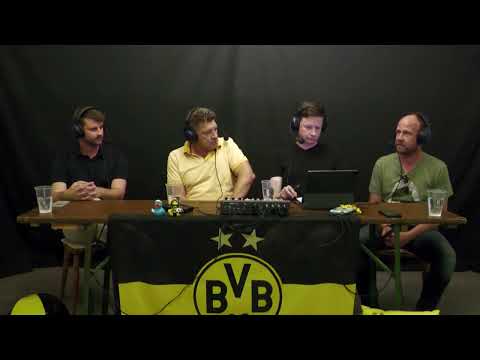
„Es kann soviel passieren. Es kann soviel geschehen. Nur eins weiß ich hundertprozentig: Nie im Leben würde ich zu Bayern gehen.“ Wahre Worte, gelassen gesungen von den Toten Hosen.Redding Road, Dogwood Coffee Shop & a sunset in 1963
„jetzt tauchen die sichtbaren Teile / der Geschichte auf, eine Folge von flimmernden Resten, / die zum Wiedererkennen aufbewahrt / und hervorgeholt sind.“ Es gibt schon einiges zu entdecken, wenn man das Cover der neuen Pan American-LP, von beiden Seiten, auf sich wirken lässt. Obwohl es Americana Ambient ist, konnte ich, weil beides von den Rändern unserer Welt erzählt, an meinem Geburtstag dazu einen alten Gedichtband von Jürgen Becker hernehmen, um zwischen Worten und Klängen zu pendeln. Eine Zeitlinie zwischen 1970, 1980, und 2024. In den Sounds, in den Zeilen versank ich, abwechselnd in die Musik, die Wortbilder, zuweilen gleichzeitig in beides.
„Reverberations of Non-Stop Traffic on Redding Road“ heisst die Arbeit von Pan American & Kramer. Ob die beiliegenden Fotos uns Redding Road am Abend zeigen? Das Gesumm von „distant traffic“ scheint Eingang in eines der Stücke dieses allerfeinst gearbeiteten Albums gefunden zu haben. Here‘s one track: „The Miner’s Pale Child’“. The calming guitar drones and swelling tones paint a serene picture. Kramer calls this piece „a wordless love letter to WS Merwin, the great American poet of nature and peace – the great champion of the weightlessness of words.“ (Gestern schickte uns Steve Tibbetts einen Gruss, und ich habe gleich den Dogwood Coffee Shop gegoogelt, in dem er hockte. In St. Paul, MS. Vielleicht ist Redding Road gar nicht so weit entfernt.)

And so it happened I was dreaming about two imaginary albums within the last days: the next Brian Eno song album (his response from some days ago, on flowworker, made it sound a bit less imaginary). And then there’s the idea of an album by Marc Johnson and Steve Tibbetts, chants of sorts (a little more imaginary, but in autumn 2024 a matter of serious discussion, hopefully). A propos „imaginary“, „time lines“, & „memories“ Eine Deepl Überdetzung von Brians Lied „All I Remember“, kaum korrigiert, liest sich so: „Alles, woran ich mich erinnere, wenn ich mich sammle, ist / Ein einsames Feuerwerk, das über einem unergründlichen Meer aufblitzt / Ich versuche, mich an all die Schätze zu erinnern, die ich in jenen Tagen fand / Aber die Verbindung ist schwach / Und der Moment ist im Dunst verloren / Neue Gefühle zu spüren / Ketty Lester, Dee Clark, Bobby Vee / Über den Deich hinaus in die Dunkelheit / Wo der Fluss zum Meer wird / Flackern in Fenstern mit 40-Watt-Birnen und TV / Das Schwirren von Mücken auf einer Wiese, Sonnenuntergang 1963.“
Auch das wiederum handelt von den Rändern unserer Wahrnehmungswelten, wie einst, expressis verbis, ein Lyrikband des Altmeisters. Das Gedicht, dessen erste Zeilen ganz oben zu lesen sind, endet so: „Die Reihenfolge ist wieder ganz anders; / anfangen kann man mitten im Sommer, / unter Lautsprechern zwischen Bäumen.“ Wie geschehen einst auf einem Workshop mit Moebius und Harmonia, Musik von den üblichen Verdächtigen, nahe Forst im Weserbergland. Das ist eine andere Geschichte.
Nicht unter dreissig Seiten, so eine Nacherzählung. Und dann müsste alles fiktionalisiert werden, die Namen zumindest, und in kleinen Episoden, sollte es gut gemacht sein, ein Nachhall geschaffen werden. Tatsächlich ist die Weser kein gemächlicher Fluss, und es bedurfte schon kundiger Hilfe, die guten windgeschützten Orte für das Baden und die Boxen zu finden. Nirgends tauchen in Forst museale Zonen auf, von den Relikten aus alter Zeit ganz zu schweigen. Keine berühmten Sonnenschirme, nicht mal die Bäume vom Cover von „Sowiesoso“. Wir wären ja auch verrückt gewesen, Bäume zu suchen. Auch von dem berühmten Bordell im Wald, ein Edelkurtisanenbetrieb alter Schule, mit Stil, Klasse und exotischen Schönheiten, war Dorfältesten nicht mal ein „Es war einmal“ zu entlocken. Das halbe Dutzend der Einheimischen hatte die 80 satt überschritten, und war mehr im Vergessen als Erinnern angekommen. In einem anderen Dorf gab es eine gesicherte Feuerstelle, die keinen offenen Brand zuliess, und wir karrten die Scheite zusammen, stöpselten die Boxen ein, holten den Strom aus einem still gelegten Wirtshaus, und liessen uns von den beiden Harmonia-Platten umrauschen. Der Wein ging rum, das Haschisch, und alle schliefen im Umkreis von zwei Kilometern. Zuvor aber hielten uns das Feuer und die Dämmerung und die Musik gefangen, und jeder erzählte eine andere Story.
in the words of Steve Tibbetts
Great design. I’ll be logging on to see what you guys write, and if I have something to add, I’ll certainly let you know.
Cheers from Dogwood coffee shop!
Fleeting thoughts on Julia Holter songs (1)
“My heart is loud,” Julia Holter sings on her sixth album Something in the Room She Moves, following an inner pulse. The Los Angeles songwriter’s past work has often explored memory and dreamlike future, but her latest album resides more in presence: “There’s a corporeal focus, inspired by the complexity and transformability of our bodies,” Holter says. Her production choices and arrangements form a continuum of fretless electric bass pitches in counterpoint with gliding vocal melodies, while glissing Yamaha CS-60 lines entwine warm winds and reeds. “I was trying to create a world that’s fluid-sounding, waterlike, evoking the body’s internal sound world,” Holter says of her flowing harmonic universe.

Sun GirlMichael: „Sun Girl“ appears like a dreamscape at a beach. There’s a thin line between song and texture, the words ethereal. The mood nearly on the brink of falling apart, then it flows again, in short rhytmic bubbles, aJoao Gilberto bossa lightness. But no bossa. Apparitions all over the place, foreground turning background and vice versa.
Olaf: This sounds like Musique Concrete with instruments instead of sounds / field recordings. Not a song, but a walk through a jungle, across a river using the bass line as stepping stones. Change is constant, everything is in flux, sunlight through spray and haze. The weightlessness of it all, pop apparitions.
These Morning
Olaf: After the misty swirl of „Sun“ a moment of calmness, the perfect sonic rendition of that sweet moment between sleep and wakefulness. Not fully awake yet, the mind wanders without the intellect by its side – through this garden of circular sounds. Love this song and its textures, the trumpet, the bass again – „just lie to me, just lie to me, just lie to me“. (I don’t really know why this song reminds me of „goodbye stranger“ by Supertramp).
Michael: „These morning get sunrise / Tall fjord, some time lost / Brush aside any words sinking to the abyss ago“. This again like notes from a dream, fragmented, pastel coloured, wonderful Wurlitzer (even the words themselves not fully awake). The first seconds like a classic pop ballad, but then the dream-o-sphere takes over, the singer gets lost in structures drifting apart, a strangely joyous feel in surroundings that may possibly harm you.
Something In The Room She Moves
Michael: The sense of the surreal is enhanced on the title track, and I love the variety of her singing here. And the sense of drama: all the instruments with their passages of power and coming to a halt, taking a breath – and clearly, you don‘t know what this is all about, but it is all brillliantly executed with a clear sense of purpose and place. And the jazz feel here: bass and saxophone are not just colouring the scene (Robert Wyatt would love Julia‘s „jazz vibes“).
Olaf: Is „the scene/ on a beach or green screen“? The music has a flow, that is natural and hyper-artificial at the same time – I do agree: it is a „sense of the surreal“. Again: I love that bass playing, a touch of Eberhard Weber – this breakdown, bass, organ, saxophone, is gorgeous & stunning – strong ECM vibes.
Materia
Olaf: Keyboard and voice in a cathedral, beautiful echos / sound reverberations / sublime sound treatments. So far the shortest song and almost a conventional pop ballad. (digression: How is this all rooted in the „pop“ tradition? Definitely not in the song structure – there is nothing like a verse-chorus-formula here. The instrumentation/arrangement is more jazzy and avantgard-ish than pop… but it definetely has a „pop“ sensibility. So what kind of music are we listening to?). The last seconds of the song are breathtaking „what of love is a matter of love is a …„
Michael: Everything in this song on the verge of falling apart: more than a whisper, less than a „real“ song. Ethereal is the word. It is strange sending emails for every single song, I am very curious about the whole experience of the album. Definitely water is the element here, there, and everywhere.
Meyou
Michael: Another meditation with certain Meredith Monk echoes, the only words here are me and you, and how they melt into one another. Classic love song area, with Gregorian moods, and minimal / disturbing eruptions. What all happens, when nearly nothing happens.
Olaf: Classic love song area – a fitting description! A the same time it is far from being a classic love song. A tonal experience: first only one voice singing and breathing, then different voices join in, delicate sounds and treatments in the background, the stage gets wider – until at the end, we only hear that one voice again. Me You. I don’t know whether I really like this, but it does recalibrate the ears, cleanses them for the second half of the album. So also a classic closer for side A of an LP.
Olaf und Michael mailten sich während freier Stunden zwischen Niedersachsen und Sylt ein paar Impressionen zu Julia Holters in Kürze erscheinendem Album „Something In The Room She Moves“. Sie hörten Song auf Song der Schallplattenseite A. Das Sequencing schien perfekt. Beide waren sich sicher, Seite B würde mit einem rhythmischen Power-Track loslegen. Und so kam es: Spinning
(Julia Holter gesellt sich wahrscheinlich dazu, wenn es um die Seite B geht, und ein paar grundsätzliche Gedanken und Empfindungen zu ihrem Werk. Wir sind gespannt.)
Jan R. in den „Elektro Beats“
Das waren zwei kurzweilige Radiostunden, und Jan Reetze wunderbar präsent in Olaf Zimmermanns „Elektro Beats“. Mit seiner ruhigen Erzählstimmer liess Jan seine Faszinatiom für „Autobahn“ lebendig werden. Bei solchen Zeitreisen gerät jeder Hörer, ein gewisses Alter vorsusgesetzt, auf eigene, verschlungene Pfade – seine Erinnerungen triggerten meine: so, wie Jan damals im NDR regelmässig die Sendung „Das neue Werk“ hörte (was macht man mit Ligeti, wenn man 15 ist?), so stolperte ich eher zufällig (once upon a time in Dortmund-Kirchhörde), über eine Stunde im WDR über Neue Musik, in der eine kleine, wie im Nu verfliegende, Ewigkeit lang, seltsam hypnotisch getrommelt wurde. Ich war wie vom Donner gerührt, liess mich dann auf die Couch fallen, auf der ich im Sommer zuvor hundertmal „Sgt. Pepper“ gehört hatte. Es stellte sich heraus, dass ich Steve Reichs „Drumming“ lauschte – was die Tiefe des Erlebens angeht, kam allerdings kein erneutes Hören an das erste Mal heran. Ich glaube, das erging Jan mit Kraftwerks „Autobahn“ anders.
Ich habe noch ein anderes, sehr geschätztes Buch, das sich, vom Titel her, einem deutschen Kraut-Klassiker widmet, neben Jans Buch, und zwar Alan Warners „Tago Mago“ aus der Reihe 33 1/3. Der grosse Unterschied zwischen beiden Büchern: Alan Warner erzählt mehr autobiografisch von seiner Lust am Plattensammeln in den wilden 60er und 70er Jahren, als dass der Fokus streng auf Cans Doppelalbum liegt. Eine schöne Art, das Thema zu verfehlen. Letztlich mochte ich das aber genauso wie Jans Art, den Meilenstein aus dem Jahre 1974 von allen Seiten zu beleuchten.
Olaf Zimmermann führte uns Zuhörer souverän durch all die Originale und Coverversionen von „Autobahn“, und ich musste schmunzeln, als er wieder und wieder das Thema der Doppelstunde in aller Deutlichkeit umriss (das Buch hat ja auch einen langen Titel, das dauert). Ein gefühltes Dutzendmal erfuhren wir, dass es in den „elektrobeats“ um Jans „Liebeserklärung an ein 50 Jahre altes Album“ gehe. Und der Autor aus den fernen USA zugeschaltet sei. Der Grund dafür war wohl, dass man neben den vielen Stammhörern auch viel Laufkundschaft bei „rbb“ hat, die schlicht erfahren soll, wieso da permanent, vielstimmig, wieder und wieder, ein paar junge Männer davon sangen, auf der Autobahn zu fahren.
Der Link zum Nachhören: HIER
Aus diesem Anlass unternahm flowworker vor ein paar Tagen zwei Zeitreisen: Musikjournalist und Musiker Michael F. erinnert sich an frühe Kraftwerk-Konzerte. Und ich stelle meine 20 Lieblingsalben aus jenem Jahr 1974 vor. A propos alte Zeiten: nun ist ein weiteres Live-Album von Can erschienen, „Live in Paris 1973“, und der enthusiasmierte Kritiker in „Uncut“ ist nicht nur von der Improvisationskunst, sondern auch von der Soundqualität des Albums sehr angetan. Eins ist sicher: Jan R. und ich werden da nicht nur „reinhören“, wir werden da „eintauchen“. „Fifty-one years on, time has still not quite caught up with Can. Essential.“ Schreibt Tom Pinnock.
Licht aus, Licht an
Beth Gibbons glänzt als Vokalistin, die auf jede Art von Glamour und Virtuosität verzichtet. Ihr Gesang klingt nie leicht und wendig. Oft werden die Stimmbänder forciert und strapaziert, so dass die brüchigen Melodien gerade noch hörbar bleiben über dem Kratzen des Kummers – ähnlich wie die schrillen Flageoletts der Geige, die die Metallsaiten in den höchsten Lagen freigeben. Aber Beth Gibbons’ prekäres Singen nimmt sich aus wie ein akustisches Stigma, das die Dringlichkeit ihrer Musik und ihrer Botschaften beglaubigt.
Und stets verzichtet sie auf das Rampenlicht. Ihr zurückhaltendes, schemenhaftes Auftreten erinnert bisweilen an eine Nonne, manchmal gar an einen Zombie. Mit gekrümmten Schultern, von Schatten umfangen, steht sie vor dem Mikrofon, an das sich ihre gefalteten Hände klammern. Die Strähnen fallen ihr so tief ins Gesicht, dass ihre Mimik verborgen bleibt. Nur selten scheint ihr ein Luftzug ein paar Lichtstrahlen ins Gesicht zu wehen, was ihr einen umso gespenstischeren Ausdruck verleiht.
Leidet Beth Gibbons tatsächlich?, mag man sich fragen. Ist die Frau, die während des Konzerts kein Wort ans Publikum verliert, tatsächlich depressiv und verzweifelt? Wenn das Publikum zuletzt aber begeistert applaudiert und das Licht angeht im Saal, verwandelt sich die 59-jährige Künstlerin in eine zufrieden lächelnde Frau, die zwar Bescheidenheit ausstrahlt, aber auch viel Selbstbewusstsein und Gelassenheit.
(aus einem Text über Beth Gibbons‘ Züricher Konzert)Michael Franks Erinnerungen an drei frühe Kraftwerkkonzerte
1971, wenige Monate vor meinem 14. Geburtstag, habe ich im Audimax der Freiburger Universität während der Sommerferien mein allererstes Rock-Konzert besucht – in Obhut des knapp zwanzigjährigen Sohnes einer befreundeten Familie. Auch das werde ich ihm nie vergessen. Leider lebt er schon lange nicht mehr.Die Wörter „Rock-Konzert“ und „Kraftwerk“ passen vermutlich in der heutigen Wahrnehmung der Band nicht mehr zusammen, aber 1971 war das, was Kraftwerk live ablieferten, ganz eindeutig Rockmusik. Und das lag nicht zuletzt an Drummer Klaus Dinger. Die Band trat damals als Trio auf, Gründungsmitglied Ralf Hütter war gerade mal nicht dabei, aber immerhin noch Florian Schneider-Esleben. Und Michael Rother spielte auf seiner Gibson Les Paul mitunter Riffs, die problemlos in Jam-Sessions diverser Rockbands passen würden. Aufgrund der ungewöhnlichen Klangfarben, die bei Kraftwerk 1971 zu hören waren, wurde daraus natürlich Rock der experimentelleren Sorte.
Ich nehme an, dass sich die meisten noch an „das erste Mal“ der Begegnung mit Rockmusik in voller Konzertlautstärke erinnern können – das Erlebnis, bestimmte Frequenzen nicht nur über die Ohren sondern im Körper wahrzunehmen, vor allem tiefe Töne direkt im Brustbein und oder Magen zu spüren, war für mich gleichzeitig leicht beunruhigend und euphorisierend. Letzteres Gefühl gewann im Sommer 1971 aber schnell die Oberhand.
Kraftwerk spielten vor allem Stücke von ihrer ersten LP, „Ruckzuck“ gab’s sogar zweimal. Beim Versuch, das Konzerterlebnis anhand der Debüt-LP zu wiederholen, fand ich die Studioversionen von „Stratovarius“ und „Vom Himmel hoch“ ein bisschen verhalten. Mir kam es so vor, als ob die Groove-Passagen der Nummern im Konzert länger und heftiger ausgekostet wurden. Trotzdem hörte ich mir die Platte oft und gern an. 1971 war das Trio auch in der TV-Sendung „Beat-Club“ von Radio Bremen mit einer Nummer zu sehen, allerdings im Vergleich zum Konzerterlebnis auch eher schaumgebremst. Näher an dem Live-Sound, den ich 1971 in Freiburg hörte, ist ein Mitschnitt von Radio Bremen aus dem Gondel-Kino vom 25.6.71. Er kursiert seit mehreren Jahren in LP und CD-Form und auf youtube.
Knapp zwei Jahre später, im Mai 1973, habe ich ein Konzert von Hütter und Schneider-Esleben im damaligen Kunstverein am Kölner Neumarkt besucht. Sie spielten in einem kleinen Raum, der wie ein mittelgroßes Büro- oder Ausstellungszimmer wirkte. Sie firmierten damals, wenn mich meine Erinnerung nicht täuscht, als „Ralf und Florian“. Das war ein gutes halbes Jahr bevor die gleichnamige LP erschien. Ob ihre Single „Kohoutek-Kometenmelodie“ schon erschienen war, konnte ich bisher nicht herausfinden.
In den kurzen Notizen, die ich mir damals zu dem Konzert gemacht habe, steht, dass sich ihre Musik zu deutlich ruhigeren und entspannteren Stücken hin entwickelt hatte. Heute würde ich das wohl als eine leicht zugängliche Art von Minimal Music bezeichnen. In Erinnerung blieb mir auch, dass Florian Schneider-Esleben vor dem Konzert mit seinem Campingstuhl rückwärts umkippte. Eine unbeabsichtigte Slapstick-Einlage, die er ohne Blessuren überstand.
Am 22. März 1975, einem Samstag, traten Kraftwerk in der Sendereihe „Nachtmusik“ im großen Sendesaal des WDR in Köln auf. Das war knapp ein halbes Jahr nach Veröffentlichung ihrer LP „Autobahn“. Karten gab’s umsonst, wenn man sich rechtzeitig drum kümmerte. Moderiert wurde der Abend von Winfried Trenkler, dessen Sendungen „Pro Pop Music Shop“ oder „Rock In“ ich und viele andere eine Menge musikalische Anregungen verdanken.
Kraftwerk traten an dem Abend zu viert auf, neben Hütter und Schneider-Esleben waren Karl Bartos und Wolfgang Flühr auf der Bühne. Flühr und Bartos trommelten mit ihren Drum-Sticks auf kleinen Pads und triggerten so elektronische Perkussionklänge. Hatte ich vorher noch nicht gesehen/gehört. Mit Kraftwerk anno 1970/71hatte das natürlich nichts mehr zu tun, weder optisch noch klanglich. Der Schwenk zu schlichten Spieluhr-Melodien und Akkordfolgen war endgültig vollzogen worden. In der damaligen Zeit von Progrock- und Hardrock-Mainstream hatte das einen ganz eigenen Charme. Die Band spielte an diesem Abend Stücke von allen bis dahin erschienenen LPs:
„Kling-Klang“, „Tanzmusik“, „Kohoutek-Kometenmelodie“,„Ruckzuck“, „Autobahn“ und nach Sendeschluss um 24 Uhr noch die Zugabe „Kristallo“. Zumindest „Kohoutek-Kometenmelodie“ ist von diesem Konzert auf youtube überliefert.
Brian Whistler on „Music For Black Pigeons“
I bought my copy of „Music for Black Pigeons“ a number of months ago, watched it and was very moved by it. But it wasn’t until I revisited it yesterday during a break in a session of free playing with a talented percussionist that I really fully appreciated it. Seeing it with a fellow artist allowed me to see it with fresh eyes and ears.
After viewing it a second time, I realized just how artfully this film is executed. It is more than merely just another music documentary, it is really a humanistic art film that focuses on aging, love and the shared passion for artist collaboration. And of course, always the beautiful music.
While the film centers of guitarist Jakob Bro, the beating heart of this film is in the elder players who recognized his talent and wanted to play with the young Danish maestro. Structurally, the film takes its time, setting the scene for each location, lingering on buildings or street scenes, giving the viewer a sense of place and atmosphere before diving in to the more intimate scenes.
The brilliant direction and editing takes advantage of the nearly 15 years of filming, exploring the themes of aging and the deepening love between collaborators and lifelong friendships. All of this moves back and forth in time, revealing the personalties of each player through fly on the wall moments in the recording studio and on stage.
Punctuating these vignettes are revealing interviews with many of the players. Unlike many such films, the questions are probing, the answers provocative and often profound. As a lifelong musician with a long career in music, I found the artists’ struggle to answer these questions relatable and incredibly insightful.
There are so many highlights it’s hard to pick just a couple. I loved every moment Lee Konitz is onscreen. He is painfully honest and real, and his humbleness is completely genuine. Here is a guy who has been a part of so many scenes in several important eras, and still demonstrates a childlike beginner’s mind in relation to Bro’s contemporary approach to modern music, and even though he admits to not fully understanding what’s going on, nonetheless embraces the moment and throws himself into the music wIth spontaneity, imbuing every note in each solo with meaning, great heart and wisdom. Just watching the love and recognition amongst his peers, especially the look on Jakob Bro’s face as Lee overdubs a brilliant solo that can only come from a lifetime of dedication to his craft, is worth the price of admission.
I also loved the portrait of nerdy bassist Thomas Morgan as we watch his morning regimen, getting on the PC (programming in DOS no less,) to cue up an incredibly diverse program of music while he performs his morning stretches and his own peculiar variations on yoga postures, then selecting his clothes for the day. Delightful as is his quirky interview, which starts off with one the longest pauses in documentary history.
There are a great many musicians featured in this documentary. From memory and in no particular order: Bill Frisell, Thomas Morgan, Joe Lovano, Joey Baron, Paul Motian, Jorge Rossy, Craig Taborn , Palle Mikkelborg, Arve Henricksen, the late John Christiansen, Mark Turner, Andrew Cyrille and several others. A number of these artists are also interviewed, as well as the ones I mention here.
I don’t want to give too many things away here for those who haven’t had the pleasure of viewing this film, but I will also add that the beautiful scene with Manfred Eicher in the studio with Bro and compatriots recording Bro’s tune dedicated to Tomacz Stanko, really touched my heart. The camera wanders around the control room and rests on a picture of a younger Eicher and Stanko and other photos from a decades long association. In his interview, Manfred Eicher tries to express his feeling about his many years in the recording studio with Stanko, finding himself at a loss for words, before he is finally overcome with emotion and unable to continue.
In the end, this film is a poignant portrait of elder musicians with really young hearts meeting with a younger generation of open creative artists, who are still willing to exploring the edges of creative boundaries, even towards the end of their lives. The film also makes it clear that it’s the music that transcends the disparities of race, age, gender and cultural origins. All of these differences are ultimately superficial when artists come together with a common purpose.
I want to add that this film looks absolutely gorgeous; even though it was released on DVD, it looks as good (and sometimes better) as many of my BluRay discs. I honestly don’t know how they pulled that off, but they did. Also the sound, which is in Dolby Digital, sounds equally amazing, as good as many uncompressed Master Audio HD soundtracks in my Bluray collection.
Peaky Blinders (1-6)
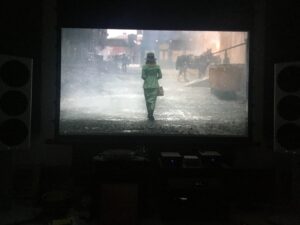
We‘re happy to report that we fell hard for Peaky Blinders. However familiar its building blocks, the U.K. gangster drama is positively bursting with irrepressible energy, and it’s proof that, whatever a show’s premise, capable execution is everything. A dance from abyss to abyss. Noir and deep. There is probabyly no lover of Nick Cave‘s musical worlds who doesn‘t fall for this epic journey. On the last two seasons Anna Calvi delivers. Sometimes haunting and overwhelming, always powerful and affecting, Calvi brings Shelby’s life before our eyes purely with her sound. Impressively, she plays all of the instruments – including ones she was less comfortable with, namely violin, piano and percussion – the results are unforgettable and the rawness is completely intended.
Maureen Ryan & Michael Engelbrecht
Old Würzburg Night
In that summer of things that went terribly wrong, I lived in a rather empty apartment in which the shadows of an old love still danced on the wall. Every month I bought „Sounds“, the best music magazine that existed in old Germany. I was browsing through the latest issue when my eyes fell on a small advertisement from Polydor: „The man in the background“, a monochrome gray cover was depicted, and the release announced with calculated understatement.
Two or three days later, I held Brian Eno’s „Music For Films“ in my hands. And heard it for the first time. I have listened to this record, with its fleeting sketches that take me on every flight, its utter incompleteness, its longing and fear and dream material, endlessly since then, consciously, unconsciously, in the background, in the foreground, in between. When walking (with a button in my ear), when writing, when falling asleep, waking up, in a foreign country. And as an alternative for „the cigarette after“. The first time I heard it, I knew that this music would accompany me throughout my life. It quickly became a medicine too, helped me to dance with the naked shadows on the empty wall instead of scaring them away.

And when a giant tried to throw me out of bed and out of my apartment on the 7th floor. I tried to calm my mind with cocoa, but the nightmare returned and I made myself a hot toddy with the good old pot, then took the car to a large empty field near Würzburg, experienced the sunrise there and had my only deeply moving encounter with a Bach cantata from the weird car radio, and then returned home to the nightmare apartment, I played Brian‘s album and experienced how completely irrational vibes of happiness that had already set in on the cool morning field continued to spread and I even looked forward to the next encounter with the giant. (m.e.)