Uncategorized
Der lange Schlaf des liegenden Elefanten (für Lajla, die sich am besten von uns allen mit Inseln auskennt)
Als ich 1998 auf Lanzarote war, wusste ich über das Magazin „Opal Information“, dass es dort ein Festival gab namens „Musica Visual“, das von dem Bildenden Künstler Ildefonso Aguilar de la Rua kuratiert wurde. Über etliche Jahre traten, bis 2000 alle Subventionen von einem konservativen Bürgermeister gestrichen wurden, früh im Oktober, Künstler auf, vor allem aus den Kreisen von ECM und Brian Eno. Als Brian einmal Ildefonso besuchte, verschwand er eine halbe Stunde zwischen zwei Bäumen und lauschte dem Wind, völlig erstaunt darüber, dass das Geräusch aus Laub und Wind exakt wie eine Meeresbrise klang. Für den Deutschlandfunk kaufte Harald Rehmann über zwei Jahre ein paar Konzerte ein (er überliess mir als Mann vor Ort die Auswahl). Ein Highlight war gewiss der Liveauftritt von Peter Schwalm und Brian Eno auf dem Boden eines Vulkans. Bei den Zuhörern dabei der Pianist Misha Alperin, den ich beim abendlichen Büffet Brian Eno vorstellte.
Nun fand in diesem Oktober – und ich lüfte hier ein lange gehütetes Geheimnis – im letzten Urlaubsmonat der Insel Kreta (bevor die meisten Hotels und Geschäfte ihre Pforten schliessen) eine besondere Performance statt, alle zwei Tage, und jeweils vier Stunden lang: über 16 wuchtige Lautsprecher wurde bis zum gestrigen Finale auf der „Zwiebackinsel“ vor Matala „Evening Star“ von Fripp & Eno gespielt, rauf und runter, ein Album, das im Dezember 1975 erschienen war und der begrifflich noch nicht in den kulturellen Diskurs geworfenen „Ambient Music“ frühe Horizonte öffnete.
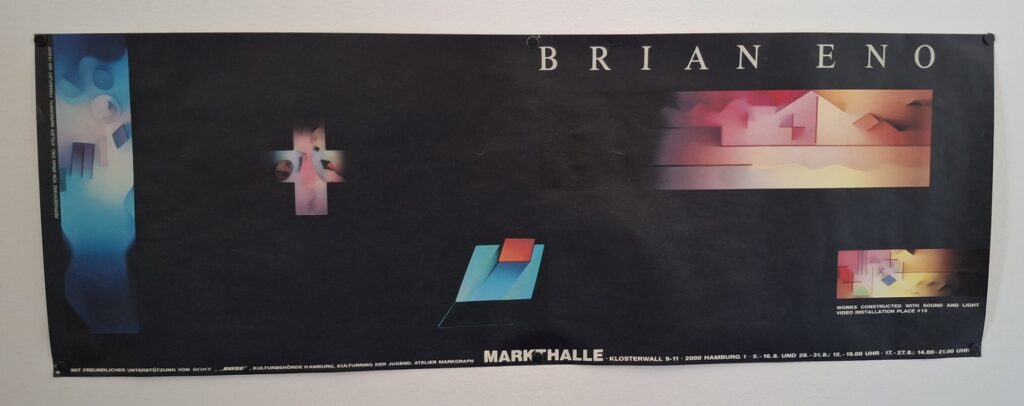
Ich hatte also die Idee und die Beharrlichkeit, die Tourismusexperten sorgten für Logistik, Handzettel, eine aufwendige, aber einfache Installation mit Bose-Boxen (kein visuelles Beiwerk) und die Bootsfahrten. Verpflichtet zu sieben Teilnahmen an den Bootstouren als eine Art „Animateur“ und zu zwei Vorträgen in den Gemeindezentren von Pitsidia und Matala, bekam ich 8000 Euro auf mein Konto überwiesen. Und einen Tagesspesensatz von 150 Euro. Aber der Reihe nach!
Es ist pure Mythenschinderei, Matala zu einem Power Spot von Legenden der Hippieära zu erklären. Kein Bob Marley war hier, keine Bob Dylan, faktenkundig ist allein Joni Mitchell, die hier mit ihrem Kurzzeitlover in den Höhlen vor Ort, im damals einzigen Dorfcafé, und billigen Unterkünften etliche Tage und Nächte verbrachte: der Song Carey aus dem Album „Blue“ war wohl das einzig Zeitlose an dieser Episode. Ansonsten ist noch ein langer Aufenthalt des Barden Georg Danzer verbürgt (die Älteren werden sich erinnern) – und, hört, hört, ein kurzer Abstecher von Fripp und Eno zur Zeit ihrer kurzen Europatournee im Frühjahr 1975 als Duo mit Revor-Tonbandmaschinen, Delays und Frippertronics. Hier wollten sie einfach ein paar Tage abschalten, und speziell Fripp war gespannt auf die afrikanischen Winde, die Joni in besagtem Lied besang („The wind is in from Africa, last night I couldn’t sleep“).
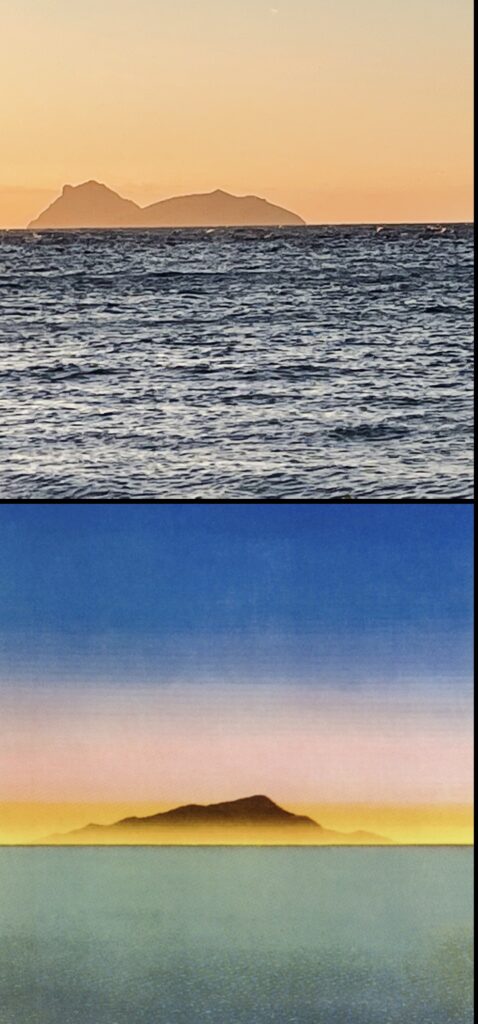
Das alles wurde erst unlängst jenem Kreis von Kinogehern bekannt, der eine bestimmte Fassung der Doku „Eno“ gesehen hatte. Dort erfuhr der geneigte Zuschauer, dass die Felseninsel vor Matala die Idee des Covers von „Evening Star“ auf den Weg brachte. Als Inspiration, als Stimmungsbild, nicht als fotografische Abbildung! Mir war diese Begebenhetm erstmals zu Ohren gekommen, als ich Brian vor zwei Jahren aus Matala schrieb. Und als er das am Rande erwähnte, neben seinem Wunsch nach einem langen Urlaub und viel Schlaf, kam ich auf die Idee dieser „speziellen Veranstaltung“ rundum die Paximadia-Eilande. Erst aus der Nähe wird erkennbar, dass es sich eigentlich um zwei kleine unbewohnte Inseln handelt, ansonsten wirkt es wie eine einzige Felsenmasse.
Manche sprechen auch von der „Elefanteninsel“, weil aus einer bestimmten Perspektive die Silhouette an einen liegenden Elefanten erinnert, sowohl von Agia Galini aus wie von Matala. Dass der Name in den Landkarten als Paximadia geführt wird, leitet sich wiederum vom griechischen Wort Paximadi ab für den harten kretischen Doppelzwieback. Kein Wunder: die karge felsige Form erinnert an dieses trockene Gebäck.
Als ich mich vor zwei Jahren mit Hilfe des Dorf-Urgesteins Kostas zu dieser Inselformatiom fahren liess, nahm meine etwas verrückte Idee klare Konturen an. Obwohl sie aus der Ferne wie kahle Steinblöcke im Meer aussehen, gibt es auf der Südseite der östlichen Insel einen geschützten Kiesstrand mit kristallklarem Wasser. Und keinerlei touristische Infrastruktur. Bingo – die Insel war betretbar!
Und so nahm die Sache ihren Lauf. Wahrscheinlich wird es mir niemand glauben, aber schon bei meiner ersten Reise nach Matala vor vier Jahren fühlte ich mich beim Anblick Blick der Felseninsel an das Cover von „Evening Star“ erinnert, und keinesfalls an einen liegendem Elefanten. Ein anderes Mal werde ich einige Anekdoten zum Besten geben, die sich rund um meine Vorträge und Bootsfahrten abgespielt haben, und diese Stories haben gewiss nicht weniger Unterhaltungswert wie die hier kurz skizzierte Entstehungsgeschichte. Von Anfang am liebte ich die erst Seite des Albums, die ich unendlich oft gehört habe (wie auch den Vorgänger „No Pussyfooting“!) – die harsche zweite Seite hat mir nie gefallen, aber das hat sich nun zumindest ein wenig geändert: das lange Stück, hartdröhnende „An Index Of Metals“ hat seinen perfekten Ort gefunden!
Monthly Revelations for November (take 2)

album SHOVEL DANCE COLLECTIVE: EVERYTHING IN READINESS** / film HOUSEKEEPING (1987) / prose SIMON REYNOLDS: STILL IN A DREAM / talk ANOTHER DAY IN BERLIN – IN CONVERSATION WITH BRIAN ENO IN 2005* / radio A STEVE TIBBETTS PORTRAIT & THE LAST TWO EDITIONS OF KLANGHORIZONTE / binge AMERICAN HOSTAGE / archive 25 YEARS OF DRAWN FROM LIFE BY BRIAN ENO AND J. PETER SCHWALM (followed in December by Jan Bang‘s time traveling to the year of the rat, 1960)
*Brian Eno: Caught Between (Official Live Video)
**Wer den mitreißenden Folk-Ansatz des Shovel Dance Collective bisher noch nicht kennt, sollte sich darauf einstellen, dass ihr drittes Album nicht gerade darauf aus ist, Neulinge sanft an die Musik heranzuführen. „Everything in Readiness“ beginnt mit einer mehr als 10-minütigen Suite aus drei Stücken, die einen über eine Reihe dramatischer klanglicher Sprünge von einem knirschenden Ein-Ton-Drone zu einem Reel führt, der eine Mischung aus traditionellem Folk-Fiddle-Spiel und dem gnadenlosen Getöse von „Black Angel’s Death Song“ der Velvet Underground zu sein scheint. Dann folgt ein Sprung zu „Tally Ho! „Hark Away!“, das ein erstmals in den späten 1940er Jahren gesammeltes Jagdlied über eine Welle von etwas legt, das man am besten als ekstatischen Lärm beschreiben könnte. Es ist wirklich schwer herauszufinden, welche Instrumente in dem klappernden, arrhythmischen Chaos hinter dem Gesang mitschwingen – definitiv ist eine stark verzerrte Gitarre im Mix zu hören –, doch der Effekt ist eher seltsam euphorisch als klaustrophobisch: eine Art befreiende Entladung nach der sich steigernden Seltsamkeit des vorangegangenen Reels. Wenn Sie nach Beweisen dafür suchen, dass die neunköpfige Londoner Gruppe einen radikal neuen Ansatz in der Folkmusik verfolgt, dann haben Sie ihn hier. Vereinfacht ausgedrückt tun sie für die traditionelle englische Musik das, was Lankum für ihr irisches Pendant getan haben – sie verbinden die Punkte mit jener Art von ausgefallenen Experimenten, die die Seiten des Magazins „The Wire“ füllen. Allerdings sollte angemerkt werden, dass sie fast gar nicht nach Lankum klingen. Wer sich bereits für ungewöhnliche Erkundungen der britischen Musikgeschichte interessiert, könnte meinen, dass ihr chaotischer Collagenansatz eher den faszinierenden Sammlungen von Feldaufnahmen, Volksliedern und avantgardistischen Kompositionen ähnelt, die vom in Todmorden ansässigen Label Folklore Tapes veröffentlicht wurden. Die Musik auf „Everything in Readiness“ schwankt unvorhersehbar zwischen sanften Lo-Fi-Aufnahmen, die von Verzerrungen und Bandrauschen überzogen sind, und dem turbulenten, wogenden Krach, den sie in ihrer Version des traditionellen Bergarbeiterlieds „Jowl, Jowl and Listen“ servieren; vom Gesang, der von nichts anderem als Vogelgezwitscher begleitet wird, bis hin zum beunruhigenden Ambient-Schimmer von „Who Killed Cock Robin? A Summoning (Kind Morning in our Fists) hin, das klingt, als wäre es in einer riesigen, hallenden Krypta aufgenommen worden.
(Alex Petridis, The Guardian)
Geschichten rund um „Thursday Afternoon“ (für Jan Reetze)
Im Oktober 1985 erschien Brian Enos 61-minütige Ambient-Komposition „Thursday Afternoon“, und auch wenn ich damals, Ewigkeiten nach „Before And After Science“, zu gerne mal wieder ein neues Songalbum von ihm gehört hätte, tauchte ich auf Anhieb in diese seltsam-ruhigen, mit Worten kaum greifbaren, immerzu schwebenden Texturen ein. Sehr gleichformig, keine crescendi, keine breaks, und doch… und doch…
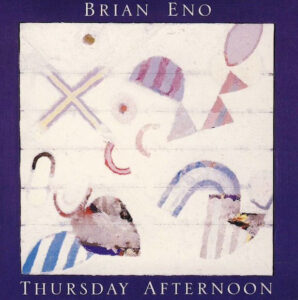
Hatte Robert Wyatt Klavierspuren der kristallinen Art hinterlassen (high end close miking!) , auf „Music For Airports“, so waren Roger Enos impressionistische Klaviertupfer auf „Thursday Afternoon“ weitauf tiefer im Mix eingesunken. Brian betont gerne das Funktionale, und so war „Thursday Afternoon“ damals eben auch dazu gedacht, das neue Medium der CD auszureizen mit einer gut einstündigen Verweildauer, bei welcher das Umdrehen von Schallplattenseiten wegfiel, und man sich ganz auf die Klänge konzentrieren konnte, oder sie einfach laufen liess, als – seltsam sublimen wie aktiven – Hintergrund.
„Es ist, als hätte der Nachthimmel eine Komposition erhalten.“
Jeder kleine Augenblick spiegelt das Ganze – der holistische Dreh! Allemal ein Phänomen, wie viele Hörer „Thursday Afternoon“ ohne eine Spur von Langeweile lauschen, von Anfang bis Ende, bewusst, halbbewusst, oder unbewusst! Niemals greifbar, einnehmend ohne Platitüden, ein wenig rätselhaft auch, und dann … einfach verschwunden.
Ein Meisterwerk aus Licht und Schatten, das hintergründig fesselt – und sowieso als eigenständiges Hörerlebnis. Fesselt und loslässt zugleich.
In einer Rezension in „Stereo“ regte sich der renommerte Musikkritiker Franz Schöler fürchterlich über die analoge Quelle der Klavieraufzeichnug auf, deren Bandrauschen auf dem fertigen Produkt durchweg zu hören sei. Warum um alles in der Welt, rief er sinngemäss in die Runde, warf die Hände wohl wild in die Lust, wo doch das Digitale alles Rauschen eliminieren könne!??
Darauf von anderer Seite angesprochen, bekannte sich Brian zu seiner Freude am analogen Rsuschen, und sprach dem „tape hiss“ allerlei Qualitäten zu, sicher keine ausgefuchtse Volte, um Kritiker auf seine Seite zu ziehen. Er mochte dieses Element des Unperfekten, den nicht-aseptischen „Staub“, Spuren der Unreinheit. Psychoakutischer „sidestep“: wer jetzt nicht wild entschlossen auf das Rauschen achtet, nimmt es nach wenigen Minuten gar nicht mehr wahr!
“Thursday Afternoon“ trat zudem auch als Soundtrack in Erscheinung. Wer Enos DVD gleichen Titels besitzt, kann in dem 61-minütigen Film eine nackte Frau in einer Badewanne beim Daliegen zuschauen (in meiner Erinnerung sehr weichgezeichnet, wie in einem Soft Porno von David Hamilton – das Schamhaar musste für den japanischen Markt weggepixelt werden!), und was die Farbgebung und -filterung angeht, hatte das minimal bewegte Schaumbad durchaus einen Touch von Jean Renoir. Aber, seriously, auf Dauer war diese Kopplung von Sound und „Film“ arg langweilig – die grossartige Musik von „Thursday Afternoon“ verträgt schlcihtweg keine Eingrenzung auf ein visuelles Motiv gleichwelcher Art. Die Musik braucht den offenen, inneren Raum, seine privaten Horizonte!
Übrigens: das Label 12k wurde 1997 von dem Musiker und Klangkünstler Taylor Deuoree gegründet, kein Unbekannter in den „Klanghorizinten“. In Interviews erzählte Deupree, dass ein wiederholtes Hören von Brian Enos Ambient-Meisterwerk Thursday Afternoon (das er 1986 bei einem Freund rauf und runter hörte, während sie schliefen) seine Einstiegsdroge in die Ambient-Musik war und seine gesamte musikalische Philosophie sowie die spätere Label-Gründung maßgeblich beeinflusste.
Kurzes Nachspiel mit einem Tauchpionier
Wenige Jahre nach „Thursday Afternoon“ wurde mir, im ersten Jahr der „Klanghorizonte“ ein neues Album von Jean Michel Jarre zugeschickt, und ich schüttelte verwundert den Kopf. Der Franzose war uns in den 1970ern bestens bekannt mit seinen von Synthesizern geprägten, kommerziell sehr erfolgreichen Alben „Equinoxe“ und „Oxygene“. Kaum ein Studentenwohnheim, wo das Donnergegroll, das Walzerhafte und Sphärische des einesn oder anderen Ohrwurms nicht durch die Flure hallte. Aber was war das!? Ganz offensichtlich, und ich habe jetzt nichts gegoogelt, hatte Jarre „Thursday Afternoon“ sehr oft gehört, denn ich erkannte auf Anhieb einzelne Motive oder Texturen wieder, doch was Eno als Ko-Komponist oder zumindest Inspiration aufgeführt. Abgesehen von dieser „freundlichen Übernahme“ erschien mir Verknüpfung der (maritimen?) Sounds mit den als Kind gern gesehehen Meereserkundungen von Monsieur Cousteau verlockend. Eine kleine Copyright-Kontroverse wäre durchaus denkbar gewesen. Nicht mal ein Merci auf der Rückseite der Cd. So verschwommen meine akutsichen Reminiszenzen sind, „Waiting For Cousteau“ empfand ich damals als durchaus feines Stück Musik.
the art of dialogue
In the net i found an new spoken review by a guy who gave very few insights into the album in question. In parts t seemed very poor. Cliché after cliché, no single analysis of a track. Well, I don‘t have any problems if someone loves, likes, or dislikes an album. That‘s where dialogue comes into play.
i answered him: At least your review scratches the surface of the surface. Digging a bit deeper would help. ANOTHER DAY ON EARTH is another fantastic Eno song album with an interesting melange of song structures and ambient elements. They intertwine perfectly. You missed melodies? Well, listen again, to How Many Worlds or Just Another Day, Caught Between or Bottomliners … maybe some them take time to evolve, some are nearly singalongs, my friend. Eno unfolds a „theatre of voices“ of a class beyond any mainstream expectations. And surely miles away from such a limited strangely self-comscious parlando, Apart from that, the whole album conains a multitude of emotions and „states of mind“ that make it unique, too. The last piece about a suicide bomber was a track David Bowie absolutely admired, and for good reasons, and really doesn‘t deserve such a trivial response. Sorry for open words. No hard feelings. Then he answered me.
I’m sorry, it’s a really mediocre record and you’ve got your nose stuck up his arse.
1960 The Year of the Rat
Every now and again I get together with two of my friends playing music chronologically from the year of 1950 until present day. This has been going on for years. Here are ten (mostly) album releases included on the list from the year of nineteen sixty.
The Abyssinian Baptist Gospel Choir – Under The Direction Of Professor Alex Bradford (Columbia) Among the records from our family’s record collection was a compilation from Readers Digest of Gospel music – one track stood out. It was Said I wasn’t gonna tell nobody by The Abyssinian Baptist Choir. What caught my attention except for the fact that the music being so wild and free and full of spirit, was that you could hear the sound of the room and that the sound was so important to the way I experienced this music. It had a great sense of atmosphere to it. Recorded from a distance to the choir/piano.
Key track: „I said I wasn’t gonna tell nobody„
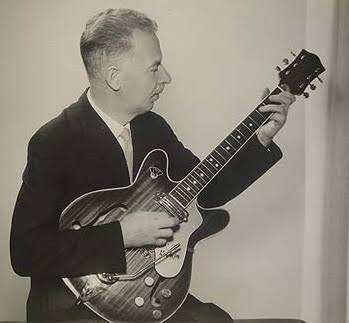
Robert Normann – My prayer (Columbia Norway) Robert Normann, a Norwegian guitarist often to be seen as intermission at NRK, the state TV´s single channel in the 70´s when there was a gap between programs. Normann used a studio technique developed by Les Paul around the same time. Speeding down the tape for his recording and then speeding up the tape again in the mix. Holger Czukay´s signature guitar sound used the same featured technique as can be heard on „Persian love“ from Movies.
Key track: My prayer
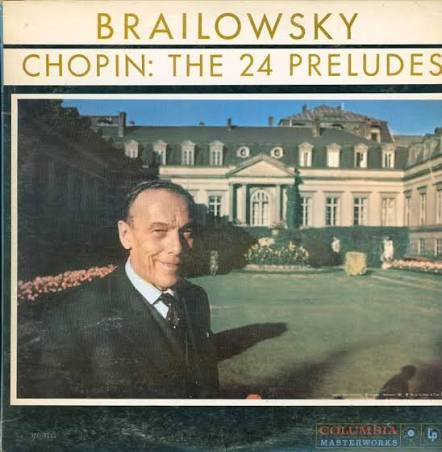
Brailowsky – The 24 Preludes (Columbia Masterworks) Brailowsky´s prolific Chopin recordings in the sixties was well documented and my father seemed to have bought every release of his throughout the 60´s. His Chopin recordings became part of my DNA and particularly this piece. Gainsbourg later wrote lyrics to it and credited it „Jane B“ with himself as composer.
Key track: Opus 28. No.4 in E Minor. Largo
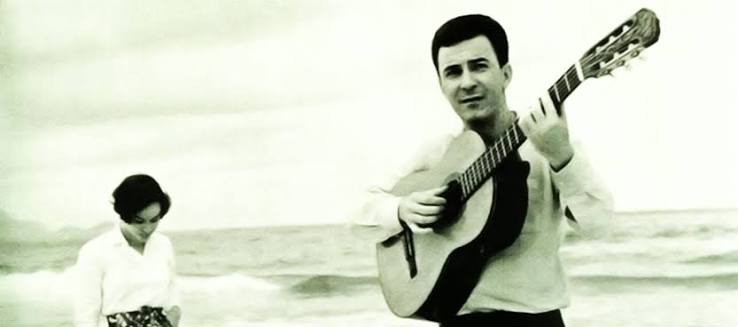
Joao Gilberto – O Amor, O Sorrisso E flor (Odeon) Perhaps the most unique and in my opinion the most important recording of the decade was not the British rock bands, but the Bossa Nova movement that happened in Brazil. One of the century’s most important performers being Joao Gilberto who came to have a huge impact in Brazil, America and in Europe in decades to come.
Key track: Corcovado
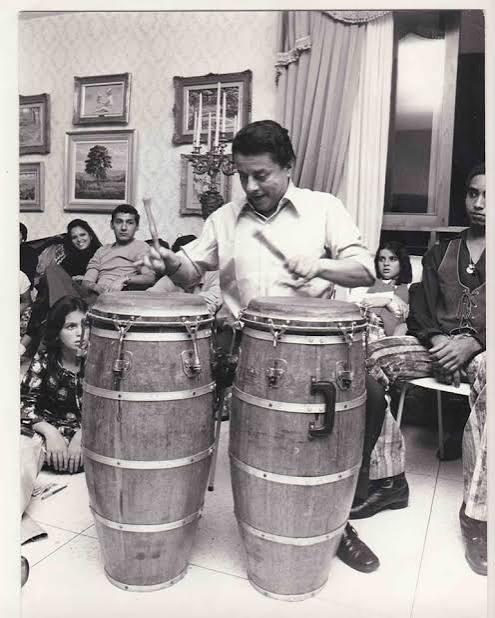
Tito Puente and his Orchestra – Tambó (RCA VICTOR) Latin percussive groove album. Influential to Masters of Work Nu Yorican Soul, especially the remix of their glorious Roni Size remix „Watching Windows“. Produced by Marty Gold, son of Russian immigrants who migrated to NYC. Gold was a composer, arranger, producer and an audiophile. He was the architect of the «Living Stereo» series in the sixties. Tambó was recorded at the Webster hall in NYC using a special microphone technique that created a natural reverberation. Using the rooms acoustics to full extent as opposed to the dry dampened studio sound and keeping the dynamic range to a maximum using a minimum of compression. This involved placing the section of the musicians in different parts of the recording space.
Key track: Rumba Timbales
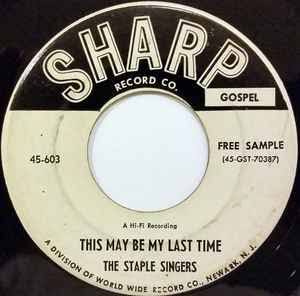
Staple Singers – This may be the last time (Sharp Records) The exception on this list of albums. The staples singers released two seminal singles in 1960. «This May Be the Last Time» being one. The other being «Why Am I Treated So Bad». Staple Singers were included on the box set from Readers Digest presented on the LP of Country Soul.
Key tracks: This may be the last time / Why am I treated so bad
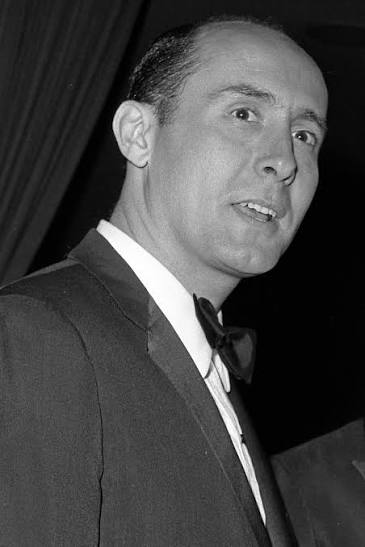
Henry Mancini – Music from Mr. Lucky (RCA) The wonderful Ljuon taken from the OST album «Mr. Lucky» is just the perfect sunny summer track. British composer John Barry have listed Mancini´s Peter Gunn as the inspiration for the original Bond theme. Listening to «Softly» tells me Mancini´s influence was not just the Bond theme but the entire Bond sound.
Key track: Softly
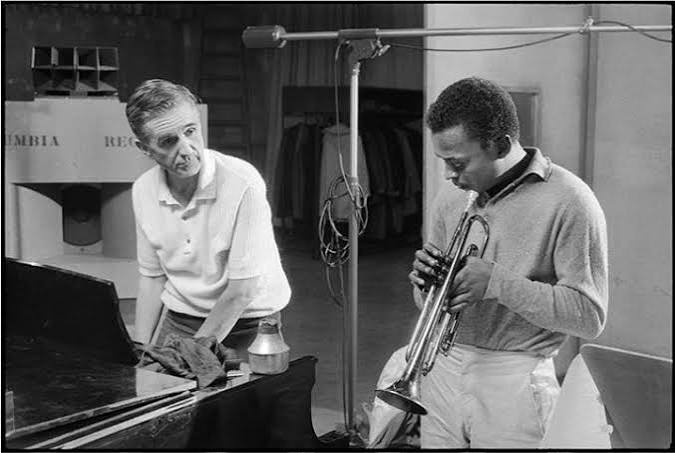
Miles Davis – Sketches of Spain (Columbia) Miles / Gil Evans – Hassell lived in the building across the street from Gil Evans in NYC but the two never met. Wonder how the music would have sounded like if they did..
Key track: Solea
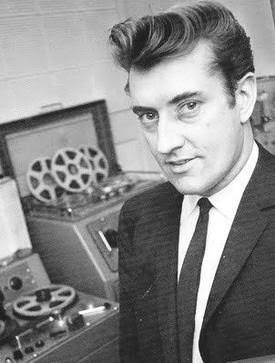
Joe Meek and the Blue Men – I Hear a New World (Triumph) Originally recorded in 1960. This is the first complete LP release of Joe Meek’s long lost ’60 album. Recorded in ’59 but never released. In early ’60 a total of 99 promotional EP sample copies consisting of only 4 songs each were mailed out in plain white labels to radio stations, though more copies are alleged to exist.
Key track: I hear a new world
Bill Evans – Portrait in Jazz (Riverside) Recorded with Scott Lafaro and Paul Motion. Evans had left Miles´ band the year before. Interestingly he cited Darius Milhaud´s «Suite Provencale» as an influence which is a personal favorite Milhaud work. From an early age I was deeply fascinated by Les Six, a supergroup of forward thinking composers (Honegger, Milhaud, Poulenc, Auric et.al.) based in Paris with Jean Cocteau being their spokesman under the wings of Satie. The album was poorly received by critics of the time.
Key track: Blue in green
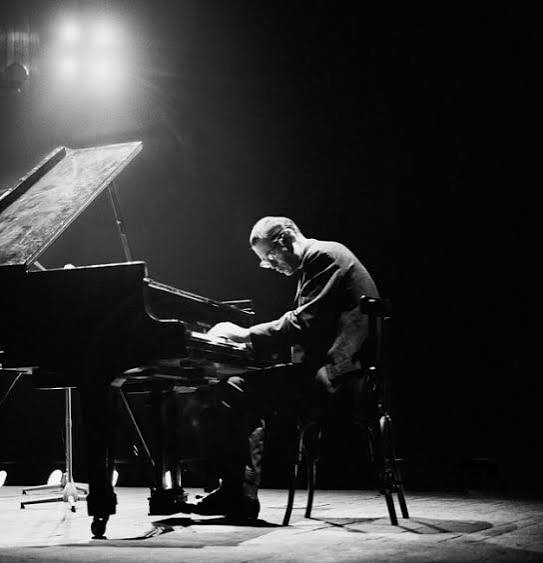
(J.B)
Following – but where and whom and why?
Auf der Fahrt in die Region südlich der Vogesen bot sich für einen Zwischenstopp Freiburg an. Vor langer Zeit wohnte ich dort in der Nähe des Alten Wiehrebahnhofs, wo es ein Kommunales Kino mit Filmen jenseits des Mainstreams, einen Ausstellungsraum und ein Café gab. Glücklicherweise ist das alles noch da. Auch die unermüdlichen Gruppen derer, die Boccia spielen. Das Café ist schicker geworden, die Theke futuristisch beleuchtet. Während früher zwei, drei wacklige Tische draußen standen, sind es jetzt unzählige und alle Stühle sind besetzt. Auf der Karte gibt es Kurkuma Latte, was ich immer mal probieren wollte. Ich habe es aber zu spät entdeckt. Ein Stück Kuchen kostet 6,50 Euro, ist aber jeden Cent wert. Wir saßen auf Hochstühlen, am Tisch neben uns zwei junge Männer, die über ein AfD-Verbotsverfahren auf Englisch diskutieren, der eine ist Muttersprachler, der andere nicht, aber er spricht souverän. Am Samstag läuft „Her“ von Spike Jonze, mit Einleitung und Gespräch. Hier schrieb ich über den Film auf manafonistas. „Was 2013 noch wie eine Zukunftsvision wirkte, ist angesichts heutiger KI erstaunlich nah gerückt“, heißt es im Ankündigungstext. Wegen meiner Beschäftigung mit meinen Träumen wurde mir von mehreren Seiten der Film „Inception“ von Christopher Nolan empfohlen. Inception bedeutet hier, jemandem während des Schlafs einen Gedanken einzupflanzen, damit er eine bestimmte Handlung vornimmt. Die Räume so verschachtelt wie ein Traum.
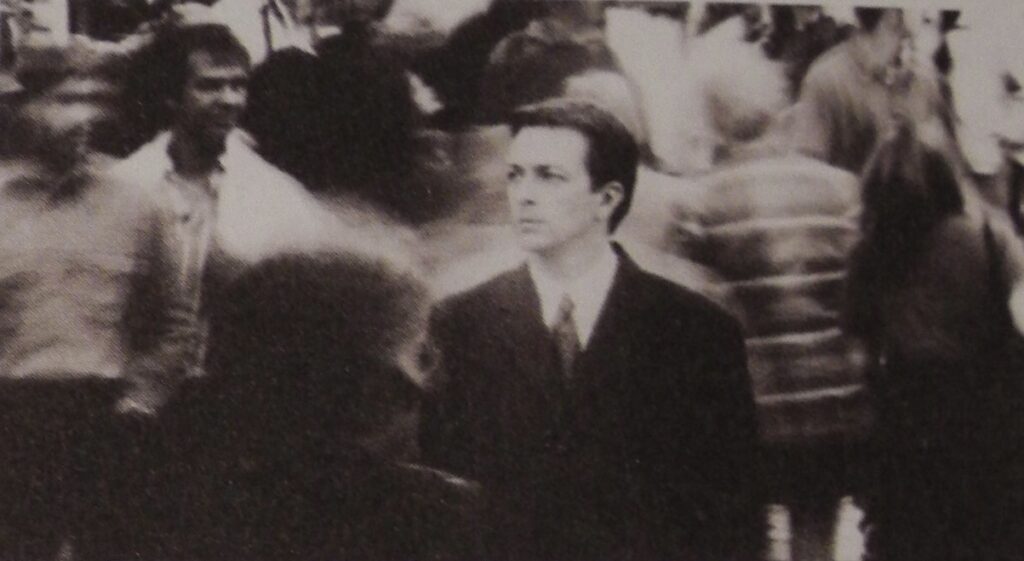
Im Kommunalen Kino im Alten Wiehrebahnhof läuft Ende Oktober das Debüt von Nolan: „Following“. Dies ist der Ankündigungstext: „Ein erfolgloser Schriftsteller folgt Menschen aus reiner Neugier. Als ihn der charismatische Cobb dabei ertappt, gehen sie eine Stufe weiter: Gemeinsam brechen sie in Wohnungen ein – weniger um zu stehlen, als um in fremde Leben einzudringen. Mit seinem für wenige tausend Dollar gedrehten Debüt legte Christopher Nolan bereits 1998 Grundmuster seines späteren Kinos offen: verschachtelte Zeit, unzuverlässige Wahrnehmung, Identität als Spiel und als moralische Ambivalenz. Im körnigen Schwarzweiß und auf engstem Raum entsteht ein konzentrierter Neo-Noir. (…).“ Ich konnte den Film aus meiner bewährten Videothek ausleihen. Er ist viel ruhiger als „Inception“ und man könnte meinen, er sei deutlich früher gedreht als 1998, was auch daran liegt, dass man erwarten würde, dass ein Schriftsteller und auch einer, der gerne einer wäre, auf einem PC schreibt. Nicht nur der Schriftsteller, auch wir werden in diesem sehenswerten Debüt die Irre geführt. Auf der DVD gibt es außer dem Film eine von Christopher Nolan kommentierte Fassung sowie den Film in chronologischer Reihenfolge.
Just Another Day
Oh it’s just another day,
It’s just another day on Earth
Oh it’s just another day,
Just another day,
It’s just another day on Earth
Oh it’s just another day on Earth
It’s just another day on Earth
One day, we will put it all behind,
We’ll say, that was just another time,
We’ll say, that was just another day on Earth
We’ll say, that was just another time,
One day, we will put it all behind,
We’ll say, that was just another day on Earth
Just another day,
It’s just another day,
Oh it’s just another day on Earth
It’s just another day on Earth(From the album Just Another Day On Earth)
Der besondere Zauber von Bill Forsyths „Housekeeping“
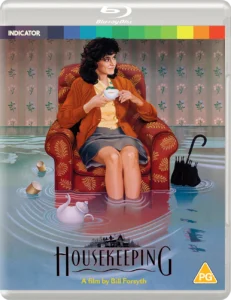
Das ist schon eine spezielle Kategorie: Filme zwischen den späten 1960er und 1990er Jahren, die man erst lange, nachdem man sie im Kino oder wo immer hätte sehen können, bei Festivals oder Freunden, im Kino oder Fernsehen, zum allerersten Mal sieht, lange nach ihrer Zeit, und die einen dann so umhauen, dass sich die Frage, wie diese Filme gealtert sind, gar nicht mehr stellt. Bei mir hiessen solche Filme in den letzten zwei, drei Jahren, „Medium Cool“, „Die rote Schildkröte“ – und „Housekeeping“.
Ein Schotte, der einen Film im nördlchen Idaho dreht und in einem Roman gleichen Namens versinkt, auf der Suche nach der bestmöglichen Umsetzung der literarischen Vorlage. Es gelingt ihm, und ich bin froh, diesen Film endlich entdeckt zu haben. Man lasse sich bitte nicht von dem lapidaren Titel und dem skurrilen Kinoplakat abhalten – und gehe allen Inhaltsangaben im Vorfeld aus dem Weg! Diane Keaton war für die weibliche Hauptrolle vorgesehen, aber dann spielte, bei allem Respekt ein Glücksfall, Christine Lahti. Hans Schifferle widmete ihr einst eine Liebeserklärung. Wir hören die Stimme der Schriftstellerin aus dem Off, ein ums andere Mal, und gewöhnlich ist das der Stoff einer zähen Umsetzung. Nicht hier, wieso sonst scheint die Zeit gleichermassen zu fliegen und stillzustehen, als ich den Film sah und sah und wieder sah. Es gab vor Jahren den nicht minder bewegenden Film über gestrandete Schicksale im amerikanischen Hinterland, No Man’s Land, mit der beeindruckenden Frances Dormand, durchaus ein Film in der Tradition von „Housekeeping“: das Porträt einer Seele, eines Menschenlebens, das sanft aus dem Ruder der Normaldefinitionen eines erfüllten Lebens, mit seinen Versatzstücken amerikanischer Träume, gelaufen ist. Ein wenig Sylvie Walker steckt in allen von uns, und in einigen sicher noch etwas mehr! Kam der Vorschlag vom Kollegen Pannhorst, nach dem Film irgendwann „Running On Empty“ von Jackson Browne zu hören, und zwar das ganze Album!? (m.e.)
Kein Schutz
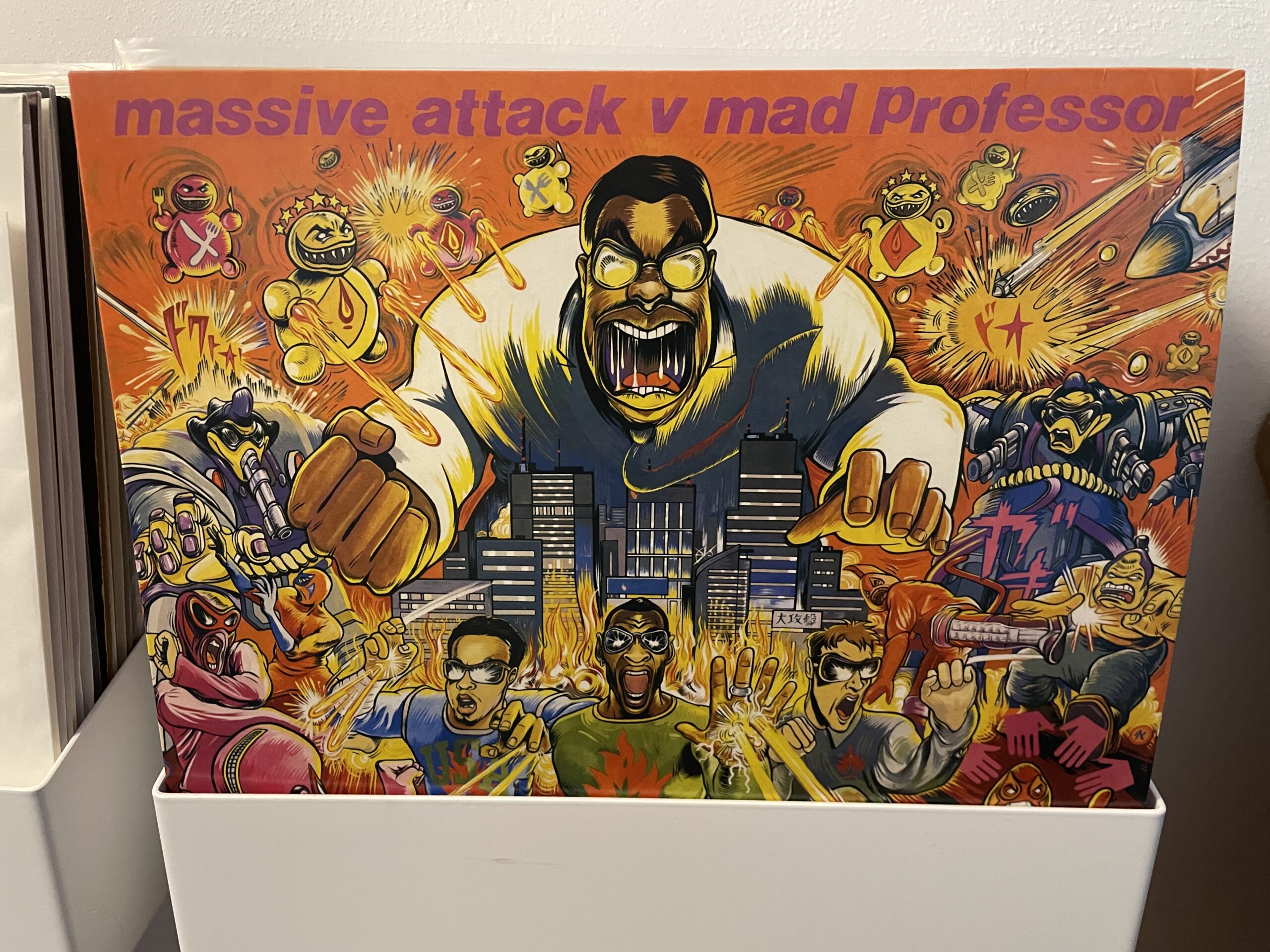
Als 1994 „Protection“ das zweite Album von Massive Attack erschien, diskutierten OZ und ich mehrere Wochen darüber. Ich hörte ein Popalbum, nicht so deep wie „Blue Lines“, aber elegant und vielseitig, er einen seichten und beliebigen musikalischen Gemischtwarenladen.
Ein halbes Jahr später las ich in der Spex eine Rezension von Marcel Beyer über das dazu gehörige Remix Album, bei dem die Stücke durch Mad Professor einer radikalen Dub-Kur unterzogen wurden. Der Titel: „No Protection“.
Die Tür zur Dub-Musik hatte ich schon früher einen Spalt geöffnet, um zu sehen, was sich dahinter verbarg. Diese Bearbeitungen sogen mich in den Raum hinein, tiefer als ich erwartet hatte. Schlagzeug und Bass spannen ein dunkles Gerüst auf, in dem sich die Klänge entfalten. Manche Details blitzen nur kurz auf, andere ziehen lange Schatten, bis sie langsam im Hall verschwinden. Stimmen und Instrumente der ursprünglichen Songs flackern aus dem Halbdunkel auf und führen ein Eigenleben, ihrer ursprünglichen Rolle enthoben; ein Spiel aus Erwartung und Erinnerung, in dem das Verschwundene vorhanden bleibt.
„No Protection“ ist eines jener Alben, die neue Räume öffnen können. Es hat meine Ohren geweitet und mich an Orte geführt, von denen ich vorher nicht einmal wusste, dass es sie gibt. Ich besitze es auf CD und LP, und über die Jahre ist es zu einem Weggefährten geworden – ein lifer. Zweifellos mein Lieblingsalbum von Massive Attack. Vor „Mezzanine“, vor „Blue Lines“ und auch vor „Protection“ (die anderen habe ich irgendwie gar nicht mehr gehört).
OZ und ich waren uns dann auch sofort einig, dass diese Remixe die Originale in den Schatten stellen. Gerne würde ich noch einmal die Rezension von Marcel Beyer lesen, ach, ganz viele Texte von ihm aus der Spex, ganz besonders das Dub Special. Falls mir jemand Kopien oder Scans besorgen kann, würde ich mich sehr freuen.
Brian Enos Story von „Fractal Zoom“
„Was „Fractal Zoom“ betrifft, experimentierte ich damals mit etwas, das ich „unwillkommenen Jazz“ nannte. Da gab es eine gewisse Dissonanz und Schärfe, die mir gefiel. Gleichzeitig wollte ich aber dieses – zumindest für mich – große Experiment wagen, eine Art von Musik zu schaffen, die die Freiheit und die Dissonanz besitzt, die man manchmal im Jazz findet. Und dennoch etwas Liedhaftes an sich hat. „Fractal Zoom“ begann mit einer Aufnahmesession, die ich in Los Angeles mit dem großartigen Schlagzeuger Sugarfoot Moffett machte.
Er wurde wegen seiner Bassdrum-Technik „Sugarfoot“ genannt. Er konnte sehr, sehr gut mit der Kick-Drum umgehen. Er tauchte bei der Session auf. Ich erinnere mich, wie er in einem roten Cabrio auf den Parkplatz fuhr, auf dessen Rücksitz nur drei Snare-Drums lagen. Sonst nichts. Ich hatte den Rest des Schlagzeugs gemietet, aber er wollte seine eigenen Snare-Drums mitbringen. Jedenfalls nahmen wir ein paar Improvisationen auf, und eine davon wurde zur Grundlage für „Fractal Zoom“.
Ich habe die Bänder mit nach England genommen und dort weiter daran gearbeitet. Dabei habe ich diese großartige Zutat namens „Robert Fripp“ hinzugefügt, der für diesen Titel auf ganz besondere Weise Gitarre gespielt hat. Er nannte es „Pin Trumpet“. Das ist dieser sehr, sehr dünne, durchdringende Klang, den man in dem Stück hört. Ich glaube, die Gitarre wurde elektronisch irgendwie um eine Oktave erhöht. Aber ich hatte immer noch keinen Song. Und ich wollte etwas, das lyrisch und süß und sehnsüchtig und fast schon ängstlich über diesem Groove lag.
Der Groove war, glaube ich, wirklich mehr als alles andere vom Spiel von Jaki Liebezeit geprägt. Ich wollte einen dieser unaufhörlichen, kraftvollen Grooves, wie er sie hinbekam. Und natürlich war der andere Schlagzeuger, der mich sehr beeinflusst hat, Klaus Dinger, den ich zum ersten Mal bei Neu gehört hatte. Es ist dieses Schlagzeugspiel von Sugarfoot Moffett, das diesen Track wirklich untermauert. Ich hörte mir den Song jetzt wieder an – etwas, das ich schon seit geraumer Zeit nicht mehr getan habe, da ich meine älteren Werke nicht so oft höre. Und er gefällt er mir wirklich gut. Ich bin überrascht und es ist mir ein bisschen peinlich, das zu sagen.
Aber diese Wolke aus Gesang und Instrumenten, die etwa zwei Minuten nach Beginn unerwartet auftaucht, hat etwas Wunderschönes an sich. Und ich denke, man kann es eigentlich als eine Art Fusion-Musik bezeichnen. Ein Versuch, einige Stilelemente miteinander zu verbinden, die normalerweise nicht zusammen vorkommen. Etwas zu schaffen, das sowohl rau und ziemlich aggressiv ist als auch etwas, das fast schon ekstatisch wirkt.