Uncategorized

  • Jan R.s Top-Alben 2025

    (For English remarks, please go here.)

    Wieder einmal ist es Nikolaus, und deswegen folgen hier meine Top-Alben des Jahres 2025. Die Top-Liste bitte nicht zu wörtlich nehmen; die Rangfolge könnte schon morgen anders aussehen.

    Alben 2025

    Für eine Top Ten hat es dieses Jahr nicht gereicht, aber diese acht immerhin sind hörenswert.

    1. Sharon Mansur: Trigger
    2. Ryuichi Sakamoto: Opus
    3. Peter Gordon & David Cunningham: The Yellow Box
    4. Keith Jarrett: New Vienna (At the Musikverein 2016)
    5. Nick Cave & The Bad Seeds: Live God
    6. Steve Reich: Jacob’s Ladder / Traveller’s Prayer 
    7. Stereolab: Instant Holograms on Metal Film
    8. Talking Heads: Live on Tour 1978 

    Mansur: Elektrisierend und virtuos, eine überraschende Entdeckung. +++ Sakamoto: Sein Abschiedsauftritt, die Zeit steht still +++ Gordon/Cunningham: Die alten New Yorker No-Wave-Kempen. Sie haben nichts verlernt. +++ Jarrett: Movement 1 kann man überspringen, alle anderen Tracks sind faszinierend, inklusive „Somewhere Over the Rainbow“ +++ Cave: Ich ärgere mich bis heute, sein Konzert hier verpasst zu haben. Dies ist kein schlechter Ersatz. +++ Reich: Der Puls erwischt mich immer. +++ Stereolab setzen da an, wo sie zuletzt aufgehört haben. Macht Spaß. +++ Talking Heads: Live noch in purer Viererbesetzung, es funktioniert und klingt kein bisschen angestaubt.

    Auch gut

    Alphabetisch einige Alben, die auch auf meiner Liste standen, die es aber nicht ganz in die Tops geschafft haben.

    • Anouar Brahem: After the Last Sky
    • David Byrne: Who Is The Sky?
    • Lana Del Rey: Henry Come On (Single)
    • Brian Eno & Beatie Wolfe: Lateral / Liminal / Luminal
    • Klaus Schulze: Bon Voyage (Live, Audimax Hamburg 1981; CD + DVD)
    • Peter Thomas Sound Orchester: The Tape Masters, Vol. 2: Soul Power West Germany 
    • Steve Tibbetts: Close
    • Tortoise: Touch

    Brahem: Ein stilles, schönes Werk, für mein Gefühl aber nicht ganz so aus einem Guss wie Blue Maqams. +++ Byrne: Zurück auf der Szene, gesund und munter, aber dazwischen einige Löcher. +++ Del Rey: Ein neues Album ist für Januar 2026 angekündigt; dieses Jahr gab es nur diese Single. Musikalisch nicht übermäßig herausragend, der Text allerdings läuft einem kalt den Rücken hinunter, wenn man mal verstanden hat, was da erzählt wird. +++ Eno/Wolfe: Drei Alben, gewohnte Qualität, aber nichts grundlegend Neues. +++ Schulze: Seine erste Tour mit dem neuen GDS-Computer. Mir vor allem deshalb aufgefallen, weil ich damals selbst in dem Konzert war. Als Gast dabei der Gitarrist Manuel Göttsching, der allerdings nicht einfach herauszuhören ist, da er einen Gitarrensynthesizer spielt. Als Zugabe gibt es das Konzert als DVD; ein Video, das eigentlich nicht zur Veröffentlichung vorgesehen war und recht statisch ist. +++ Thomas: Im Gegensatz zu den Tape Masters Vol. 1, bei der es sich um unveröffentlichte Archivmusik handelte, sind diese Aufnahmen zum Teil schon anderswo erschienen. Nicht alle Tracks sind wirklich interessant, aber mehrheitlich schon. Eine Sammlung von souligen Filmmusiken, unter anderem ist Donna Summer dabei. Von Titeln wie „Haschkeller“ oder „Lesbische Nummer“ darf man sich nicht stören lassen; Peter Thomas hat so gut wie jeden Auftrag angenommen und nur ganz selten mal wirklichen Schamott geliefert. +++ Tibbetts: Ein Gitarrenwerk, das mir bei aller Qualität doch ein wenig richtungslos erscheint. Hörenswert aber allemal. +++ Tortoise: Eine runde Angelegenheit, wäre aber noch besser, wenn die Gruppe nicht dauernd am Fuzzpedal ausgerastet wäre. Das verdirbt ein wenig den Spaß am Hören.

    Reissues

    Dieses Jahr sind mir nur wenige Wiederveröffentlichungen aufgefallen.

    • Rainer Brüninghaus: Freigeweht (1981)
    • Haruomi Hosono: Tropical Dandy (1974)
    • Steely Dan: The Royal Scam (1976)
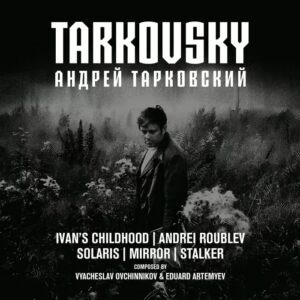
    • Tangerine Dream: Phaedra – 50 Years Edition (1974) 

    Brüninghaus: Schlicht ein Meisterwerk, wiederveröffentlicht in der ECM-Reihe Luminessence. +++ Hosono: Ein Werk zum Schmunzeln. Etliche Klassiker der Unterhaltungsmusik werden von dem späteren YMO-Bassisten durch eine fast parodistische Mangel gedreht. +++ Steely Dan: Zu diesem Album muss man nichts mehr sagen, es verblüfft lediglich, dass es gelungen ist, die Tonqualität nochmal wieder ein bisschen zu verbessern. Und das will bei Steely Dan etwas heißen. +++ Tangerine Dream: Ihr erstes Album, das nicht mehr in der Regie von Rolf-Ulrich Kaiser produziert wurde. Ein bahnbrechendes Werk, auf dem die Jungs entdeckten, was man mit einem Sequencer anfangen kann. Und damit war ihr Sound geboren, mit dem sie berühmt wurden. Es gab damals einfach nichts Vergleichbares. Hier gibt es noch etliches Bonusmaterial, das allerdings (mit Ausnahme des Dolby-Atmos-Mixes) bereits in dem Boxset In Search of Hades von 2019 enthalten ist. 

    Wiederentdeckt

    • Willy DeVille: Live in the Lowlands (DVD, 2006)
    • Keith Jarrett: Hymns Spheres (1976)
    • György Ligeti: Ligeti Edition Vol. 6: Keyboard Works (1997)
    • David Van Tieghem: Strange Cargo (1989)
    • Eberhard Weber: Chorus (1985)   

    DeVille: Der Willy ist einfach unkaputtbar. Mit einer wie immer erstklassigen Band, mitgeschnitten im Amsterdamer Paradiso. Gibt es als CD und als DVD, ich empfehle letztere. +++ Keith Jarrett hier einmal an der Orgel. +++ Ligeti: Macht wieder einmal klar, weshalb dieser Mann einer der wichtigsten Komponisten des 20. Jahrhunderts war. +++ Van Tieghem: Ein Drummer, bei dessen Nennung ich immer hellhörig werde. Gehörte zum Love of Life Orchestra, in dem auch der obengenannte Saxophonist Peter Gordon spielte. Es gibt nur wenige Solowerke von David, seine Hauptarbeit besteht in Theater- und Bühnenmusiken, auch für die Werbung ist er aktiv, und auch durch Laurie Andersons United States und Home of the Brave kennt man ihn. Strange Cargo, behaupte ich mal, ist sein bestes Soloalbum, erschienen auf dem New Yorker „Private Music“-Label von Tangerine Dreams Peter Baumann. +++ Weber: Musik für Spätnachts, musikalisch eher einfach, dabei ungewöhnlich formstreng, Jan Garbarek spielt dazu ein Saxophon, das mich zeitweise fast an den Gesang eines Muezzins erinnert.

    Und das ist alles für 2025!

  • Michaels 25 Lieblingsalben 2025 (Teil 2)

    ZEHN Lucrecia Dalt: A Danger To Ourselves (Fear of music? Just asking. The „noir“ album of the year. A study of passion, desire, love, lust, deep as deep can go. Highly adventurous! David Sylvian on board, too. Sylvian‘s „ethereal vibes“ in strange union with Lucrecia’s knack for hard core horror movies.)

    ELF Jon Balke: Skrifum (I missed Jon in Kristiansand. Let’s call this, like that underrated gem of Leonard Cohen, another „new skin for the old ceremony“. Jon Balke’s fourth solo piano album on ECM is a strangely organic affair, no matter how much science from the laboratory may be involved. Imagine a long afternoon while listening to Skrifum, Keith Jarrett‘s Vienna, and Amanda Claudine Myers‘ Solace Of The Mind, one after the other. You will have a story to tell.)

    ZWÖLF Alabaster DePlume: A Blade Because A Blade Is Whole (Der intime, bekenntnishafte Gesang von DePlume – ein Hauch von Donovan – und das vibrierende Saxofonspiel vermitteln alles von niedergeschlagener Zerbrechlichkeit bis zu entschlossener Stärke. Das Politische und das Private sind eins.)

    DREIZEHN SML: How You Been ( Wie man diese Musik in Worte fasst, wäre eine schöne Übung für einen „poetry workshop mit Martina Weber“. „Neo-maximalist-hypno-jazz“, for example. Seriously, it‘s a thriller for the ears, „where-am-i-music“, and the rare case where music that is not my cup of tea turns into exactly that – my cup of tea!)

    VIERZEHN Jan Bang & Arve Henriksen: After The Wildfire (Another fine album from Punkt Editions, a moving modern day lamentation with some ecstasy involved … listen to a piece from it with our usual Norwegian suspects, as part of my recent „Klanghorizonte“ radio hour HERE!!!)

    FÜNFZEHN Jeff Tweedy: Twilight Override (Less is more – not in this case. I was in for the ride, again and again. Floating through the lyrics was my starting point, before listening – and then I did the gooseskin trip! By the way, „The Ghost Is Born“ re-appeared in all our beloved formats!)

    SECHZEHN Rich Dawson: End Of The Middle (Auf Anhieb zugänglich ist dieses Album nicht. Unso erstaunlicher, dass es in so vielen Jahresrückblicken auftaucht, mit seinem spröden Charme, seinem britischen Neo-Realismus, der mich an Kurzgeschichten von Alan Silitoe denken liess, und in seiner Sparsamkeit ein wenig vom frühen Neil Young inspiriert ist. Die Stimme sowieso ein Unikum, ein ferner Verwandter von Robert Wyatt, nicht nur die vocals. Zudem beleuchten markante Free-Jazz-Holzbläser Dawsons Erzählungen – im Finale dann grosses Cinemascope!)


    SIEBZEHN Nate Mercerau / Josh Johnson / Carlos Niño: Openness Trio (A fantastic mix of sound searching „Nordic“ spheres, Californian hinterland meditation – and melodic free jazz. What will Mr. Whistler say?)

    ACHTZEHN Jeremiah Chiu & Marta Sofia Honer: Different Rooms  (Blog diary: I sat down in my electric cave with a small pile of new experimental music, and that afternoon I fell in love with „Different Rooms“. At first I was sceptical about the spherical and synthetic (Klingklang is what I call sounds that just dance pretty on the surface), but it didn’t take long for one „wow!“ after the other. Wondrous music. Safe Journey. Henry, the radio man, left the party too early.)

    NEUNZEHN The Necks: Disquiet (The trance work never stops. Ask Bernhard, the flowfloe rookie! Weeks and weeks ago, i listened to one of the four long tracks in Paris, on a warm sunny afternoon. I chose – what else? – WARM RUNNING SUNLIGHT knowing I would definitely be the first human to listen to it in my favourite Paris power spot, Le Jardin du Luxembourg. What a joyful experience lying on the green grass with closed eyes (mostly), with that warm running sunligh inside outside…)

    Zugabe: „Old Myth“ hat einen langsam brennenden, schleichenden perkussiven Unterton und Kopfnoten von punktiertem Saxophon und pointillistischer Elektronik, die in einen mystischen, filmischen Schlussteil übergehen. „Brood Board Shroom“ kreiert eine weichgezeichnete Marshmallow-Welt, fremdartig, aber einladend, irgendwo zwischen dem BBC Radiophonic Workshop und dem spacigeren Ende des Krautrock. Ich sagte doch, SML-Musik ist eine wilde, wilde Welt.  Eine Veröffentlichung von Intermational Anthem Records. Für mich das Label des Jahres, das 2025 auch etliche Klasselaben der frühen Jahre auf Vinyl raushaute. Danke, Daniela, für deine Super-Promotion!)

  • Michaels 25 Lieblingsalben 2025 (Teil 3)

    ZWANZIG Cyrille – Frisell – Downes: Breaking The Shell (Red Hook Magic – ein eigenwilliger Produzent erkundet etliche Kirchenschiffe, bis er – endlich – den passenden Raumsound gefunden hat. Den Rest besorgen drei Magier. Ein Schelm, wer hier die Doors raushört! Ingo hat hier viel zu erzählen. Er war des öfteren vor Ort.)

    EINUNDZWANZIG Mulatu Astatke plays Mulatu Astatke (Wer irgendwann der Serie „Ethiopiques“ begegnet ist, findet hier alles andere als einen nostalgischen Abklatsch. Packt mich vom ersten bis zum letzten Ton. Richard Williams hatte das Glück, die Band live zu erleben und erzählt auf The Blue Moment davon.)

    ZWEIUNDZWANZIG The Mountain Goats: Through This Fire Across From Peter Balkan (Vorsicht, Musical, Wenngleich ein dunkles! Wenn einer diesen Dreh hinkriegt zwischen Survival-Drama, Post-Existenzialismus und Broadway, dann der Herr der Bergziegen!)

    DREIUNDZWANZIG  Jonathan Richman: Only Frozen Sky Anyway (Auszug aus dem Blog-Tagebuch, Spätsommer: „Manche halten ihn für einen Scharlatan, das ist auch schon Don Cherry passiert. Ich habe Jonathan Richman immer gemocht, aber seltsamerweise erst seit einigen Jahren intensiver gehört – sein neues Album spricht mir mit Liedern über den Tod, mit Witz und Wehmut, aus der Seele. Fehlt nur noch die Harfe von Harpo Marx. Ein Taking Head ist auch dabei.)

    VIERUNDZWANZIG Benedicte Maurseth: Mirra ( „Fans of Robert Wyatt‘s Rock Bottom [one of the most heartbreakingly beautiful albums from the last 100 years; m.e.], mid-70s Bert Jansch [I saw Bert Bert Jansch solo in the summer of 1975 in the „Omnibus“, Würzburg; m.e.] and Popol Vuh‘s Aguirre soundtrack will get the idea. A thing of wild beauty.“ ((quote from a Mojo review that put a big smile on my face).

    FÜNFUNDZWANZIG Natural Information Society: Perseverance Flow(siehe Coverabbildung in der Tradition von Moki Cherry) – (das drittbeste Album von Joshua Abrahms‘ NIS – hat mich gerade rechtzeitig vor Nikolaus erreicht, um noch auf meine Liste zu springen!(Pitchfork vergibt 8.0, ich 8.2.) Und bevor jemand nachfragt: die beiden Meilensteine der Truppe sind die beiden davor: „Since Time Is Gravity“ (9.1 meine Wertung), sowie, mit Evan Parker, live in London, „Descension – Out Of Out Constrictions“ (da sage ich 8.8, fantastischer Sound, by the wayalle drei!)

    ZUGABE: SECHSUNDZWANZIG Ryan Davis and the Roadhouse Band: New Threats From The Soul SIEBENUNDZWANZIG Amina Claudine Myers: Solace Of The Mind ACHTUNDZWANZIG Keith Jarrett: New Vienna NEUNUNDZWANZIG Tortoise: Touch DREISSIG Cate Francesca Brooks: Lofoten

  • Lorenz Edelmanns 15 Alben des Jahres

    Nächste Woche könnte die Reihenfolge vielleicht schon anders aussehen. Na, die Nummer 01 würde sicher bleiben. Aber das ist meine „Nikolausreihenfolge“.

    01. Jeff Tweedy – Twilight Override (hier mag ich einfach alles!) / 02. Brian Eno und Beatie Wolfe – Luminal (electonic songwriting) / 03.Bryan Ferry und Amelia Barratt– Loose Talk  (ein tolles spoken word album und der große Name hält sich vornehm zurück-das finde ich groß) / 04.Steve Tibbetts – Close (die Gitarre schwappt in schönen Wellen an das Ufer – ist mein Hörgefühl) / 05. Echolalia – Echolalia (zwischen psychedelischem Folk und Krautrock und Spencer Cullum‘s Steelgitarre) / 06. Ethel Cain – Willoughby tucker i’ll always love you (empfahl mir meine Tochter-und sie hatte Recht) / 07. Pino Palladino und Blake Mills – That wasn‘t a dream (wieder sehr eigen und anders) / 08. John Fogerty – Legacy (war nie CCR Fan, und um so mehr erstaunt, wieviel ich mitsingen konnte und wieviel gute Laune mir dieses Album zum 80sten macht) / 09. Little simz – Lotus (Rap, gesungene Passagen und toll instrumentiert) / 10. Thom Yorke und Mark Pritchard – Tall Tales (wild, Radiohead trifft Kraftwerk?, und die Stimme oft spannend verfremdet) / 11. Robert Plant – Saving Grace (Americana, Folk auch mit einer tollen Duettpartnerin) / 12. Jonathan Jeremiah – We come alive (ich mag seine Stimme, die 60s Popsong Stimmung und den Knackbass) / 13.  The Waterboys – Life, Death and Dennis Hopper ( eine Art Konzeptsuite, daraufhin habe ich die Biografie von Ton Folsom gelesen) / 14. Lonnie Holley – Tonky (eine außergewöhnliche Stimme über Musik, die für vieles offen bleibt) / 15. Marc Ribot – Map of a blue city (ich liebe sein Gitarrenspiel und mag seinen unprätentiösen Gesang. Ein toller Nicht-Sänger)

  • Michaels 12 Wiederveröffentlichungen des Jahres (strictly ranked, reflected & researched)

    Here comes a radio story, but before that old repertoire anecdote, here are my three radio show dates of 2026: 22. Januar, 21.05 Uhr – „Die Minesota – Kathmandu – Connection“ („die ECM-Jahrzehnte von Steve Tibbetts“) // 28. Mai, 21.05 Uhr „Klanghorizonte“ // 24. September, 21.05 Uhr „Klanghorizonte“


    Charm and a smile are involved when you listen to an old album and fall in love (at least a little bit) with it decades after it has seen the light of day. In this case I blame it on a young woman that I never gave Tangerine Dream a real try. It must have been 1976, summertime, when i listened to Zündfunk radio in Würzburg, Michael Hütter at the microphone, and TD in the middle of their Virgin years. Hutter invited guests, listeners of the show, from time to time. I thought „hey“, i thought „wow“, i liked her voice (soooo much), as i liked what she said. „There is more resistance in the music of Brian Eno than in the works of Tangerine Dream.“ I swear she used the word „Widerstand“. At that point I thought of Tangerine Dream as free floating drug music anyway, nice, yes, but a bit relying too much on special effects and the newest sounds from the day. My few listenings (and this girl‘s words) sealed the deal of my nearly life long distance with TD. I was so impressed by that radio voice, I was thinking hard of how to reach out for her. I didn‘t. I think she‘s still alive and kicking.

    1) Paul Bley: Open, To Love (ECM) 2) Bennie Maupin: The Jewel In The Lotus (ECM) 3) Tim Buckley: Happy Sad 4) Miles Davis: Agharta 5) Spain: The Blue Moods Of Spain 6) Garbarek / Brahem / Hussain: Madar (ECM) 7) Ø: Sysivalo (archival discovery) – „an austere, yet texturally rich strand of icy minimalism, these recordings from the Pan-Sonic co-founder Mika Vainio felt like sanctuaries crafted from permafrost.“ 8) Arthur Russell: Open Vocal Phrases Where Songs Come In And Out (archival discovery) 9) Tangerine Dream: Phaedra 10) David Sylvian: Manafon Variations (My interview on „Manafon Variations“) 11) The Passengers: Original Soundtracks, Vol. One 12) Keith Hudson & Soul Syndicate: Nuh Skin Up Dub

  • monthly revelations update (december)

    Alice Fischer hat einen feinen Text über Christian Petzolds Film „Miroirs, No. 3“ geschrieben, und Brian Whistler en detail, was ihn an den Serien „Pluribus“ und „Severance“ sowie der von Peter Jackson neu aufbereiteten „Beatles Anthology“ (Disney) so fasziniert hat. Ich habe ein paar Zeilen geschrieben über das allerfeinst gewobene Songalbum „Daylight Daylight“ von Steve Gunn, und feile noch ein wenig an meiner derzeitigen „12 best of-Garbarek“-Liste, weil mich die Neuauflag von „Madar“ (aus der ECM Vinylserie „Luminessence“) rundum begeistert. So bleibt die letzte lange Klanghorizonte Nacht des Deutschlandfunks vom Herbst 2021 noch einen weiteren Monat zu hören (alle fünf Stunden), und auch das Interview mit Annette Peacock bleibt mit seinem launigen „screenshot puzzle“ erhalten. Und last, but not least: Jan Reetze hat die erste deutsche Biografie des Produzenten Joe Meek geschrieben – ein toller Trip in eine alte Zeit! Ich habe diese Vita sehr sachlich vorgestellt, ohne sie mit all den sehr geschickt eingeflochtenen Stories, Anekdoten, Spekulationen, und Überraschungen zu unterfüttern. Der Leser wird staunen über das, was da alles los war!

  • Eating chocolate at the edge of the precipice

    Hello from the crumbling Empire that was once known as the United States of America. We were also once quaintly known as a republic and a democracy. All of that’s a bit sketchy at the moment, and I know that’s not just felt here at home, but all over the world. Therefore, before I get into the body of this post, (whatever it’s going to be,) I feel it would be remiss not to apologize to all my European friends. All I can say is, we tried, but to put it bluntly, as it turns out, you really just can’t fix stupid. The real question is, is DJT that good a con man that he could bamboozle more than half the voting public twice? The resounding answer is unfortunately, yes.

    So what does a sensitive soul who is more interested in art, music and culture than the constant beating of the drums of divisiveness and the shrieks of political rancor do every day? I make coffee, of course! I grab my coffee, give myself an hour to view the news and check out the socials, answer email and texts, and then go about my day trying to forget about it, and do something productive and reasonably benign.

    For me, that entails sitting at the piano every day, as I once again attempt to heal a lifelong injury that eventually sidelined my performing career. It’s the subject of a larger essay that I am writing, so this is just a teaser.  In a nutshell, I discovered the secret to recovery of my particular condition, which is a kind of movement disorder, was to slow down. But not just slow down in th conventional sense, as most of us do when learning to play something new, but to take tempos that one would consider to be almost impossible to consistently feel. I’m talking radically slow, glacial even, or perhaps even at lower “temperatures,” perhaps those one would might find on the planet Neptune. At the same time as I discovered Radical Slowness, the answer also turned out to be the Slo Mo Bros duo. Teaming up with my collaborator and performing partner of some 50 odd years, we started getting together almost 7 years ago right before Covid. Both of us were suffering from some form of injury (although mine’s the more serious one,) and were passionately interested in reworking our technique from the ground up. He’s a classical guitarist and singer who has been playing jazz and Brazilian music for many years, but wanted to get deeper into improvisation on his instrument. So I started thinking about what the ideal music would be for this project. I began writing out the Slo Mos book, consisting of a ton of my own transcriptions of ECM tunes and some pretty obscure tunes from all around the multimusicverse, as well as some of my own things. This is an ongoing project which takes up a lot of my time and energy. Much more could be said on this subject, but I’ll end here for now by saying that what has come out of this process turned out to be far more profound than I ever expected, something that goes far beyond music making.

    When I’m not doing that, I’ve been listening to things to take my mind off of the disheartening state of the planet. These days, tend to listen to things that soothe my soul. 

    I very much like the latest Arvo Part album, And I Heard a Voice. I think it’s one of the finest releases of his music to come out in some years. Perhaps my only criticism is, it’s a bit too short. 

    I’ve also been listening to Soren Bebe’s new album, Gratitude. Soren has always had a penchant for playing  ballads, but this album firmly enters SloMo territory, and my slow world welcomes it. Soren Bebe is an interesting composer. His music is not overly complex, but he almost always throws a harmonic monkey wrench  into the mix, a surprising modulation, an ambiguous chord etc, yet always brings you home. It’s extremely approachable, at times almost bordering on cloying, but it never goes there. 

    I’m enjoying the new John Scofield duo album with Dave Holland.  Some people dismiss Sco as too bluesy. I have never had a problem with that – that’s his style. But here is a different side of Scofield, melodic, chromatic, and extremely disciplined in terms of developing his themes. Not much new can be said about Dave Holland, who is simply one of the greatest bass players on the planet. He supports the music and is such a strong soloist. He’s got it all.

    I’ve been enjoying Anouar Brahem’s After the Last Sky since it came out earlier this year. I think it’s one of his strongest to date, although there really isn’t a Brahem album I don’t like. It’s so enjoyable that I decided to subscribe to Deutsche Gramophon’s app in order to watch a live concert of this group in Paris. I have since watched it in the archives several times. A very high level of playing going on. Deep listening – every solo, in fact, every accompanying note, is in service to the music. In the concert video, you can see the joy of Dave Holland and Anouar Brahem in a duo where the smiles and intuitive interaction are infectious.  The audience picks up on it too, and gives them the most rousing round of applause of the whole evening.

    I’m currently digging the Bill Evans remastered Portrait in Jazz and Explorations, which are presented on the new release, Haunted House. There are also a ridiculous number of alternate tracks presented, in fact, a staggering 26, including 17 that have never been released. Most of the time I would say that’s way too much, but this is the classic Evans trio with Scott LaFaro and Paul Motian, so all of it is worth hearing. But the most amazing thing about this release besides the music is the way they remastered it. There is some kind of tone on analog tape, way up there in the high frequencies that they homed in on and realized that they could use it as a means of smoothing out any tape wow and flutter. This resulted in an amazing clarity and solidity to these recordings. I honestly can’t believe how much they benefited from remastering in this way. I think they call it the Plangent process or something. Whatever it is, it’s pretty miraculous.

    Another thing I’m enjoying is the newly remastered Beatles Anthology presented here in America on Disney+. These were originally aired sometime in the 90s and present a Beatles eye view of the band through the entire 10 year span of their career. While Paul and Ringo, the two living Beatles at the time it was made, had the most say, there’s enough footage of John and George, so that they get their fair share as well. I haven’t seen these for decades and was pleasantly surprised by how well-made they are and how good they look due to Peter Jackson’s incredible remastering magic. He also edited them so they’re not quite the same as the originals, but I don’t think the differences are that noticeable. There is a new ninth episode, which is all new, culled from some of the extras from the original DVDs as well as unseen archival footage. I haven’t gotten there yet, but I’m enjoying this very much. Giles Martin did an amazing job re-mixing these through a highly evolved  process that separated the various instruments so that he could really get a hold of them.  Listening to these, one doesn’t hear any of that, the result being it sounds like the music as you remember it,  but Way better. Giles has got to be one of the best people out there doing these forensic remixes. And the guy’s got good taste.

    Lastly, I’ve been delving into some smart sci-fi. There’s not much in that department to see despite the major releases that keep coming down the pike. In fact, the best sci fi movies today aren’t even movies. Being a fan of the genre, I’ve watched a number of things this year, but the ones that are the most intriguing to me happen to be on Apple TV. 

    The first one, Severance,  has been around for a few seasons,  and takes the viewer down a rabbit hole that is frightening, humorous, and surreally allegorical. I’m not going to go into the plot here because it’s so convoluted. I’ll just say it reminds me a great deal of Philip K Dick, who described his work not as sci-fi but as “metaphysical fiction.” I think Severance owes a great deal to PKD, because like the author of Blade Runner, the show’s creators are far more interested in the philosophical and psychological questions that arise than any fat fetched science behind the Deux ex machina that the premise hinges on. This is the opposite of a typical American action film. There are very few if any chase scenes and most of the action is entirely cerebral. The show is also emotionally compelling. There are a few ringers in the cast  such as Christopher Walken, John Turturro, and Patricia Arquette, but all the players are strong, as is the almost cinematic direction and look of the series. 

    Lastly, there is Pluribus, Vince Gilligan’s (of Breaking Bad,) first foray into sci-fi. This series also reminds me of PKD in the best way, because, as he once said in an essay, entitled “how to create a world that doesn’t fall apart in one day”, whenever he wanted to present a metaphysical/existential issue he would just make up a device so that his characters would have to respond to it, as their reality begins to crumble around them.

    I guess this is one of my favorite devices because it’s a great portal into mayhem and wonder, terror and bewilderment, philosophical meanderings, and sometimes,  but not always, healing and redemption.

    Pluribus turns an old sci-fi trope on its head. I really don’t want to say anything because anything I say further about this show is a spoiler and it’s just too good to spoil. I will say this though – unlike so many movies that have used the tropes alluded to here, it takes a sharp left turn and after an episode or two one realizes this is like no other sci-fi show we’ve seen. A lot of profound questions about the nature of humanity and identity are posited, but even to mention one would be saying too much. 

    Rhea Seaborn, who was the brilliant costar in Better Call Saul, the prequel to Breaking Bad, is perfectly cast in the role of a smart writer with a chronic chip on her shoulder, who is thrust into a completely changed world. She is magnificent in this role. I hope it leads to more leading roles for this extremely gifted  actor. 

    These are just a few things that soothe my soul and give me temporary solace, or at the very least offer consolation in the form of distraction in a world gone mad. I would be curious what yours are.

  • my favourite reissues of 2025

    „Anyone familiar only with the string-drenched, bucolic epics of Stars Of The Lid’s 21st-century work may be surprised by the Austin duo’s debut album, released on vinyl for the first time this year. A home-recorded set of guitar-based drones, „Music For Nitrous Oxide“ is as unsettling as it is meditative, laced with samples of Twin Peaks, Star Trek: The Next Generation and Apocalypse Now.“ (Jon Dale)

    What a number of re-releases and archival discoveries, every year. The memory lane, buried treasures, lost classics, and more. Some of them were kind of enlightening, at least elevating for me. One was Tim Buckley‘s „Happy Sad“, I missed that one when i was young and, well, „happy sad“, so to speak. Awesome sound. Deep soul searching and passionate. Then, I still remember, in those 1970‘s in Würzburg, I was never into The Grateful Dead, with the tiny exception of „Blues For Allah“: that really hit me then and it hits me now with its vinyl reissue by Rhino. Haven‘t listened to it in decades, and it haunts me again.

    From all the great ECM reissues (from the „Luminessence series“), Paul Bley‘s „Open, to love“ is the standout, one of the early ECM solo piano strokes of genius. An album to always return to. The real re-discovery was Jan Garbarek blowing his horns in a way your walls may come down during the ride. On „Madar“ he‘s accompanied by Anouar Brahem and Shaukaut Hussain. What an absolute and audiophile delight, this release from 1992. Another burner for the happy few who ever came across it, was the double vinyl reissue of David Sylvian‘s „Manafon Variations“: radical, sensual, deep-diving! Moving to my music in surround, 2025 was the year I finally fell in love with an album by Tangerine Dream, „Phaedra“. I‘m far away from calling Rod Stewart‘s „Atlantic Crossing“ a guilty pleasure, but I always preferred his ballads, and side two of that ancient album (now brought to the public in shining quad) is a series of irresistible ballads. Okay, we have all listened to „Sailing“ too often, but so what?! Steve Wilson‘s newest remixes of some early King Crimson works are killer – and a heavenly experience for surrounders: „In The Wake Of Poseidon“ and ther jazz-driven „Lizard“.

    In America one of the most heartbreaking break-up albums ever came out as a double vinyl, and I easily trust Norman Maslov that it still puts a spell on you. This album about love falling apart always meant more to me than the canonical – and great – „Tusk“ by Fleetwood Mac. Oh, oh, no reason to keep you waiting: i am speaking of The Jayhawks‘ „Rainy Day Music“! Looking out of the window, i am sure you‘ll find your own „rainy day music“, for all the good reasons! The Stars of the Lid’s debut may be a good choice here! As is that 1995 classic (at least for some of us): Spain’s „The Blue Moods Of Spain“ (blue vinyl reissue)! Did I forget some more for this list? Sure I did. One album from the new Bruce Springsteen boxset of never before released works that immediately drew me inside: the Tex-Mex borderline ballad brilliance of „Inyo“ from Mr. Springsteen, and another double album in blue vinyl, Miles Davis‘ „Agharta“. I am sinking deeper and deeper into my blue velvet sofa.

    1. Ein paar gute Gründe, Jan Reetzes Portrait über Joe Meek zu lesen

      „Meek ist mit der Kompression immer schon bei der Aufnahme in die Vollen gegangen. Deswegen gibt es in seinen Produktionen praktisch keine Pegelsprünge, alles ist gleich laut. Für die damaligen Hörer muss die Musik geradezu aus dem Lautsprecher gesprungen sein. Außerdem gingen durch das mehrfache Hin- und Her-Überspielen die Höhen ein bisschen verloren. Im Radio fiel das nicht auf, weil eh alle Pop-Programme über Mittelwellen liefen (die das alles sowieso nochmal komprimierten), die Kids hatten Kofferplattenspieler mit Lautsprecher im Deckel, und die Jukeboxen in den Kneipen waren auch nicht für Hifi-Sound bekannt. Für solche Wiedergabe hat Meek seine Sachen produziert. Die guten Meek-CDs (ich habe am Ende ja ein paar aufgeführt) sind zumeist nur ein bisschen klangrestauriert und geben zumindest einen Eindruck dessen.“ (aus einer Email von Jan R.)


      Mein Wissen über den Produzenten Joe Meek (1929-1967) war nur bruchstückhaft, bis ich dieses Buch in die Hände bekam. Ich machte mich vor der Lektüre kein bisschen schlau, ausser, dass ich mir seinen Welthit „Telstar“ anhörte. Ich wollte mich überraschen und auf eine Zeitreise mitnehmen lassen. Und ich wurde überrascht.

      Das Cover strahlt den Charme allerfeinster „pulp fiction“ aus: wie ein alter Schmöker – ich witterte eine leicht gruselige Geschichte, voller Zwielicht, Spannung und geisterhafter Gestalten. Tatsächlich könnte man aus der von Jan Reetze servierten Lebensgeschichte eines dezent schwierigen Charakters eine richtig gute Netflixserie machen, oder einen historischen Roman mit und ohne Tiefgang, in dem es nur so wimmelt von Geisterjägern und Visionären, dreisten wie seriösen Geschäftsleuten, Stars und Sternchen.

      Da es aber nun mal ein Sachbuch ist, ausserordentlich klug in Szene gesetzt, in keiner Weise auf sensationelle Enthüllungen schielend, erfahren wir en passant erstaunliche Dinge über die Geschichte der sog. Popularmusik, in welcher früher Rock’n’Roll und die weite Welt des Schlagers noch den Ton angaben, als auch über das Spannungsfeld der Sechziger Jahre, das, bei allen Aufbruchsstimmungen und Grenzerweiterungen, auch jede Menge Repressionen und Engstirnigkeiten bereithielt: so war der Protagonist als Homosexueller ohnehin in eine Aussenseiterrolle gedrängt. 

      Joe Meek gehörte zu dem Typus seiner Zunft, der die aufgenommene Musik seiner Klientel nicht realistisch abbilden, sondern mit allen zur Verfügung stehenden Mitteln fantasievoll erweitern wollte. Das Publikum sollte eingefangen werden von unerhörten Sounds. Und in dieser Hinsicht war Meek, lange vor dem Einsatz von Synthesizern, absolut innovativ – vom Bau spezieller Gerätschaften bis zur Herrichtung eines Tonstudios. 

      In grosser Ruhe folgt Jan Reetze den einzelnen Stationen von Joe Meeks Vita, seinem Kampf um Anerkennung und Unabhängigkeit, seiner Suche nach passenden Aufnahmeorten und Künstlern mit grossem Potential, seinen kreativen Visionen sowie den zahlreich vorhandenen „inneren Dämonen“. Konflike entstehen fortlaufend: von früh an mit einer ungesunden Portion Misstrauen ausgestattet, ist er alles andere als geschickt im Umgang mit seinen Zeitgenossen. 

      Ein Leben wird umso glaubwürdiger erzählt, je sorgfältiger die Spuren gesichert werden. Ohne „Küchenpsychologie“, aber auch ohne tiefenpsychologischen Fachjargon, entsteht vor den Augen des Lesers gerade deshalb ein so überzeugendes Bild dieser Figur, weil der Autor trennscharf zwischen Fakten, Spekulationen und Gerüchten zu unterscheiden weiss, aber nicht wie ein Besserwisser, vielmehr mit gebotener Umsicht und gelegentlich leisem Humor! Man spürt bein Lesen, dass dem Autor die geradezu detektivische Recherche grosse Freude bereitet hat. 

      Das Buch kommt wie ein raffiniert angelegtes Puzzle daher, dessen einzelne, durchweg erhellende Elemente die vielen kurzen Kapitel sind, die jede Form von Verzettelung verhindern, und all die „Bausteine“ dieses letztlich tragisch endenden Lebens gleichberechtigt nebeneinander stehen lassen, ob es um Meeks Studioexperimente geht, Visionen vom Leben auf anderen Planeten, die zum Ende hin vermehrt angestrebte Kontaktaufnahme mit berühmten Toten, den gelebten Alltag, das schwule Milieu, gerichtliche Auseinandersetzungen, diverse Abwärtsspiralen.

      Eine rundweg fesselnde Lesefreude also, die wechselweise Aha-Erlebnisse und Gänsehaut beschert – und ohne medienpädagogischen Zeigefinger eine kleine Lektion darin erteilt, was die sehr guten Biografien von den nicht so guten trennt: den geduldigen Blick für die Zwischenräume und Grauzonen!

    2. „Everybody loves Mavis, don‘t they?“

      An diese Stelle möchte ich mich bedanken, dass mir Richard Williams erlaubt, was auch immer, aus seinem Blog „The Blue Moment“ zu übersetzen. Ich kenne seine Texte über Musik seit den goldenen Jahren des „Melody Maker“ in den „wilden Siebzigern“. Auch seine Konzerterichte sind wunderbar zu lesen. Einmal, vor kurzer Zeit, war er auf einem Doppelkonzert von Patty Smith und Al Stewart. Zwei Überlebende aus der Zeit von „Horses“ und „Year Of The Cat“. Ich hätte nach London fliegen sollen! Hier eine Passage aus seinem aktuellen Text, einmal mehr „two survivors“: Boz Scaggs und Mavis Staples. (m.e.)

      Nach Alben mit Ry Cooder, Jeff Tweedy und Ben Harper als Produzenten ist nun Brad Cook an der Reihe, der unter anderem für Bon Iver und Nathaniel Rateliff and the Night Sweats verantwortlich zeichnet, Mavis Staples’ neues Album zu produzieren. Er enttäuscht sie nicht.

      Die Songauswahl auf Sad and Beautiful World ist durchdacht und einfühlsam, angefangen mit dem bewussten Boogie-Shuffle von Tom Waits und Kathleen Brennans „Chicago“ über Gillian Welch und David Rawlings‘ „Hard Times“, Curtis Mayfields „We Got to Have Peace“ und Leonard Cohens „Anthem“ bis hin zu Eddie Hintons „Everybody Needs Love“ und einigen mir weniger bekannten Stücken. Am auffälligsten ist dabei „Godspeed“ von Frank Ocean und James Ho, das in einem dichten Instrumentalgeflecht alle besten Elemente der Americana zu einem perfekten Arrangement vereint.

      Die vielen hervorragenden Musiker, die an den 10 Titeln mitgewirkt haben, geben sich nicht mit Effekthascherei ab, aber ich liebe Derek Trucks‘ wunderschöne Slide-Gitarre, die „Hard Times“ verziert, und die glitzernde Pedal Steel von Colin Croom in „A Satisfied Mind“, dem wunderschönen Country-Song von Red Hayes und Jack Rhodes, dessen zahlreiche Coverversionen bis ins Jahr 1954 und zu Mahalia Jackson zurückreichen – vielleicht das Vorbild, das Mavis im Sinn hatte. Und zum Abschluss gibt es in „Everybody Needs Love“ einen Hintergrundchor, bestehend aus Bonnie Raitt, Patterson Hood, Kate Crutchfield und Nathaniel Rateliff.

      Soweit Richards fröhliches „name dropping“! Von einem „meiner“ mit Jazz- und andern Sendungen belieferten Sendungen (once upon a time) wurde ich (wie alle paar Jahre) nach drei Alben befragt, die ich für musikalisch extellent, durchaus zugänglich und im freiesten Sinne „weihnachtlich“ halte, „ohne dass sie explizit weihnachtlich sind“, und da fiel mir die Wahl leicht: Mavis Staples: Sad And Beautiful World, Brian Eno & Beatie Wolfe: Luminal sowie Steve Gunn: Daylight Daylight!