Eine wunderbare Bluesplatte
Eine grosse Ecke für Bluesscheiben gibt es in meinem Archiv nicht, trotz all der guten Vorarbeit in frühen Jahren vom Canned Heat bis zu den Allman Brothers. Aber immer wieder mal entdeckte ich ein Album, das mich völlig begeisterte, obwohl der Blues selbst, ausser in der Disco (kleiner Scherz), nie so mein Ding war. Wenn man kein Spezialist und kein Sammler des Genres ist, stolpert man eher über bestimmten Alben, die aber dann umso mehr funzen: „Folk Singer“ war so ein Ding, von Muddy Waters, gern als audiophiler Schatz auf High-End-Messen vorgeführt, auf denen ich mich nie tummele, bei aller Liebe zu einer gut klingenden Hidi-Anlage. Aber ein toller Sound verstärkte, bei dieser LP etwa, die Eindringlichkeit des Vortrags. Eine Art Hyperrealismus!
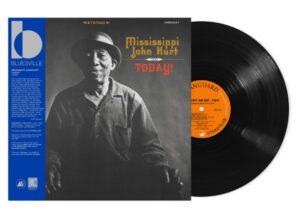
Die begehrte Illusion, mit einem Musiker den Raum zu teilen. „He‘s here!“ Mein liebsten Bluesplatten teilen vielleicht etwas Abseitiges, das sie vom ganz klassischen Blues vielleicht minimal abhebt, dingfest kann ich das nicht immer machen. Ein weiterer Favorit wurde die einzige Platte, die John Lee Hooker für das Impulse-Label gemacht hat. Mehr archaische Wucht als „It Serves You Right To Suffer“ geht nicht. Ich besitze das Werk als SACD. Zu dieser kleinen Sammlung besonderer Bluesalben gesellte sich in den letzten Tagen auch „Today“, von Mississppi John Hurt, einer irgendwann nach Jahrzehnen wiederemtdeckten Legende des Blues. „Today“ heisst das nun auf Vinyl remasterte Teil, dieses Bluesmannes mit ungewohnt feinem Gesang und nicht minder feinnervigem Gitarrenspiel! So ein Crack wie John Martyn hat ihn sicher gekannt und geliebt! Dylan sowieso. Folkblues nennt sich das wohl, aber was weiss ich?!
“The Beacons“
„Wenn Sie die Gelegenheit haben, in die Beacons zu reisen (die vor kurzem in den walisischen Bannau Brycheiniog National Park umbenannt wurden), sollten Sie sie nutzen, denn es ist eine spektakuläre Region, die während der letzten Eiszeit durch schiere Kraft in dramatische Formen gemeißelt wurde. Wenn Sie dazu nicht in der Lage sind, keine Sorge: Vic Mars und Clay Pipe haben es uns, auf ihre Weise, ermöglicht. Wie man es von einer Clay Pipe-Veröffentlichung erwarten würde, stammt die Grafik von Frances Castle und ist äußerst stimmungsvoll. Diejenigen, die mit dem Sound von Vic Mars vertraut sind, werden sich wie zu Hause fühlen: Die Retro-Instrumentierung hat eine wissende Naivität, die an seine fröhlichen Curriculum for Schools and Colleges-Alben erinnert (wenn Sie wie ich ein Fan sind, werden Sie vielleicht erschrocken feststellen, dass diese 2012 und ’13 erschienen sind – vor einem Jahrzehnt!) Das soll aber nicht heißen, dass sich sein Sound nicht weiterentwickelt: Hier ist der Moog besonders präsent und sorgt für Momente echter Dunkelheit.“ (Garth Brook)

Es begann alles damit, dass ich auf Clay Pipe Music aufmerksam wurde, dank einer Kurzkritik jenes Albums in „Electronic Sound“, das ich am 27. März in den Klanghorizonten vorstellen werde, „Ash Grey And The Gull Glides On“, von Tommy Perman und Andrew Wasylyk. Danach entdeckte ich ein Soloalbum von Andrew, und kurz darauf „Stagdale“, Frances Castles dreiteilige „graphic story“ – und nun zwei soeben neu aufgelegte Werke von Vic Mars und Cate Brooks. Auf Cate komme ich demnächst zu sprechen, momentan läuft „The Beacons“ meinen Cd-Player heiss. Ein Absatz aus der obigen Besprechung aus „A Closer Listen“ mag als Eimstimmung genügen, sich einmal in den „Beacons“ zu verlieren! Natürlich hört man diesem Album die Historie elektronischer Software an, vom alten Onkel Moog bis sonstwohin, aber wie hier folkloristische Elemente in elektronische Sphären gewandelt werden, ist auf abenteuerliche Weise „reizend“. Ganz zu schweigen von der Liebe zum Detail, sowie den verspielt wie gekonnt verschwimmenden Grenzen zwischen dem Nostalgischen, dem Sehnsüchtigen, und dem Unheimlichen! (m.e.)Hello, Macie!
It is easy to get lost in the music of „When The Distance Is Blue“, cause, amongst other reasons, it kinds to rejects labeling, Brian Eno calls music like this „where am i“-music. Possibly you know some of the the albums Mr. Eno had brought on the way as an executive producer and artistic director in the mid-seventies.The series was called „Obscure Records“ and tried to make bold connections between experimental, new classical and the contemporary pop culture. Like Gavin Bryars“ The Sinking of the Titanic / Jesus Blood Never Failew Me Yet, Brian Eno‘s Discreet Music, the wonderful first album of The Penguin Cafe Orchestra… Your album – though much more great sounding than those old treasures, would have fit brilliantly into Obscure Records, because it serves, too, as an invitation be seduced by strange atmospheres… What was the overall vision for this album (from start on or in retrospect)? Can it be perceived as an aural equivalent of Rebecca Solnit’s „A Field Guide To Getting Lost“, that book of essays (in a freewheelin‘ sense)? Best wishes, Michael!
„Down the mountainside / To the coastline…“

Wenn dieser Film namens „Coastal“ zu sehen sein wird, bin ich dabei. Auch so einer der singer / songwriter, der mir „company for life“ bedeutet, vom ersten Augenblick an, als ich in Paignton 1971 „After The Goldrush“ entdeckte bis heute. Am wenigsten bekannt von den Alben, auf denen sich die Lieder dieser Playlist tummeln, dürfte „Reactor“ sein, das damals Prügel einstecken musste, zu Unrecht, wie ich finde. Neben dem herrlichen T-Bone-Steak-Song, der schon 1981 verriet, dass vielen Hippies der Humor ausging, wenn schräger Humor romantische Erwartungen und „strong messages“ konterkarierte, war „Southern Pacific“ stets ein Lieblingssong des Albums. Und, auf seine Weise, eben doch auch Sehnsuchtssoff und Liebeserklärung! (m.e.)
Most wanted

It’s easy to imagine that there probably isn’t any music ever played by anyone, anywhere, at any time, from prehistoric hunters on the Eastern Steppe to whatever Kendrick Lamar, Billie Eilish or Nils Frahm are doing next, to which Don Cherry could not have made a worthwhile contribution. And the secret to that must have been his openness.
(Richard Williams)
Ihr kennt den launigen Spass mit dem Brief ans Unversum!? Manchmal kommt er wirklich an. Mein Dank an dieser Stelle auch an Michael Stelljes, Spezialist für desert island discs, dafür, mich an Paul Bleys „Ramblin‘“ erinnert zu haben. Grosse Musik findet ihre Hörer mit der Zeit!
Atempause und Horizonte
six album covers, six sleeves of desire.
six landscapes of sound, six places to be transported to.
six choices, which is the place you wanna live in?
Ich stromere, streife. Ich durchforste und springe hin und her. Ich sitze still. Ich stöbere durch die Seiten des Fotobuches „Time Passes Slowly“, das Teil der edel gefertigten Schatzkiste „Another Self Portrait (1969-1971) – The Bootleg Series Vol. 10“ beiliegt. Bob Dylan zuhause mit Hund und Gitarre, im Studio, quiet days, eine Phase des Driftens, nach einer Serie von „milestones“, nach dem Skandalgriff zur elektrischen Gitarre, nach seinem Motorradunfall. „Self Portrait“ wurde damals meist verrissen, und wie so oft, erkannten viele erst dann eine spezielle Qualität, als es von den riesigen Erwartungen entkoppelt wurde, die mit ihm, schon lange kein „complete unknown“ mehr, einherhergingen. Ich mag einige Lieder mehr, einige weniger, das eine und andere Juweil mischt sich ins Bootleg. Dieses Fotobuch hat es mir besonders angetan, denn da trifft man Dylan in einer Zwischenwelt an, einen Mann, der sich ins Private zurückzieht, Freude empfindet am Alltag jenseits des grossen Geschehens.

„Time passes slowly“ – in den kommenden vier Tagen muss das komplette Skript der Klanghorizonte“ stehen, der Redakteur braucht meinen Stoff zum Redigieren, vor seiner Reise nach Berlin. Ich habe heute noch Jans O-Ton zu „Manafon Variations“ bekommen, zwei Stunden lang aus den frisch eingetroffenen „audio files“ von Marcie Stewart einen OTON für die Stunde zusammengestellt und übersetzt, ich bin eine kleine Bergrunde gelaufen, habe nun unter den ersten Teil des Skript einen Haken gemacht, die Zeitmarker gesetzt, in Dylans „coffee table book“ gestöbert.
Die Zeit vergeht langsam und wie im Flug. Mein Freiraum, mein Herumstöbern, mein „lazy afteroon“, und da fällt mir gleich Mark Doyles toll geschriebenes Buch über die Kinks ein, denen er sich so facettenreich nähert, wie es einem versierten Historiker möglich ist, und der darin der tiefergelegten Dynamik von Ray und seinen Gesellen auf die Spur kommen möchte, in der Welt, die sich ihnen damals auftat. Ich bin noch im Eröffnungskapitel; nach seinem jüngsten Büchlein über John Cales „1919“ ist Mr. Doyle eine echte Entdeckung. Und die Kinks sowieso für mich ein gefundenes Fressen.

Also, wunderliche Stunde des Nichtstuns. Lass mal die Märzhorizonte fallen bis morgen, und beginne mit den ersten freien Assoziationen zum übernächsten Mal, im Mai. Von ECM wird es dann wohl einen Titel geben, für mich das schönste Album, dass Bennie Maupin je als Leader gemacht hat, „The Jewel In The Lotus“. Und morgen landet die neue Scheibe von Geir Sundstol im Postkasten, einmal mehr aus dem Haus Hubro. Unlängst bekam ich zum Streamen und Runterladen ein spannendes Projekt aus dem Reich der langem Schatten, die Don Cherry immer noch wirft. Die Erforschung eines archaischen Steinkreises mit alten Instrumenten von Don und Moki, aus ihren Jahren in Schweden.
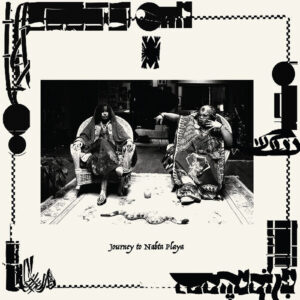
Und wie passend es da wäre, auch jene geniale Platten des Taschentrompetenmagiers zu spielen, die nach 1971 nie wieder auf einen Tonträger gepresst wurde, die „Relativity Suite“. Das fügt sich sogar nahtlos ins Umfeld von Bennie Maupins Meisterstück: nie aus dem Kopf ist mir die Erinnerung des Perkussionisten Adam Rudolph gegangen, der als Jugendlicher Zeuge im Schaltraum war, als Bennies Platte in New York aufgenommen wurde, ja, genau, dieser Adam Rudolph von „Hu! Vibrational“, sowieso einer der grössten Fans von Don Cherry unter der Sonne. Atempause und Horizonte. Wer neue Alben entdeckt, die einen besonderen Zauber entfachen, und die zwischen Ende März und Mitte Juni erscheinen, von Drag City bis Nonesuch, von Red Hook bis Punkt Editions, von Intakt bis Clay Pipe Music und Frederiksberg Records, möge Laut geben. No hurry, time passes slowly!
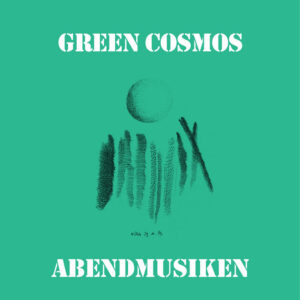
Green Cosmos? Das Besondere dieses mir bislang unbekannten Albums aus dem Jahre 1983, das schon seinerzeit nur privat in kleiner Auflage gepresst und vertrieben wurde, ist keinesfalls eine unerhöre Mischung von Stilen. Manches ist hier vertraut als Anklang von Bill Evans bis MCoy Tyner, und das Quantum Kalimba reicht nicht aus, um der Zeit von damals voraus zu sein. Alle Jungs kannten ihren Coltrane, besonders die Quartett-Alben, und hin und weg waren sie nach eigenen Angaben von John Handys „Indo-Jazz“ namens „Karuna Supreme“, einer schönen Schwarzwald-Produktion des Labels MPS. Das Besondere ist gar nicht leicht auf den Punkt zu bringen, und beruht auf der immensen Spielfreude, die nie überdreht und stets massvoll bleibt, mit einer frappierenden Leichtigkeit des Ausdrucks. Ich hätte damals meine helle Freude gehabt, diesen gesammelten Unaufgeregtheiten zu folgen, und hole das nun gerne nach, dank einer weiteren Ausgrabung der Schatzjäger von Frederiksberg Records: „Abendmusiken“! Die Aufnahmequalität sehr fein, und dass die Jungs hier alles, was sie kennen, in die Stücke hineinlegen, und etwas von dem, was sie nicht kennen, bringt etwas Unerhörtes ins Spiel! Mojo vergibt vier Sterne, Downbeat drei, ich dreidreiviertel – eine wirklich fesselnde Entdeckung!(am 1. April ist die überarbeitete Fassung dieses Textes bei unseren „monthly revelations“ zu finden, in der Abteilung RADIO…. A propos, die BINGE-Rubrik verschwindet und wird durch TIME TRAVEL ersetzt. Gezeichnet, das FlowFlow HQ!)
„What can ordinary be“ (on a sunny afternoon)
Ich bin viel zu sehr am reinen Hören interessiert, um je ein besonderes Faible für Songvideos entwickelt zu haben, aber dieses ist eine Ausnahme von der Regel, ganz gleich, ob man Song und Bilder werkimmanent deutet oder biographische Fakten hinzuzieht. Als es mir noch vorschwebte, Deutschlehrer zu werden, interessierten mich beispielsweise die diversen Interpretationsverfahren, Herr Gadamer und der „hermeneutische Zirkel“ so sehr wie die Freuden der Konkrete Poesie (ich belegte Proseminare zu beiden Themen, und sehe noch heute Ernst Jandls „Laut und Luise“ auf meinem Nachttisch in Münster liegen, neben einer alten Tonbandmaschine mit vielen Leonard Cohen-Liedern und einer Sendung von Winfrid Trenkler über Soft Machine).
Auf jeden Fall ist Robert Forsters „Butterflies“, geschrieben mit ohne seine Lebensgefährtin Karin Bäumler, und dargeboten „at home“ mit Karin und einer aufmerksamen Katze im Garten (oh, Fusel klopft gerade ans Fenster und will eine kurze Sommerpause einlegen), ein Meisterstück, was filmische Inszenierung, Song und Lyrics betrifft. Mir erscheint es auch alles andere als weit hergeholt, hier eine Spur Ray Davies zu wittern (so wie mir bei einem Song von Alabaster DePlumes neuem Werk Schwingungen einer Platte von Donovan in den Sinn kommen namens „Wear Your Love Like Heaven“).
Einmal, als die beiden Go-Betweens mir gegenüber sassen, erzählte ich ihnen, wie ich ihr allerwrstes Album im Nördlichen Bayerischen Wald hörte, mit dem langen Song als Favoriten, und dass es nur ein Katzensprung von Grasfilzing nach Regensburg war, früh in den Achtzigern. Ich nannte „understatement and passion“ die „basics“ in ihrem Songbuch. So viele Jahre später jetzt. Hier, in diesem Song ist das wieder so eine spezielle Mischung: unendliche Nonchalance auf der einen Seite, das Dunkle, Unheimliche schimmert auf der anderen durch, genauso wie eine weiter zurückliegende magische Zeit: man kann es werkimmanent betrachten, Biografien als Folien drüberlegen. Selbst Lee und Nancy würden staunen und einen Sommerwein entkorken.
(m.e.)
The spirit of Emily Dickinson, other powerful ingrediences of „Manafon Variations“, and more – ein Interview mit Jan Bang und Erik Honoré

Michael: You and Jan were only in parts involved in the making of „Manafon Variations“, but your impact on some tracks was very strong. How do you see the place of this album in David Sylvian‘s work?
Erik Honoré: Looking back on Died in the Wool – Manafon Variations, I see it as an extension and deepening of the world Manafon created – a work that retains the starkness and unpredictability of the original, but introduces new layers of texture, arrangement, and atmosphere. While Manafon was characterized by its raw, almost documentary-like approach to improvisation, Died in the Wool reshapes and recontextualizes those elements, offering a more sculpted and immersive listening experience. The album highlights David’s ongoing willingness to revisit and reinterpret his work, allowing new voices and techniques to subtly shift its meaning.
Michael: As I remember, you and Erik found a deep source of inspiration in David Sylvian‘s solo albums from start on. Do you still return to them every once in a while, or is it so much in your visceral memory that it is more a living presence in your unconscious? And do you have a favourite album? Mine was always „Brilliant Trees“…
Jan Bang: After a performance at Cafe OTO last summer, Nina, my wife and I had a coffee in London with Yuka Fujii, David’s long time creative partner. She mentioned her favorite track, the title track from Brilliant Trees. It builds heavily on Jon Hassell’s work around that time of Possible Musics , Dream Theory in Malaya and Aka Darbari Java. David told me about the recording process and meeting Jon who was 15-20 years his senior. Having the vision of how the combination of the organ chords and Jon’s trumpet would be intertwined. I guess vision combined with a great deal of stubbornness is needed to come out on the other end of a recording session with something interesting. I love that track and the unusual combinations. David has a unique way of finding the right people at the right time. Then make something out of it.
Erik: Brilliant Trees was important to me when it came, as a transition from pop and surface to something more profound, but his third solo album Secrets of the Beehive has always been a particular favourite. I feel it represents the essence of all of David’s approaches and influences up until that point, in a distilled form. Natural, seamless and free, both musically, lyrically, and sonically. There’s a clarity to it, a kind of effortless depth, that makes it feel timeless. I do return to his early solo albums from time to time, but in many ways, they’ve become more of a „living presence in my unconscious“, as you say. Their atmosphere, their emotional and sonic landscapes, are so deeply ingrained that they don’t need to be consciously revisited—they just exist as a reference point, a shared language, a sensibility that still can be drawn upon in new ways.
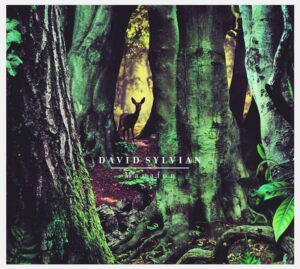
Michael: There was a change of direction in David’s work with „songs“ that started with „Blemish“ and its remix album. Free improvisation, so-called „free jazz“ and other aounds beyond the mainstream entered his work up to „Manafon“ and „Manafon Variations“. For many listeners this was a watershed, like the one of Talk Talk when they made „Spirit Of Eden“ and „Laughing Stock“. On „Manafon“ David inspired a group of improvisors to build the foundation of the album with a series of free improvs. Afterwards he sang over carefully assembled parts of it. On „Manafon Variations“ the process was the other way round. His singing already existed and was to a great extent the starting point for finding new surroundings for the voice. Was this quite a creative challenge?
Erik: I wouldn’t describe it as a challenge so much as an inspiration, a „roadmap“ – something that provided direction rather than resistance. It was a cross between producing and creating that felt both familiar and inspiring, something that we had already explored in other collaborations with David, where I was more strongly involved than on on Manafon Variations. The process was very much about finding new landscapes for his voice, building something around his existing vocal performances.
That approach—creating a sonic world in response to his voice—was something we also did on Do You Know Me Now, where we constructed the arrangement around his guitar/vocal demo, and on Uncommon Deities, which had a spoken-word foundation. You are of course right: David’s shift toward free improvisation and more abstract forms of music, starting with Blemish, was certainly a turning point, as significant as Talk Talk’s transition from The Colour of Spring to Spirit of Eden—a leap into something raw, instinctive, and far removed from traditional song structures.
But while Manafon built its foundation from collective improvisation, Manafon Variations flipped that approach: His voice was already there, and the task was to build an environment around it. That process wasn’t about overcoming obstacles; it was about discovery, about allowing the music to emerge in response to something that was already present.
Michael: Let‘s come to two pieces you were involved in. One example: „A certain slant of light“. How did you approach the piece? At the last passage, there was this beautiful instrumental coda with Arve‘s trumpet.
Jan: This part was created using existing samples of Arve, performed on my sampler in the Punkt Studio. I’ve long since moved the studio location, but thinking of this piece I can clearly visualize the recording space. Performing these trumpet samples, turning them around, the sampler is a shapeshifter. Something that could not necessarily have been done by recording Arve Henriksen´s trumpet directly. Different techniques create different results.
Michael: Then there was this piece „I Should Not Dare“. The words by Emily Dickinson. In my review at the time i wrote, i could imagine this being a 20 minute track, it is so relaxed and condensed at the same time, rich in details and poetic impacts, „an index of pissibilites“ so to speak… Can you say something about the way this little thing grew to its kind of perfection…. And a memory of working on it (with the ghost of Emily Dickinson around…)?
Jan: We struck gold with that specific piece. Christian Fennesz had done a guitar overdub on David’s basic vocal/acoustic guitar recording and sent it to me. I added the surroundings: the sudden bass note, the synth sample I had from a concert with Ståle Storløkken, the strings etc that changed the harmonic structure in certain selected parts. It is very open in terms of „sound population» for the lack of a better word. It breathes.
Michael: Now „Manafon Variations“ received their first ever vinyl edition, as a double album. I think, what once was confusing the listeners‘ expectations (who wanted to listen more classic songs) today seems much more accessible, easier on the ear even for new listeners. It may be the last album of David, the singer, but it is surely not coming from the ivory tower. Do you agree?
Erik: I do agree. When Manafon and later Died in the Wool – Manafon Variations were first released, they challenged many listeners’ expectations. But over time, I think these albums have settled into a different place in his catalog, where their accessibility is no longer measured by traditional structures, but by the immersive quality of their soundworlds. Perhaps that’s a reflection of how our ears and expectations have changed, or maybe it’s just the natural way music finds its audience over time.
If this does turn out to be the last album of „David, the singer,“ it’s certainly not a work from an ivory tower. There’s too much humanity in it, too much presence and engagement with sound, with words, with the musicians he surrounded himself with. For me, the experience of collaborating with David Sylvian on various projects was never about making something remote or impenetrable—it was about responding to something deeply personal and expressive. And I think that’s why the music still resonates. It asks something of the listener, but it also rewards in ways that continue to unfold long after the first encounter.
Michael: Looking back, how was that teamwork with David going on in regards to the two pieces I asked you about? Fighting? Easy going?
Jan: Really easy going and given total freedom from David’s side to express ourselves. However, on a personal level I am most happy about the Emily Dickinson piece which is only based on small samples that form a mosaic of colors.Erik: The collaboration with David on Died in the Wool, and for me personally even more on Uncommon Deities, flowed very naturally. One of the things that made working with him so rewarding was the balance he struck between creative freedom and extremely precise feedback. He has this ability to provide razor-sharp, informed guidance—never imposing, but always illuminating. His comments are never vague; they are direct, insightful, and always about serving the essence of the music. That combination of trust and precision made the processes not just easy-going, but deeply inspiring. His approach isn’t about control, a „top-down“ approach, but about bringing clarity to the work—helping to shape and refine ideas without limiting their potential. That’s why these long-distance collaborations never felt like a struggle or a negotiation; they felt organic, like a conversation where each exchange moved the music forward in a meaningful way.
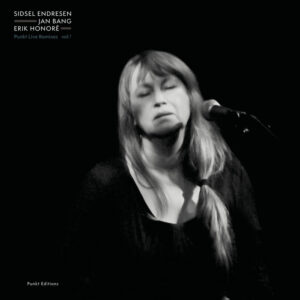
Michael: A last question. It is very impressive how David Sylvian explores the range between speaking and singing. I think, this adds to the magic very much. At one point, maybe on the last piece, he is even singing straight away, like in a song from the older days, but only two verses as a counterpoint…. On other tracks there is a very thin line between spoken word and singing….
Erik: David’s ability to explore the space between speaking and singing is one of the compelling aspects of his artistry. It’s a space where emotion is distilled, where meaning is heightened, and where the listener is drawn in by the sheer intimacy of his delivery. On Died in the Wool, there are moments where his voice almost slips into what we might call a “classic song” structure, only to pull back, reminding us of the deliberate tension he plays with. This ability to move fluidly between expressions adds to the magic, creating a sense of expectation and, at times, an almost ghostly presence. That same sensibility is something Jan and I have also encountered in our collaborations with Sidsel Endresen. We are so privileged. Sidsel, like David, has an unparalleled instinct for phrasing, tone, and texture—she can make a single, wordless syllable feel monumental. Both of them push the boundaries of what a voice can be, making every moment feel necessary.
Postscriptum: PARTS OF THIS INTERVIEW WILL FIND THEIR WAYS INTO KLANGHORIZONTE (DEUTSCHLANDFUNK) MARCH 27, 9.05 p.m. / That radio hour can be heard a week long after airplay at Deutschlandfunkfunk, and, at another place, forever and a day (but only, If the „5 hour production“ on March 26 will live up to my expectarions). Many thanks to Erik and Jan for entering memory lane and offering so much insights! Apart from this day within our blog diary, this conversation will be part of our monthly revelations in April. With a slightly changed sequence of photos and covers.
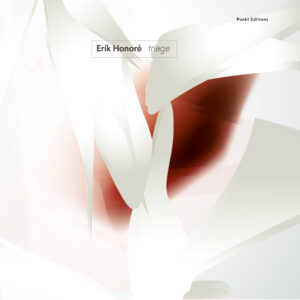
By the way, the last albums by or with Jan Bang and Erik Honoré can be found on Bandcamp and PUNKT EDITIONS incl. Erik‘s „Triage“, Jan‘s „Reading The Ear“, his duo album with Eivind Aarset titled „Last Two Inches of Sky“ (HERE an old radio hour with the two!) Sidsel Endresen‘s „Punkt Live Remixes, Vol. 2“ (LISTEN NOW!) or „The Bow Make“, a collaboration of Jan Bang and Daj Fujikura, the Japanese composer strongly involved in „Manafon Variations“. And HERE an old hour of Klanghorizonte with Erik‘s Triage album!
40 Platten zu verkaufen (mal eine andere Liste)
Nur als Gesamtpaket, keine Einzelstücke. Nicht an der Nummerierung stören, es sind 40! Dieser Blogeintrag verschwindet spätestens morgen, am 8. Dezember, um 18.00 Uhr. Fast alles wurde in meiner Nachtradiosendung im Deutschlandfunk gespielt. Und alles Vinyl, near mint oder vg+, bis auf wenige Ausnahmen. Entweder habe ich manches doppelt, oder „in surround“, oder es ist nicht mehr so ganz meine Musik. Diese aufgeführten ECM-Alben habe ich mehrfach, es sind edle Sammlerstücke dabei. Anruf: 0157 – 307 65 064. (michael engelbrecht)

- Bill Callahan: Have Fun With God (seine DubPlatte)
- Getz / Gilberto (Impex 1 step 3358/7500) – extrem teuer
- Johnny Cash: American V
- Jimmy Giuffre: Free Fall
- Tom Waits: Rain Dogs (remastered)
- Incredible String Band: No Ruinous Feud
- Chick Corea: Piano Improvisations Vol. 1 (ECM)
- Group Listening: Clarinet & Piano: Selected Works Vol. 2
- Dustin O‘Halloran: IOOI
- Trees Speak: PostHuman
- Led Zeppelin: II (remastered by Jimy Page)
- Jerry Harrison: The Red And The Black (VG)
- Rickie Lee Jones: The Other Side Of Desire
- Monke Plot: Angaende Omstendigeter… (Hubro)
- Erland Dahlen: Bones (Hubro)
- Bill Frisell: In Line (ECM first pressing)
- Belbury Pole: The Gone Away
- Moritz Von Oswald Trio: Sounding Lines
- Milton Nascimento: Clube de Esquina
- Stephan Mathieu: The Falling Rocket

- Cluster: Grosses Wasser
- McCoy Tyner: Extensions
- Helge Lien Trio: Hello Troll
- Tom Van Der Geld: Children At Play (ECM)
- Tom Van Der Geld / Bill Connors: Path (ECM)
- Simon Fisher Turner: The Epic of Everest
- John Coltrane: Blue Train
- Prince Far I: Cry Tuff Dub Encounter Chapter 3
- Oren Ambarchi & Jim O‘Rourke: Behold
- Stein Urheim: Strandebarm (Hubro)
- Holger Czukay: Eleven Years Innerpsance (double vinyl set)
- Karen Dalton: In My Own Way (3 LP Set)
- Simon & Garfunkel: Bookends (mofi sound lab)
- Barney Wilen: Un témoin dans la ville
- Laraaji: Sun Piano
- Kraftwerk: Technopop
- The Genius Of Ray Charles (atlantic mono)
- numün: Book Of Beyond (shimmy disc)
- Ella Fitzgerald / Louis Armstrong: Ella and Louis
- Miles Davis: Kind of Blue (UHQR 2-LP-Set, 45rpm… extrem teuer)
Eine ruhige, fesselnde Inszenierung

In der Ard Mediathek ist derzeit die beste deutsche Kriminalserie zu finden seit der zweiten Staffel der „Toten von Marnow“. Es beginnt wie ein „Allerweltstatort“, aber rasch merkt man, dass hier mit viel Diskretion, genauer Beobachtung, und einer grossartigen Nina Kunzendorf als Kriminaloberrätin, eine Ausnahme vom Mainstream zu erleben ist. Es menschelt nicht wie blöd, keine schrulligen Dienstleiter im Dauereinsatz.
Sowieso liegt der besondere Augenmerk auf der Spurensuche, der über einen langen Zeitraum sich ereignenden Spurensuche, der Erschöpfung des Teams. Sehr viel ist in kleinen Szenen zu erleben, der Humor so fein dosiert, dass er erstmals nach einer halben Stunde kurz in Erscheinung tritt. Und sich sowieso rar macht. Die Musik ist sensationell diskret, feingearbeitet, und ein zusätzlicher Anreiz der „Soko Sonntag“, wie einer der vier Teile getitelt ist, beizutreten.
Der grosse Fehler und Abzug in der B-Note beim zweiten Teil der „Toten von Marnow“, war, dass es am Schluss in Teilen unglaubwürdig inszeniert und geplottet wurde, etwas „over the top“ (anders als bei Staffel 1). Auch war der Soundtrack etwas zu grell. All das ist bei „Spuren“ wunderbar austariert.
Und einen kleinen Mundartkurs bekommen wir bei „Spuren“ kostenlos dazu geliefert. Aber keine Sorge, „pascht scho!“ Aber, ähem, sind wir da in der Gegend von Lauenburg im Hessischen oder Badischen? Egal. Leises grosses Kino. Based on true events. Ja, und ab und zu leiser Humor, zum Beispiel in der Szene mit Ermittler Bernd und dem Apfelkuchen von Muttern!
Ich kann dem Soundtrack gar nicht hoch genug loben. Es lohnt sich, wenn man die Serie sieht, zwischendurch auf das alustische Beiwerk zu achten, das hier keine Gegenwelt öffnet, keine zweie Story erzäht, aber sehr, sehr fein die jeweilig herrschenden Stimmungen auslotet, erweitert, vertieft.
(„Kleine Welt!“, möchte ich da ausrufen. Ein erhellender neuer Kommentar von Ingo macht uns mit der Region und dem Regisseur etwas vertrauter – bleibt die Frage, ob Ingo auch den Dialekt eimst beherrschte, als er dort einen Teil seiner Kindheit erlebte)