Another Day in Berlin – talking with Brian Eno in 2005
Vom Suchen im dunklen Walde
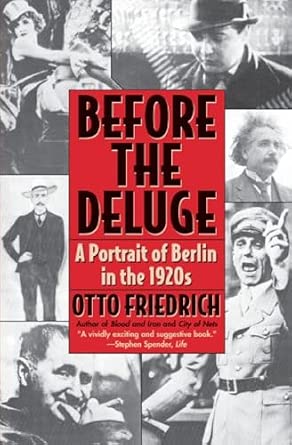
Als ich Brian Eno an einem warmen Berliner Junimorgen des Jahres 2005 traf, war auch der Bundeskanzler zugegen. Der trinkt gerne eine Tasse Kaffee im Hotel Adlon, sagte man mir. Es ist ein Irrglaube, daß nur privilegierte Künstler wie Brian Eno an einem Tag durch die unterschiedlichsten Realitäten driften, das tun wir alle. Erst mal zeigte er mir den Blick aus seinem Zimmer in der dritten Etage, und der fällt auf das Brandenburger Tor. Mit einem Foto, das er am Vorabend machte, beteiligte sich der englische Klangkünstler an einem beliebten Touristenspiel: man nimmt eine geschickt platzierte Postkartenkulisse vor dem Brandenburger Tor zusammen mit dem Original auf und betrachtet die Überlappung der Zeitebenen. Nur, Enos Aufnahme zeigte eine Besonderheit: auch der Himmel über Berlin changierte zwischen grau und ocker und erschien, mehr als die überlebensgroße Postkarte zu ebener Erde, wie ein gemaltes Bild. Ein Trick? Ein Spiel mit Farbfiltern? ein Sample von Magritte? Oder einfach ein unwirklicher Himmel? Auch Brian Enos neues Songalbum „Another Day On Earth“ ist alle Eindeutigkeit fremd. Wie schon bei seinen vier Song-Klassikern aus den Siebziger Jahren, beispielsweise „Another Green World“, sind die Grenzen von Liedern und Landschaften oft fließend. Wo er kann, bricht er aus stereotypen Formaten aus. Alles ist so prall mit Leben gefüllt wie die chinesischen Marktstände auf dem Cover. Zeiten und Räume bleiben durchlässig: man muß ja nur den Himmel in dieser digitalen Kamera betrachten. Oder einen Blick in das Buch werfen, das Eno gerade mit Begeisterung liest: „Otto Friedrich: Before The Deluge – Portrait of Berlin in the 1920s“. Schatten ziehen immer herauf.
Die Hymne und der Geigerzähler
Michael Engelbrecht: Dein neues Album beginnt mit einem Power-Song. Die Energie springt einen auf „This“ förmlich an, John Lennon hätte diese Melodie gerne geträumt. Aber die große Beschwingtheit kippt um in Angst. Ein irres Lied, das einige Grundthemen von „Another Day On Earth“ einführt.
Brian Eno: „This“ beginnt als eine Art Feier des Lebens, aber dann bemerkt man nach und nach, daß diese Person doch ein wenig verloren ist in dieser Welt. Kennst du die ersten Zeilen von Dantes „Inferno“, wo es ungefähr heißt: „Nur halben Weges durch die Reise dieses Lebens, und ich finde mich verloren in einem dunklen Wald“ – in dem Lied heißt es: „Was ich dachte, was ich wußte, was ich dachte, was wahr sei, was ich verstand im dunklen Wald.“ Ich versuche den Eindruck zu vermitteln von einem Menschen, der sein Leben mit großem Enthusiasmus beginnt, und dann nicht mehr sicher ist, wohin die Reise geht. Und das ist ein Thema – ich bin jetzt siebenundfünfzig, es ist nicht mehr so viel Lebensszeit übrig; und eine der Fragen, die ich mir oft stelle, ist, was man alles erleben wird auf der anderen Seite des Berges.
Michael: Und das Ende von „This“, mit diesem krassen Abriß, nimmt schon das schockierende Finale des Albums vorweg, die Komposition „Bonebomb“.
Brian: Ich habe am Ende von „This“ die letzte Gitarrenphrase extrem verlangsamt, bis sie sich nach einzelnen Atomen von Sound anhörte, wie ein Geigerzähler, der nur nur noch „klick“ macht, „klick“ …. „klick“ …. „klick“. Das ist doch auf verrückte Wiese herzzerreißend, wenn nach all der ausladenden Opulenz mit einem Mal der Strom ausläuft. Im Grund beschreibt dieser kleine Song einen Weg von der Wiege zum Grab. Am Schluß wäre die Figur des Liedes schon glücklich, jemandem folgen zu können, der ihm den Weg zeigt, oder irgendeinen Weg, er würde darum betteln!
Die Fehler in der Maschine
Michael: Mit dem ersten Song bluffst du ja auch die Hörer, die sich auf einem großen Tanz wähnen. Für eine Weile nimmst du dann alles Adrenalin heraus. Der zweite Song, „And Then So Clear“, entführt den Hörer in eine bizarre Schnee- und Stimmenlandschaft. Eine sehnsüchtige Melodie, eine irritierende Stimme voller Risse und Sprünge…
Brian: Ich benutze für den Song „And Then So Clear“ ein elektronisches Hilfsmittel, um meine Stimme eine Oktave zu heben. Oft versuchen Musiker, den Eindruck des Artifiziellen zu glätten , wenn sie solche Mittel einsetzen. Viele würden diese seltsamen Einrisse sofort entfernen, wenn die originale Stimme für den Bruchteil einer Sekunde durchbricht oder die Maschine die Stimme nicht korrekt in der Spur hält. Ich dachte hingegen, daß alle Fehler in der Maschine die Stimme noch anrührender machen, noch bewegender. Mir stand der Sinn nicht nach einer Maschinenstimme. Ich wollte etwas Halb-Menschliches, Halb-Maschinelles, das nicht richtig rundläuft und wie ein Geisterwesen um Menschlichkeit ringt. Ich ließ also all die kleinen Probleme mit dem Sound unangetastet. Ich lasse Technologie gerne scheitern und erkläre das Scheitern zum Teil des Bildes.
Michael: Es folgt ein Song, der nun aber auch noch die letzten Regeln für „normale Lieder“ außer Kraft setzt. Ein ganz zartes Teil. Übrigens heißt der neue Bestseller von Nick Hornby, in dem ein paar Leute auf einem Wolkenkratzer ihr freiwilliges Ableben diskutieren, auch „A Long Way Down“!
Brian: Echt komisch. Ich wußte nichts davon und war sehr überrascht, „A Long Way Down“ an der Spitze der englischen Bestsellerliste zu sehen – meine Güte, ich habe endlich eine erfolgreiche Platte gemacht, aber es war das Buch, nicht mein Song (lacht) . Es begann damit, daß mich der englische Tänzer Noel Wallace um ein Stück Musik bat. Ich wollte ein Stück schreiben, das einen klaren Rhythmus hat – die Melodie aber sollte an nicht vorhersagbaren Stellen auf den „beat“ fallen. Wie eine Autofahrt mit einem schlingernden Reifen. Nachdem ich das Stück geschrieben hatte, wollte ich einen dazu passenden Gesang entwickeln, was sehr schwierig ist, eben weil die Melodie und „beat“ nicht im Einklang sind. Also übte ich und und bewegte die Wörter mit dem Computer so, daß sie einigermaßen auf die richtigen Noten fielen. Ähnlich wie die Stimme in „And Then So Clear“ geht es auch hier um eine Studie des Scheiterns, und nicht um eine polierte, professionelle Performance.

Der kurze Blick auf die Erde
Michael: Das ist aber ein faszinierendes Scheitern! Anders als Schriftsteller wie Robert Carver oder John Updike, mit ihren gnadenlosen, eisgrauen Abrechnungen und gesammelten Trostlosigkeiten, schwingt in deiner Musik immer eine Qualität des Staunens und Träumens mit.
Brian: Es tut mir gut, wenn man das heraus hört. Ich habe immer geglaubt, daß im Zentrum des Lebens Freude ist. Ich erlebe depressive Zustände wie jeder andere auch, und manchmal bin ich sehr deprimiert, aber ich habe immer das Gefühl gehabt, wenn ich tief genug sinke, dann würde das, was ich dort finde, keineswegs Depression sein, Traurigkeit oder Melancholie, sondern Freude, und ich denke, in vielen Dingen, die ich getan habe, schimmert immer noch so eine warme Glut durch. Bei aller Dunkelheit gibt es in den neuen Songs immer noch genug Wärme. Es ist die Wärme von jemandem, der denkt, daß letzten Endes das Leben doch großartig ist, und der sehr gerne am Leben ist (lacht) !
Michael: Immer wieder geht es in dieser Musik um etwas, was man Loslassen und Hingabe nennen könnte. Nicht im esoterischen Sinn. „Love – Devotion – Surrender“, das war ja mal so eine Formel bei Jazz- und Rockpoeten in den Siebziger Jahren! Hier, in diesen Stücken, geht alles falsche Pathos verloren, es gibt keine aufgeblasene Transzendenz, eher ein ambivalentes, ernstes Spiel mit Grenzsituationen. „Caught Between“ oder „Passing Over“ sind Sehnsuchtsstücke mit einem ganz feinen Sog!
Brian: „Passing Over“ ist ein sehr seltsamer Somg, ich habe ihn mir vor kurzem noch mal angehört. Wo er herkommt, weiß ich nicht! Einige der Songs entstanden sehr schnell, aber an „Passing Over“ habe ich wieder und wieder gearbeitet, wahrscheinlich Jahre (lacht)! Ich mag dieses fremdartige dunkle „jazz feeling“ im Rhythmus. Aber ich war so lange nicht glücklich mit den Klängen, die mir dazu einfielen. Und dann schrieb ich eines Tages ein paar kurze schroffe Zeilen – dieses Harsches und Gedrängte im zweiten Teil bildet ein Gegengewicht zur ätherischen Melodie. Die fehlenden Passagen stellten sich fast von alleine ein. Gegen Ende etwa dieser Piano-Loop, der sich in der Ferne verwirbelt. Eine Szenerie, als würden fremde Wesen mit einem Jet unterwegs sein, einen kurzen Blick auf die Erde werfen und weiterziehen…
Variationen mit Michel Faber
Michael: Kann man schöner „lost in space“ sein? Da hat die Ambient Music endgültig deine Songs eingeholt. Was mich wundert, ist dein Rückgriff auf anderer Schreiber. An dem Text zu „How Many Worlds“ war der Schriftsteller Michael Faber beteiligt, aber diese „lyrics“ sind ja eher einfach und wären für jedes Kind guter Traumstoff.
Brian: Das kam so: Michel Faber und ich wurden vor ein paar Jahren Freunde. Ich mag seine Art zu schreiben sehr, mein Lieblingsroman ist „Das karmesinrote Blütenblatt“. Ich merkte bald, was für ein passionierter Muskhörer er ist. Er kennt sich speziell in Bereichen aus, an denen ich wirklich nicht besonders interessiert war, so ist er ein absoluter Experte für den französischen Prog-Rock der Siebziger Jahre (lacht) , und er ist ein Experte, was meine Musik betrifft. Als ich ihm erzählte, woran ich gerade arbeitete, erinnerte ihn das an eine Musik von mir, an der ich 1979 gearbeitet hätte – und gescheitet sei (lacht). Er ist sehr kritisch. Eines Tages schrieb ich ihm, ich hätte Probleme mit einem Song. „How Many Worlds“ war eigentlich in Windeseile fertig, einschließlich der wunderschönen Violinenpassage. Es gab gar nicht soviel zu singen für mich in dem Lied, ich sang also irgendwelchen Unsinn und besaß nur die Worte für die letzten zwei Zeilen. „How many worlds will we ever see? / How many people will we ever be?“ Ich fragte Michel, ob ihm etwas für die offenen Stellen einfiel. Das große Problem bei Songtexten ist: sie können einen Song klein machen. Viele Musiker erproben ein Lied, in dem sie erst mal Nonsense singen. Sobald du aber die Musik in Worte verwandelst, ist es Musik „über etwas“, und das kann dem Lied Räume nehmen. In zwei Tagen war dieser Song da, aber unendlich lang zog es sich hin, bis ich, mit Michels Hilfe, herausfand, was ich in den drei kurzen Versen singen wollte.
Michael: Eine ausgeprägte Zeitreise unternimmt ja die Violine in „How Many Worlds“, sie klingt anfangs nach radikalen elektronischen Bearbeitungen und am Schuß nach etwas Jahrhundertealtem!
Brian: Die Violine besitzt absichtlich einen naiven Anteil, der nicht weit entfernt ist von der Chinesischen Oper. Sehr einfache, große Bewegungen (demonstriert die Klangfigur). Überhaupt nicht indisch oder arabisch! Die Intervalle zwsichen den Noten sind groß. Und einen andere Anregung fand ich in einem Ableger des Portsmouth Symphony Orchestra. Da üben sich Menschen ohne jegliche muskalische Ausbildung an einfachen, kindlichen Melodien. Das berührt mich, diese Mischung aus wilder Entschlossenheit und großer Unfähigkeit (lacht)! Nun ist Nell Catchpole eine exzellente Violinistin. Und sie wußte genau, daß ich in dieser langen Sequnez einmal mehr das Gefühl eiens nicht rund laufenden Rades entfalten wollte, einen leichten Drehschwindel. Zudem wird der Hörer in seinen Erwartungen genarrt, weil das Stück unübliche zwanzig Takte umfasst, die noch dazu dreimal wiederholt werden. Du denkst, jetzt geht es zuende, und dann dreht die Violine eine weitere Runde!
Bitternis und Wahn
Michael: Springen wir kurz ans Ende. „Bonebomb“ ist große unerbittliche Musik. Erzählt sie von Geistern, von Untoten?
Brian Eno: Die Geschichte hinter diesem Song ist bitter. ich las vor Jahren eine Zeitung, in der auf einer Seite zwei Artikel über palästinensiche Selbstmordattentate waren. In dem einen wurde der Prozess beschrieben, den eine junge Frau durchlaufen muß, um in diese Rolle hineinzuwachsen. Der Artikel basierte auf einem Brief, den ein Mädchen hinterlassen hatte. Wenn sich jemand für diese Art von Märtyertum hergibt, dann weiß das jeder in der kleinen Gemeinde, und man betrachtet das Mädchen als eine schon Gestorbene. Sie haben dann den Status von Auserwählten, die bereits im Himmel sind und daher als Heilige gelten an den letzten Tagen ihres Lebens. Für „Bonebomb“ habe ich eine weibliche Stimme eingesetzt.
Michael: Also wird dieses verstörende Stück Musik aus einer Innenperspektive entwickelt. Aber es kommt eine zweite Ebene hinzu, Teenager in der amerikanischen Provinz, die von wunderschönen Todesarten träumen und Bilder von Popstars über ihren Betten hängen haben. Das Wirkliche ist hier porös, aber es ist auf dem ganzen Album porös! Und auf keinem deiner vier vorigen Songalben aus den Siebziger Jahren hast du ein dermaßen schroffes Ende gewählt. Selbst bei dem extravertierten Debut, „Here Come The Warm Jets“, öffnet sich der Raum, du hast schon damals gerne Chill-Out-Zonen in deinen Alben eingerichtet. Hier aber überschlägt sich die Musik ins Nichts.
Brian: Ganz sicher. Und auf derselben Seite war ein anderer Artikel, in dem ein israelischer Arzt sagte, daß eine der schlimmsten Dinge beim Umgang mit den Opfern darin bestehe, daß man Knochensplitter aus den Leichen der Getöteten entfernen muß, die von den Attentätern stammen, die ja bei der Explosion in Stücke zerrissen werden. Ein Horrorbild vom Verschmelzen zweier Körper, Horror im 21. Jahrhundert.
Michael: „Bonebomb“ besitzt eine Unerbittlichkeit wie der Mord in der Dusche von Hitchcocks „Psycho“. Aber generell gilt für dieses Album, daß die Musik durch viele Welten driftet: da sind bodenlose Einsamkeiten und hingebungsvolle, süchtigmachende Räume und Melodien. Aber als Hörer betritt man auch fortlaufend unsicheres Gelände. Hier wird nichts zur Auflösung gebracht. Das ist das Paradoxe: man kann, abgesehen vom düsteren Ende, nie eine Trennlinie ziehen zwischen dem Unheimlichen und dem Schönen. Als Songschreiber bist du Suchender und Fluchtkünstler in einem. Und selten hast du deine Stimme so variabel eingesetzt, mnachmal klingt sie wie ein Chor, und manchmal auch ganz weich und unbehandelt. Es ist wie ein Theater der Stimmen.
Das Treffen einer Saite
Brian: Das Problem mit dem Songformat ist, daß die Leute denken, Stimme und Person sind eins. Und ich bin wirklich nicht interessiert an einer stimmlichen Darstellung von meinen Problemen, meinem Leben und meinen Gedanken. Ich möchte, da hast du recht, lieber Theater spielen, an Figuren arbeiten, die in den Liedern Rollen übernehmen. Nebenbei, das ist einer der Gründe, warum ich so viele Manipulationen mit der Stimme anstelle: ich trenne sie damit von meiner Person. Die einzelnen Figuren sind Charaktere, die ich geschaffen habe, mit einem speziellen Blickwinkel für den jeweiligen Song. Und natürlich haben sie etwas mit mir zu tun, aber das soll nicht als Botschaft rüberkommen. Es geht nicht um Autobiographie. Dieser Ausdruck „Theater der Stimmen“ gefällt mir sehr gut. Ein Teil des Durchbruches, daß ich dachte, ich könnte wieder Songs machen, hat mit diesem technologischen Durchbruch zu tun – es gibt so viele neue Möglichkeiten, mit Stimmen zu arbeiten.
Michael: Wobei den Liedern nichts wirklich Künstliches anhaftet. Was finden sich da überall für anrührende Gesänge, Lieder wie „Under“, „Caught Between“ oder „Just Another Day“, das Titelstück, das seinen Platz finden wird neben Ray Davies´ “Days“, gehen unmittelbar unter die Haut. Mehr „Soul“, mit Verlaub, geht nicht!
Brian: (jetzt ein Lächeln) Dieses Bekenntnis ist ein wenig peinlich, aber: bei einigen dieser Songs kamen mir Tränen, als ich sie sang – da gab es Bewegungen in der Stimme, die – jedenfalls für mich – übermächtig waren. Das geht auf die Erfahrung zurück, als ich zum ersten Mal eine Gospelkirche besucht habe. Das war 1978, in den USA. Eine kleine Kirche. Und es war ein Kindergottesdienst. Ungefähr vierzig Kinder waren da, und sechs oder acht Mütter passten auf sie auf; dann dieser Priester, ein sehr großer dicker Mensch, und zwei Kids an den Instrumenten: ein neunjähriger Schlagzeuger und ein zwölfjähriger Organist. Und sie begannen diesen Gospel zu singen. Und es gab einen Moment in der Melodie, die sich in einem fort um sich selbst drehte, einen Moment, der so emotional bewegend war, daß ich ihn nicht singen konnte – es war für mich zu überwältigend! Diese Erfahrung ist bei mir geblieben; und ich dachte, wenn Musik nicht so machtvoll ist, dann möchte ich sie nicht spielen – wenn Musik nicht fähig ist, einen solchen emotionalen Effekt auf mich auszuüben – und mir ist es egal, wie clever sie ist, wie hip oder modern – wenn sie mich nicht dermaßen bewegt, dann will sie nicht machen!
Die Sache mit den Klassikern
Michael: Im letzten Jahr sind deine ersten vier Solosongalben aus den Siebziger Jahren wiederveröffentlicht worden. Weltweit gab es begeisterte Kritiken, man stritt sich darum, ob nun „Another Green World“ der Klassiker schlechthin sei oder ein anderes Werk aus dem Quartett. Ist das schmeichelhaft, oder versuchst du sowas wenig zu beachten? Am liebsten scheinst du die vielzitierten gloreichen Zeiten zu ignorieren, nicht wahr?
Brian: Ja, ich neige ein wenig zu dieser Reaktion. Natürlich bin ich sehr erfreut; es ist beglückend, daß diese Dinge noch existieren, und diese Musik immer noch Hörer findet. Dafür bin ich dankbar. Auf der andern Seite bin ich mir bewußt, daß das eine ziemliche Bürde ist. Wenn du bei einer Arbeit anfängst, dann sieht sie erst mal ganz winzig aus, unförmig, noch nicht sehr gut. Dann betrachtest du dieses enorme Gewicht von Gold auf deinem Rücken – und bist nah am Aufgeben! Aber die Sache ist die: die Dinge werden besser mit der Zeit oder sie verschwinden. All diese frühen Werke wurden ziemlich beiläufig gemacht. Es war nicht, als hätte sich Wagner hingesetzt und den „Ringzyklus“ geschrieben. Ich habe einfach die Ideen, die ich zu der Zeit hatte, in Form gebracht. Es schien damals nicht sehr schwierig, diese Platten zu machen. Aber jetzt, wo sie aus einer historrischen Perspektive betrachtet werden, sehen sie bedeutender aus, als sie mir damals vorkamen. Ich dachte nicht, sie seien bedeutend, ich dachte nur, sie seien sehr gut (lacht) . Und ich fragte mich, warum niemand anders so eine Musik machte. Aber man beginnt nie mit einer Arbeit und plant, daß sie bedeutsam wird. Das funktioniert nicht.
Alte Träume im Hinterland
Michael: Das erste Album, das ich von dir hörte, war „Taking Tiger Mountain (By Strategy)“. Und ich mochte die surrealen Geschichten von Menschen, die kleine Kameras in ihrem Haar trugen, durch den Dschungel wanderten und in lauter Abenteuer verwickelt schienen. Das war großes Theater. Wie entstanden denn diese Songetexte, die bei aller Exotik mit ganz viel skurrilen Humor durchsetzt waren?
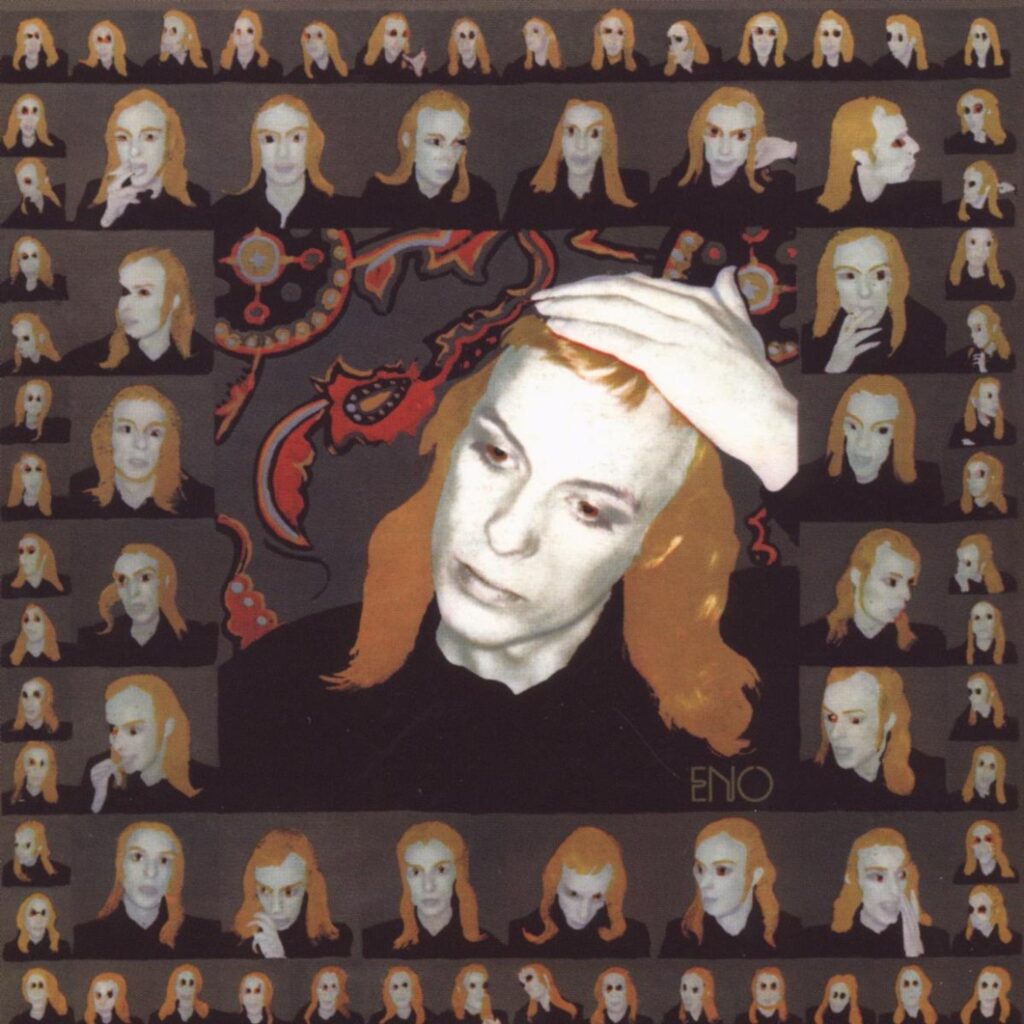
Brian: Witzigerweise fand ich vor drei oder vier Monaten das Notizbuch, in das ich die Songtexte von “Taking Tiger Mountain (By Strategy)” geschrieben hatte. Und es war sehr interessant , da einen Blick hineinzuwerfen. Da ist eine Seite, auf der ich einen ganzen Song in einem Rutsch geschrieben habe. Als hätte jemand anders mir alles diktiert. Der Text ist voll ausgeschrioben, manchmal ist ein Wort durchgestrichen und durch ein anderes Wort ersetzt. Oder zwei Zeilen veränderten ihre Position. Ich weiß nicht, ob meine Erinenerung mir einen Streich spielt und die Dinge schönt: ich erinnere mich jedenfalls, überhaupt keinen Zweifel und keine Schwierigkeiten gehabt zu haben, die Texte zu schreiben. Es war, als wären sie schon alle in mir vorhanden gewesen. Und ich hatte ein sehr klares Bild von dem Gefühl, daß dieses Album vermitteln sollte. Es war die Tragödie der „chinesischen Erfahrung“, dieses große Zerplaztzen der Träume, die der Maosimus einst repräsentiert hatte. Und wie bei allen Zusammenbrüchen revolutionärer Hoffnungen, entwickelt sich ein kollektiver Unterton der Enttäuschung. Im letzten Song des Albums machen sich die Menschen auf den langen Marsch über den Berg, sie kämpfen sich durch Schnee und Eis in eine ungewisse Zukunft. Sehr melancholisch.
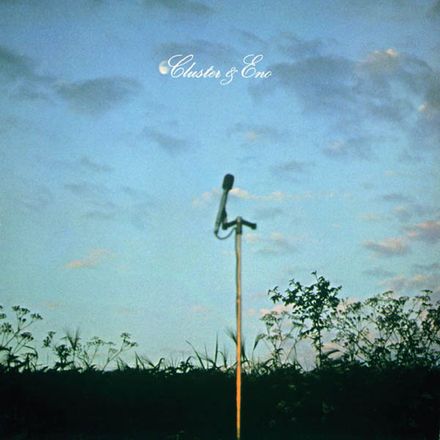
Michael: In deiner Musik schwingen oft ferne Landschaften mit. Als du mit Harmonia Musik gemacht hast, ungefähr in der Zeit, als mit Moebius und Roedelius die Alben „Cluster & Eno“ bzw. „After The Heat“ entstanden, Mitte der Siebziger Jahre, da hast du ja selbst mal auf dem Land gelebt, im Weserbergland…
Brian: Es war eine sehr angenehme Zeit, dort zu arbeiten. Es war eine Art Luftblase in meiner Geschichte. Teilweise, weil es eine so entlegene Gegend war. Wir arbeiteten nicht weit entfernt von diesem mächtigen Flußlauf. Der Song „By The River“ aus meinem Album „Before And After Science“ ist an diesen Ort gebunden. Wir lebten in diesem sehr stillen ruhigen alten Bauernhaus. Die Weser war dort ein schneller, fast rasender Fluß. Mir kam er vor wie ein Bild für die ungeheuer schnell verrinnende Zeit. Demgegenüber wirkte das Leben in dem alten Haus noch ruhiger! Die Musik, die dort entstand, besaß etwas Magisches. Wie können wir aus Nichts Etwas machen? Das war die Kernfrage. Wie bei einem Zaubertrick. Wir hatten nur einfache Instrumente, ein einfaches Studio. Ich weiß nicht mal, ob ich irgendwas mitgebracht hatte. Wir benutzten einfach, was in dem Raum vorhanden war, und das war nicht viel.